

Talk to Us
+86 13633281999
Email Address
ada@xingxinwiremesh.comComprehensive Guide to SS Wire Mesh Screen Types and Applications
Understanding SS Wire Mesh Screen: A Comprehensive Guide
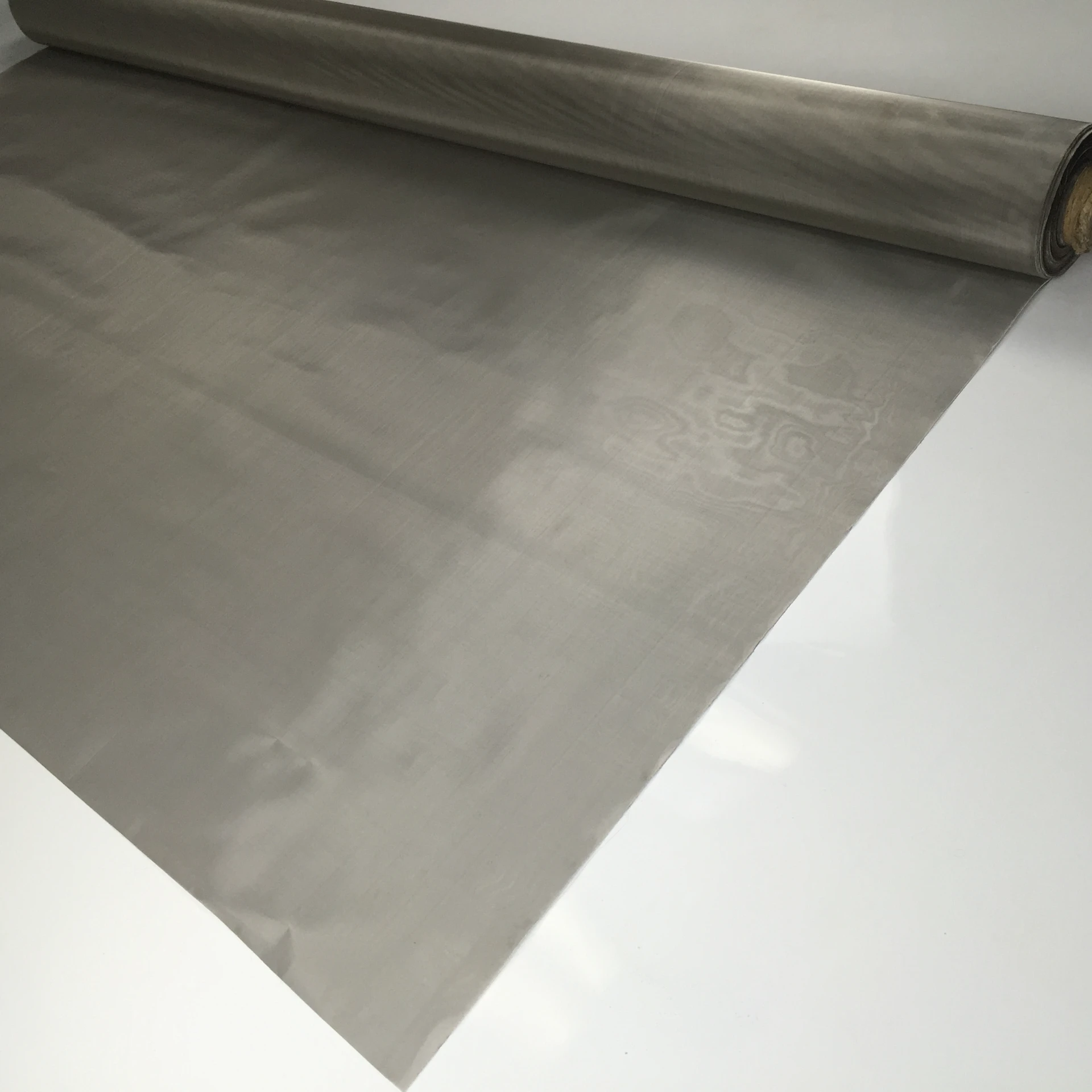
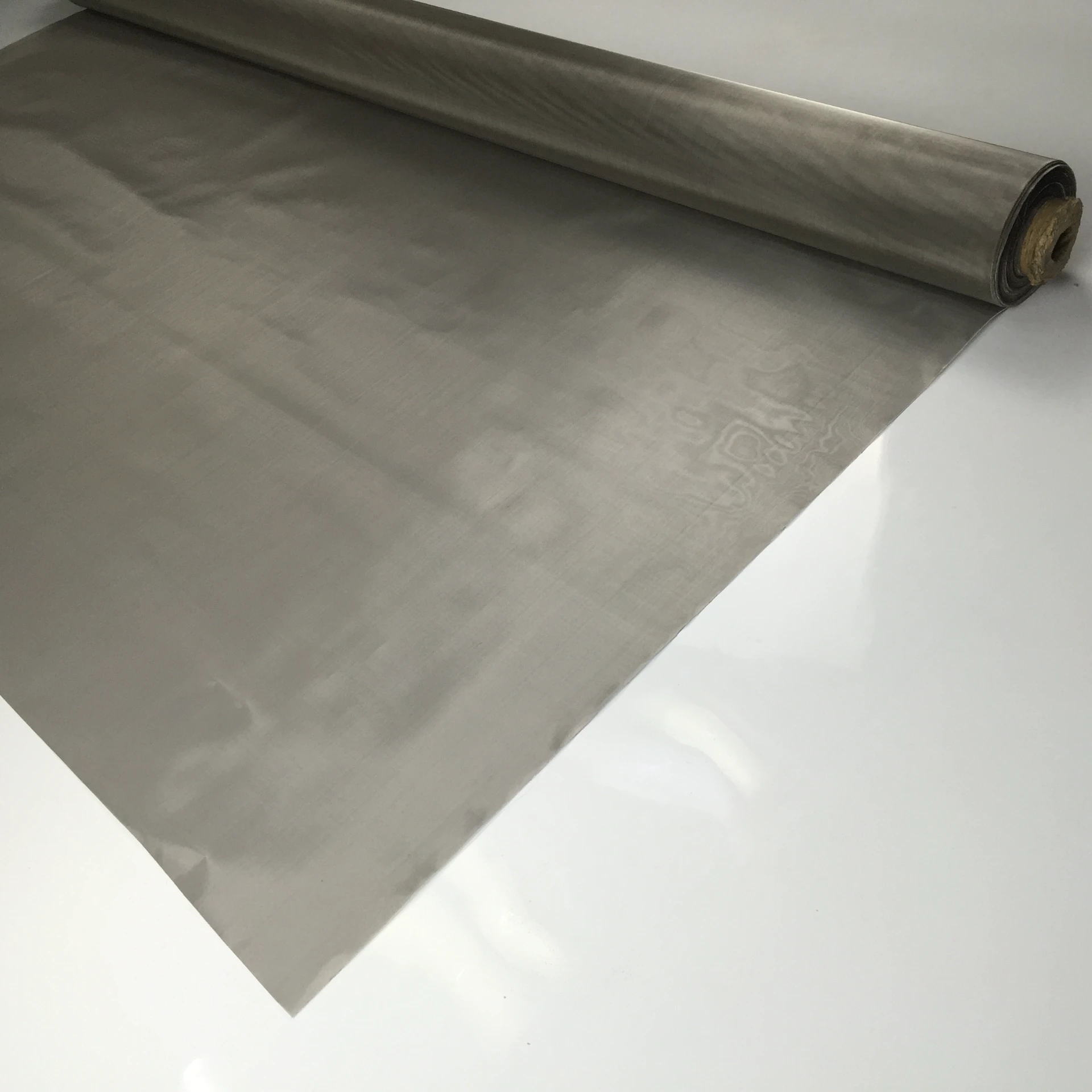
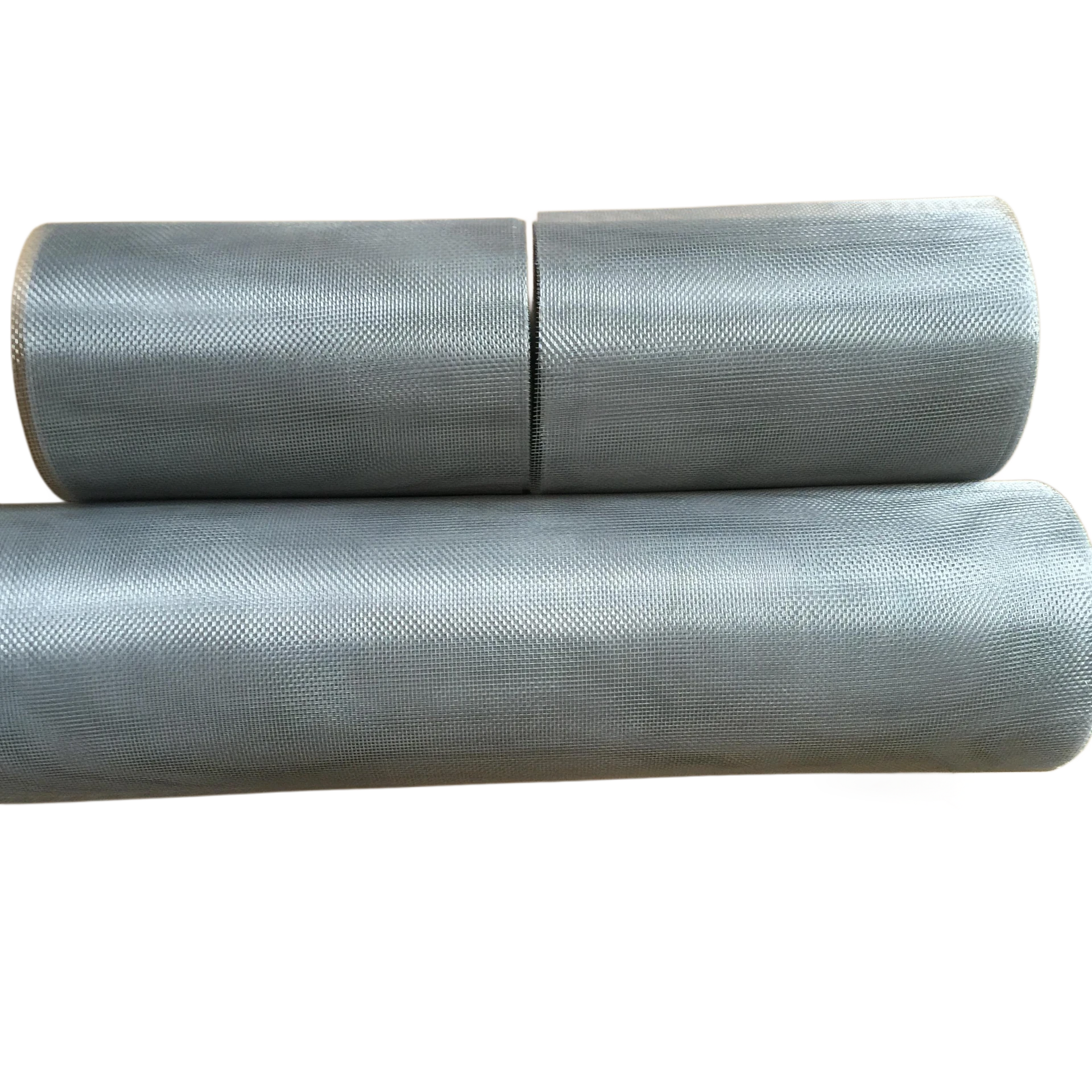
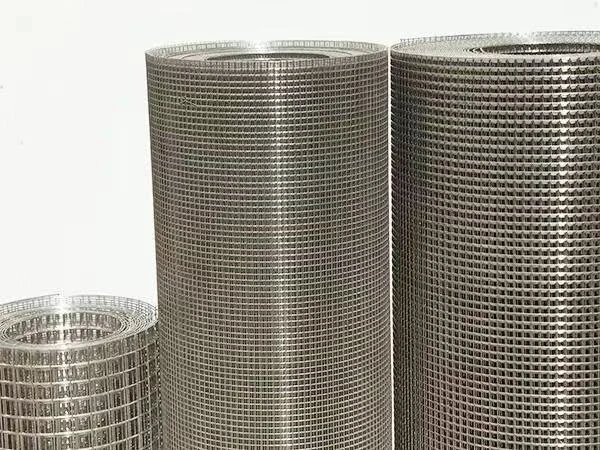
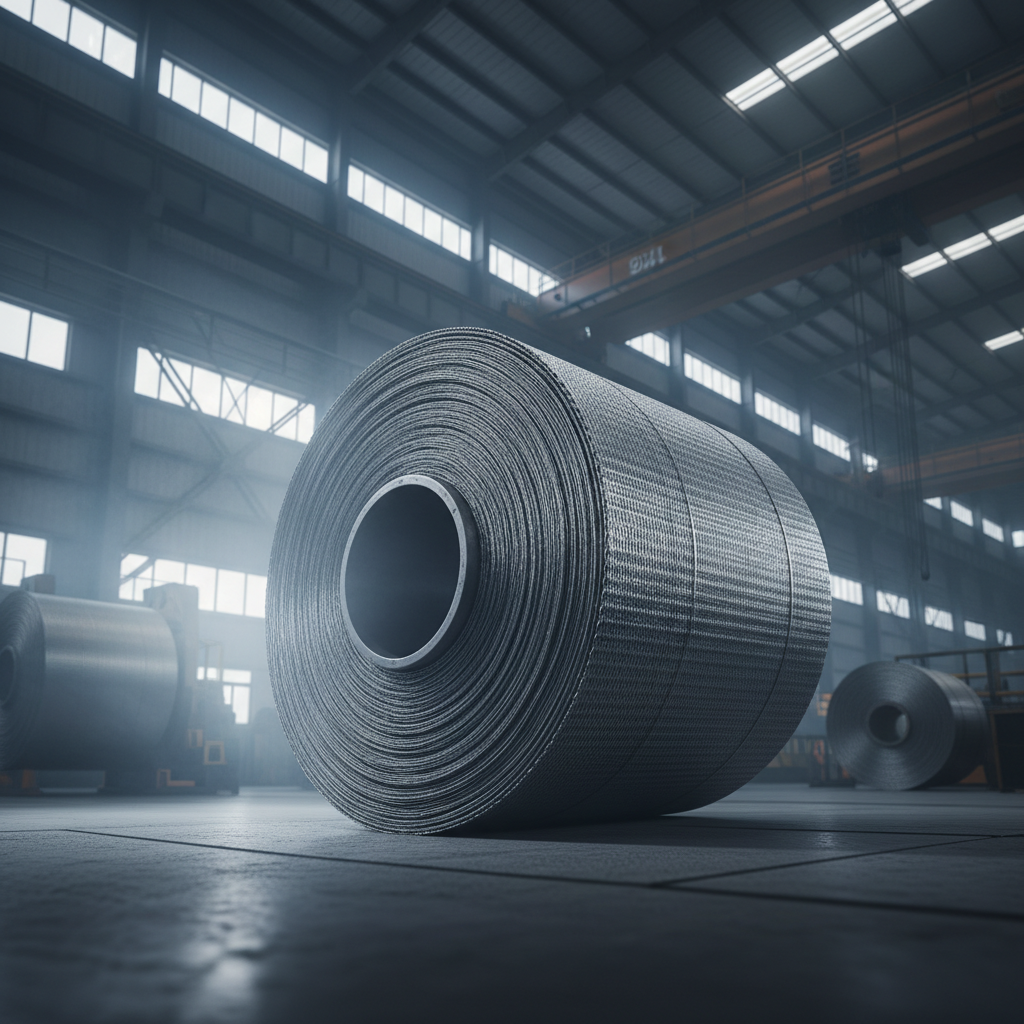
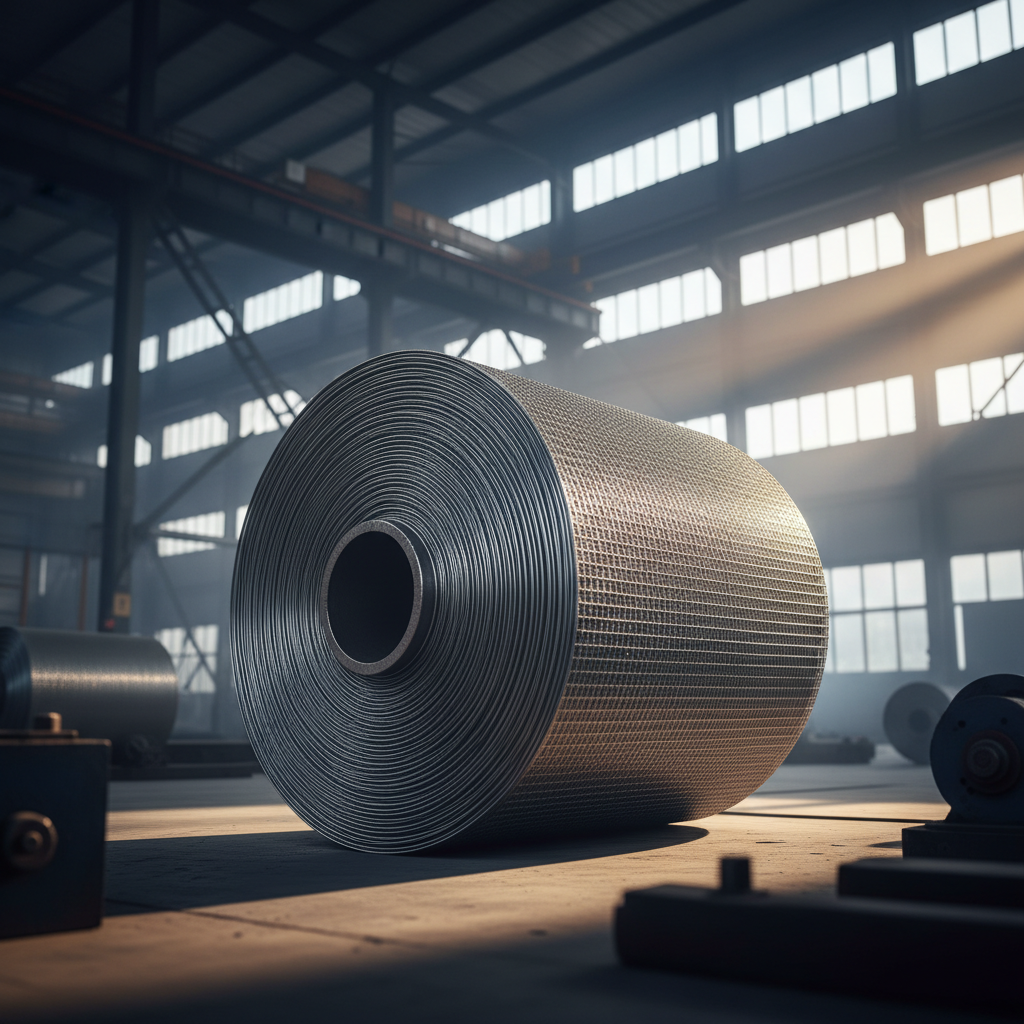
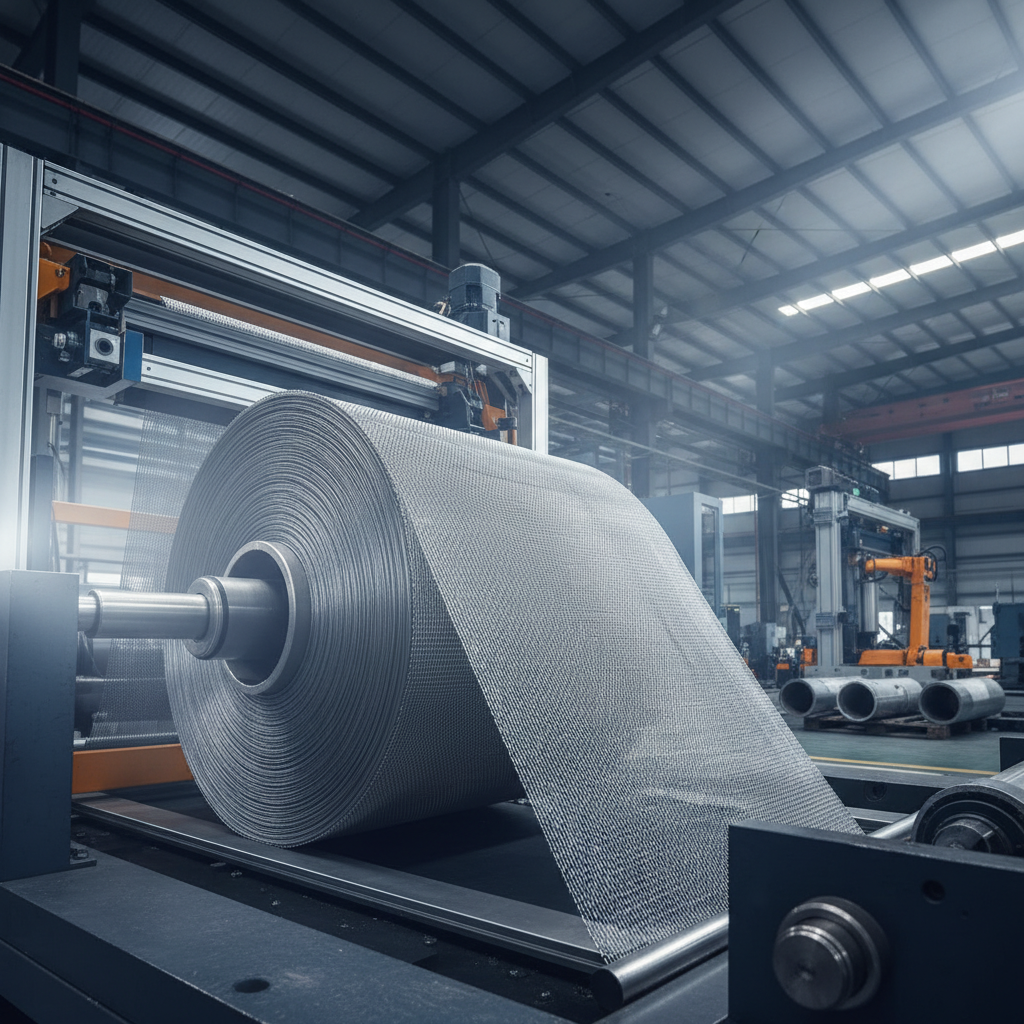
SS wire mesh screen, short for stainless steel wire mesh screen, is a versatile material used in a wide array of industrial, commercial, and residential applications. Known for its durability, corrosion resistance, and longevity, it's a crucial component in filtration, screening, security, and more. This article provides an in-depth look at SS wire mesh screen, covering its types, applications, benefits, and factors to consider when selecting the right mesh for your needs. You can explore a wide range of high-quality stainless steel wire mesh solutions at Stainless Metal Mesh.
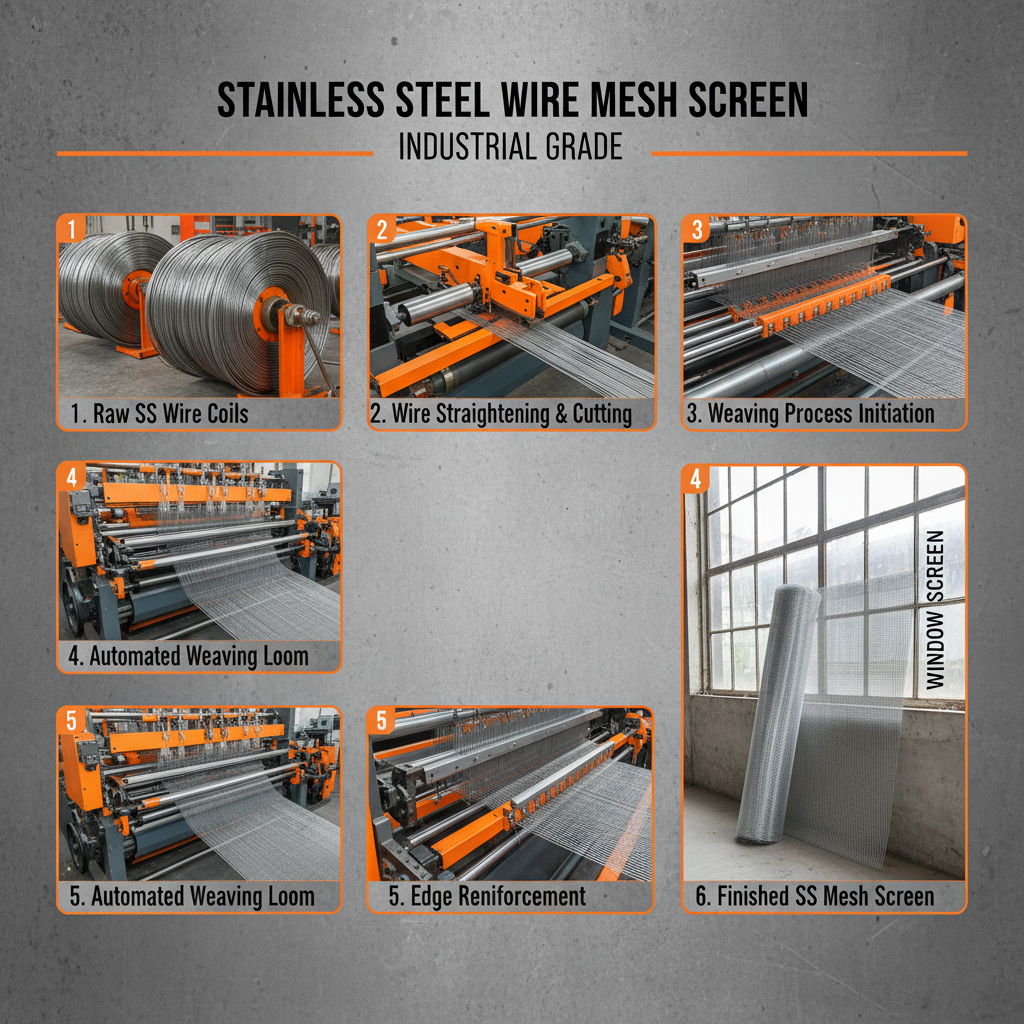
Types of SS Wire Mesh Screen
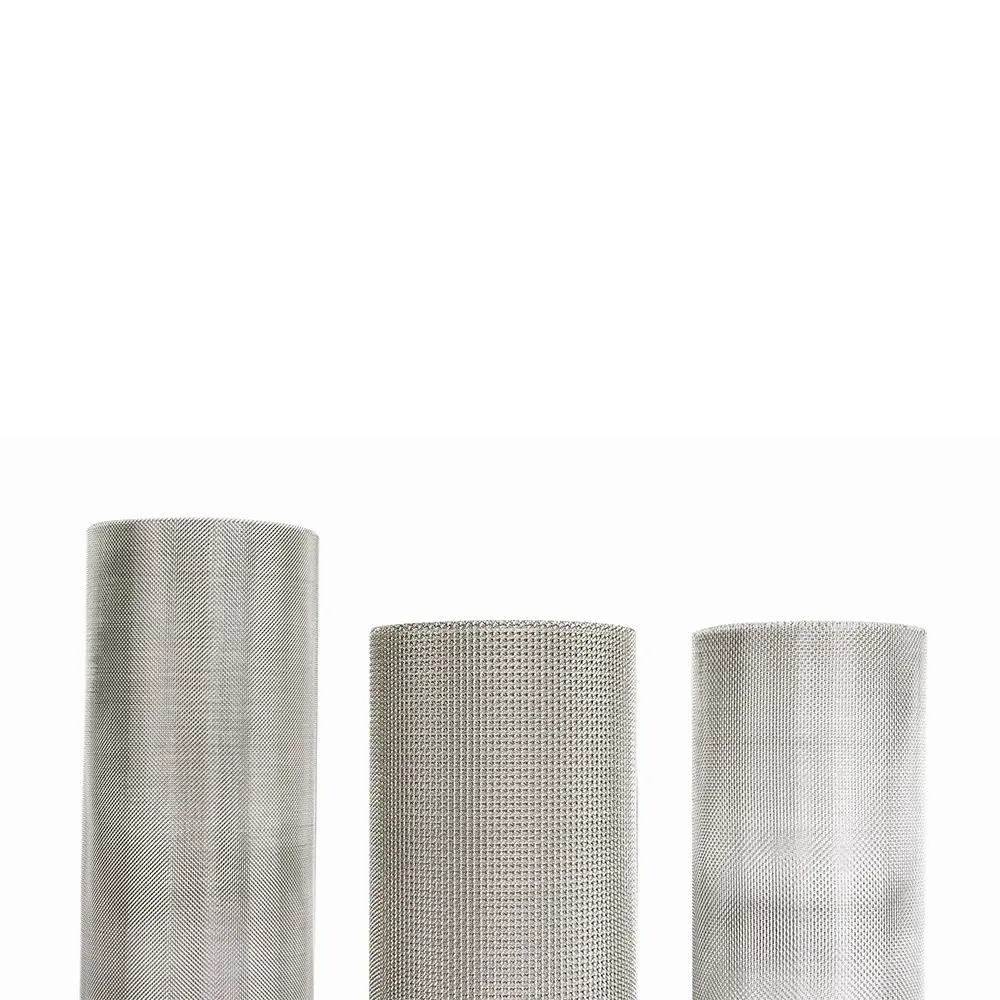
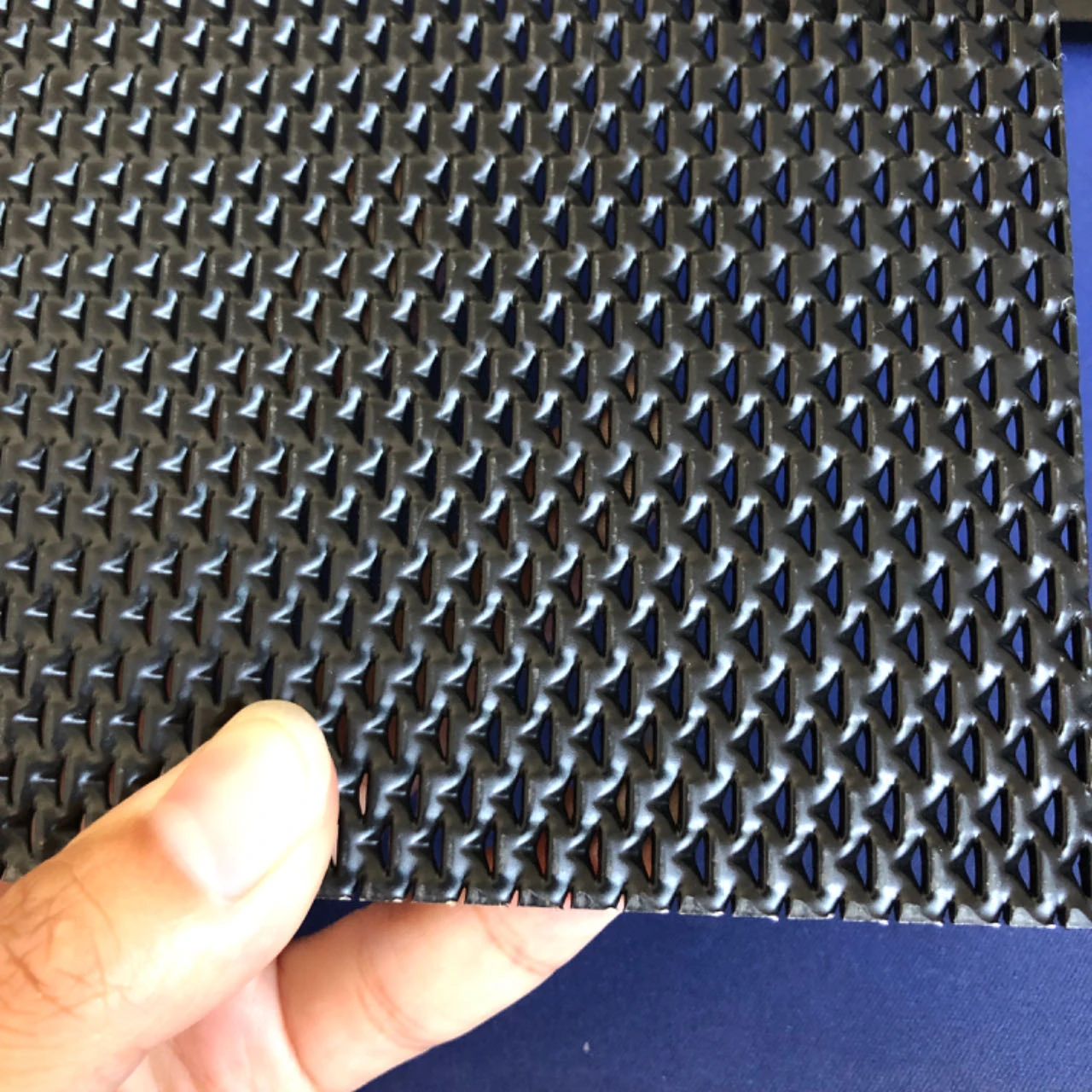
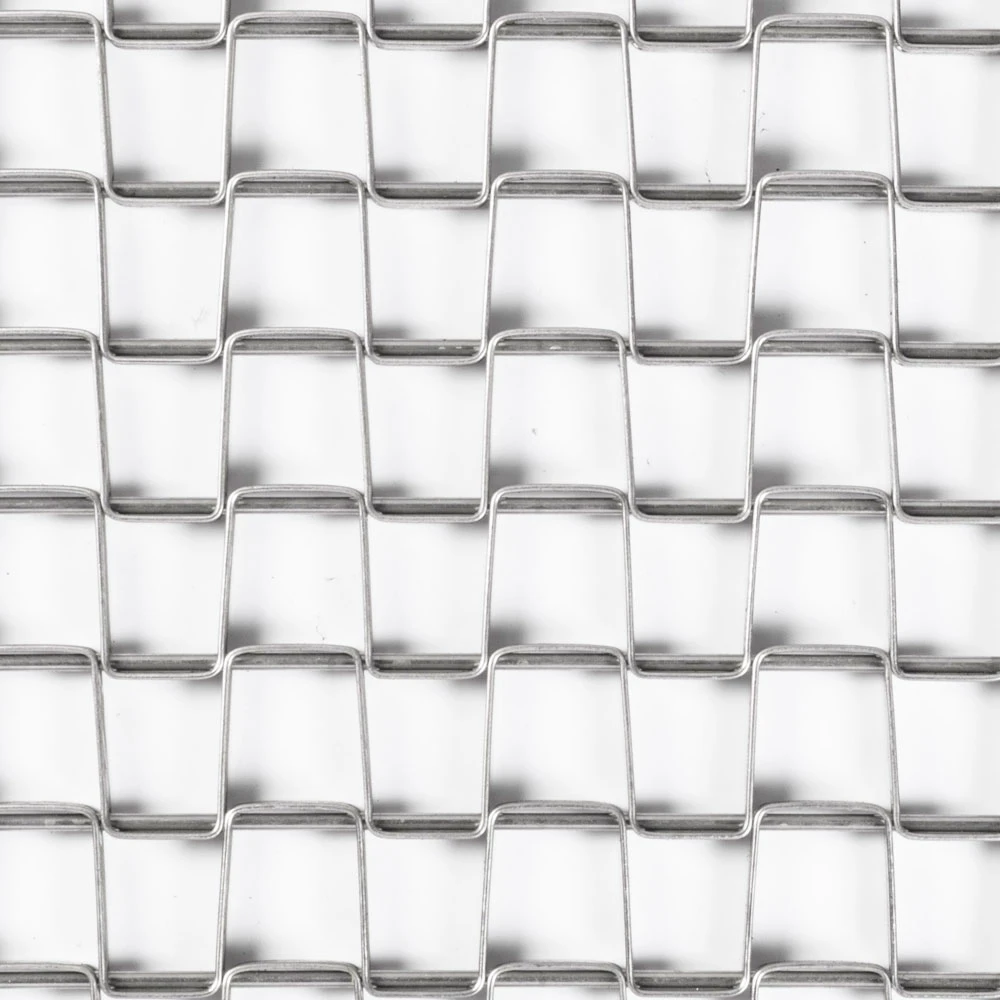
SS wire mesh screen isn’t a one-size-fits-all product. It comes in various weaves and materials, each suited to specific applications. Common weaves include plain weave, twill weave, Dutch weave, and reverse Dutch weave. The material is typically 304 or 316 stainless steel, with 316 offering superior corrosion resistance, particularly in marine environments. Choosing the correct weave and grade is vital for optimal performance and longevity.
Key Highlights: Different weaves offer varying levels of permeability and strength. 304 SS is versatile, while 316 SS excels in corrosive environments.
Applications of SS Wire Mesh Screen
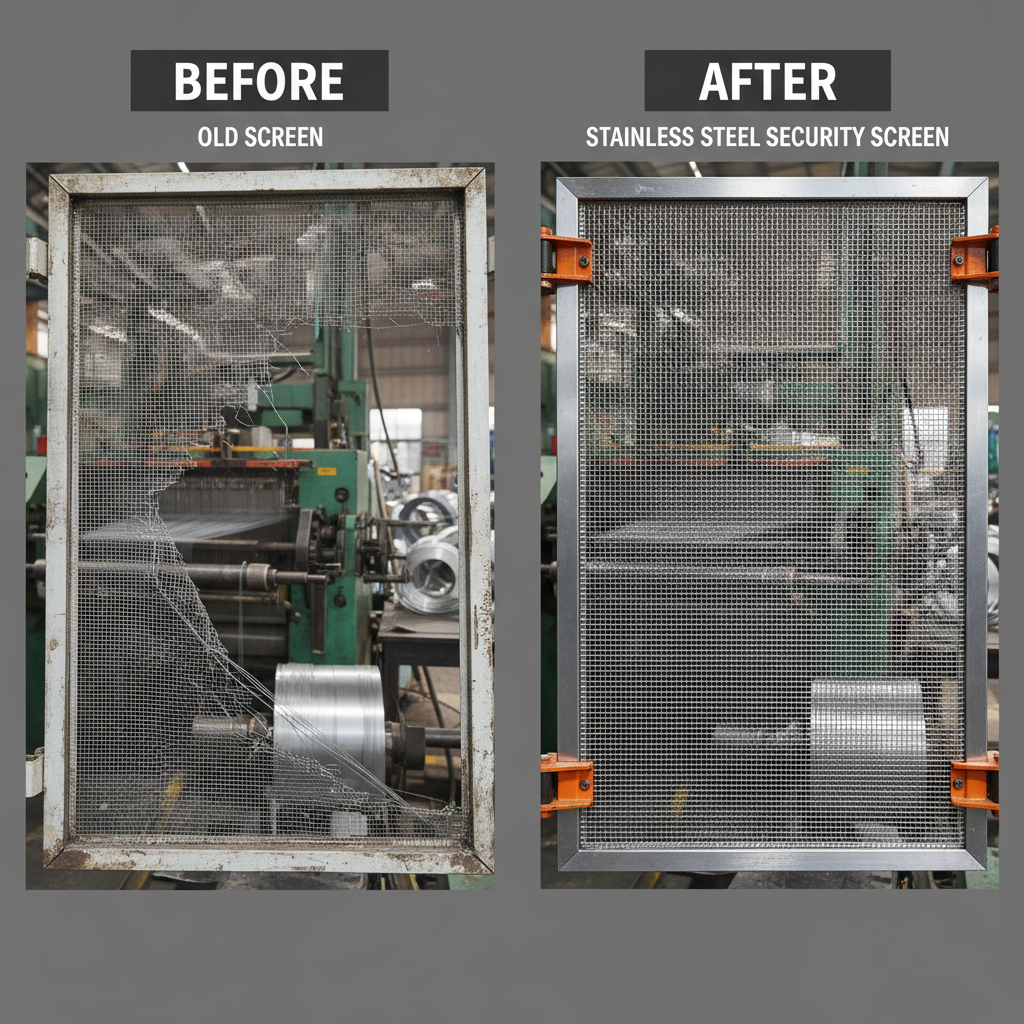
The versatility of SS wire mesh screen leads to its use in countless applications. Some prominent examples include filtration in food and beverage processing, safeguarding equipment in mining and quarrying, creating insect screens for residential windows and doors, and providing security barriers. Its resistance to high temperatures also makes it useful in exhaust systems and industrial furnaces. It is also used extensively in architectural applications for both aesthetic and functional purposes.
Application Examples:
• Filtration in food processing
• Security fencing and screens
• Insect screens for windows
• Industrial filtration systems
Choosing the Right SS Wire Mesh Screen: Key Considerations
Selecting the appropriate SS wire mesh screen requires careful consideration of several factors. These include the desired mesh count (wires per inch), the material grade (304 or 316), the weave type, the wire diameter, and the intended application. Higher mesh counts provide finer filtration but reduce permeability. The environment dictates the required corrosion resistance; 316 SS is crucial in harsh conditions. Understanding these parameters will ensure you choose a mesh that delivers optimal performance.
The Benefits of Using Stainless Steel Wire Mesh Screen
SS wire mesh screen offers numerous benefits over other materials. Its exceptional corrosion resistance ensures a long lifespan, even in harsh environments. It’s incredibly durable, capable of withstanding high temperatures and pressures. It is also easy to clean and maintain, and can be fabricated into various shapes and sizes. The inherent strength of stainless steel provides security and stability, making it ideal for applications where structural integrity is critical.
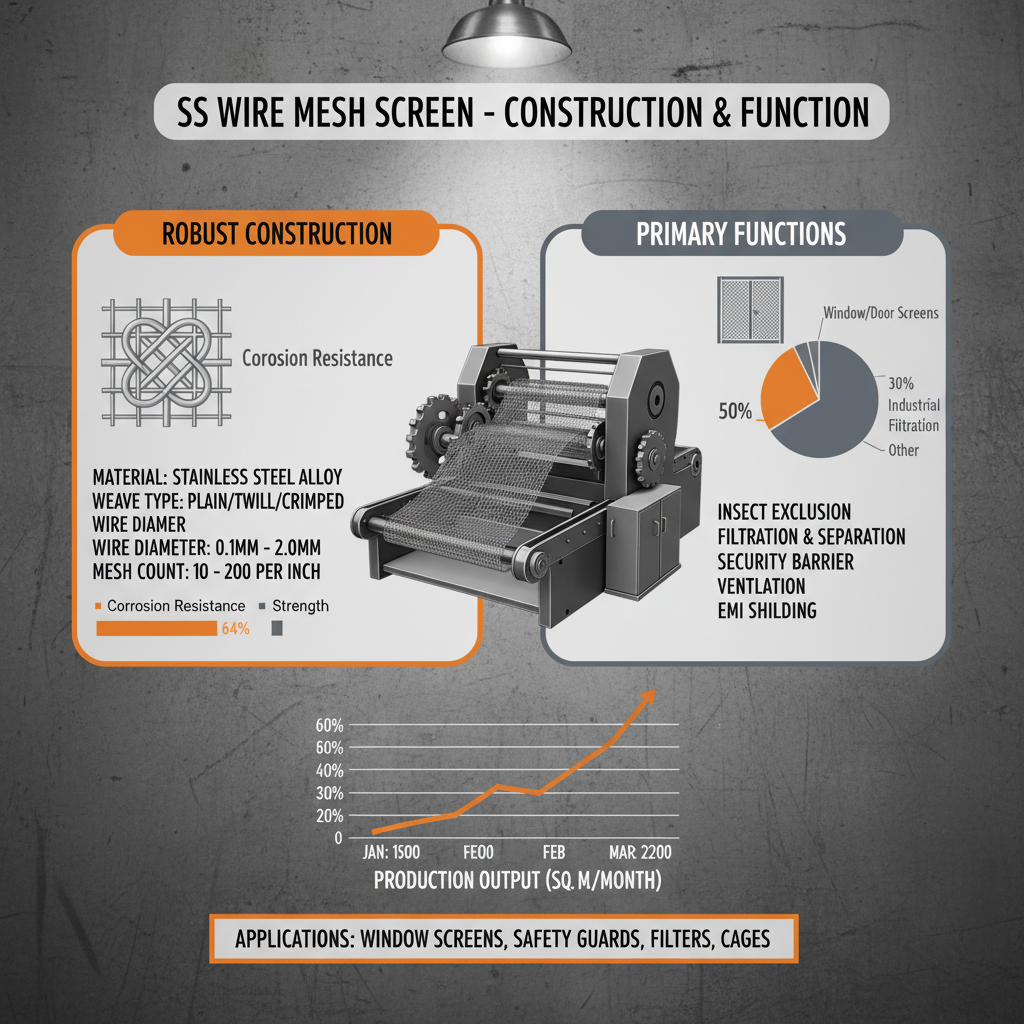
SS Wire Mesh Screen: Comparing Grades & Costs
While both 304 and 316 stainless steel are excellent choices, their cost and corrosion resistance differ. 304 is more affordable and suitable for general applications, while 316 offers superior resistance to chlorides and other corrosive elements, commanding a higher price. The cost is also influenced by the mesh count, weave type, and quantity ordered. Stainless Metal Mesh provides competitive pricing and tailored solutions to meet your budget.
Conclusion: Investing in Quality SS Wire Mesh
SS wire mesh screen is an essential material for a vast range of industries. Its durability, corrosion resistance, and versatility make it a cost-effective and reliable solution for numerous applications. By carefully considering your specific needs and selecting the appropriate grade, weave, and mesh count, you can ensure optimal performance and longevity. Explore the comprehensive selection of SS wire mesh screens at Stainless Metal Mesh to find the perfect solution for your project.
Frequently Asked Questions (FAQs)
What is the difference between 304 and 316 stainless steel wire mesh?
The primary difference lies in their corrosion resistance. 304 stainless steel is a general-purpose alloy offering good corrosion resistance in most environments. 316 stainless steel contains molybdenum, which significantly enhances its resistance to chlorides, making it ideal for marine environments, chemical processing, and applications involving salt exposure. While 316 is more expensive, it provides superior long-term durability in corrosive conditions.
How do I clean SS wire mesh screen?
Cleaning SS wire mesh screen depends on the type of contamination. For general cleaning, warm water and a mild detergent are usually sufficient. Avoid abrasive cleaners that could damage the mesh. For stubborn residue, you can use a specialized stainless steel cleaner. In some cases, ultrasonic cleaning may be effective. Always rinse thoroughly with clean water after cleaning.
Can SS wire mesh screen be cut to size?
Yes, SS wire mesh screen can be cut to size using various methods, including wire cutters, shears, or a laser cutter. However, it's important to use appropriate tools to avoid damaging the mesh. Cutting can sometimes leave sharp edges, so deburring or finishing may be necessary for safety. Many suppliers, like Stainless Metal Mesh, offer custom cutting services.
What are the common applications of Dutch weave wire mesh?
Dutch weave wire mesh is characterized by its high density and permeability. This makes it ideal for applications such as filtration in chemical processing, strainers, and vibration screens. It is commonly used in industries requiring efficient separation of solids from liquids or gases, offering a balance between filtration fineness and flow rate.
-
-
-
-
-
-
-
-
-
-
-
-
-
-
-
-