

Talk to Us
+86 13633281999
Email Address
ada@xingxinwiremesh.comComprehensive Guide to Wire Mesh Stainless Steel 316 Properties and Applications
Understanding Stainless Steel 316 Wire Mesh: Properties, Applications & More
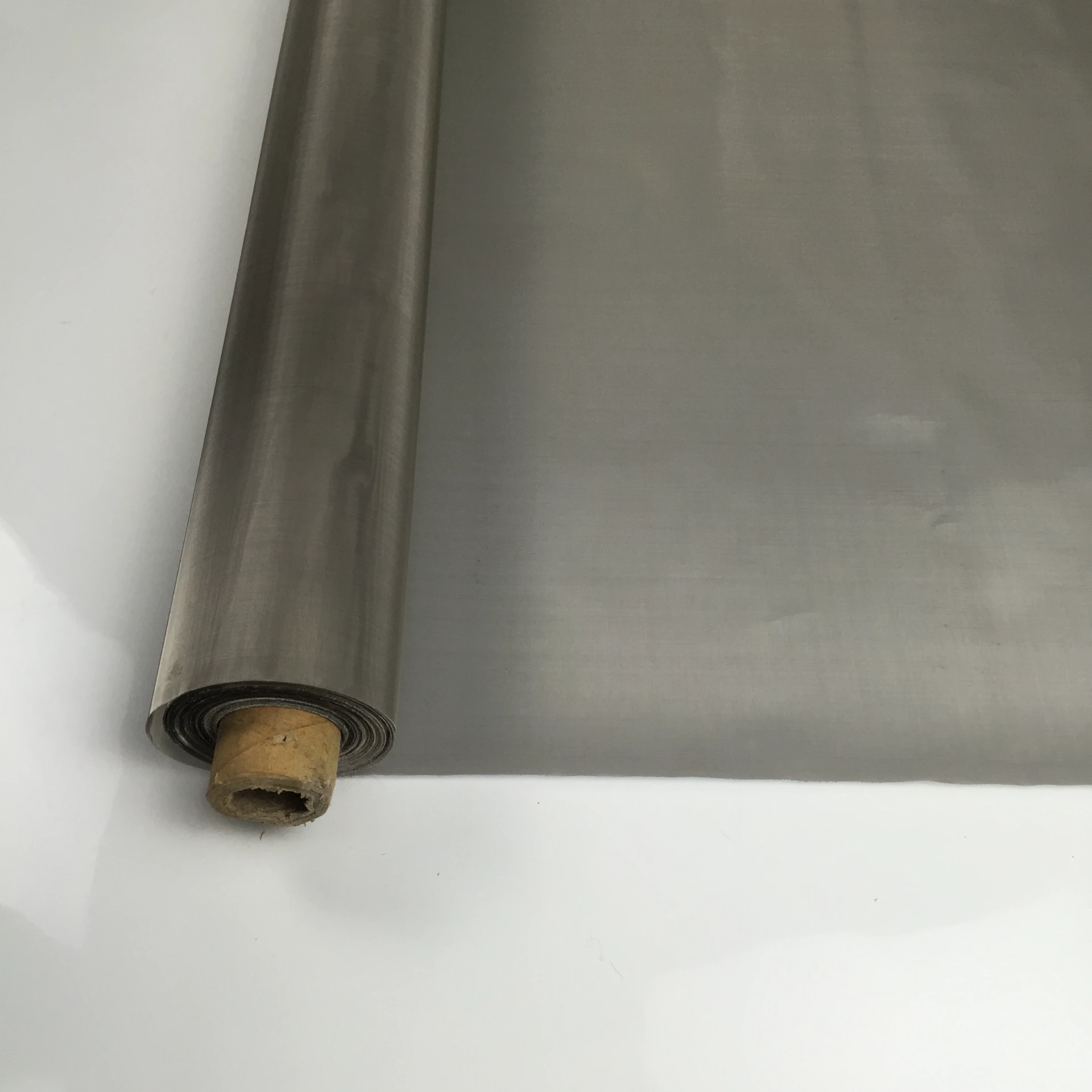
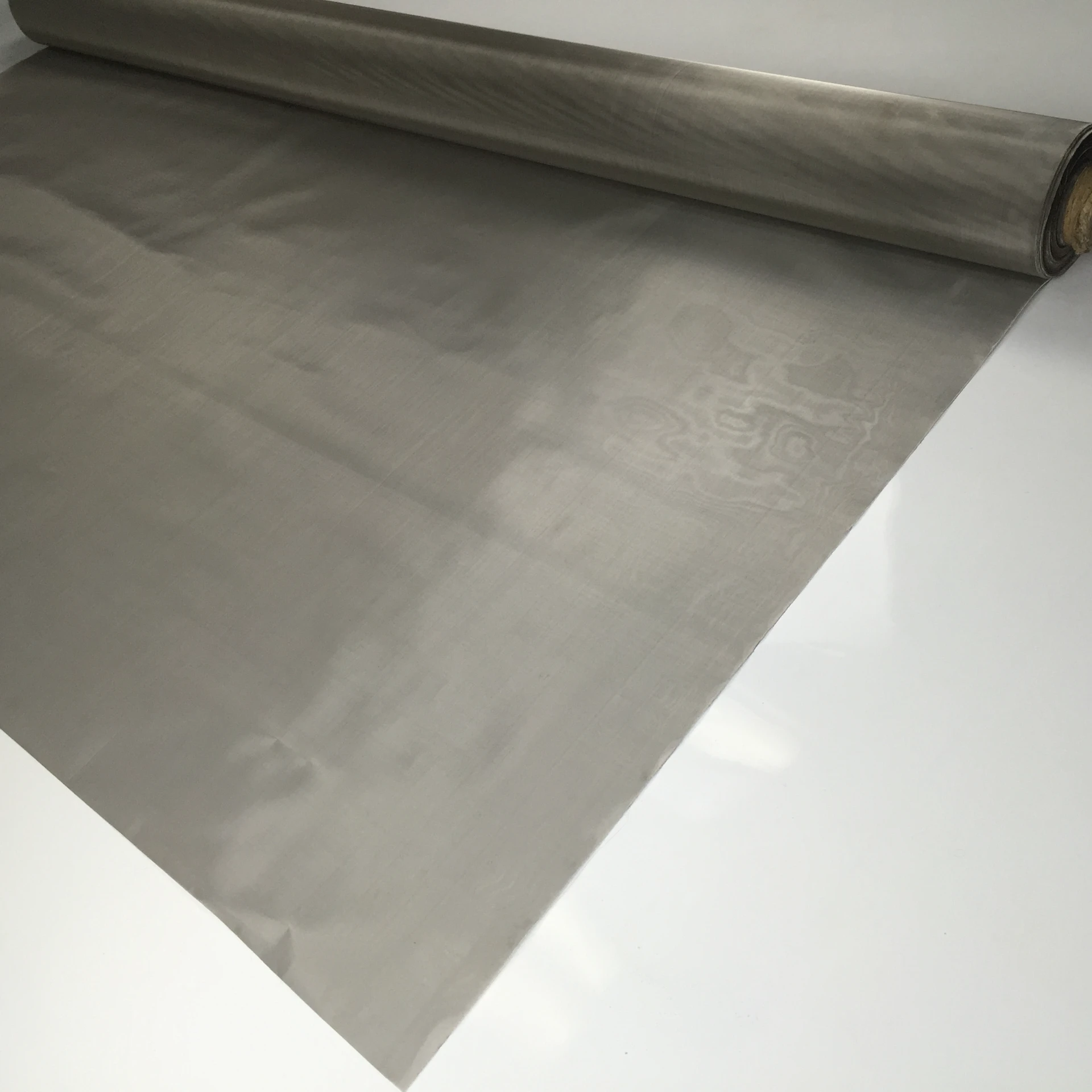
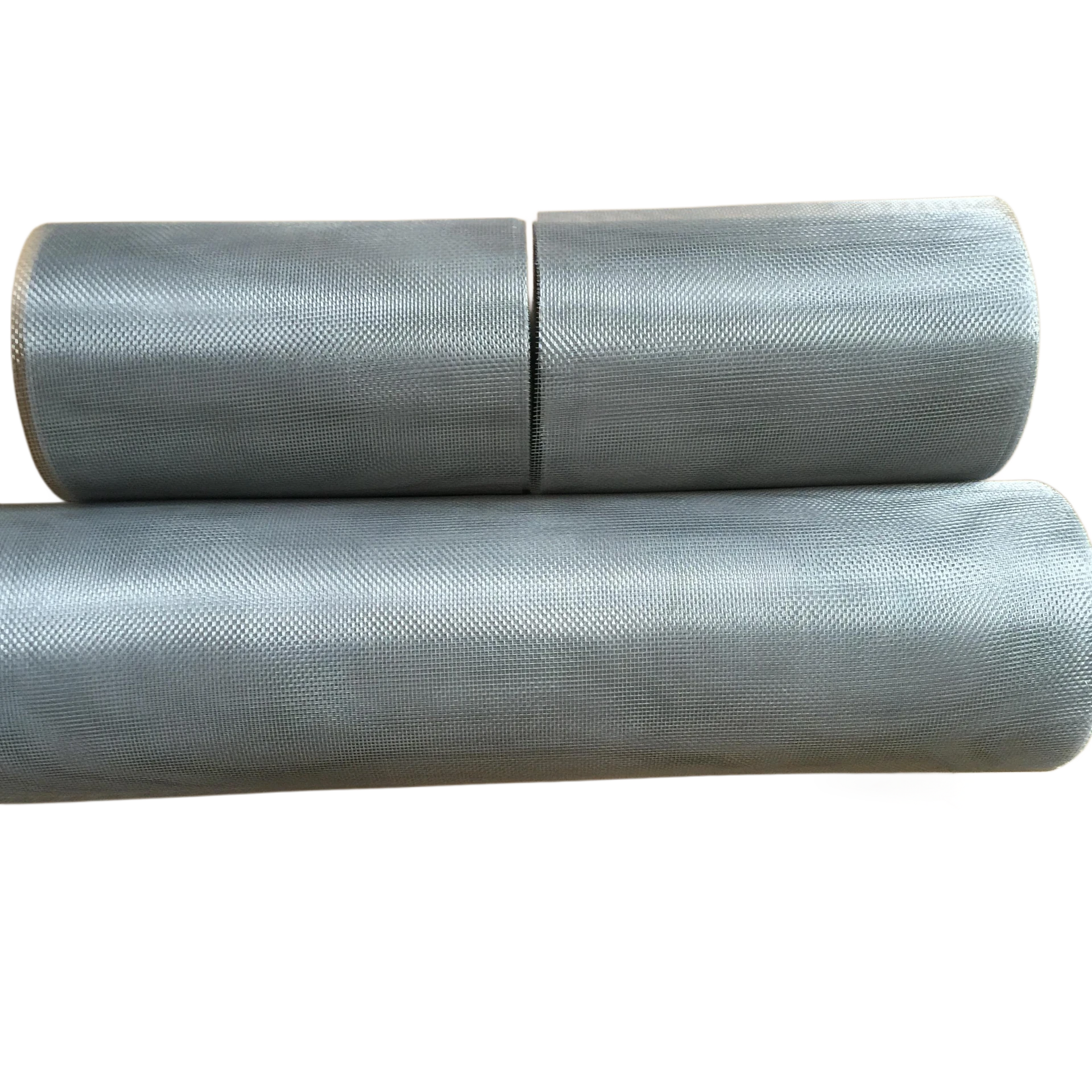
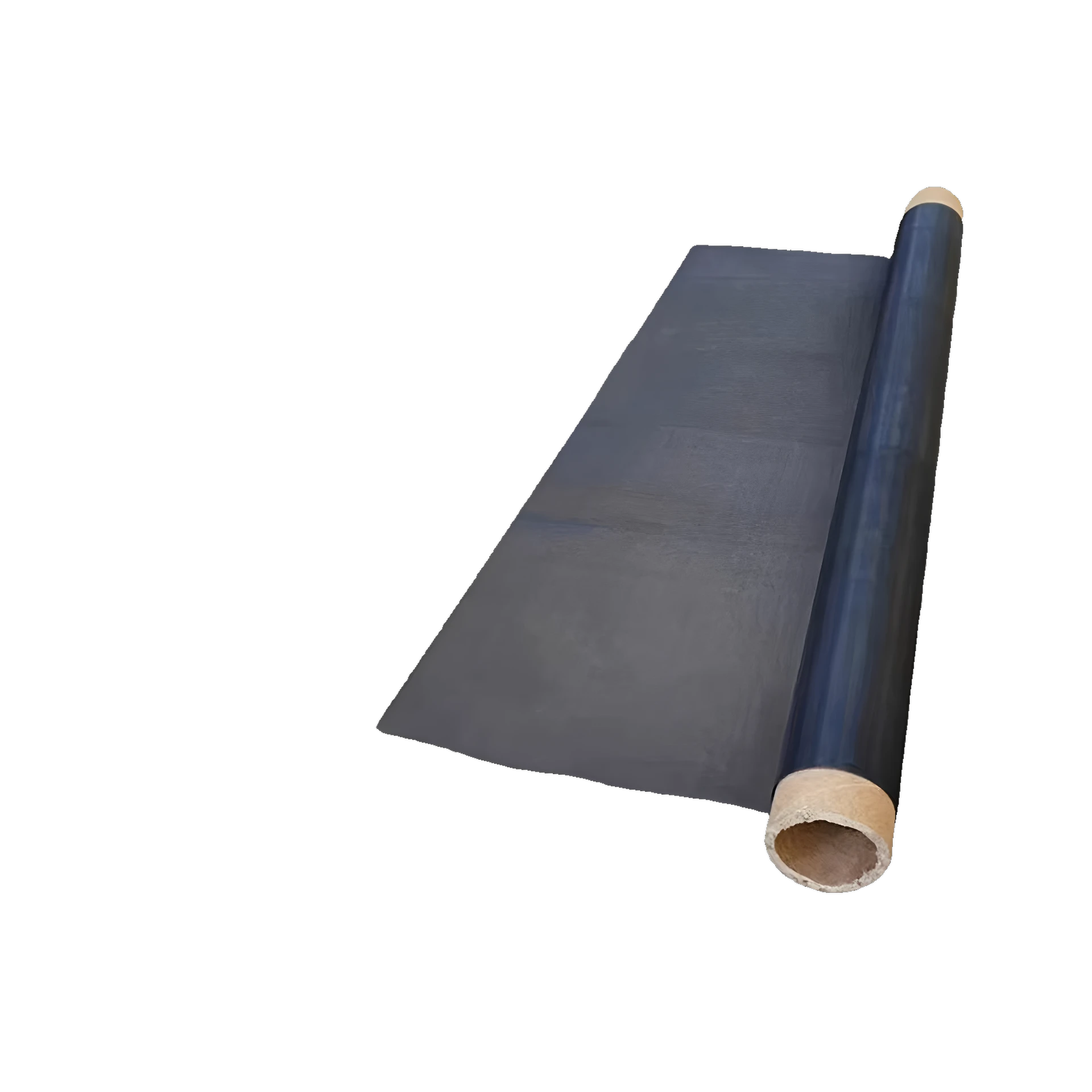
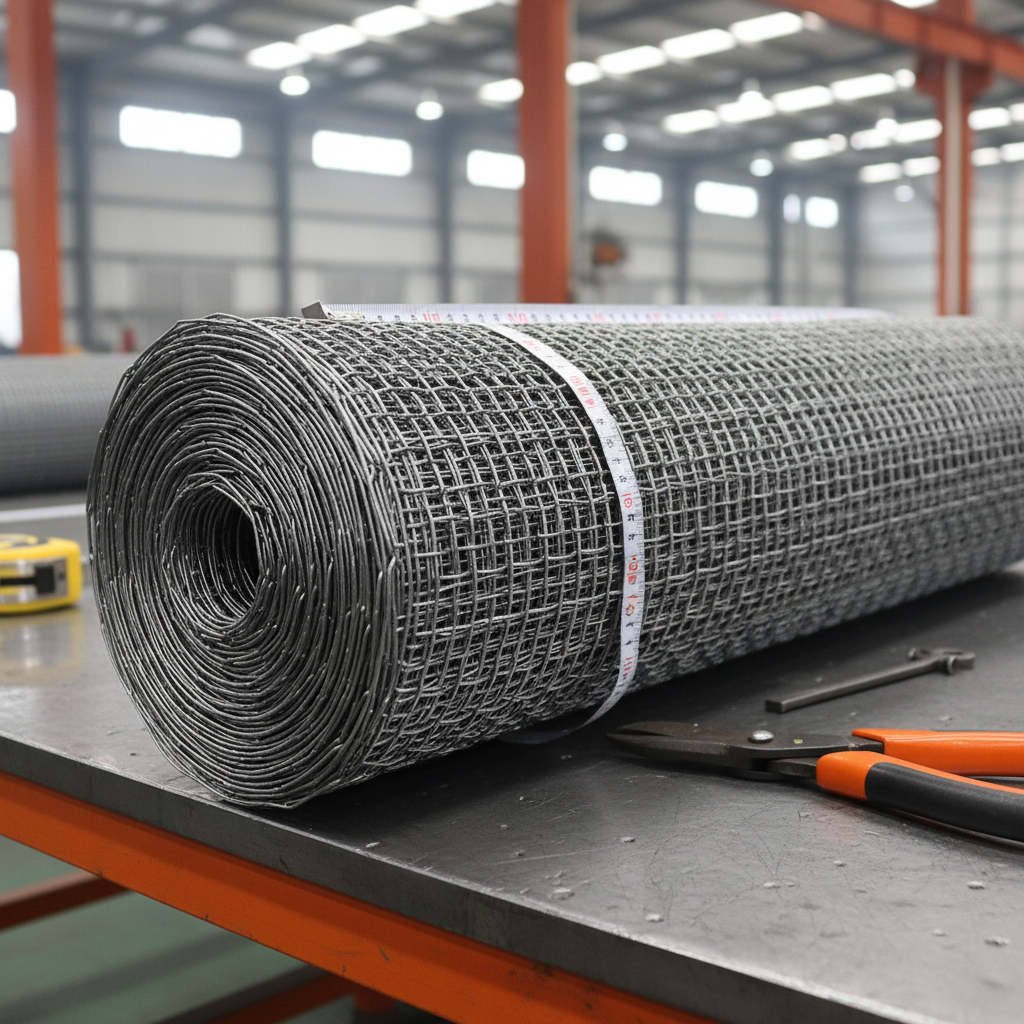
Stainless steel 316 wire mesh is a versatile material prized for its exceptional corrosion resistance, durability, and strength. Widely used across diverse industries – from marine engineering to food processing – its properties make it an ideal choice for demanding applications. This article will delve into the key characteristics of 316 stainless steel wire mesh, explore its common uses, and provide guidance on selecting the right mesh for your specific needs. Choosing the correct mesh ensures optimal performance and longevity.
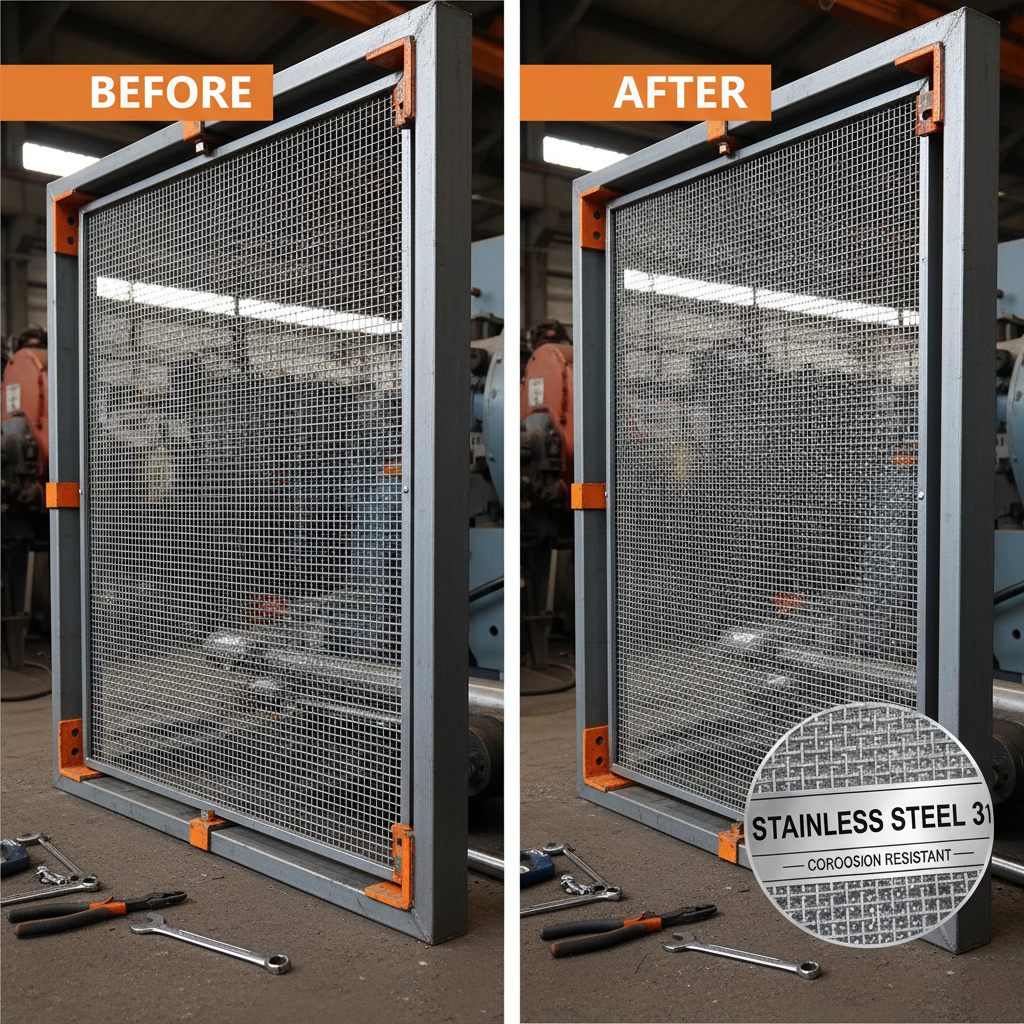
Key Properties of 316 Stainless Steel Wire Mesh
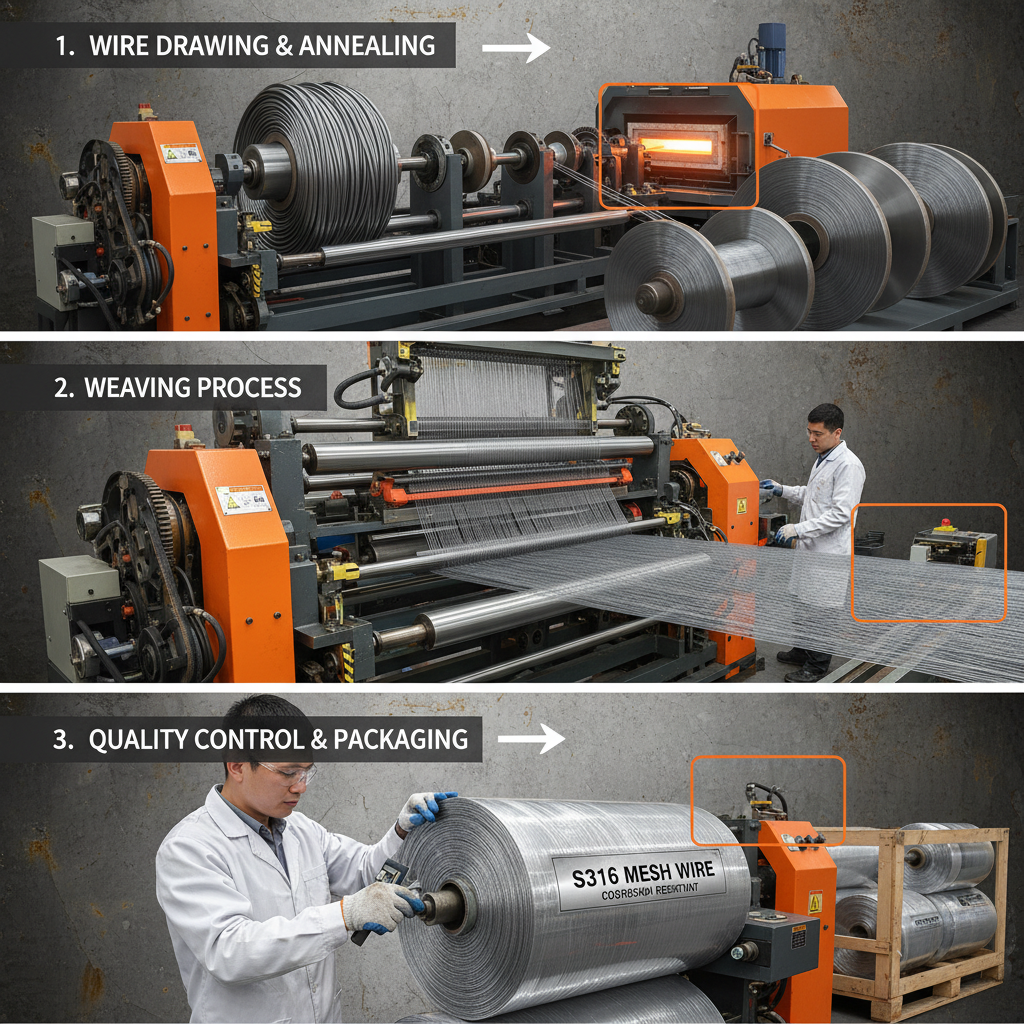
The superior performance of 316 stainless steel wire mesh stems from its unique chemical composition, which includes molybdenum. This addition significantly enhances its resistance to chlorides and other corrosive agents, making it particularly well-suited for marine environments. Beyond corrosion resistance, 316 stainless steel exhibits excellent tensile strength, ductility, and weldability. It maintains its mechanical properties over a wide temperature range, performing reliably in both extreme heat and cold. This makes it a practical choice for diverse and challenging applications.
Key Highlights: Exceptional corrosion resistance due to molybdenum content, high tensile strength, excellent ductility, and weldability.
Applications of Stainless Steel 316 Wire Mesh
The versatility of 316 stainless steel wire mesh translates into a broad range of applications. In the marine industry, it's used for ship hull protection, seawater strainers, and underwater screening. Food processing benefits from its hygienic properties, utilizing the mesh in filters, separators, and drying racks. The chemical processing industry leverages its corrosion resistance in filtration systems and catalyst supports. Additionally, it’s commonly found in architectural applications like safety screens, and in the pharmaceutical industry for filtering and sterilization. Exploring these applications showcases the significant utility of this material.
Key Application Areas:
• Marine Engineering (Ship hulls, Strainers)
• Food & Beverage Processing (Filters, Drying Racks)
• Chemical Processing (Filtration, Catalyst Supports)
• Pharmaceutical Industry (Filtering, Sterilization)
Comparing 316 Stainless Steel to Other Grades: Wire Mesh
While various stainless steel grades exist, 316 offers distinct advantages over others like 304. 304 stainless steel is more common and cost-effective, but it lacks the molybdenum content that provides 316’s superior chloride resistance. This makes 304 unsuitable for marine or chemically aggressive environments. 316L, a lower-carbon variant of 316, improves weldability but doesn't enhance corrosion resistance. Selecting the right grade depends heavily on the intended application and the level of corrosion exposure. Understanding these differences is crucial for making an informed decision.
Factors to Consider When Selecting 316 Stainless Steel Wire Mesh
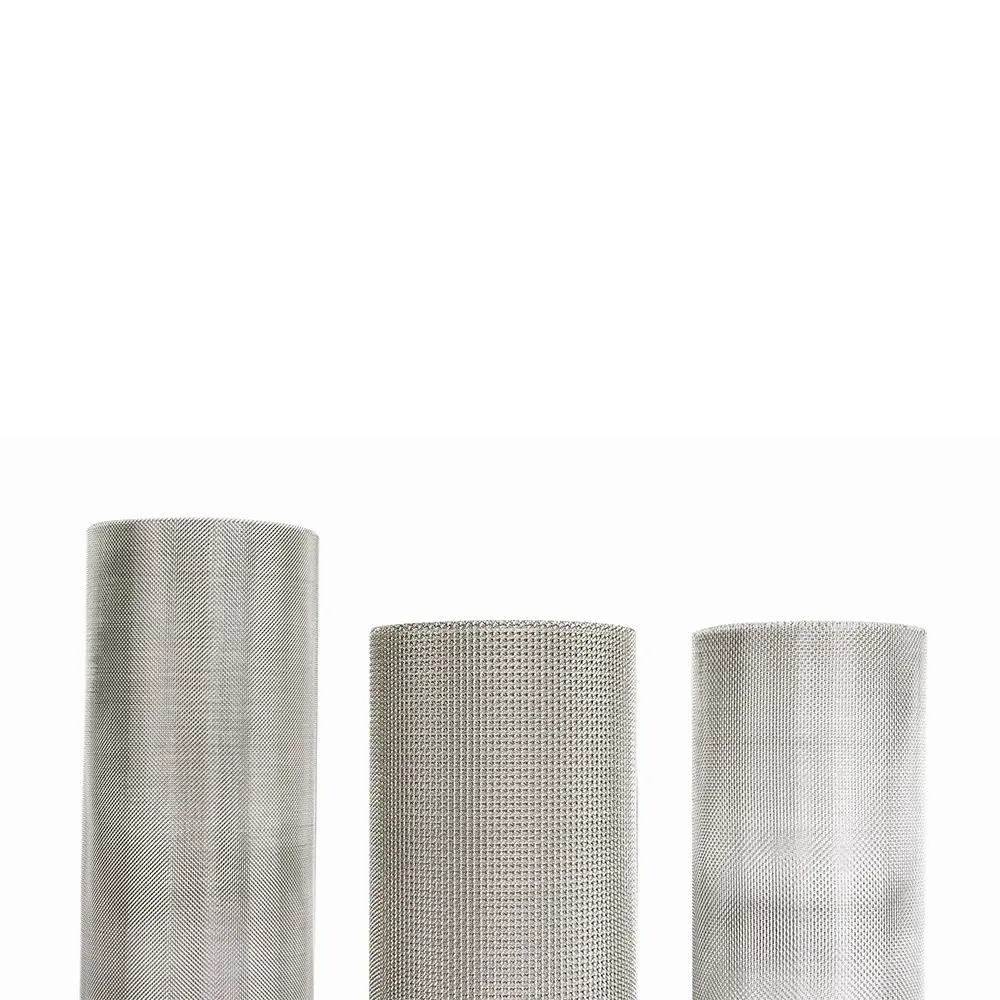
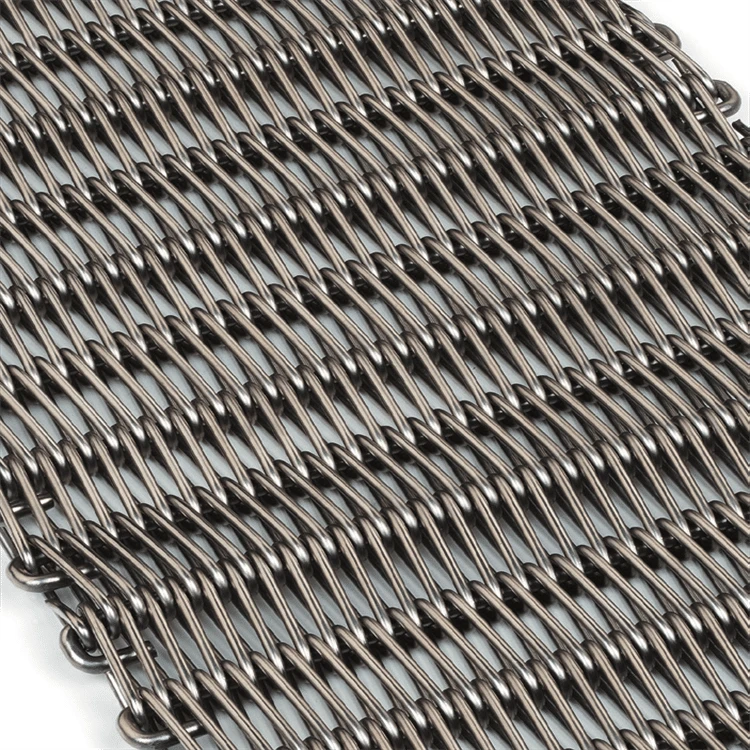
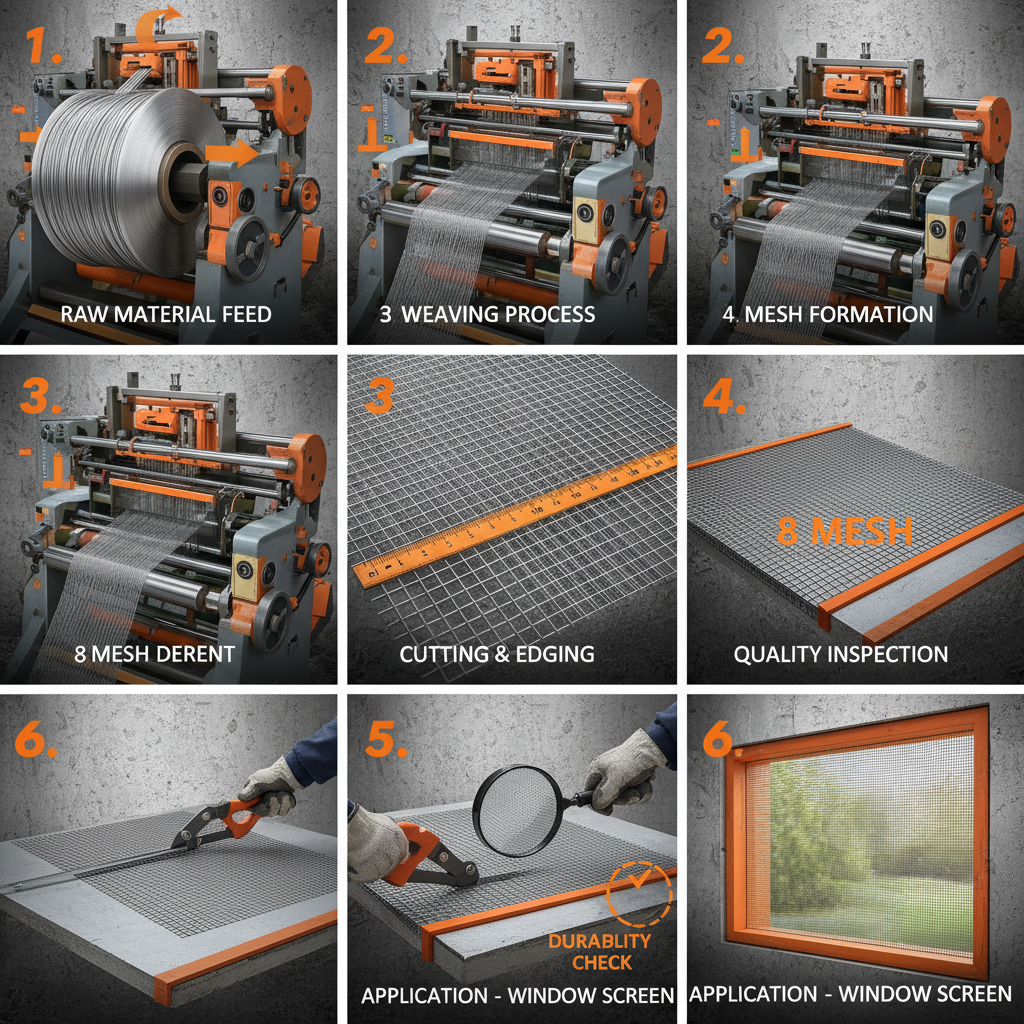
Choosing the correct 316 stainless steel wire mesh involves considering several key factors. Mesh count (wires per inch) determines the opening size and filtration precision. Wire diameter influences the strength and durability of the mesh. Weave type (e.g., plain weave, twill weave, dutch weave) affects the mesh's flexibility, permeability, and tensile strength. Finally, the intended application dictates the appropriate combination of these factors. Consulting with a supplier like Stainless Metal Mesh can help you pinpoint the ideal mesh specifications for your project.
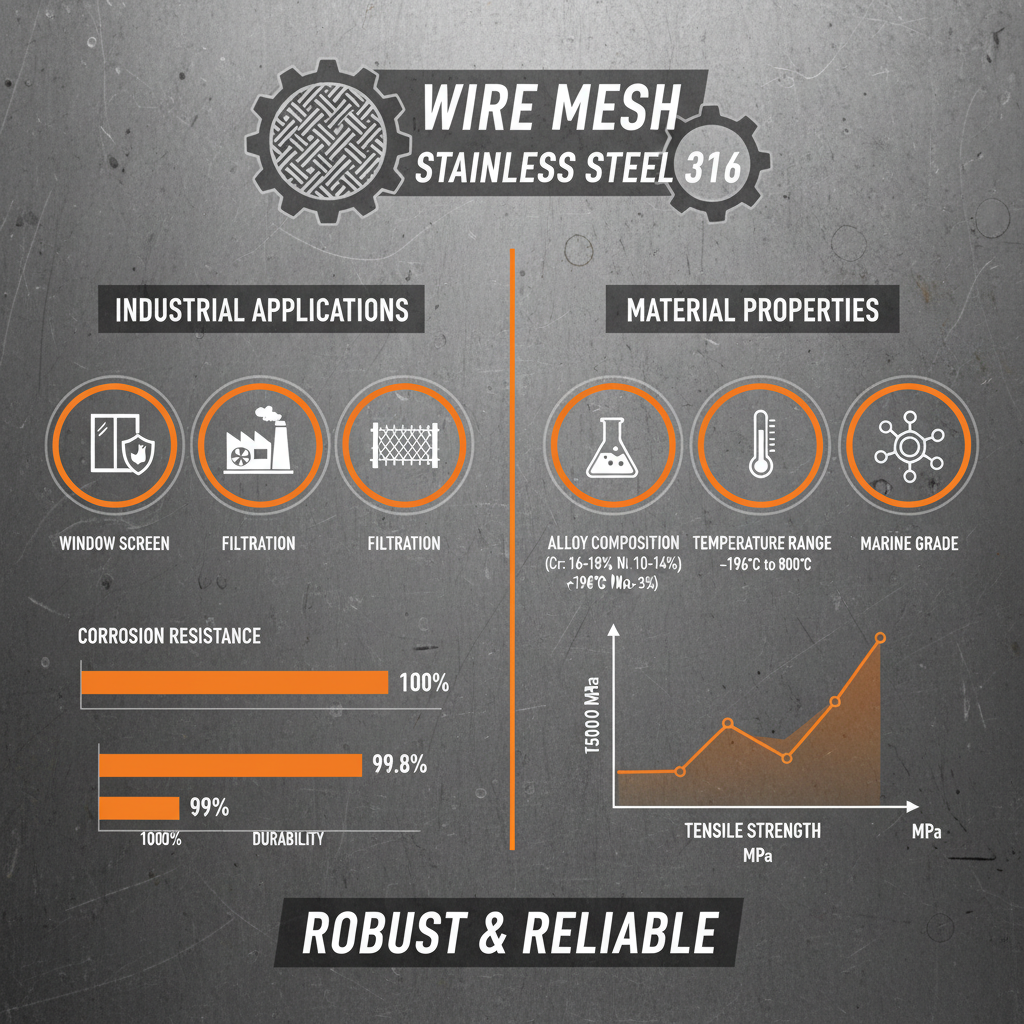
Product Specifications & Available Options
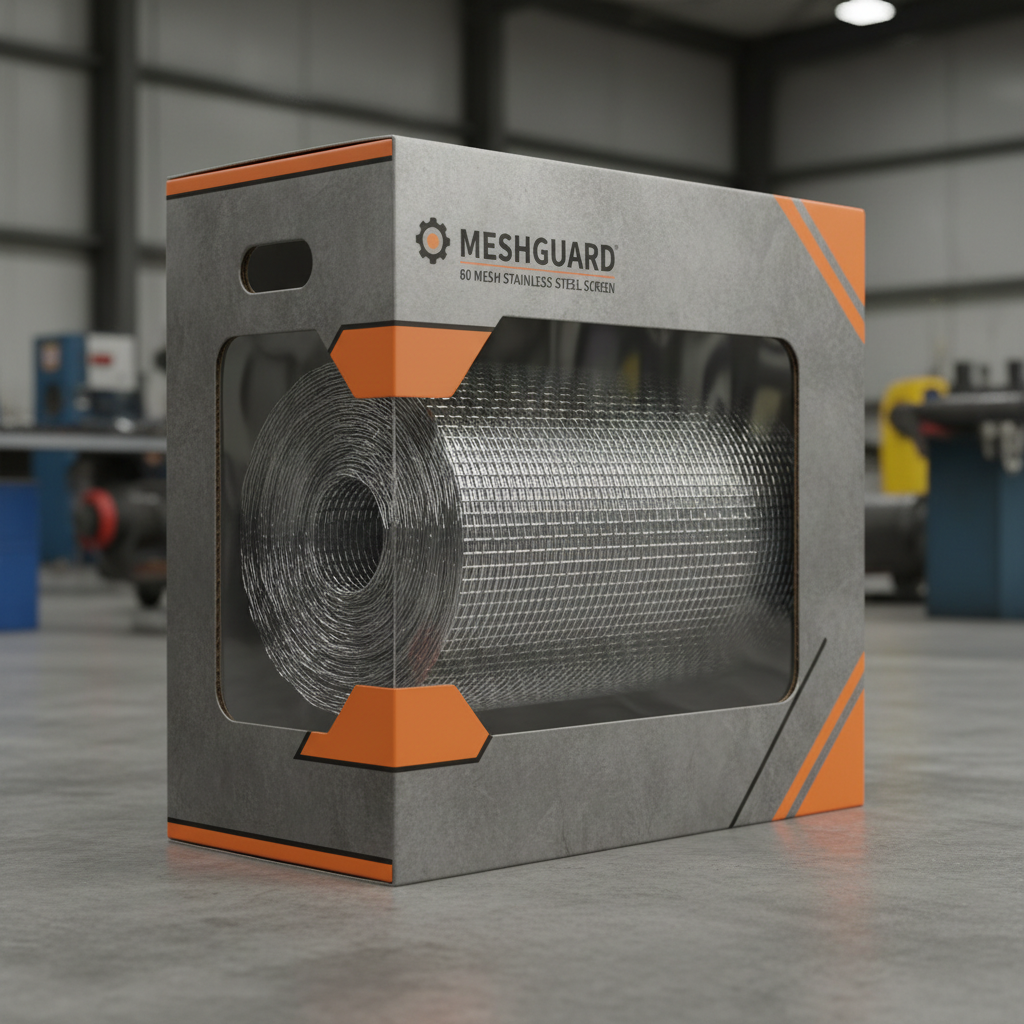
At Stainless Metal Mesh, we offer a wide range of 316 stainless steel wire mesh products tailored to meet diverse needs. Here's a summary of commonly available specifications:
Conclusion: Choosing the Right 316 Stainless Steel Wire Mesh
Selecting the correct 316 stainless steel wire mesh is crucial for optimal performance and longevity. Considering the application requirements, corrosion environment, and specific specifications like mesh count, wire diameter, and weave type is paramount. Stainless Metal Mesh provides high-quality, customizable solutions and expert guidance to ensure you find the perfect mesh for your needs.
Frequently Asked Questions (FAQs)
What are the key benefits of using 316 stainless steel wire mesh over other materials?
316 stainless steel offers superior corrosion resistance, particularly in chloride-rich environments, making it ideal for marine applications and chemical processing. Compared to carbon steel, it eliminates the risk of rust and degradation. While more expensive than aluminum, it provides significantly higher strength and durability. Its ability to withstand extreme temperatures and maintain its mechanical properties further sets it apart from many alternative materials. The longevity and reliability of 316 stainless steel often justify the initial investment, reducing long-term maintenance and replacement costs.
How do I determine the appropriate mesh count for my application?
The appropriate mesh count depends on the size of the particles you need to filter or retain. Higher mesh counts indicate smaller openings, suitable for fine filtration. Conversely, lower mesh counts have larger openings, appropriate for coarser materials. It’s crucial to consider the particle size distribution of the material being processed. If you’re unsure, it’s often best to test a sample of the material with different mesh counts to determine the optimal choice. Our team at Stainless Metal Mesh can help with material testing and recommendations.
Can 316 stainless steel wire mesh be welded?
Yes, 316 stainless steel is readily weldable, although proper welding techniques are essential to maintain its corrosion resistance. Using the appropriate welding consumables and employing methods that minimize heat input are crucial. Post-weld passivation treatments can further enhance corrosion resistance in the welded area. 316L stainless steel is even more weldable than standard 316 due to its lower carbon content.
What is the typical lead time for custom 316 stainless steel wire mesh orders?
Lead times for custom orders vary depending on the complexity of the specifications, the quantity required, and our current production schedule. Typically, standard custom orders can be fulfilled within 2-4 weeks. For larger or more complex orders, lead times may be longer. We strive to provide accurate lead time estimates at the time of order placement and will keep you informed of any changes.
-
-
-
-
-
-
-
-
-
-
-
-
-
-
-
-