

Talk to Us
+86 13633281999
Email Address
ada@xingxinwiremesh.comComprehensive Guide to SS 316 Wire Mesh Properties and Applications
Understanding SS 316 Wire Mesh: Properties, Applications, and Benefits
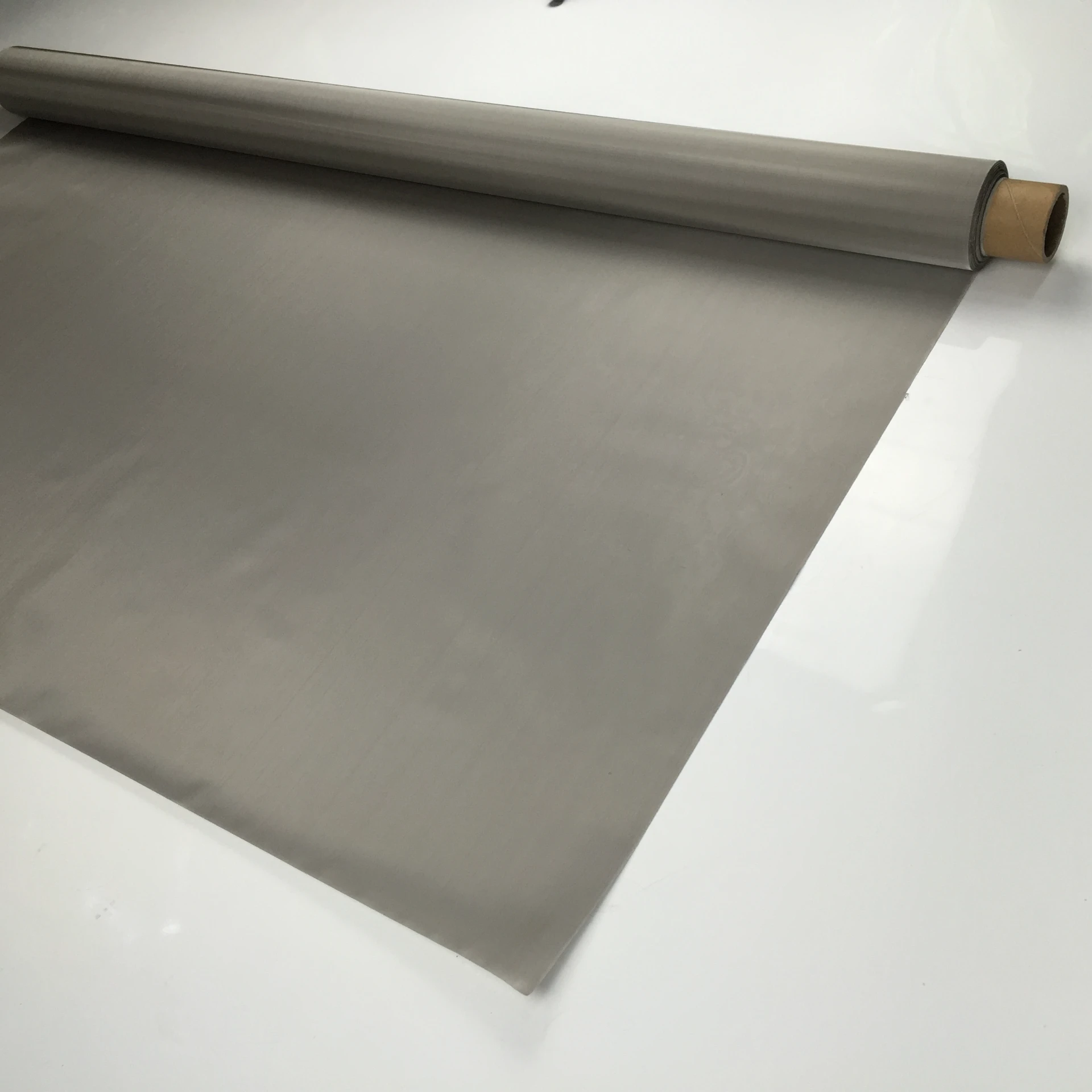
SS 316 wire mesh is a highly versatile and durable material widely used across numerous industries. Renowned for its exceptional corrosion resistance and strength, it's a preferred choice for applications requiring reliability in harsh environments. This article will delve into the properties, common applications, and key benefits of SS 316 wire mesh, providing a comprehensive guide for informed decision-making. Explore the robust capabilities of this material and discover why it’s a staple in various sectors. Learn more about our range of stainless steel wire mesh at Stainless Metal Mesh.
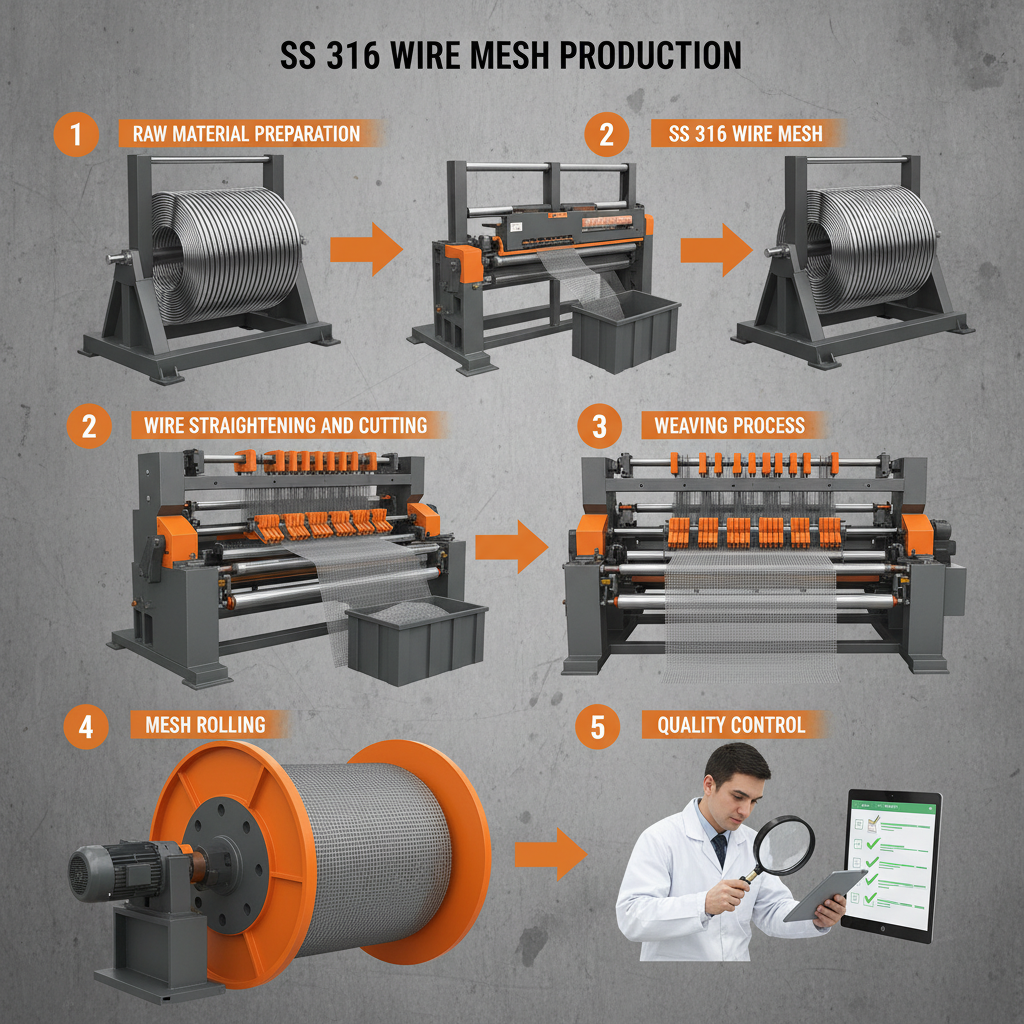
Key Properties of SS 316 Wire Mesh
SS 316 wire mesh owes its superior performance to its specific chemical composition, which includes molybdenum. This addition significantly enhances its resistance to chlorides and other corrosive elements. Key properties include: Excellent Corrosion Resistance – resists rust and degradation in marine and chemical environments; High Tensile Strength – able to withstand significant stress and strain; Durability – long-lasting performance with minimal maintenance; Versatility – can be woven into various mesh sizes and patterns; and Temperature Resistance – maintains its properties across a wide temperature range. These characteristics make SS 316 wire mesh ideal for demanding applications.
Key Highlights: SS 316 wire mesh is highly valued for its exceptional corrosion resistance, making it ideal for applications in harsh chemical and marine environments.
Applications of SS 316 Wire Mesh
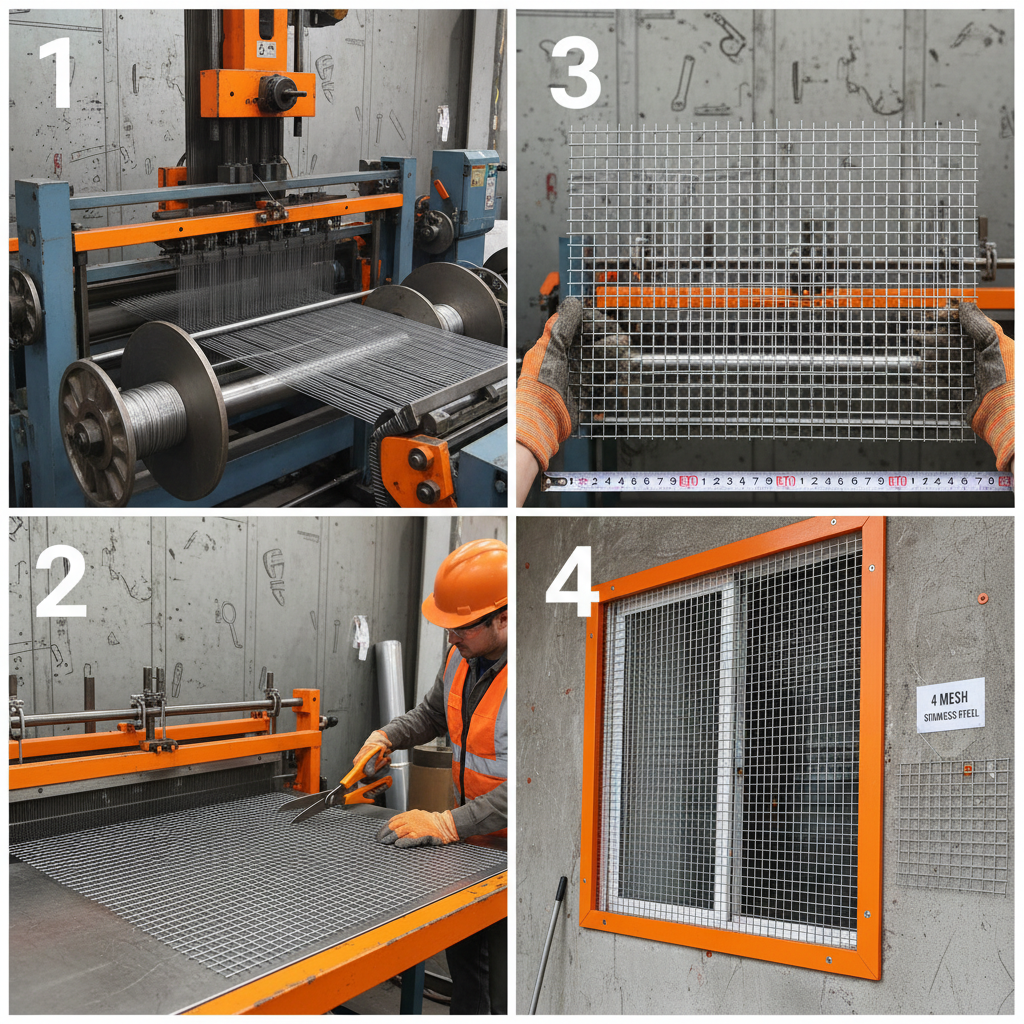
The versatile nature of SS 316 wire mesh lends itself to a wide array of applications. Common uses include: Filtration – for liquids and gases in chemical processing and water treatment; Security Screening – for protecting property and personnel; Architectural Applications – for facades, railings, and decorative elements; Industrial Processing – for sieving, separating, and sorting materials; and Marine Environments – for boat fittings, underwater cages, and offshore structures. The material’s resistance to corrosion and mechanical stress makes it a vital component in these diverse industries. You can find our solutions for various applications at Stainless Metal Mesh.
Application Benefits:
• Superior corrosion resistance ensures longevity.
• High strength provides structural integrity.
• Versatile for various industrial and commercial uses.
• Durable and requires minimal maintenance.
SS 316 vs. Other Stainless Steel Grades: A Comparison
While several stainless steel grades are available, SS 316 distinguishes itself with its enhanced corrosion resistance, particularly in chloride environments. Here’s a comparison:
Available Weave Patterns and Product Specifications
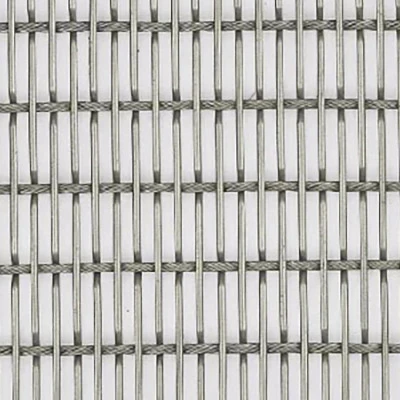
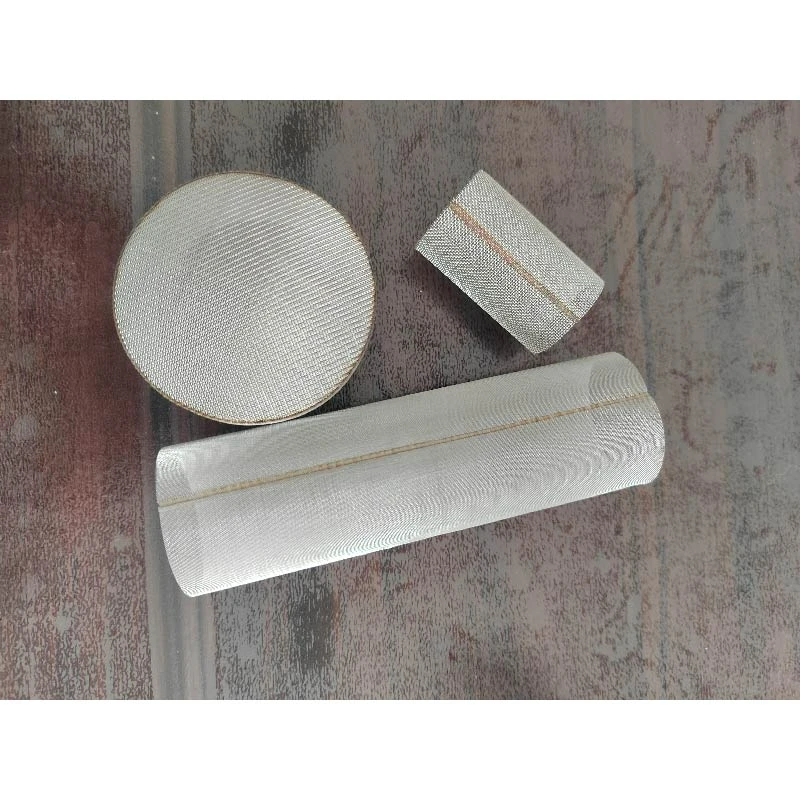
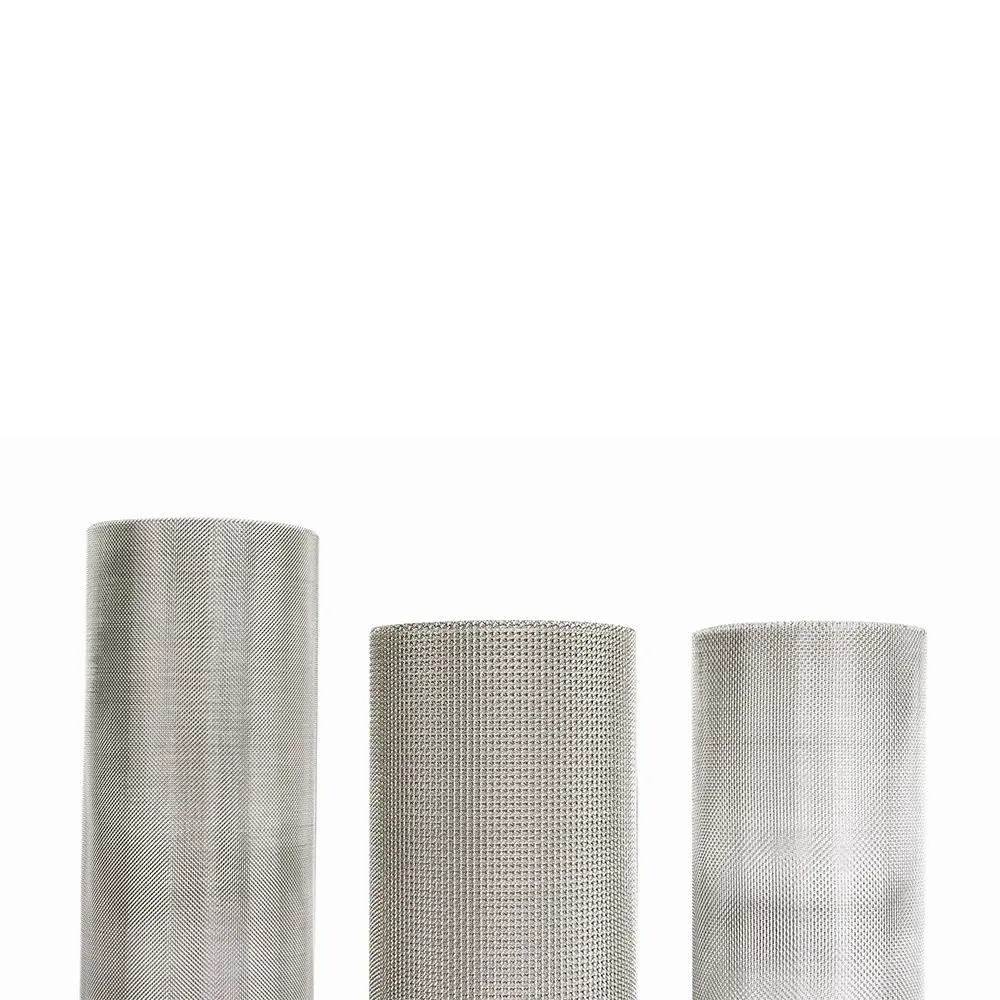
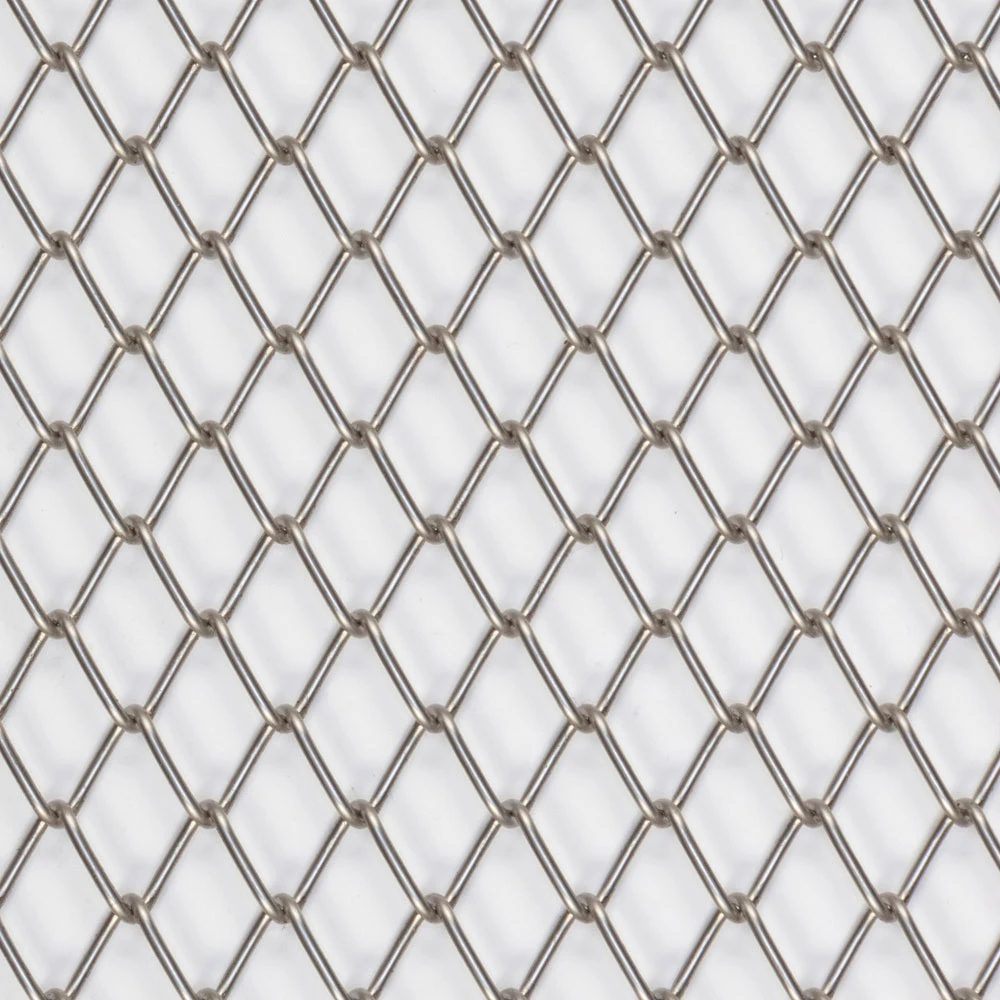
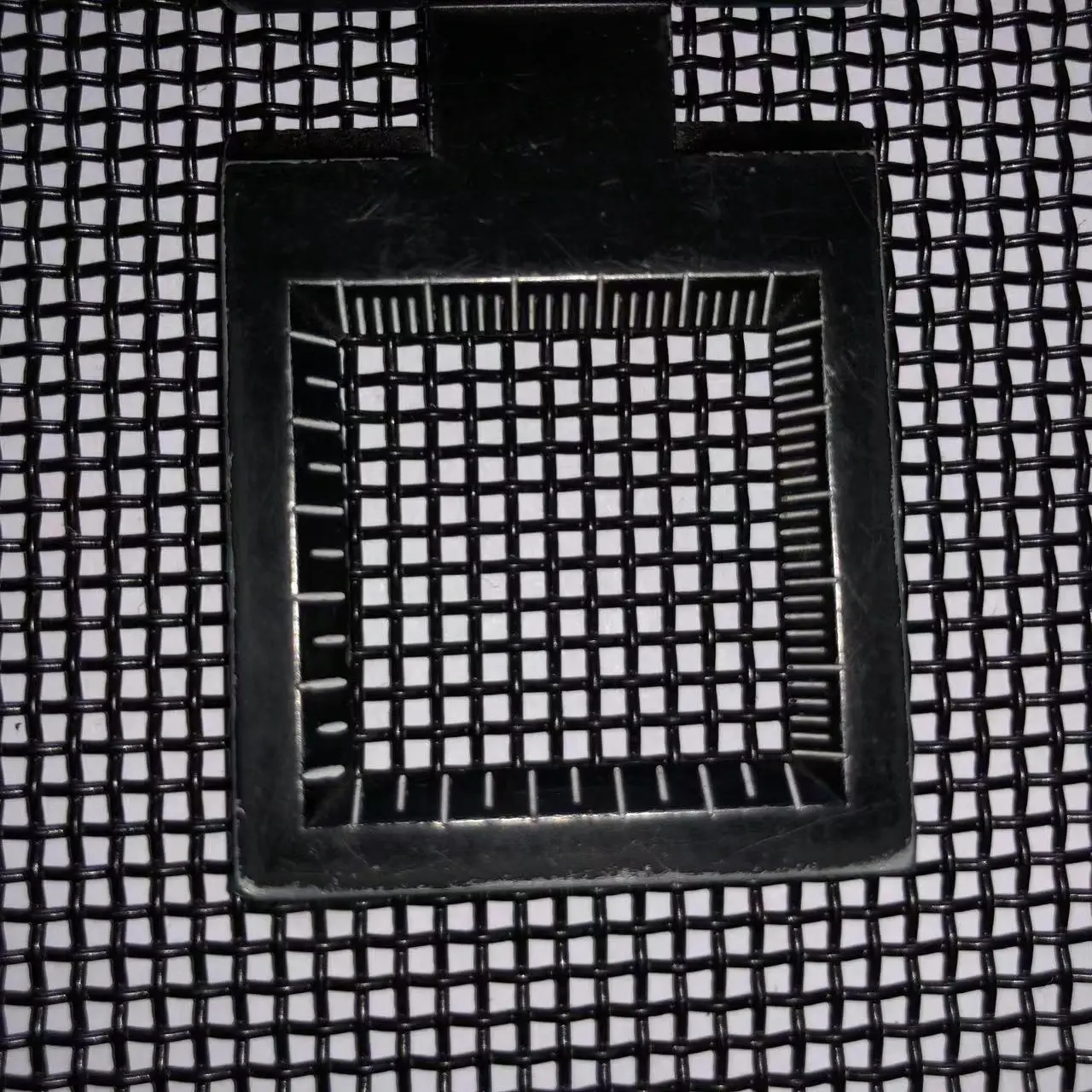
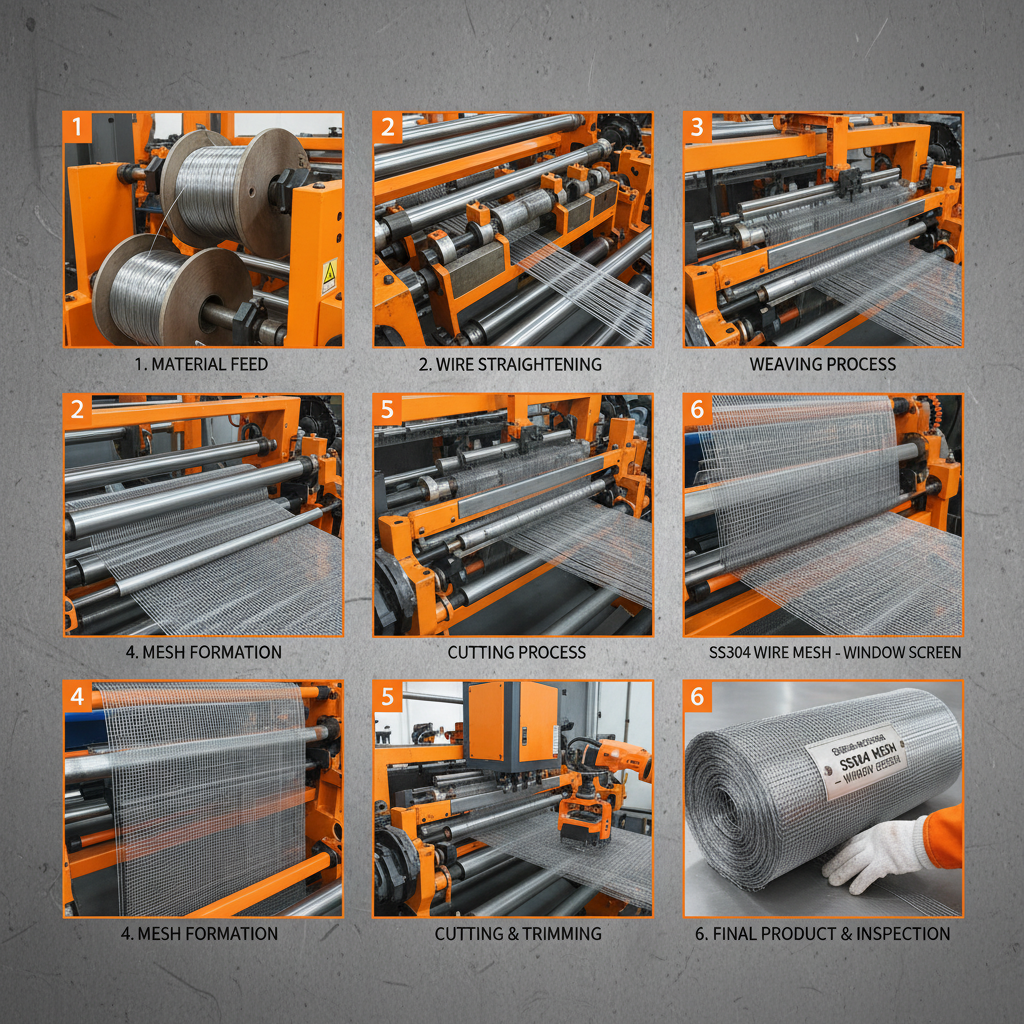
SS 316 wire mesh is available in various weave patterns, including plain weave, twill weave, Dutch weave, and reverse Dutch weave. Each weave offers unique characteristics suited for different applications. Here's a quick guide to some common specifications:
Conclusion: Choosing the Right SS 316 Wire Mesh
SS 316 wire mesh stands out as a premium material delivering exceptional corrosion resistance, durability, and versatility. It’s an ideal solution for a wide range of industrial, commercial, and marine applications. When selecting SS 316 wire mesh, consider the specific requirements of your project, including the weave pattern, wire diameter, and aperture size. Explore our comprehensive selection of high-quality SS 316 wire mesh at Stainless Metal Mesh and find the perfect solution for your needs.
Frequently Asked Questions (FAQs)
What makes SS 316 wire mesh superior to other stainless steel grades?
The addition of molybdenum in SS 316 significantly enhances its corrosion resistance, particularly in chloride-rich environments like seawater. This makes it ideal for marine applications and chemical processing, where other grades like SS 304 may corrode more readily. The increased molybdenum content contributes to the formation of a more stable passive layer on the metal surface, protecting it from attack by corrosive agents. Choosing SS 316 offers long-term durability and reduced maintenance costs in challenging environments.
What are the common weave patterns available for SS 316 wire mesh?
Common weave patterns include plain weave, twill weave, Dutch weave, and reverse Dutch weave. Plain weave is the simplest and most common, offering good stability. Twill weave provides a tighter weave and increased strength. Dutch weave features alternating warp and weft wires, creating a larger opening for greater flow. Reverse Dutch weave is similar but with the wire thicknesses reversed. The choice of weave pattern depends on the specific application and the desired properties like permeability and strength.
How do I determine the appropriate mesh size for my application?
The appropriate mesh size depends on the particle size you need to filter or separate. Mesh size is typically measured in terms of the number of openings per inch. A higher mesh count indicates smaller openings. To determine the correct mesh size, you should know the size of the particles you want to retain or pass through the mesh. It’s often recommended to choose a mesh size slightly smaller than the particle size to ensure effective separation. Contact us at Stainless Metal Mesh for assistance in selecting the optimal mesh size.
Is SS 316 wire mesh suitable for food processing applications?
Yes, SS 316 wire mesh is widely used in food processing applications due to its excellent corrosion resistance, hygienic properties, and ability to withstand repeated cleaning. It’s non-toxic and doesn’t leach harmful substances into food products. However, it’s essential to ensure the mesh is properly cleaned and maintained to prevent bacterial growth. Stainless Metal Mesh offers food-grade SS 316 wire mesh specifically designed for these applications.
-
-
-
-
-
-
-
-
-
-
-
-
-
-
-
-