

Talk to Us
+86 13633281999
Email Address
ada@xingxinwiremesh.comComprehensive Guide to 325 Mesh Stainless Steel Screen Applications and Benefits
Understanding 325 Mesh Stainless Steel Screen: Applications and Benefits
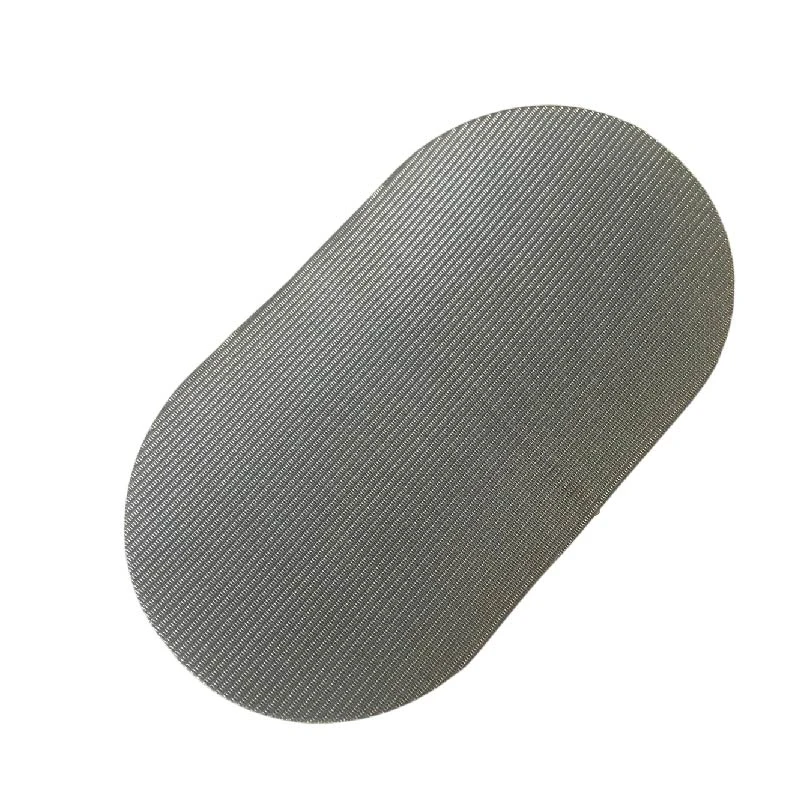
325 mesh stainless steel screen is a versatile material used across numerous industries. Its fine weave provides excellent filtration, separation, and protection. This article will explore the key characteristics of this mesh, its diverse applications, and why choosing a quality supplier like Stainless Metal Mesh is crucial. We’ll delve into its corrosion resistance, durability, and cost-effectiveness, making it an ideal solution for many challenging environments.
What Defines 325 Mesh?
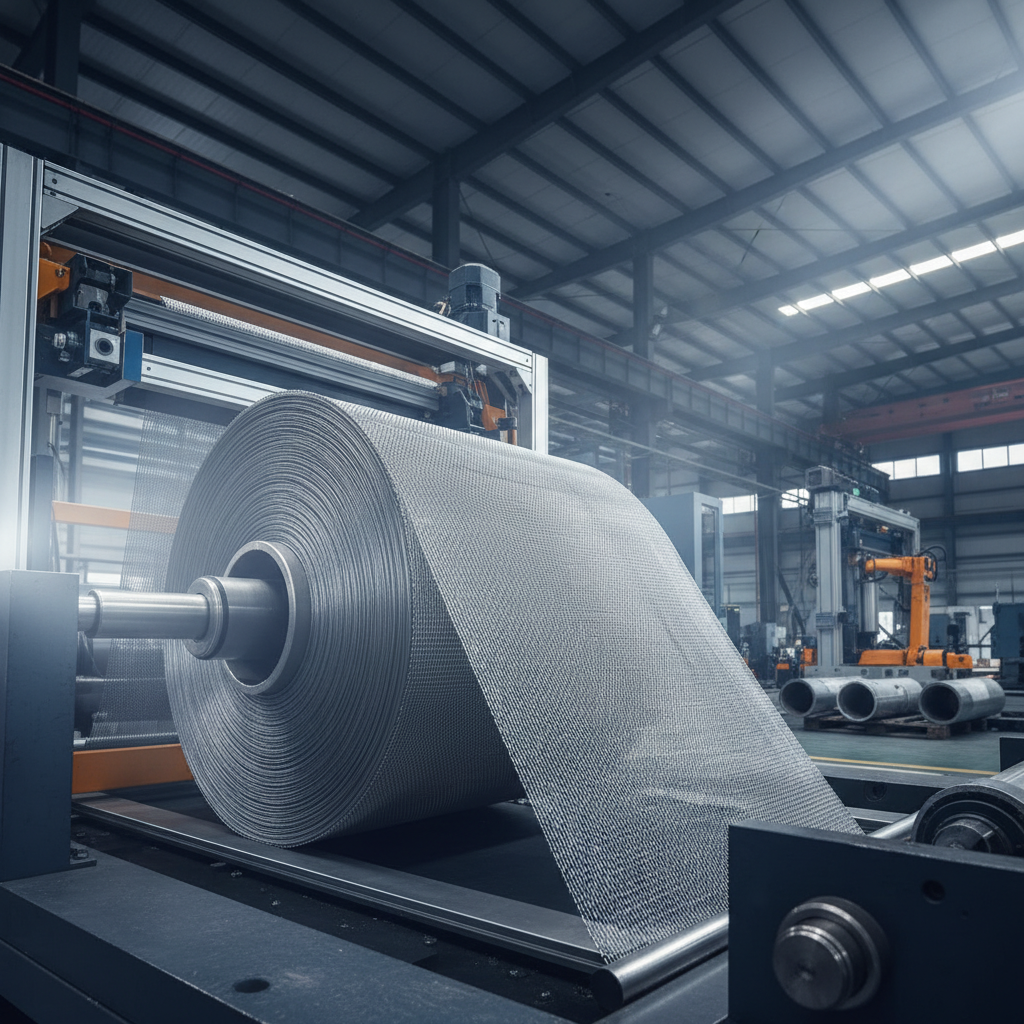
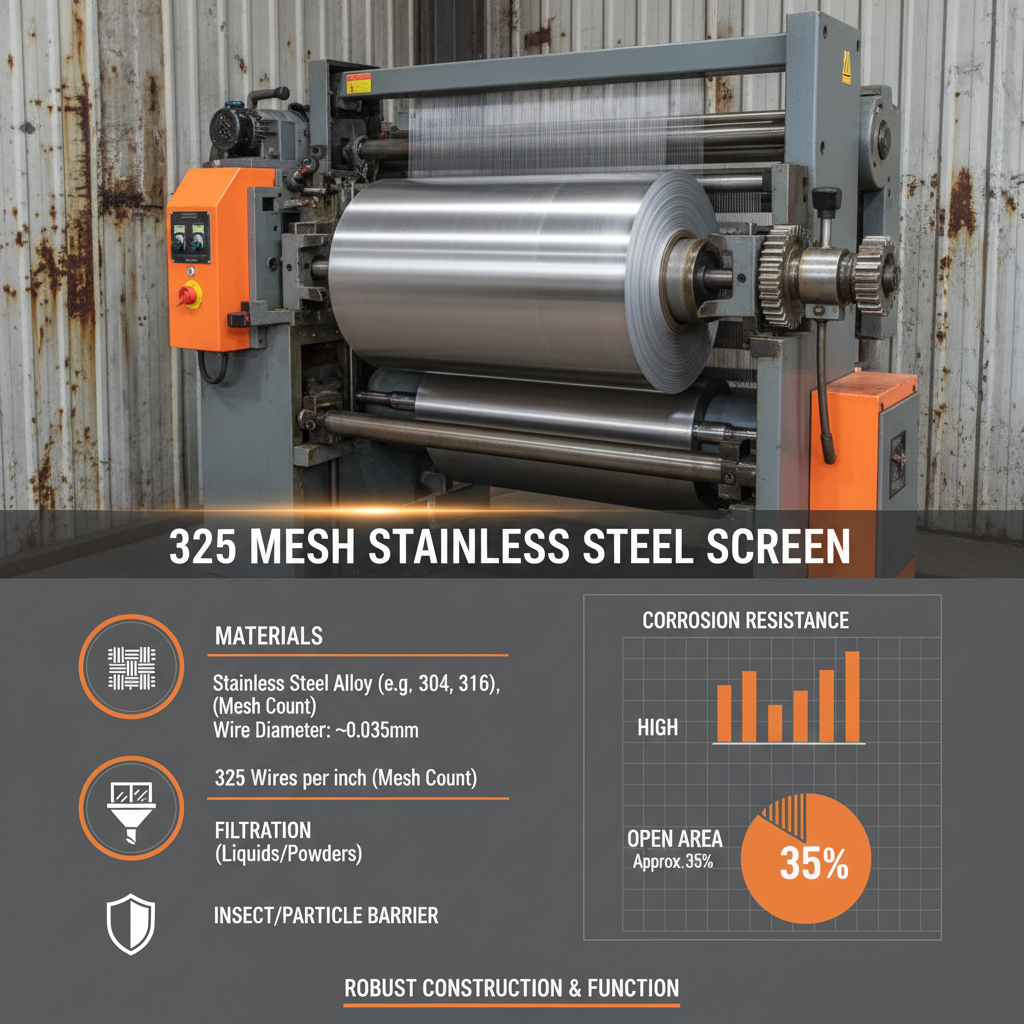
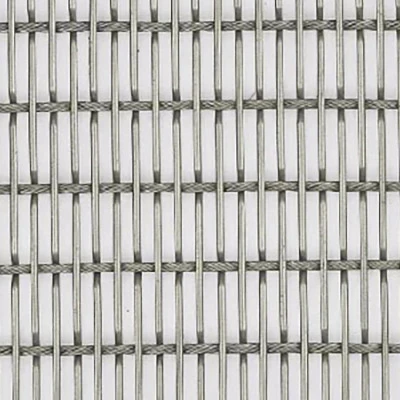
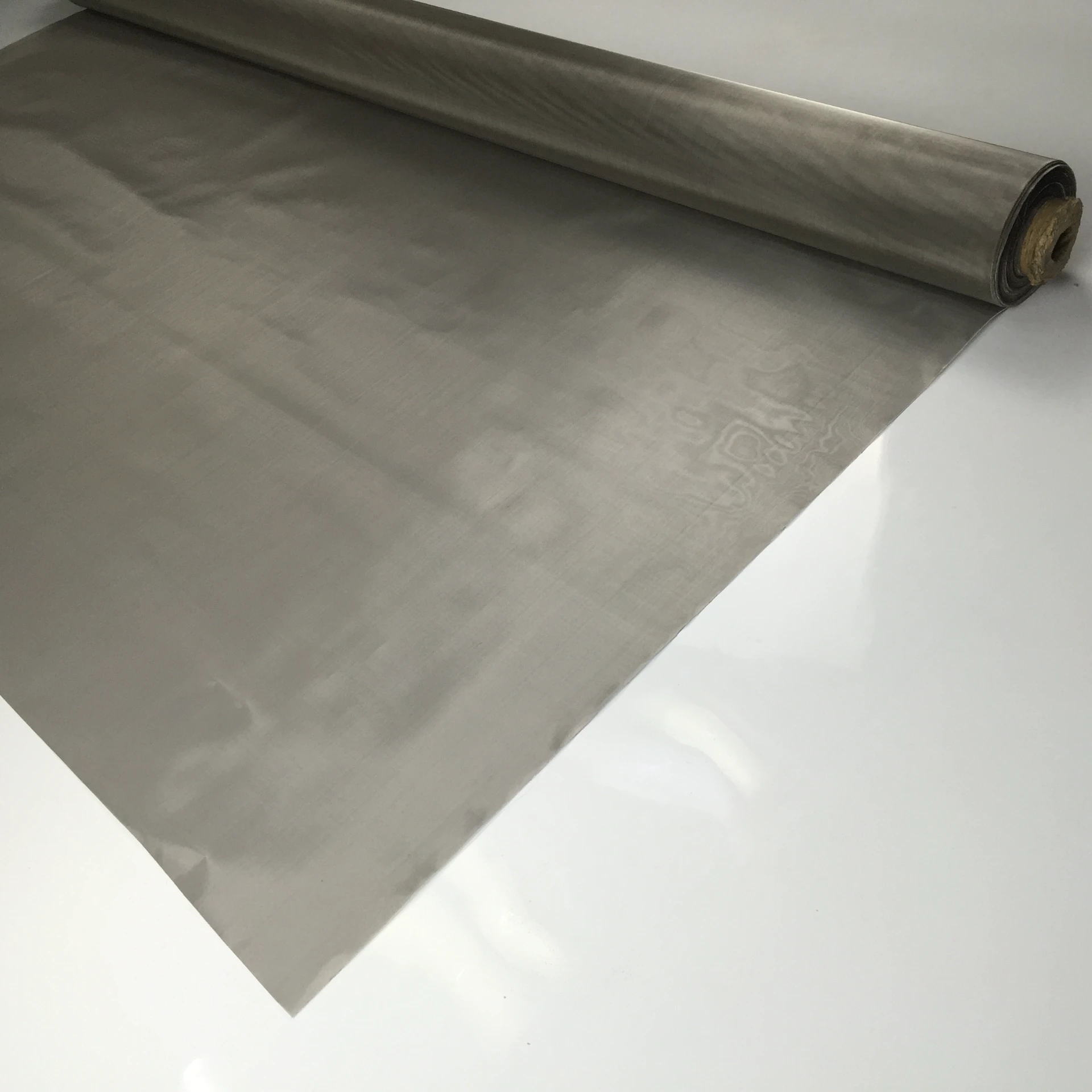
The term "325 mesh" refers to the number of openings per linear inch in the screen. Specifically, a 325 mesh screen has 325 wires across one inch. This results in a very fine weave, creating small openings that are approximately 0.011 inches (0.28 mm) in diameter. This fine filtration capacity is its defining characteristic. The most common material used for this mesh is 304 or 316 stainless steel, prized for their exceptional corrosion resistance and strength. Stainless Metal Mesh provides both grades to suit diverse application needs.
Key Highlights: Fine weave with 325 openings per inch. Commonly manufactured from 304 or 316 stainless steel. Offers excellent filtration and separation capabilities.
Applications of 325 Mesh Stainless Steel Screen
The fine filtration capabilities of 325 mesh make it suitable for a broad spectrum of applications. In the pharmaceutical industry, it’s used for sterilizing liquids and powders, ensuring product purity. The food and beverage industry utilizes it for juice clarification, milk filtration, and straining various ingredients. Other common uses include:
- Water filtration
- Air filtration
- Chemical processing
- Laboratory testing
- Sieve analysis
Stainless Metal Mesh provides customized solutions for many of these industries.
325 Mesh Stainless Steel: A Comparison with Other Mesh Sizes
Choosing the correct mesh size is vital for optimal performance. Here’s a comparison to illustrate how 325 mesh stacks up against other common sizes:
Why Choose Stainless Steel? The Benefits Explained
Stainless steel offers several advantages over other materials like brass or aluminum. Its superior corrosion resistance ensures longevity even in harsh environments. It is also incredibly durable, able to withstand high temperatures and pressures without deformation. Furthermore, stainless steel is hygienic and easy to clean, making it ideal for food and pharmaceutical applications. Stainless Metal Mesh specializes in providing high-quality stainless steel mesh solutions.
Selecting the Right Supplier: Stainless Metal Mesh
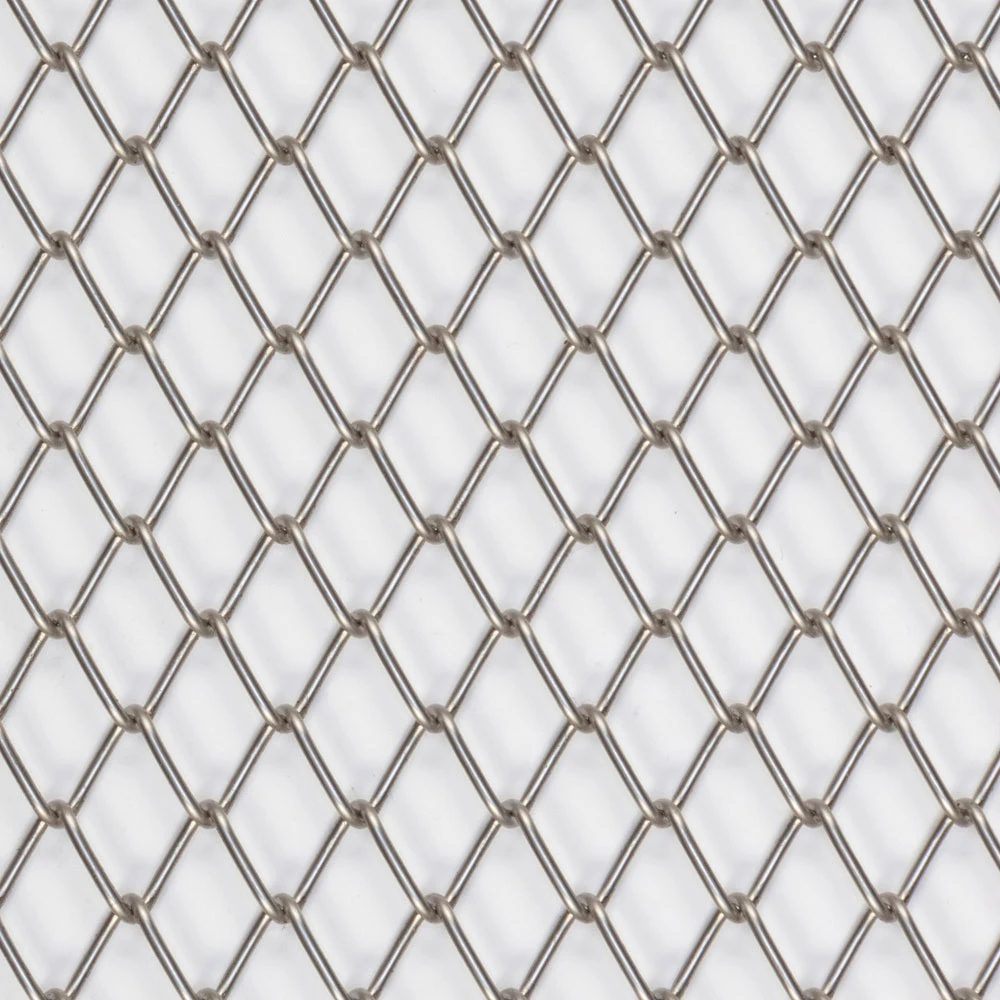
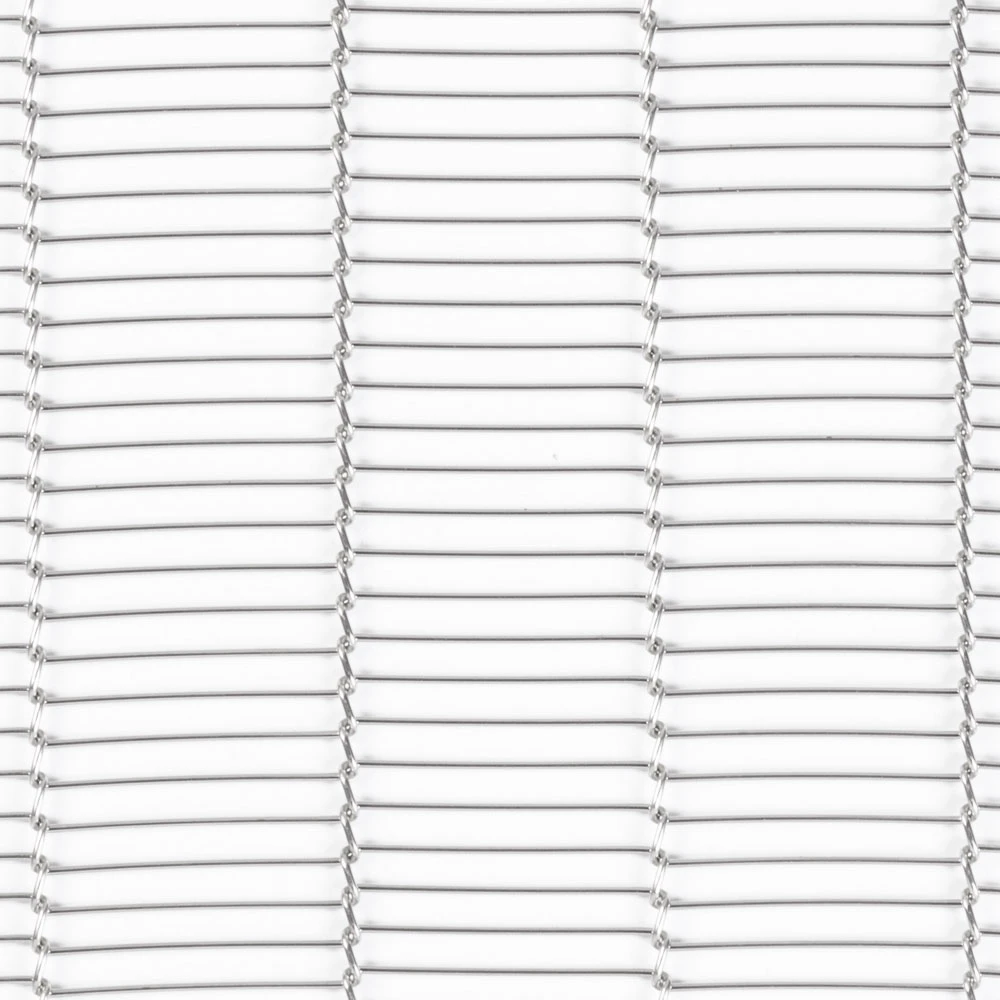
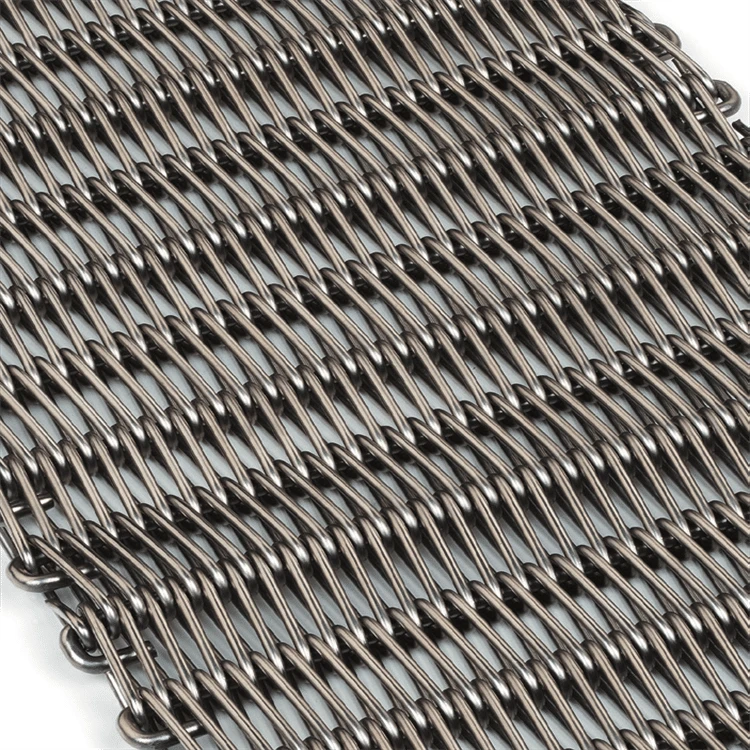
Choosing a reliable supplier is paramount. Stainless Metal Mesh offers a wide range of 325 mesh stainless steel screen in various materials (304, 316, etc.) and weave types. They provide custom cutting and fabrication services to meet specific needs, alongside a commitment to quality and fast delivery. Expert guidance ensures you select the optimal mesh for your application, maximizing performance and value.
Conclusion: 325 Mesh Stainless Steel – A Smart Investment
Investing in high-quality 325 mesh stainless steel screen from a reputable supplier like Stainless Metal Mesh is a cost-effective solution for a wide range of filtration and separation needs. Its durability, corrosion resistance, and fine filtration capabilities make it a superior choice for industries demanding reliable performance.
Frequently Asked Questions (FAQs)
What is the difference between 304 and 316 stainless steel mesh?
Both 304 and 316 stainless steel are excellent choices, but 316 contains molybdenum, which significantly enhances its corrosion resistance, particularly against chlorides and other halides. This makes 316 ideal for marine environments, chemical processing, and applications involving saltwater exposure. 304 is more commonly used in less corrosive environments. Stainless Metal Mesh can help you determine the best grade for your specific application.
Can 325 mesh stainless steel screen be cut to custom sizes?
Yes, Stainless Metal Mesh offers custom cutting services to meet your exact specifications. They can cut the mesh into sheets, discs, or other shapes using various techniques to ensure clean, precise cuts.
What is the typical lead time for orders from Stainless Metal Mesh?
Lead times vary depending on the quantity and complexity of the order. However, Stainless Metal Mesh is known for its fast turnaround times and efficient shipping. They maintain a substantial inventory of common mesh sizes to ensure prompt delivery. Contact them directly for a quote and estimated lead time for your specific needs.
How do I clean and maintain 325 mesh stainless steel screen?
Cleaning depends on the type of contamination. Generally, warm water and a mild detergent are sufficient. For stubborn residues, you can use a stainless steel cleaner specifically designed for this purpose. Avoid abrasive cleaners, as they can damage the mesh. Regular cleaning helps maintain its filtration efficiency and prolong its lifespan.
-
-
-
-
-
-
-
-
-
-
-
-
-
-
-
-