
Talk to Us
+86 13633281999
Email Address
ada@xingxinwiremesh.comComprehensive Guide to 904L Stainless Steel Sintered Wire Mesh and its Applications
Understanding 904L Stainless Steel Sintered Wire Mesh
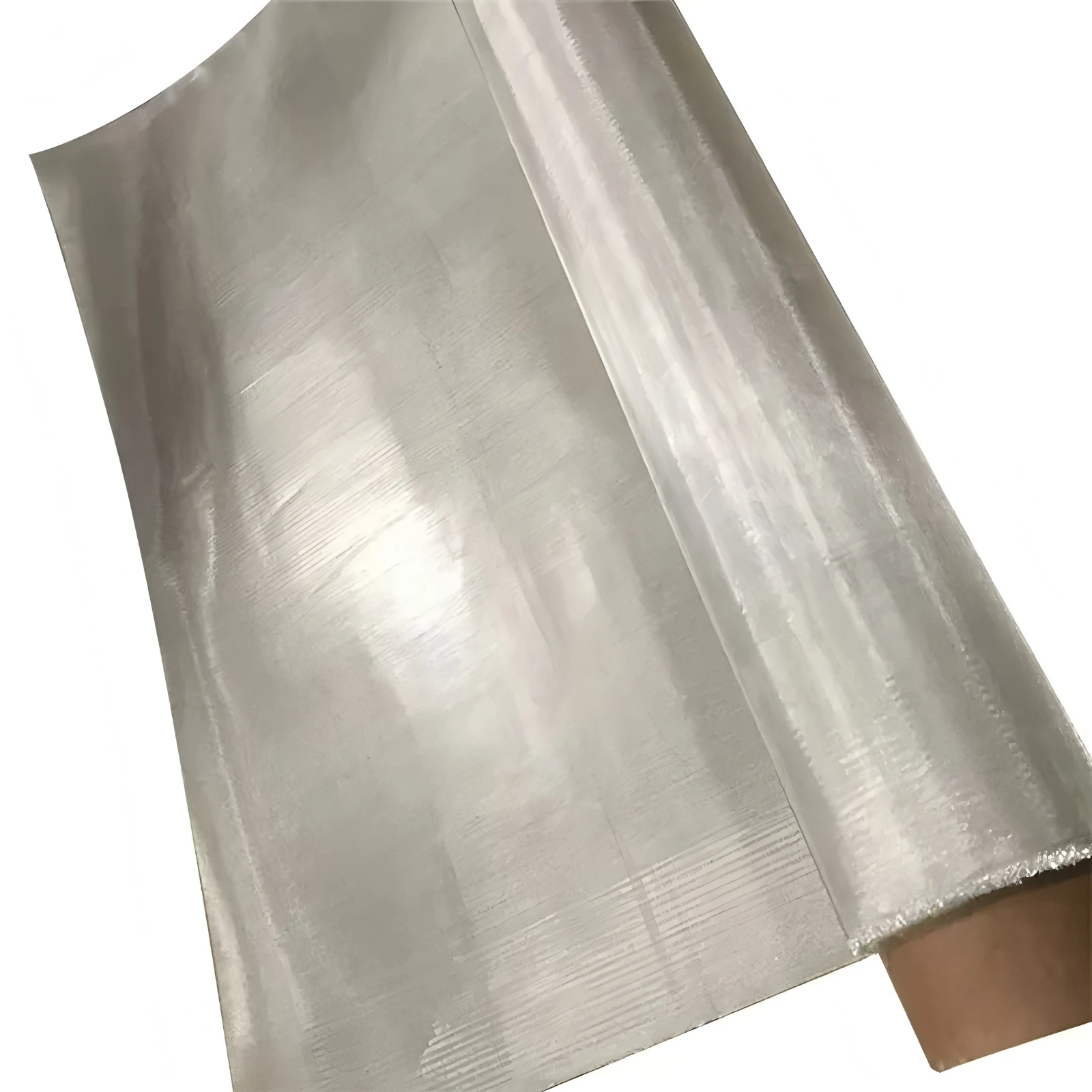
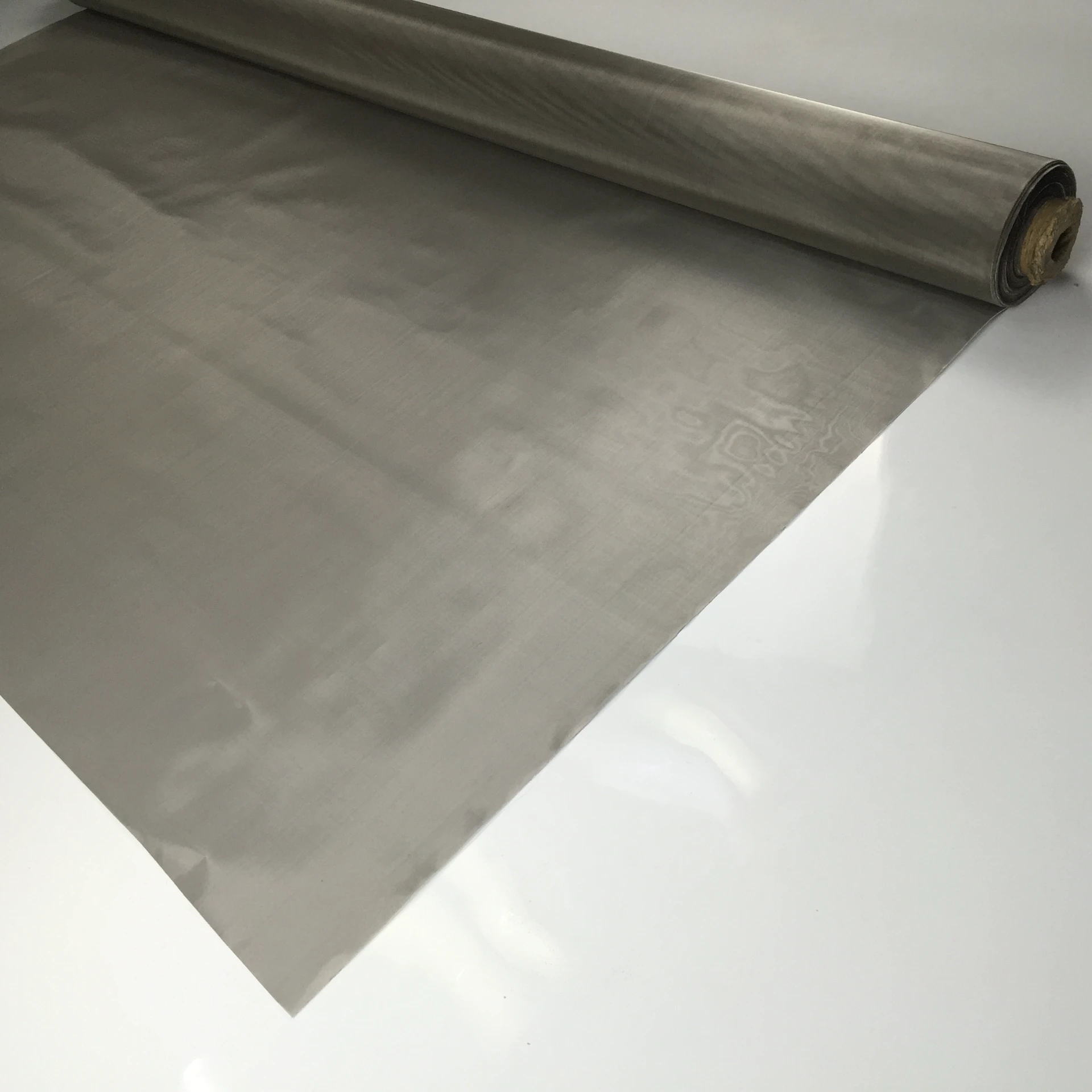
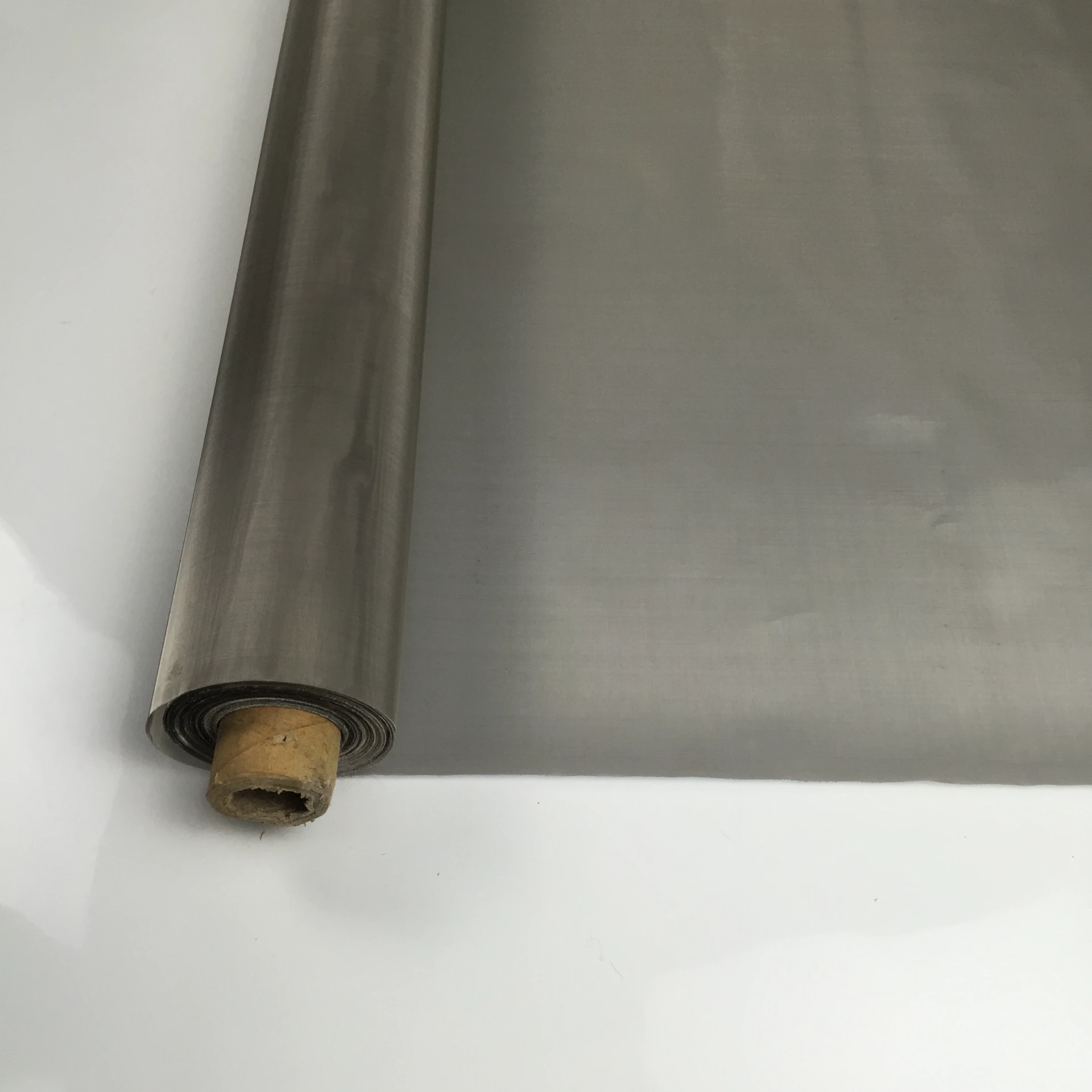
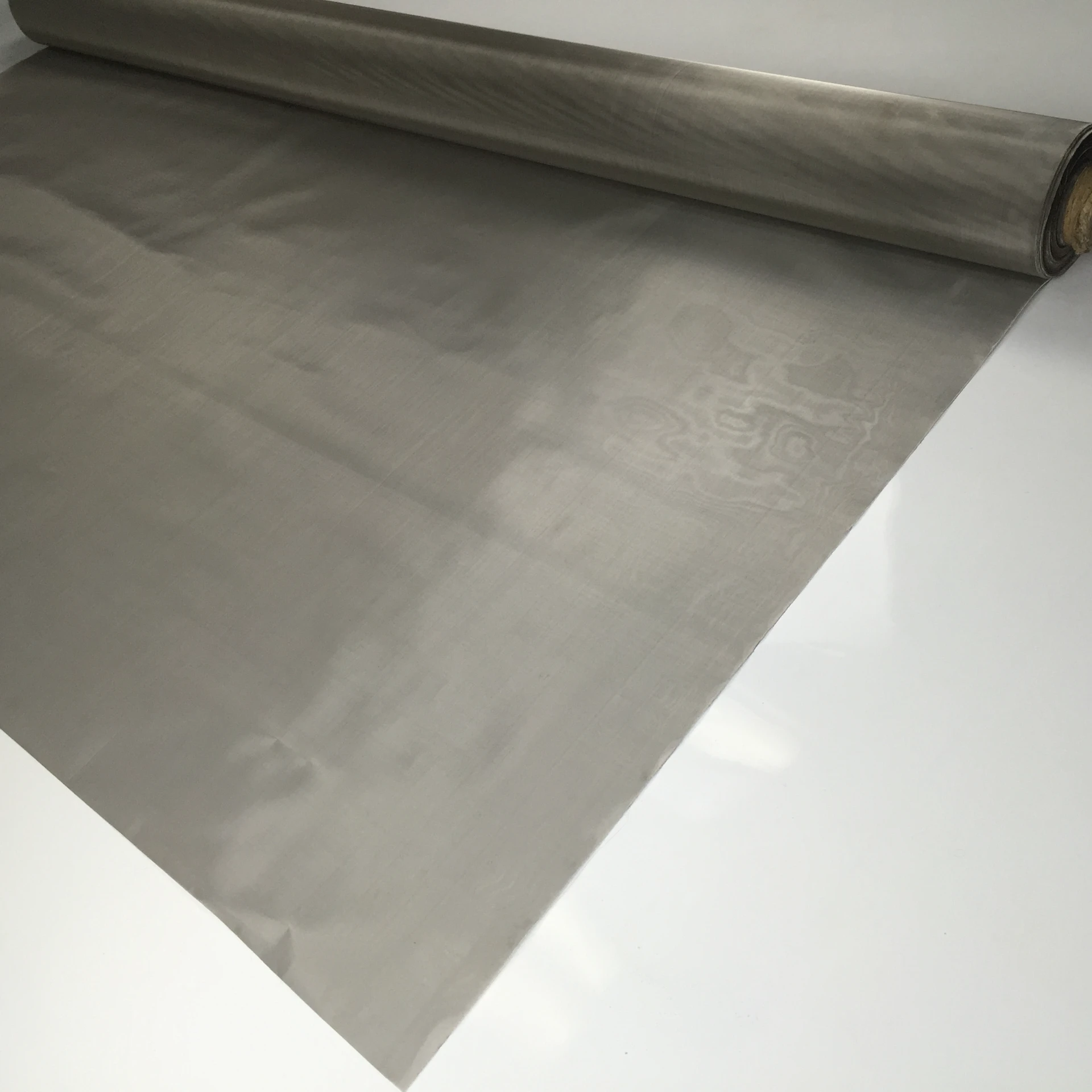
904L stainless steel sintered wire mesh is a high-performance filtration medium renowned for its exceptional corrosion resistance, high strength, and permeability. This specialized mesh, constructed from layers of woven wire mesh sintered together, finds critical applications in demanding industries like chemical processing, pharmaceuticals, aerospace, and oil & gas. Its unique properties make it an ideal solution for challenging filtration needs where conventional materials fall short. Explore the intricacies of this material and discover how it can benefit your specific application. You can find more information about our products at Stainless Metal Mesh.
What is 904L Stainless Steel and Why is it Used?
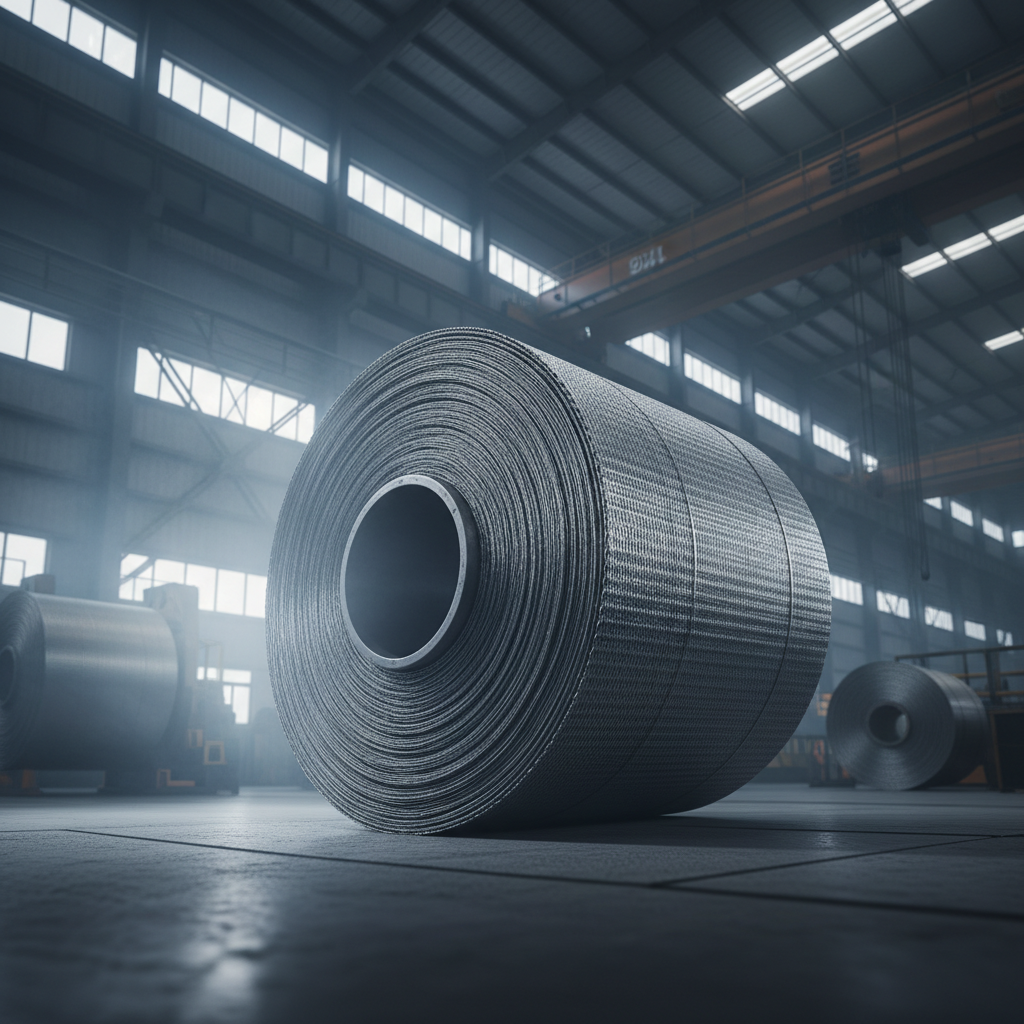
904L stainless steel is an austenitic stainless steel alloy containing high levels of chromium, nickel, and molybdenum. This unique composition provides exceptional resistance to pitting, crevice corrosion, and stress corrosion cracking, even in harsh environments. Unlike more common stainless steel grades like 304 or 316, 904L exhibits superior performance in environments with high chloride concentrations, making it ideal for offshore applications and chemical processing. It’s often the material of choice when extended service life and reliability are paramount. Its strength and formability also make it suitable for complex manufacturing processes, crucial for creating sintered wire mesh structures.
Key Highlights: Exceptional corrosion resistance, high strength, excellent formability, and suitability for demanding applications.
The Sintering Process and its Benefits
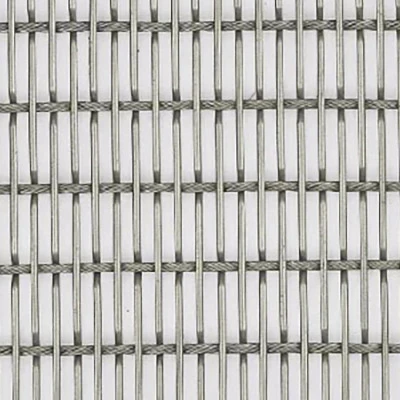
Sintering is the process of bonding particles together using heat and pressure, without melting. In the creation of 904L stainless steel sintered wire mesh, multiple layers of woven wire mesh are stacked and then subjected to controlled temperature and pressure. This process creates a highly integrated structure with enhanced mechanical properties and permeability. The sintering process eliminates the points of contact between the wires, resulting in a more robust and durable mesh with increased resistance to deformation and clogging. Furthermore, sintering allows for the creation of precisely controlled pore sizes, crucial for achieving desired filtration efficiency.
Sintering Advantages:
• Increased mechanical strength and durability
• Enhanced resistance to deformation and clogging
• Precisely controlled pore sizes
• Improved filtration efficiency
904L Stainless Steel Sintered Wire Mesh: Key Applications
The unique properties of 904L stainless steel sintered wire mesh make it suitable for a wide range of demanding applications. These include:
Choosing the Right 904L Sintered Wire Mesh for Your Needs
Selecting the optimal 904L stainless steel sintered wire mesh requires careful consideration of several factors, including pore size, thickness, and permeability. Pore size directly influences filtration efficiency, while thickness affects mechanical strength and pressure drop. Permeability determines the flow rate through the mesh. Stainless Metal Mesh offers a wide range of configurations and can provide expert guidance to help you choose the perfect mesh for your specific application. Understanding these parameters ensures you achieve optimal performance and longevity.
Product Specifications and Available Options
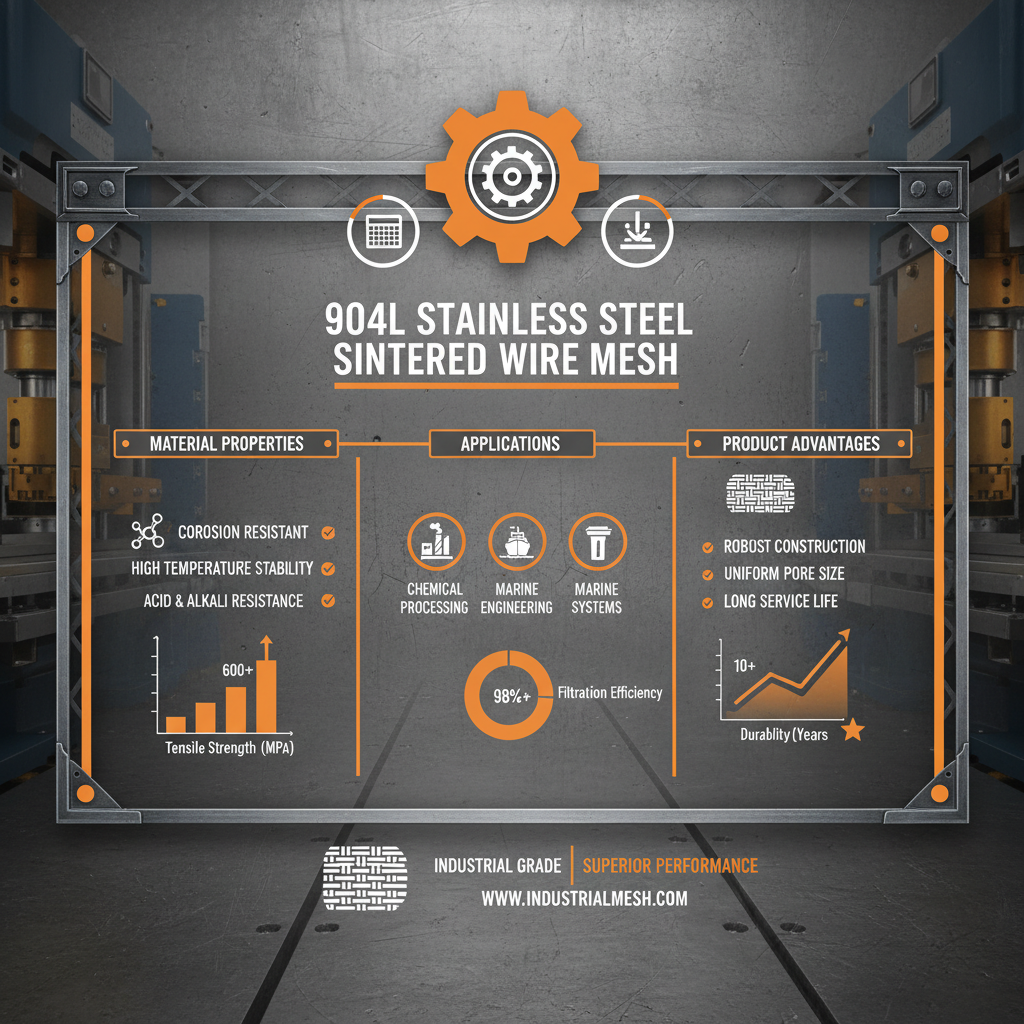
We offer 904L sintered wire mesh in a variety of configurations to meet diverse requirements. Please refer to the table below for common specifications:
Conclusion: A Robust Solution for Critical Filtration
904L stainless steel sintered wire mesh provides a durable, reliable, and high-performing filtration solution for a wide array of demanding applications. Its exceptional corrosion resistance, high strength, and customizable properties make it the ideal choice for industries where performance and longevity are paramount. For inquiries and to explore our product range, please visit Stainless Metal Mesh.
Frequently Asked Questions (FAQs)
What makes 904L superior to other stainless steel grades for corrosion resistance?
904L's high molybdenum content (up to 6%) is the primary reason for its exceptional corrosion resistance, particularly in chloride-rich environments. Molybdenum strengthens the passive layer on the steel surface, making it less susceptible to pitting and crevice corrosion. Compared to 316 stainless steel, which contains a lower molybdenum content, 904L offers significantly improved performance in aggressive chemical environments and marine applications. This makes it a crucial material for applications where long-term reliability and minimal maintenance are essential.
What is the typical lifespan of 904L sintered wire mesh?
The lifespan of 904L sintered wire mesh is highly dependent on the specific operating conditions, including temperature, pressure, chemical exposure, and cleaning procedures. However, due to its excellent corrosion resistance, 904L can provide a significantly longer service life compared to meshes made from less resistant materials. With proper maintenance and careful consideration of the application, a lifespan of 10-20 years is achievable, and in some cases, even longer.
Can 904L sintered wire mesh be cleaned and sanitized?
Yes, 904L sintered wire mesh can be effectively cleaned and sanitized using a variety of methods, including steam sterilization, chemical cleaning, and ultrasonic cleaning. Its corrosion resistance ensures it won't be damaged by most cleaning agents. However, it is important to consult the material safety data sheets (MSDS) for the specific cleaning agent to ensure compatibility. Proper cleaning procedures are crucial for maintaining filtration efficiency and preventing contamination.
What are the advantages of using sintered wire mesh versus woven wire cloth?
While woven wire cloth is a cost-effective filtration solution, sintered wire mesh offers several advantages. Sintering creates a more robust and integrated structure with higher mechanical strength and resistance to deformation. The elimination of wire contact points reduces the risk of clogging and improves permeability. Sintered wire mesh also allows for more precise control over pore size distribution, resulting in more efficient and consistent filtration.
-
-
-
-
-
-
-
-
-
-
-
-
-
-
-
-