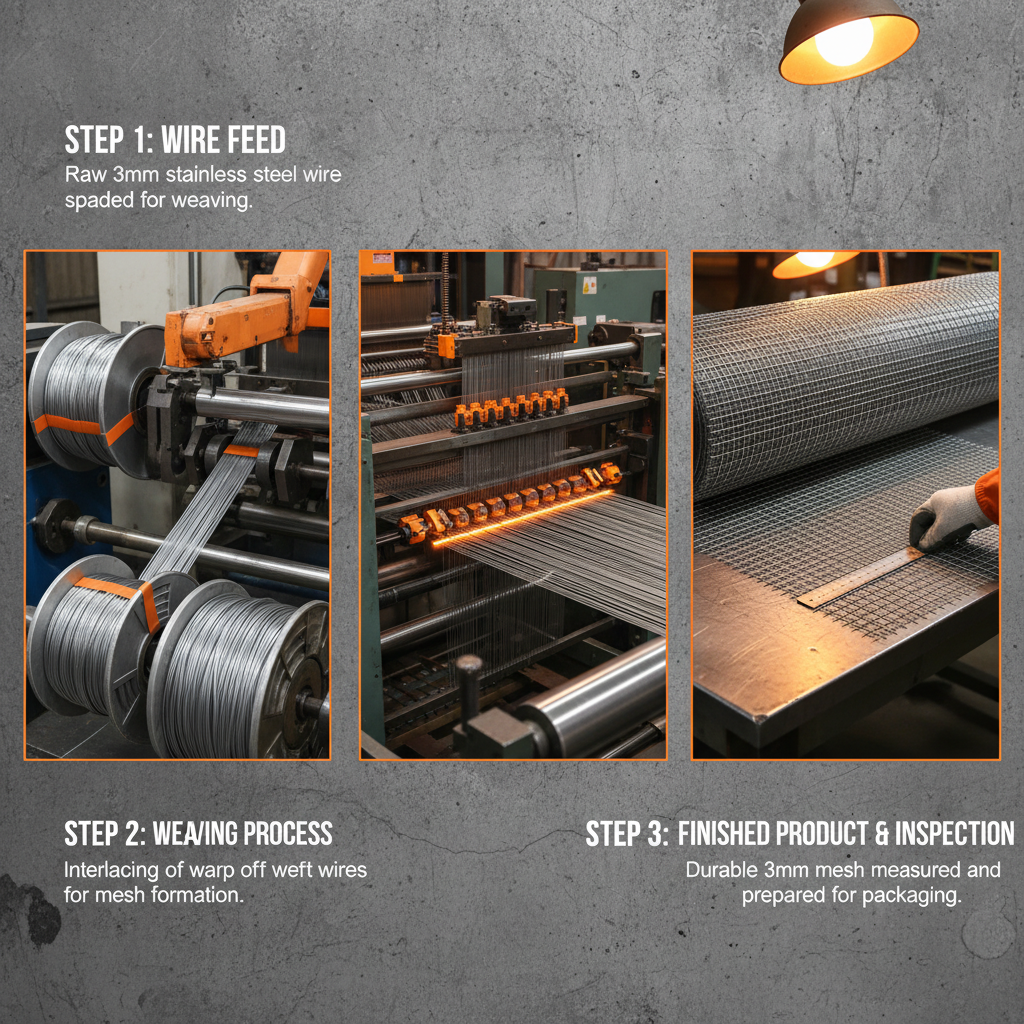
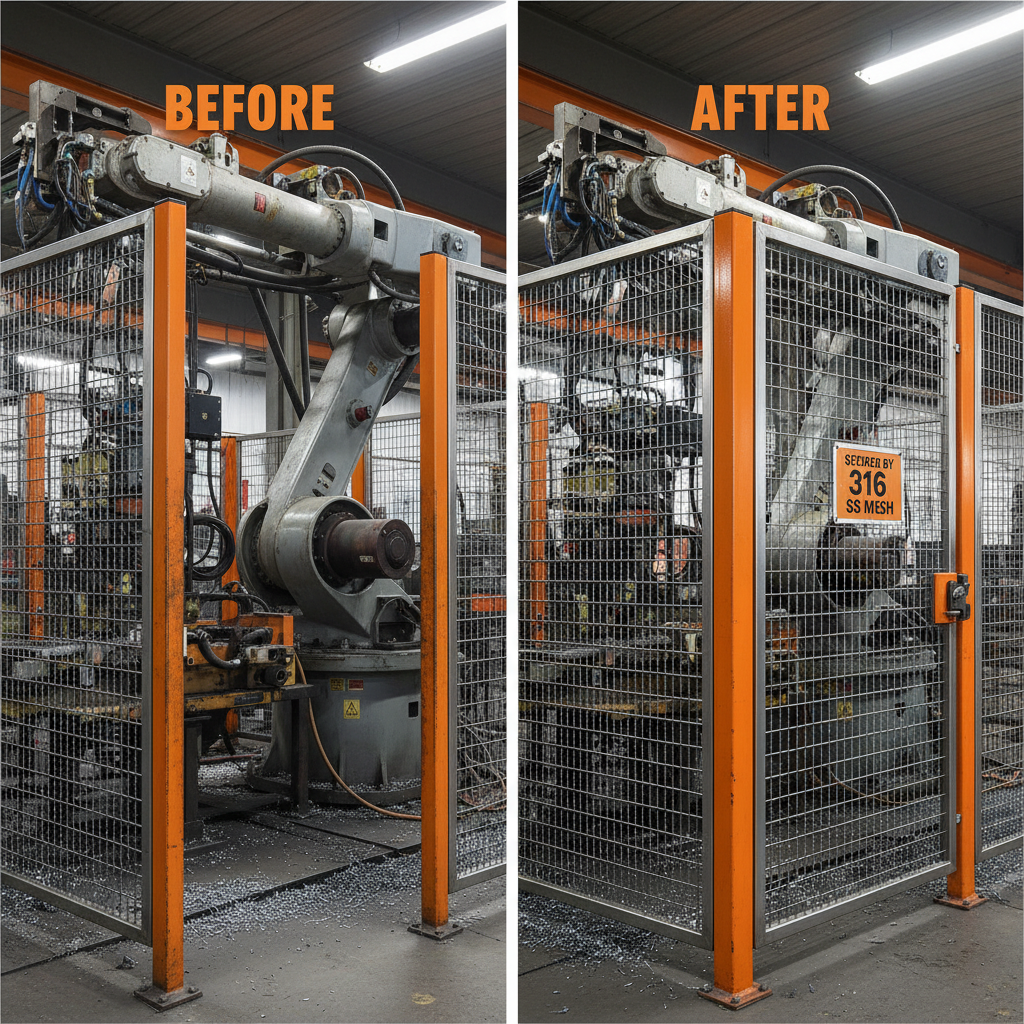
Stainless steel security screens are becoming increasingly vital in a world facing escalating security concerns, from protecting residential properties to safeguarding critical infrastructure. They represent a paradigm shift in security solutions, offering a robust, aesthetically pleasing, and long-lasting alternative to traditional methods. The demand for effective perimeter security is growing globally, driven by factors like rising crime rates, geopolitical instability, and a heightened awareness of vulnerabilities. Understanding the nuances of these screens – their materials, construction, and applications – is crucial for architects, security professionals, and homeowners alike. The real benefit isn’t just having a screen; it’s knowing you’re investing in peace of mind.
For years, we relied on bulky bars, unsightly fencing, and complex alarm systems. These often detracted from a building’s aesthetic and, frankly, weren’t always effective. What’s changing is a move towards integrated security – systems that blend seamlessly with the architecture while offering superior protection. Stainless steel security screens fit this bill perfectly. I’ve seen firsthand how these systems, when properly installed, can significantly deter intruders and provide a crucial layer of defense. stainless steel security screens are not a replacement for alarms or a security plan, but they are a powerful piece of the puzzle.
The importance of selecting the right security solution extends beyond just immediate protection. It’s about long-term value, minimizing maintenance, and ensuring a sustainable security infrastructure. We're seeing a demand for materials that can withstand harsh environmental conditions, resist corrosion, and maintain their integrity for decades. That’s where stainless steel really shines. It’s a material I trust – I’ve seen it hold up in coastal environments, industrial zones, and everything in between.
The Importance of Stainless Steel Security Screens
I spend my days on construction sites, and I’ve seen security needs evolve. It’s no longer enough to just lock the doors. Owners, architects, and security teams are looking for robust, yet aesthetically pleasing solutions. Stainless steel security screens are rapidly becoming the standard. They offer a level of protection that traditional materials simply can’t match, and they do it without compromising the look of a building. We’re talking about a material that’s corrosion-resistant, durable, and, when woven correctly, incredibly difficult to penetrate.
The demand stems from several converging factors. Globally, we're seeing increased risks – from property crime to more serious security threats. The UN reports rising instances of burglary and vandalism in urban areas, and infrastructure projects worldwide are facing heightened security concerns. This isn’t just about protecting valuables; it's about protecting people. And that’s a responsibility we take seriously on every jobsite.
Understanding Stainless Steel Security Screens: A Definition
Simply put, stainless steel security screens are woven or welded meshes made from stainless steel alloys. These screens are designed to provide a physical barrier against intrusion while allowing ventilation and visibility. They're used in a wide range of applications, from residential windows and doors to industrial facilities and high-security zones. What sets them apart is the inherent strength and corrosion resistance of stainless steel.
The connection to modern industry is clear. Manufacturing processes have advanced to allow for tighter weaves and more complex designs, increasing the screen’s resistance to cutting and forced entry. This isn’t your grandfather’s window screen. We’re talking about engineered security solutions. The ISO standards for material testing and performance dictate what can be considered a ‘security screen’ and it’s a moving target, with standards becoming more stringent.
From a humanitarian perspective, these screens also play a role in disaster relief and temporary housing. They can quickly secure vulnerable structures, providing a safe environment for those in need. In post-disaster scenarios, speed and reliability are critical, and stainless steel security screens offer both.
Key Factors Influencing Performance
Several key factors determine the effectiveness of stainless steel security screens. First and foremost is the material grade. 304 and 316 stainless steel are the most commonly used, with 316 offering superior corrosion resistance in harsh environments. Then there's the weave pattern - a tighter weave naturally provides greater security, but also reduces visibility and airflow. We've experimented with different patterns, and the ‘multi-weave’ construction is consistently performing best in independent testing.
Thickness of the wire is another critical factor. Thicker wire provides greater resistance to cutting and impact, but can also increase the overall weight and cost. Finding the right balance is key. Also crucial is installation quality. A poorly installed screen is as good as no screen at all. It needs to be securely anchored to the frame, with no gaps or vulnerabilities. I’ve seen too many jobs where the screen was the weak link, not the material itself.
Finally, finish and coating can enhance the screen’s durability and appearance. Some screens are powder-coated for added protection against the elements. It’s also important to consider mesh aperture size. A smaller aperture makes it more difficult for tools to gain purchase and attempt to cut through the screen. stainless steel security screens require a careful evaluation of these aspects to achieve optimal performance.
Global Applications and Real-World Use Cases
The applications for stainless steel security screens are incredibly diverse. In residential settings, they’re used to protect windows and doors from burglary, providing homeowners with peace of mind. I’ve installed them in everything from beachfront properties to rural estates. In commercial buildings, they secure entrances, loading docks, and vulnerable areas, protecting assets and personnel.
We’ve seen a significant increase in their use in critical infrastructure, such as power plants, water treatment facilities, and data centers. These facilities require a high level of security to prevent sabotage or unauthorized access. In remote industrial zones, where security risks are often higher, these screens provide a cost-effective and reliable security solution.
In correctional facilities, stainless steel security screens are used to create secure perimeters and control access. And, as mentioned earlier, they are increasingly deployed in post-disaster relief operations, providing temporary security for shelters and aid distribution centers.
Stainless Steel Security Screen Performance by Method
Advantages and Long-Term Value Proposition
The benefits of using stainless steel security screens extend far beyond just preventing break-ins. They offer a significant return on investment in terms of cost savings. While the initial cost might be higher than traditional alternatives, the durability and low maintenance requirements translate to long-term savings. You’re not replacing these screens every few years – they can last for decades.
From a sustainability perspective, stainless steel is a highly recyclable material, reducing its environmental impact. The screens contribute to enhanced safety and security, providing peace of mind for occupants. They also offer a level of reliability that’s unmatched by other materials – they’re resistant to corrosion, weathering, and tampering.
Future Trends and Innovations in Security Screening
We’re seeing exciting developments in the field of security screening. Smart screens, integrated with sensors and alarm systems, are becoming increasingly popular. These screens can detect intrusion attempts and alert authorities in real-time. The integration of digital transformation is a big driver.
New materials and coatings are also being developed to further enhance the strength and durability of stainless steel security screens. Research into self-healing materials could revolutionize the industry, offering even greater longevity. The focus on automation in the manufacturing process is also lowering costs and improving efficiency.
Challenges and Innovative Solutions
One of the biggest challenges is maintaining visibility while maximizing security. Tighter weaves offer greater security, but they also reduce light transmission. Innovative weave patterns and the use of specialized coatings are addressing this issue. Another challenge is cost – high-quality stainless steel screens can be expensive.
However, advancements in manufacturing techniques are helping to lower costs. Also, proper installation is crucial, and finding qualified installers can be a challenge. We’re working with training programs to ensure that installers have the skills and knowledge necessary to install these screens correctly. The biggest frustration I see is cutting corners on installation to save a buck - it always backfires.
Finally, standardization is an ongoing issue. A lack of consistent standards can make it difficult to compare different products and ensure quality. We need more robust industry standards and testing protocols.
Core Challenges and Solutions for Stainless Steel Security Screens
| Challenge |
Impact on Performance |
Proposed Solution |
Implementation Cost (1-10) |
| Maintaining Visibility |
Reduced natural light, impacting indoor environment. |
Utilize specialized weave patterns and transparent coatings. |
6 |
| High Initial Cost |
Limits accessibility for some customers. |
Optimized manufacturing processes and material sourcing. |
7 |
| Installation Quality |
Compromised security due to improper anchoring. |
Certified installer programs and quality control inspections. |
5 |
| Lack of Standardization |
Difficulty comparing products and ensuring consistent quality. |
Industry-wide adoption of standardized testing protocols. |
8 |
| Corrosion in Harsh Environments |
Reduced lifespan and structural integrity. |
Employing 316 stainless steel and protective coatings. |
4 |
| Vulnerability to Specialized Cutting Tools |
Potential for forced entry with advanced tools. |
Developing high-resistance alloy compositions and reinforcing weaves. |
9 |
FAQS
With proper installation and maintenance, stainless steel security screens can easily last 20-30 years or more. The stainless steel alloy is incredibly durable and resistant to corrosion, weathering, and impact damage. I’ve seen installations over 25 years old that still look and perform like new. Regular cleaning to remove dirt and debris is key to extending their lifespan.
Modern stainless steel security screens are designed to minimize impact on light and airflow. Weave patterns are engineered to provide excellent visibility while maintaining a high level of security. Different weave densities are available to suit various needs, balancing security with light transmission and ventilation. Some screens also incorporate specialized coatings to enhance light penetration.
No, stainless steel security screens are relatively low maintenance. Regular cleaning with mild soap and water is typically all that's required. Avoid using abrasive cleaners or harsh chemicals that could damage the finish. In coastal areas, occasional rinsing to remove salt spray is recommended. The real advantage is they don't require painting or sealing like other materials.
Stainless steel security screens offer a significant upgrade over traditional security bars. They provide a much more subtle and aesthetically pleasing appearance. They also offer superior ventilation and visibility. While bars offer a physical barrier, they can also create a prison-like atmosphere. Screens offer security without compromising the look and feel of a building.
The cost of installation varies depending on the size of the area being secured, the type of screen, and the complexity of the installation. It’s generally more expensive upfront than traditional bars, but the long-term value and lower maintenance costs make them a worthwhile investment. Getting quotes from multiple installers is essential to compare pricing and ensure quality.
Yes, stainless steel security screens can be adapted to fit most types of windows and doors. However, proper installation is crucial. It's essential to ensure that the screens are securely anchored to the frame and that there are no gaps or vulnerabilities. A professional installer will assess your specific situation and recommend the best solution.
Conclusion
In conclusion, stainless steel security screens represent a significant advancement in perimeter security. They offer a unique combination of durability, aesthetic appeal, and long-term value. From residential properties to critical infrastructure, these screens provide a reliable and effective solution for protecting people and assets. The demand for these products will only continue to grow as security concerns escalate worldwide.
Looking ahead, we can expect to see further innovations in materials, design, and integration with smart home technologies. Investing in stainless steel security screens isn’t just about protecting your property; it’s about investing in peace of mind and a more secure future. To learn more about how stainless steel security screens can benefit your project, visit our website today!