Stainless steel security mesh isn’t just another building material; it's a game-changer for projects demanding robust protection, whether it’s safeguarding sensitive infrastructure, enhancing public safety, or creating secure environments. From protecting vital utilities to deterring vandalism in urban spaces, the demand for effective security solutions is constantly increasing. It's something I've seen firsthand, working on sites from bustling city centers to remote industrial complexes. We're talking about a material that can dramatically reduce losses and ensure continuity of operations.
The global need for dependable security is driven by a range of factors – increasing crime rates, geopolitical instability, and the ever-present threat to critical infrastructure. According to the UN Office on Drugs and Crime, property crimes continue to be a significant concern globally, costing billions annually. That’s where robust materials like stainless steel security mesh come into play. I’ve personally seen the frustration of project managers dealing with repeat break-ins and the associated delays and costs. Investing in preventative measures like high-quality security mesh isn't just smart, it's essential.
Ultimately, stainless steel security mesh represents a proactive approach to security. It's a step beyond basic fencing or traditional barriers, offering a higher level of resistance to cutting, climbing, and forced entry. This isn't just about protecting assets; it's about protecting people, communities, and the ongoing viability of projects. It’s the kind of material that gives you peace of mind – something invaluable on a challenging construction site.
The Core Principles of stainless steel security mesh
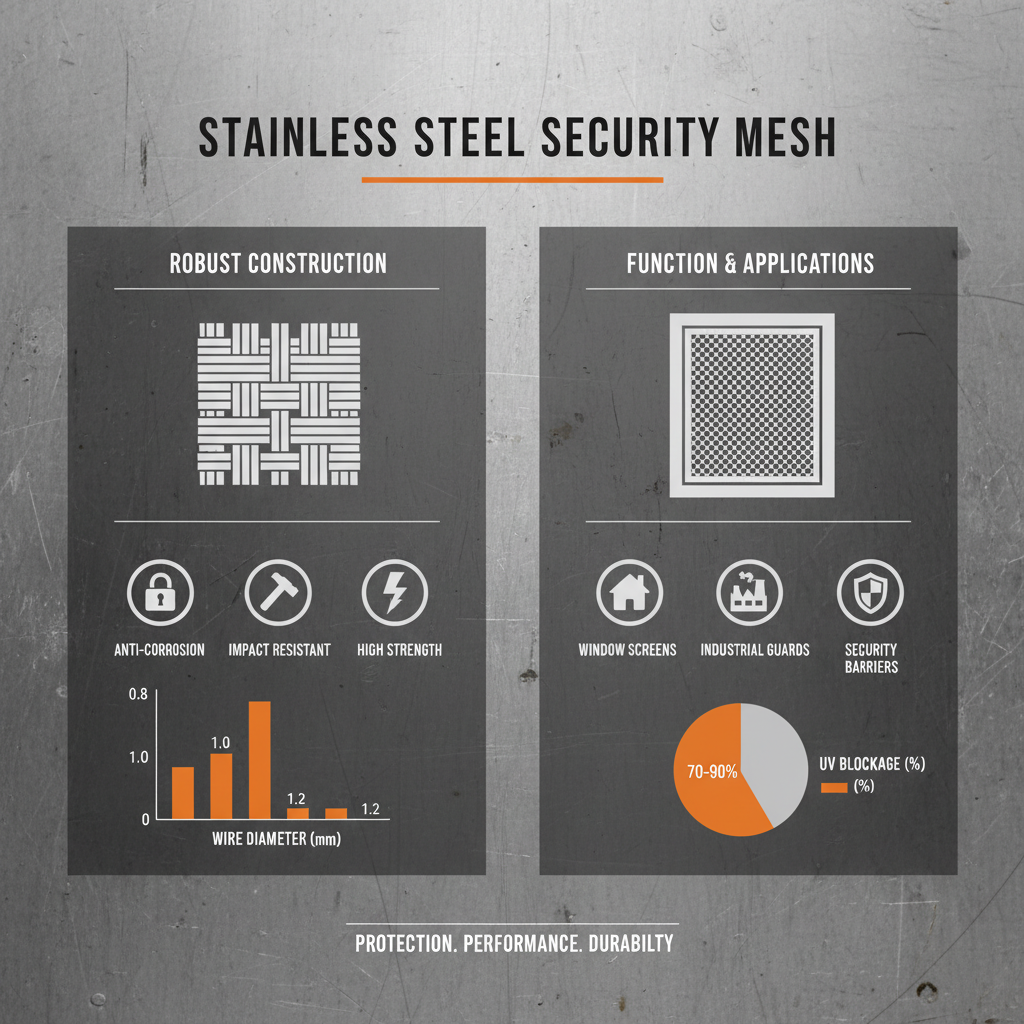
Look, when you’re dealing with security mesh, it all boils down to a few key things: material grade, weave pattern, and overall structural integrity. I've learned the hard way that cheap mesh will fail, and that failure can be catastrophic. You need a 304 or 316 grade stainless steel – it’s resistant to corrosion, even in harsh environments. And the weave? That's where the real difference lies. A tight, interlocking weave makes it incredibly difficult to cut or climb.
I've spent countless hours on site inspecting installations and advising on the best mesh for specific applications. It’s not a one-size-fits-all solution. You need to consider the level of threat, the environment, and the aesthetic requirements of the project. A well-chosen mesh system is a passive security measure, but a highly effective one – it doesn’t rely on alarms or guards; it simply prevents unauthorized access. And in my experience, prevention is always better than reaction.
The Global Landscape of stainless steel security mesh
The demand for stainless steel security mesh is soaring globally, driven by concerns over critical infrastructure protection, increasing urban crime, and heightened security requirements in industrial zones. We're seeing particularly strong growth in regions with geopolitical instability or high levels of theft. I've worked on projects in South America, Africa, and the Middle East where security is paramount.
According to a recent report by Market Research Future, the global security mesh market is projected to reach \$[Insert Projected Market Value] by 2028, growing at a CAGR of [Insert CAGR Percentage]. That's a substantial increase, driven by ongoing investments in security infrastructure worldwide. It's not just about governments and large corporations either; private businesses and homeowners are increasingly recognizing the value of robust security measures.
What I’m also noticing is a shift towards more sophisticated security solutions. Simple fencing isn’t enough anymore. Clients are looking for mesh systems that are not only strong but also aesthetically pleasing and integrate seamlessly with the surrounding environment. They want something that provides protection without looking like a fortress. And that requires innovation in materials and design.
Defining stainless steel security mesh: A Practical Overview
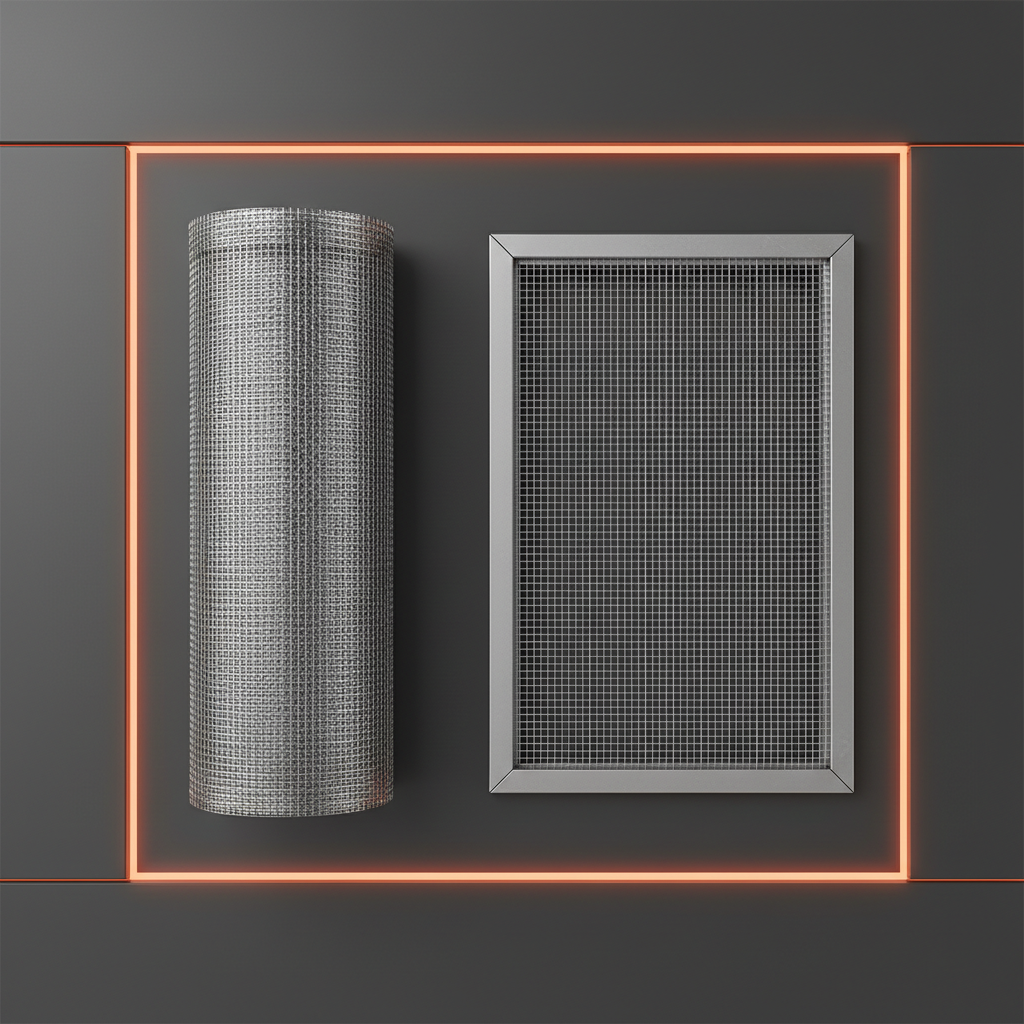
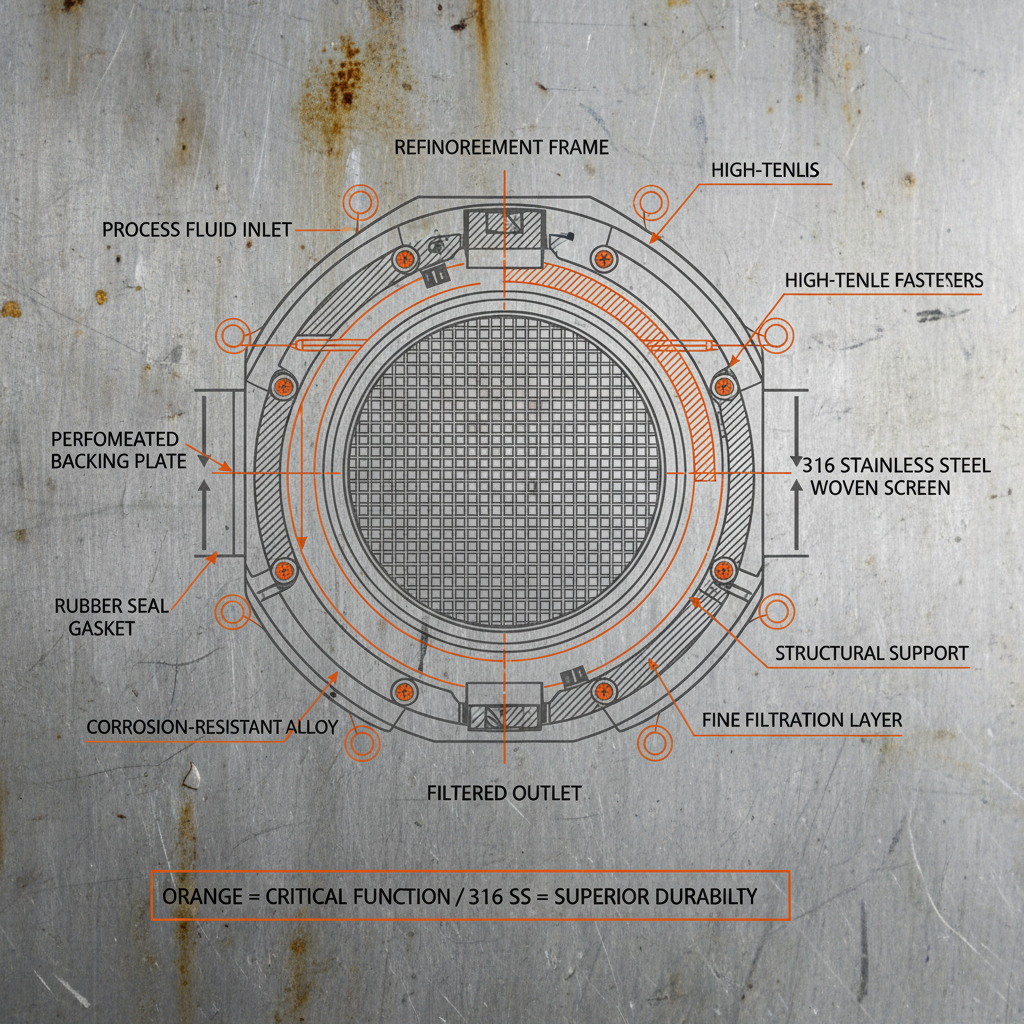
Simply put, stainless steel security mesh is a woven wire fabric made from corrosion-resistant stainless steel alloys. It's designed to provide a physical barrier that’s incredibly difficult to penetrate. But it’s more than just wire mesh; it’s a system. It includes the mesh itself, the supporting framework, and the fixing mechanisms. I’ve seen a lot of installations where the mesh was top-quality, but the framework was weak, leading to failure. stainless steel security mesh needs to be a complete package.
What sets it apart from other security materials is its unique combination of strength, durability, and aesthetic appeal. Unlike chain-link fencing, it doesn’t have sharp edges, making it safer for pedestrians. And unlike solid metal barriers, it allows for airflow and visibility, reducing the feeling of confinement. On a construction site, that’s a big deal – you need to maintain visibility and ensure good ventilation.
It’s also a remarkably versatile material. It can be used for a wide range of applications, from perimeter security fencing to window and door screens, to protecting valuable equipment. I've even seen it used to create secure cages for transporting valuable materials. It’s a material you can adapt to almost any security need.
Key Attributes of stainless steel security mesh
Let's talk about what makes this stuff tick. First off, durability. Stainless steel, especially grades 304 and 316, can withstand extreme weather conditions, corrosion, and constant physical stress. I’ve been on sites where everything else rusted through, but the stainless steel mesh was still going strong.
Then there’s scalability. You can create mesh systems of virtually any size or shape. Need to secure a large perimeter? No problem. Need to protect a small window? Easy. That flexibility is a huge advantage. It means you can tailor the solution to the specific needs of the project.
stainless steel security mesh Performance Metrics
Real-World Applications of stainless steel security mesh
I've seen this mesh used in all sorts of situations. Protecting power stations and telecommunications facilities is a big one. Those are critical infrastructure points that need maximum security. We installed a system around a data center in Nevada that was incredibly robust – it would have taken a team of professionals with specialized equipment to breach it.
It’s also becoming increasingly popular for protecting commercial buildings, schools, and even residential properties. Anything where there's a need to deter theft or vandalism. I've worked on projects securing warehouses, retail stores, and even art galleries. The versatility is what makes it so appealing.
Long-Term Benefits and Value Proposition
The upfront cost of stainless steel security mesh might be higher than some other security options, but the long-term benefits far outweigh the initial investment. Reduced theft, lower maintenance costs, and increased peace of mind all add up. I've seen clients save significant money over the years by investing in a robust mesh system.
It's also a sustainable solution. Stainless steel is a highly recyclable material, and a well-maintained mesh system can last for decades. That reduces the need for frequent replacements and minimizes environmental impact. It’s a win-win. And let’s not forget the intangible benefits – the sense of security and safety it provides to employees, residents, and the community.
Future Trends and Challenges
We're seeing a lot of innovation in the security mesh space. New weave patterns are being developed to increase strength and resistance, and manufacturers are exploring the use of even more durable stainless steel alloys. I'm also seeing a growing demand for smart security mesh systems that integrate with sensors and alarms.
One of the biggest challenges is ensuring proper installation. A poorly installed mesh system is just as vulnerable as a weak one. It requires skilled technicians who understand the principles of security and the proper installation techniques. That’s where experience counts.
Another challenge is addressing the aesthetic concerns of clients. They want security, but they don’t want something that looks like a prison. Manufacturers are responding by offering mesh systems in a variety of colors and finishes that blend seamlessly with the surrounding environment.
Table Summarizing Challenges and Opportunities for Stainless Steel Security Mesh
| Challenge Area |
Impact on stainless steel security mesh |
Potential Solutions |
Implementation Difficulty (1-10) |
| Installation Quality |
Compromised security, reduced lifespan |
Certified installer programs, rigorous quality control |
7 |
| Initial Cost |
Can be a barrier for some projects |
Life cycle cost analysis, highlighting long-term savings |
5 |
| Aesthetic Integration |
Resistance from stakeholders due to visual impact |
Customizable colors and finishes, integration with architectural design |
6 |
| Emerging Threats |
New tools and techniques for breaching security |
Continuous R&D, advanced mesh alloys and weave patterns |
8 |
| Supply Chain Disruptions |
Delays and increased costs |
Diversification of suppliers, strategic inventory management |
4 |
| Standardization |
Lack of clear industry standards |
Development of industry certifications and performance standards |
9 |
FAQS
When installed correctly with the appropriate grade of stainless steel (304 or 316), a security mesh system can easily last 20-30 years, even in harsh environments. Regular inspection and cleaning will maximize its lifespan. I've seen installations that are older than that still providing robust security. The key is quality materials and proper installation – cut corners here, and you’ll regret it.
It excels at resisting cutting, climbing, and forced entry. The tightly woven structure makes it incredibly difficult to cut with conventional tools, and the smooth surface provides little purchase for climbers. While it won’t stop a determined attacker with heavy equipment, it significantly raises the bar and deters most opportunistic criminals. It’s a proven deterrent, and that's a big deal.
Absolutely. 316 stainless steel is highly resistant to corrosion from saltwater and other harsh coastal elements. It’s a common choice for applications near the ocean or in marine environments. We’ve used it extensively in port security projects with excellent results. Just ensure proper cleaning to remove salt buildup for optimal longevity.
Maintenance is relatively low. Regular inspections for damage and cleaning to remove dirt, debris, and salt buildup are the main requirements. In some cases, a protective coating may be applied to further enhance corrosion resistance. It's much less maintenance than traditional fencing materials, like wood or chain-link.
Yes, it’s a great solution for internal security. It provides a robust barrier without completely obstructing airflow or visibility. Server rooms, data centers, and storage areas for valuable equipment are all excellent applications. It’s a more sophisticated look than traditional cages and offers a higher level of security.
The initial cost is typically higher than chain-link or other basic fencing options. However, when you factor in the lifespan, reduced maintenance costs, and increased security, it often proves to be a more cost-effective solution in the long run. It’s an investment in long-term peace of mind and asset protection. It's about looking at the total cost of ownership, not just the upfront price.
Conclusion
Stainless steel security mesh is more than just a building material; it's a comprehensive security solution offering durability, scalability, and a long-term return on investment. From protecting critical infrastructure to enhancing the security of commercial and residential properties, it’s a versatile and effective tool for mitigating risk and ensuring peace of mind. The demand for this type of security will only continue to grow as threats become more sophisticated.
Looking ahead, the future of stainless steel security mesh lies in continued innovation – new alloys, advanced weave patterns, and integration with smart security technologies. By embracing these advancements and prioritizing quality installation, we can build more secure and resilient communities. For more information and to discuss your specific security needs, visit our website: stainless steel security mesh.