In the modern industrial landscape, the demand for precision and durability has elevated the role of stainless steel square wire mesh from a simple screening tool to a critical component in high-performance engineering. Whether utilized in chemical filtration, architectural design, or food processing, this material provides a unique combination of structural integrity and corrosion resistance that is unmatched by synthetic alternatives.
Understanding the nuances of wire diameter, aperture size, and alloy grades is essential for engineers and procurement specialists who aim to optimize operational efficiency. As global standards for hygiene and safety tighten, the reliance on high-grade stainless steel solutions has grown, ensuring that industrial processes remain contaminate-free and structurally sound over decades of use.
By exploring the technical specifications and diverse applications of stainless steel square wire mesh, businesses can significantly reduce maintenance costs and enhance the longevity of their equipment. This comprehensive guide delves into the material's global relevance, its core mechanical advantages, and the future innovations driving the wire mesh industry forward.
Global Relevance of Stainless Steel Square Wire Mesh
On a global scale, stainless steel square wire mesh serves as a foundational element for numerous ISO-certified manufacturing processes. From the heavy industries of Germany and Japan to the rapidly expanding infrastructure projects in Southeast Asia, the demand for precise filtration and separation media has surged. This is largely driven by the necessity for materials that can withstand extreme temperatures and corrosive environments without compromising structural stability.
The challenge many industries face is the "corrosion-cost paradox," where cheaper materials lead to frequent replacements and costly downtime. By implementing high-grade stainless steel mesh, organizations align themselves with international quality standards, reducing waste and ensuring a more sustainable production cycle that meets the rigorous demands of 21st-century industrialization.
Defining the Technicality of Square Wire Mesh
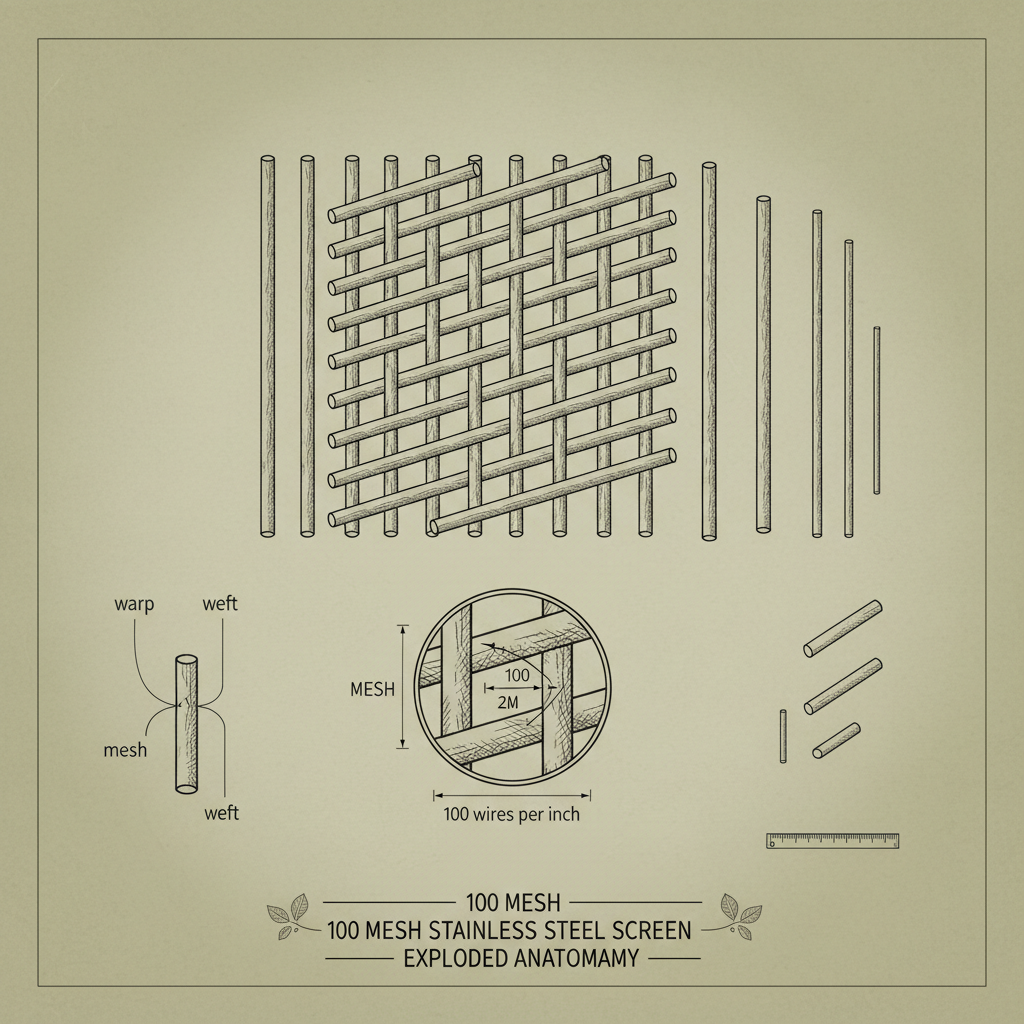
At its most basic level, stainless steel square wire mesh is a woven fabric made from stainless steel wires, where the warp and weft wires are of equal diameter and spaced at equal intervals to create perfect square openings. Unlike plain woven or Dutch weave, the square mesh is specifically designed for applications where uniform pore size is critical for accurate filtration or screening.
This geometric precision connects directly to modern humanitarian and industrial needs, such as the creation of sterile environments in medical laboratories or the separation of minerals in remote mining zones. The ability to customize the "mesh count" (the number of openings per linear inch) allows the material to be tailored for everything from coarse debris removal to fine particulate filtration.
Beyond its physical structure, the chemical composition—typically varying between Grade 304 for general use and Grade 316 for marine or chemical environments—defines its utility. This versatility makes it an indispensable tool for professionals who require a reliable barrier that does not react with the substances it filters.
Core Components of Material Performance
The durability of stainless steel square wire mesh is primarily determined by the tensile strength of the wire and the quality of the weave. A tight, consistent weave prevents the apertures from shifting under pressure, which is vital for maintaining a consistent flow rate in industrial fluid systems.
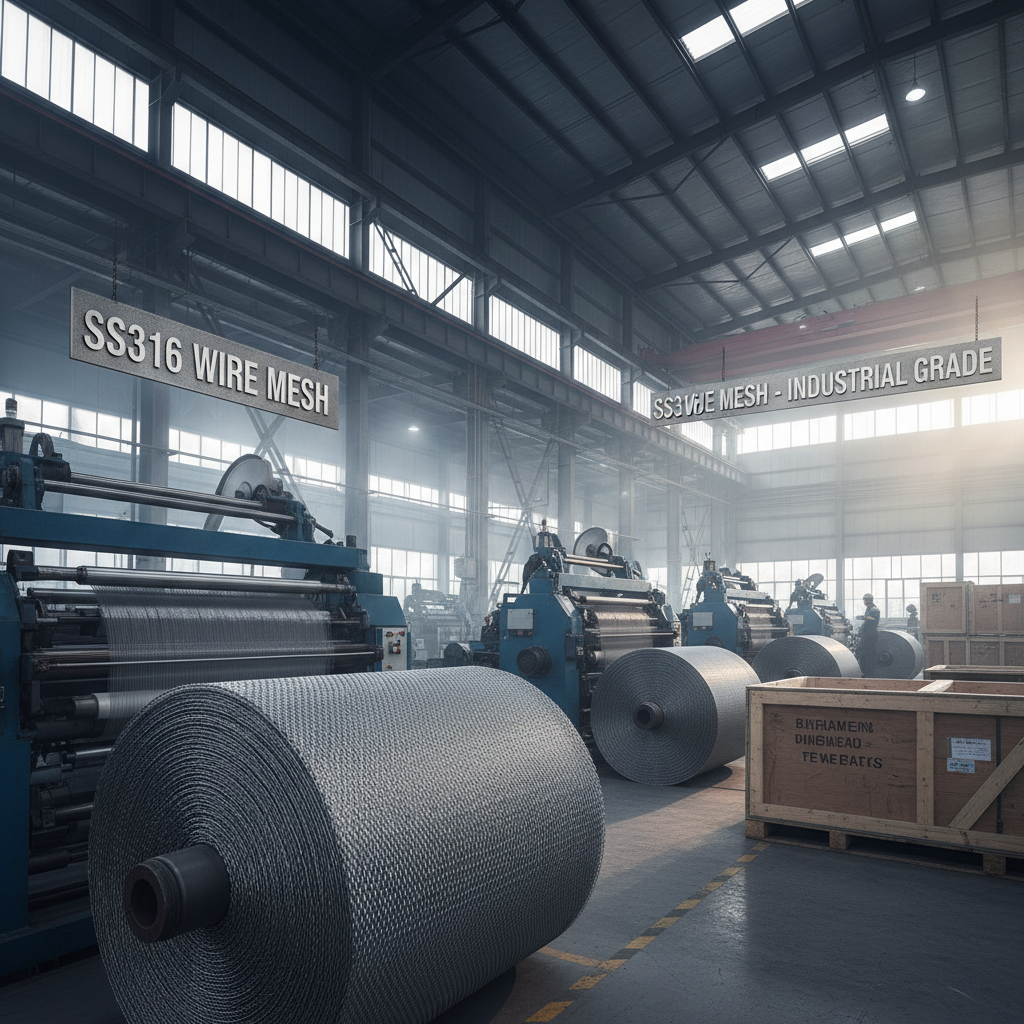
Scalability is another core factor; the mesh can be produced in massive rolls for conveyor belt reinforcement or precision-cut into small discs for specialized valve gaskets. This flexibility ensures that whether a project is a small-scale laboratory prototype or a massive desalination plant, the material can be adapted without losing its fundamental properties.
Finally, cost efficiency is realized through the material's long-term lifecycle. While the initial investment in stainless steel square wire mesh may be higher than galvanized steel, the absence of rust and the ability to be cleaned with harsh chemicals mean that the total cost of ownership is significantly lower over a five-to-ten-year period.
Industrial Applications and Real-World Use Cases
The practical application of stainless steel square wire mesh spans across diverse sectors. In the food and beverage industry, it is used extensively in sifting flour or filtering oils, where FDA compliance and hygiene are non-negotiable. In the chemical sector, it acts as a catalyst support, providing a stable surface for chemical reactions while allowing gas and liquid to pass through freely.
In more specialized contexts, such as post-disaster relief operations, stainless steel mesh is often used in the construction of temporary water filtration systems to remove large particulates from contaminated sources. Similarly, in remote industrial zones, it provides essential security screening for ventilation systems, preventing pests and debris from entering sensitive machinery.
Performance Analysis of Different Mesh Configurations
Long-Term Value and Sustainability Benefits
Investing in high-quality stainless steel square wire mesh offers tangible logical and emotional benefits. Logically, the material's longevity reduces the frequency of replacement, lowering the carbon footprint associated with the production and transport of new steel. Its 100% recyclability makes it a cornerstone of the "circular economy" within the manufacturing sector.
From an emotional and safety perspective, the reliability of stainless steel provides peace of mind. In critical safety applications, such as window security screens or industrial guards, the knowledge that the mesh will not degrade or snap under environmental stress fosters trust and ensures the dignity and safety of the workforce.
Future Trends in Mesh Engineering
The future of stainless steel square wire mesh is being reshaped by the integration of nanotechnology and automated precision weaving. We are seeing the emergence of "smart meshes" coated with antimicrobial or hydrophobic nanolayers, which prevent bio-fouling in water treatment plants and reduce the need for chemical cleaning agents.
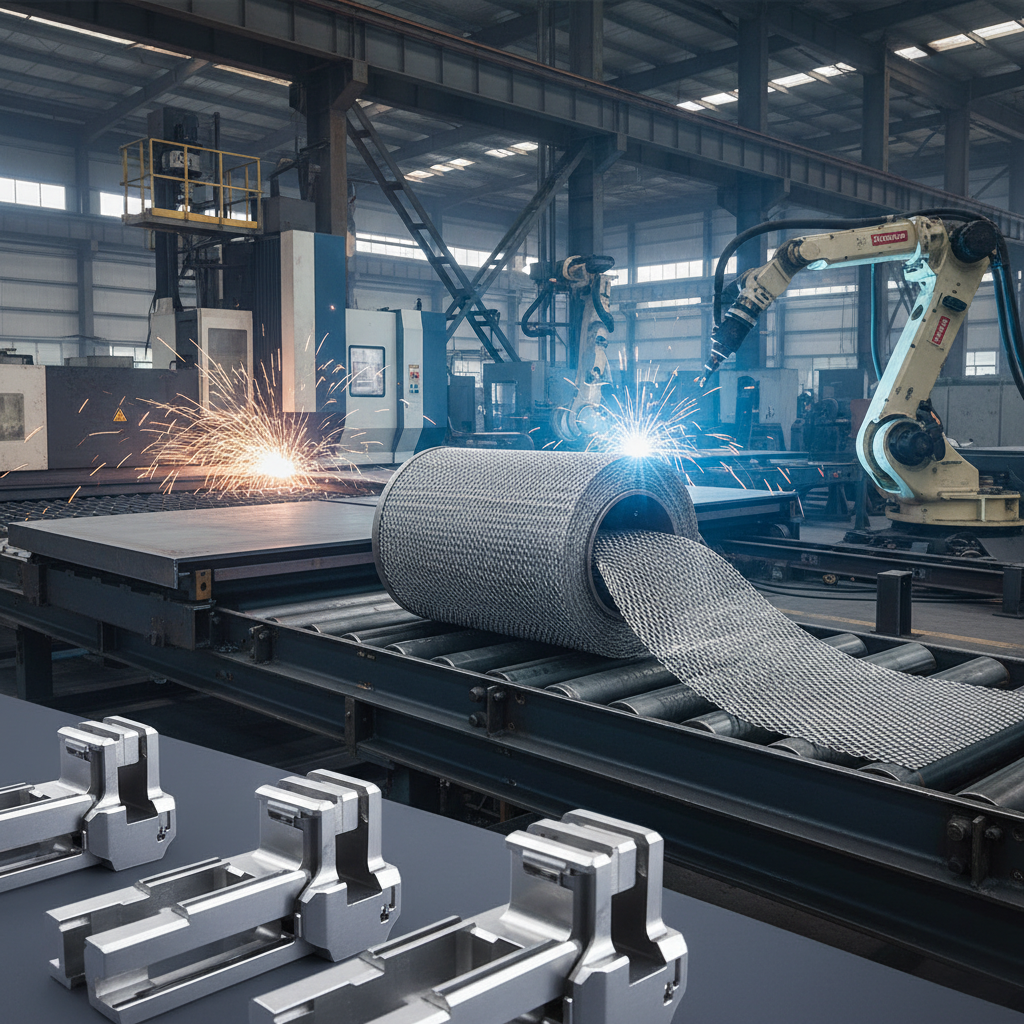
Digital transformation is also playing a role, with AI-driven quality control systems now capable of detecting microscopic inconsistencies in the weave during production. This ensures that every square inch of the mesh meets the exact aperture requirements, eliminating the margin of error in high-precision filtration tasks.
Furthermore, the shift toward green energy has increased the demand for mesh components in hydrogen fuel cells and advanced battery systems. These innovations are pushing the boundaries of what stainless steel square wire mesh can achieve, evolving it from a passive filter into an active component of energy transformation.
Overcoming Common Implementation Challenges
Despite its strengths, users often encounter challenges such as "clogging" or "blinding" when using stainless steel square wire mesh in high-viscosity environments. This occurs when particles become wedged in the square apertures. The solution lies in the implementation of ultrasonic cleaning systems or the use of polished wires that reduce the surface friction between the mesh and the filtered material.
Another common hurdle is the selection of the wrong alloy grade, leading to unexpected pitting corrosion in chloride-rich environments. Expert insight suggests conducting a site-specific chemical analysis before choosing between 304 and 316 grades, or opting for duplex stainless steel for extreme industrial conditions.
By adopting a consultative approach to material selection and combining the mesh with automated cleaning technologies, companies can overcome these limitations and maximize the operational uptime of their systems.
Comparative Analysis of Mesh Selection for Different Environments
| Environment Type |
Recommended Grade |
Primary Challenge |
Solution Strategy |
| Food Processing |
Grade 304 |
Organic Buildup |
CIP (Clean-in-Place) Systems |
| Marine/Offshore |
Grade 316L |
Saltwater Corrosion |
Passivation Treatment |
| Chemical Plant |
Grade 316 / Hastelloy |
Acidic Attack |
Specialized Alloy Coating |
| Pharmaceutical |
Grade 316L (Electropolished) |
Cross Contamination |
High-Precision Weaving |
| Mining/Quarrying |
Grade 304 / Hardened Steel |
Mechanical Abrasion |
Increased Wire Diameter |
| Architecture |
Grade 304 / 316 |
Aesthetic Oxidation |
Powder Coating/PVD |
FAQS
Grade 304 is the most common and versatile option, ideal for most industrial and food-grade applications. Grade 316, however, contains molybdenum, which provides significantly higher resistance to chlorides and acids, making it the professional choice for marine environments or heavy chemical processing where Grade 304 would eventually pit or corrode.
The mesh count refers to the number of openings per linear inch. To determine the right size, identify the smallest particle you need to retain. For example, if you are filtering 500-micron particles, you need a mesh with an aperture slightly smaller than that. Consult a technical chart or a specialist to balance flow rate against filtration precision.
Yes, stainless steel is renowned for its heat resistance. Depending on the grade, it can withstand temperatures from several hundred to over a thousand degrees Celsius without losing its structural integrity. For extreme furnace environments, specialized alloys like Inconel or 310S stainless steel are often recommended to prevent scaling.
Clogging can be mitigated through several methods: implementing a back-flush system that pushes particles back out of the mesh, using ultrasonic cleaners for periodic maintenance, or selecting a mesh with a polished surface finish to reduce the adhesion of particles. Proper tensioning of the mesh also helps maintain the aperture shape.
Wire mesh is generally superior when you need a higher open-area percentage and finer precision. Perforated sheets are better for heavy-duty impact resistance where the mesh might be torn. For high-precision filtration and airflow, the stainless steel square wire mesh is almost always the preferred choice.
Regular cleaning with mild detergents or specialized alkaline cleaners is usually sufficient. For heavy oxidation, a passivation process (using nitric or citric acid) can restore the protective chromium oxide layer. Avoid using steel wool or carbon steel brushes, as these can leave iron particles on the surface, leading to "tea staining" or rust.
Conclusion
In summary, stainless steel square wire mesh is far more than a simple industrial accessory; it is a precision-engineered tool that ensures safety, hygiene, and efficiency across a multitude of global industries. From its core technical strengths in corrosion resistance and structural stability to its evolving role in nanotechnology and green energy, it remains a cornerstone of modern manufacturing.
As industries move toward greater automation and stricter environmental standards, the strategic selection of the right mesh grade and configuration will be a key differentiator in operational success. We recommend that engineers and business owners prioritize long-term material value over short-term cost to ensure the highest standards of reliability. For premium solutions tailored to your specific needs, visit our website: www.stainlessmetalmesh.com.