In the demanding world of industrial filtration and structural reinforcement, stainless steel square mesh stands as a cornerstone of engineering precision. This specialized material, characterized by its uniform aperture size and exceptional structural integrity, provides the critical balance between openness and strength required for high-performance industrial applications.
Beyond its simple appearance, the utility of this material lies in its metallurgical composition and weaving precision. Whether it is used for precise sifting in chemical laboratories or as a heavy-duty barrier in architectural design, the ability of the mesh to resist corrosion while maintaining geometric stability makes it an indispensable asset in global manufacturing chains.
Understanding the nuances of stainless steel square mesh—from wire gauge selection to weave density—allows engineers and procurement specialists to optimize their processes for maximum longevity and efficiency, reducing long-term operational costs and enhancing safety standards.
Global Relevance of Stainless Steel Square Mesh
On a global scale, the demand for stainless steel square mesh is driven by the rapid expansion of the pharmaceutical, food processing, and aerospace sectors. Adhering to ISO standards for material purity and dimensional tolerance, this mesh ensures that filtration processes meet the stringent hygiene and safety requirements demanded by international regulatory bodies.
The challenge often lies in the volatility of raw material costs and the need for extreme precision in high-mesh-count weaves. As industries shift toward automation, the reliability of these components becomes critical; a single failure in a filtration screen can lead to catastrophic production downtime or product contamination in a multi-million dollar facility.
Defining the Technical Nature of Square Mesh
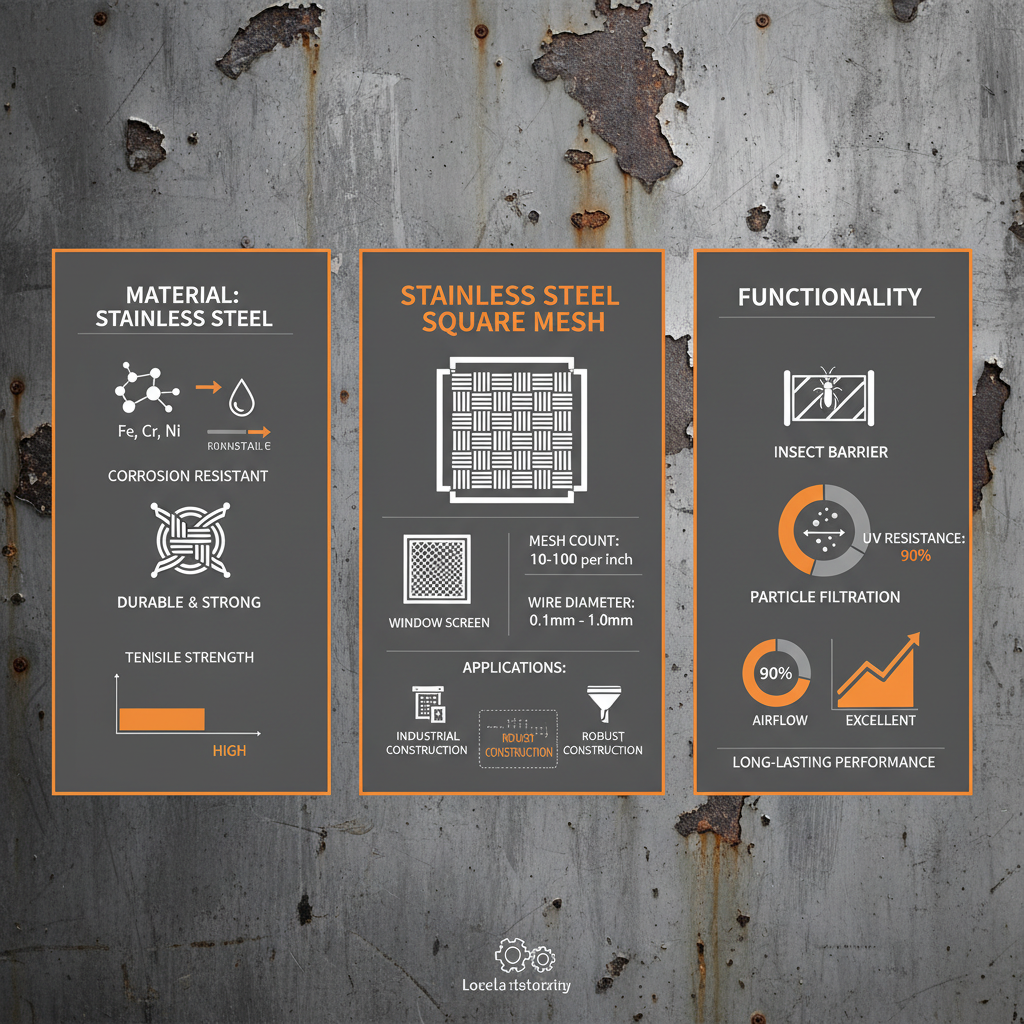
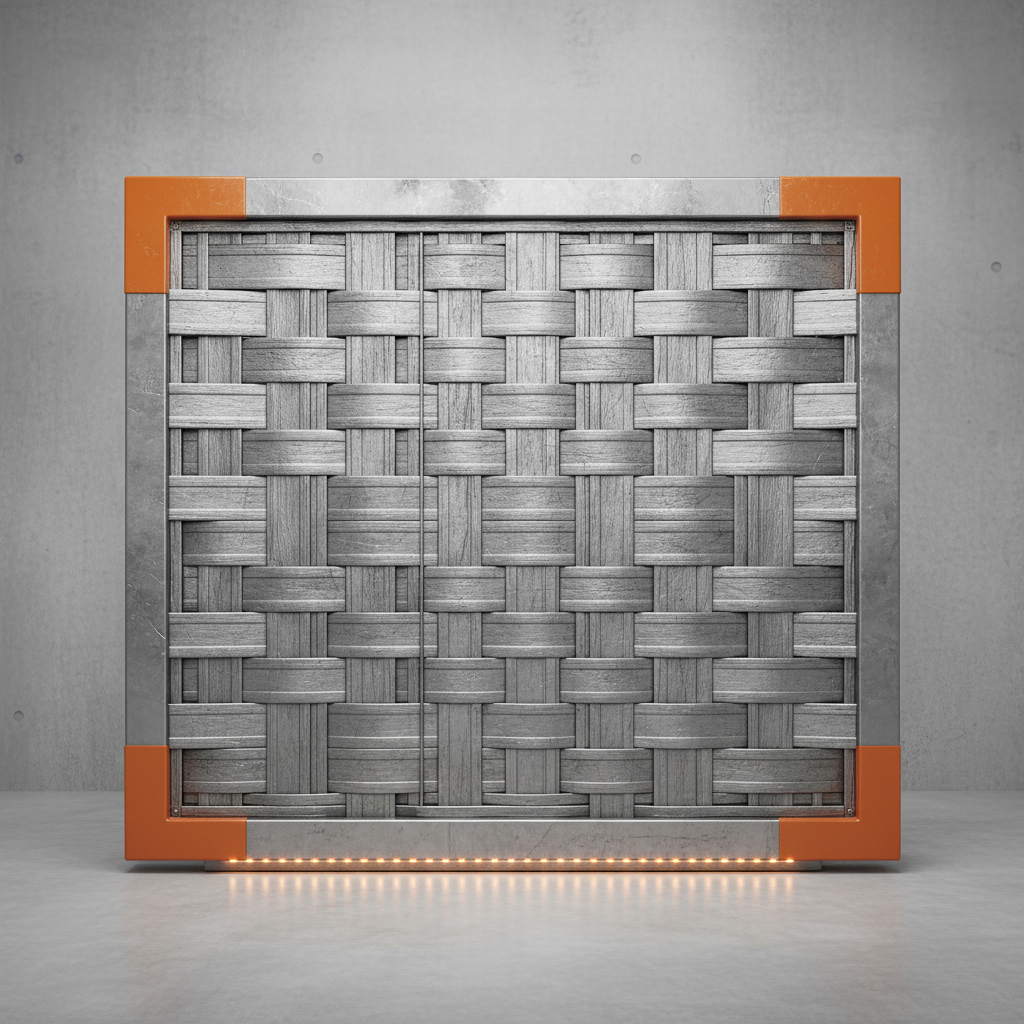
At its core, stainless steel square mesh is a woven fabric created by interlacing stainless steel wires at right angles, forming consistent, square-shaped openings. Unlike woven wire cloth with rectangular apertures, the square configuration ensures uniform flow resistance and consistent particle separation, which is vital for laboratory grading and industrial sifting.
This material is fundamentally linked to the modern drive for "zero-defect" manufacturing. By utilizing grades such as 304, 316, or 316L, the mesh offers an inherent resistance to oxidation and chemical attack. This makes it an ideal solution for humanitarian needs, such as water purification systems in developing regions where durability and low maintenance are paramount.
The intersection of material science and mechanical weaving allows for a wide spectrum of specifications, ranging from coarse security screens to ultra-fine meshes used in electromagnetic shielding. This versatility ensures that whether the goal is structural support or microscopic filtration, the square mesh format remains the industry standard.
Core Components of High-Performance Mesh
Durability is the primary hallmark of stainless steel square mesh. The tensile strength of the stainless steel wire prevents the apertures from distorting under pressure, ensuring that the filtration grade remains constant throughout the product's lifecycle, even in high-vibration environments.
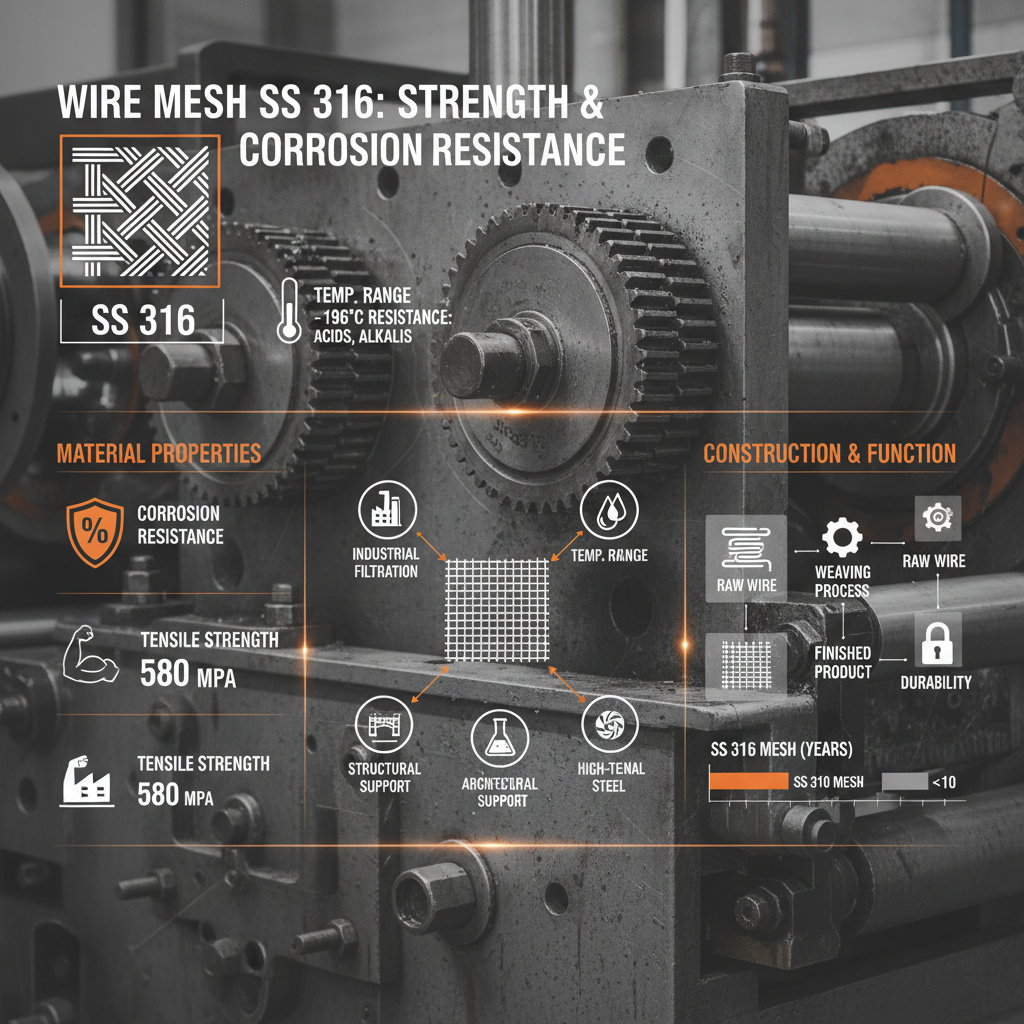
Corrosion resistance is another critical factor, particularly for stainless steel square mesh used in marine or chemical environments. The addition of molybdenum in Grade 316 provides a protective oxide layer that prevents pitting and crevice corrosion, extending the replacement cycle and reducing operational waste.
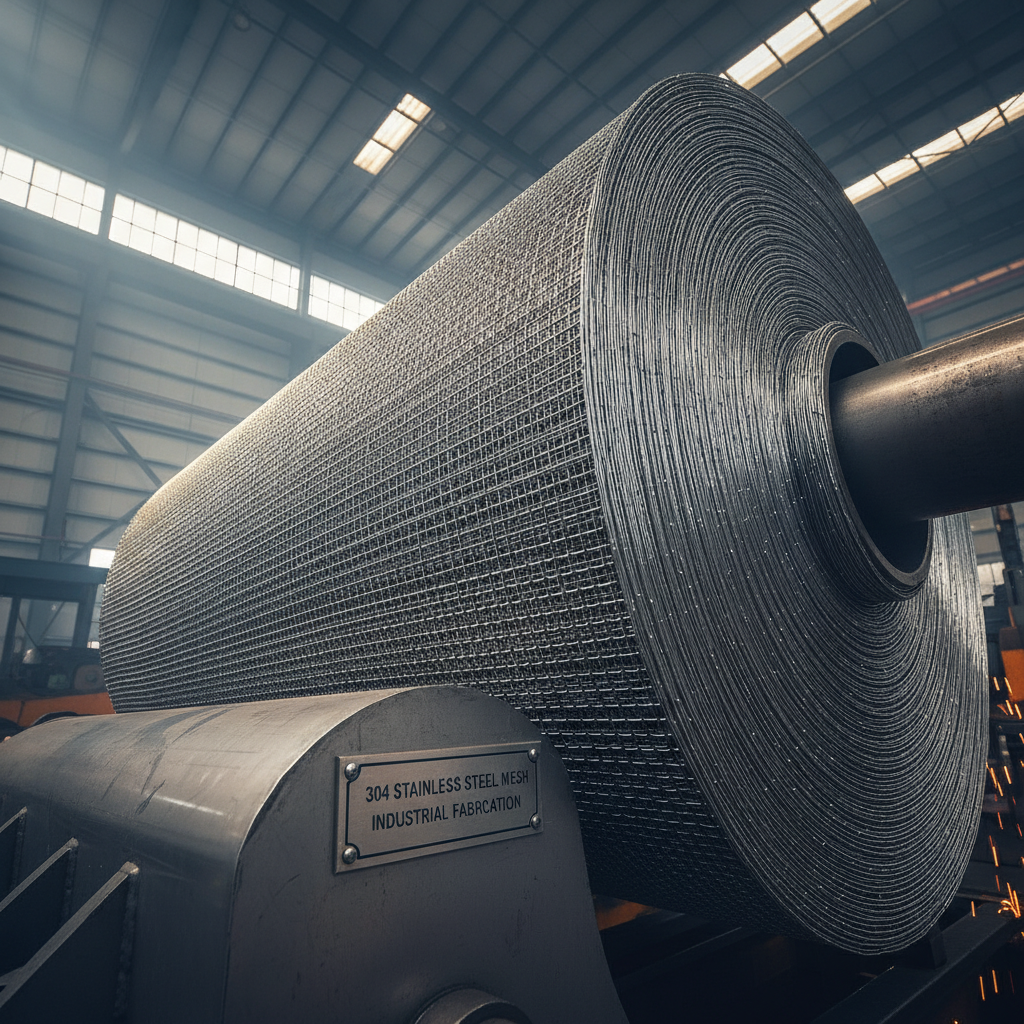
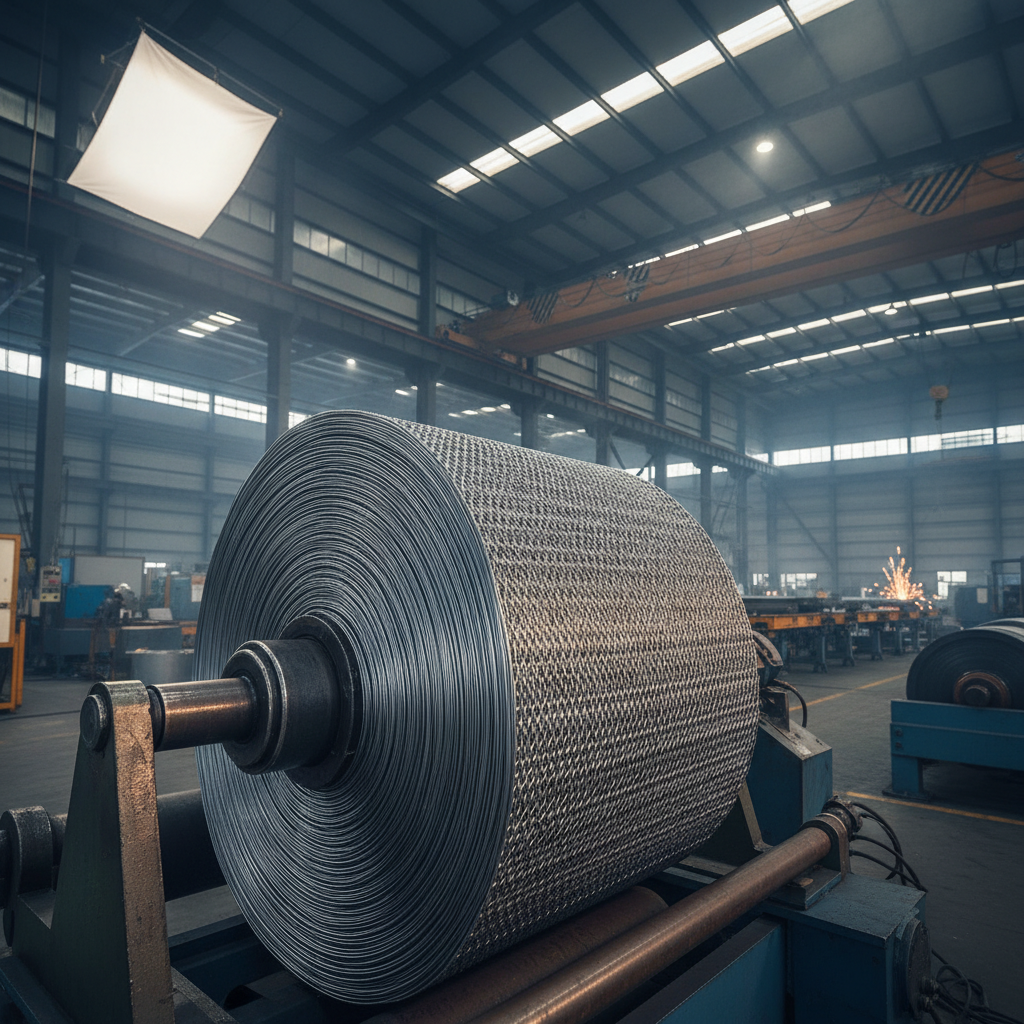
Precision and Scalability complete the core value proposition. From small-scale prototypes to massive industrial rolls, the ability to maintain a precise "mesh count" (number of openings per linear inch) allows engineers to scale their systems without sacrificing the accuracy of their filtration or separation processes.
Industrial Applications and Global Use Cases
The application of stainless steel square mesh spans the globe, from the high-tech cleanrooms of Singapore to the mining operations of Australia. In the food and beverage industry, it is used as a primary screening tool to remove contaminants from raw ingredients, ensuring compliance with global food safety standards.
In more extreme contexts, such as remote industrial zones or post-disaster relief operations, this mesh is utilized in improvised water filtration and temporary architectural barriers. Its ability to be easily transported and installed while providing immediate structural or filtration utility makes it a lifeline in critical infrastructure recovery.
Performance Metrics of Stainless Steel Square Mesh Types
Long-Term Value and Sustainability
Investing in high-quality stainless steel square mesh delivers tangible economic advantages. Because of its immense lifespan and resistance to wear, the total cost of ownership is significantly lower than that of plastic or galvanized alternatives, which require frequent replacement and contribute to landfill waste.
From a sustainability perspective, stainless steel is 100% recyclable. By implementing durable mesh solutions, industries reduce their carbon footprint associated with frequent manufacturing and shipping of replacement parts. This creates a cycle of trust and reliability, where the material's longevity reflects the innovation and stability of the brand utilizing it.
Future Innovations in Mesh Technology
The future of stainless steel square mesh is being reshaped by nanotechnology and additive manufacturing. We are seeing the emergence of "smart meshes" coated with nano-catalysts that can filter pollutants at a molecular level, turning a passive structural component into an active chemical processor.
Digital transformation is also playing a role through the use of AI-driven quality control. Laser-scanning systems can now detect micron-level deviations in the square aperture of the mesh during production, ensuring that every roll delivered to a customer is mathematically perfect and consistent.
Moreover, the shift toward green energy is driving the development of specialized alloy meshes for hydrogen fuel cells and advanced battery separators. These innovations ensure that the basic geometry of the square mesh remains relevant even as the materials evolve to meet the needs of the 21st-century energy transition.
Overcoming Implementation Challenges
Despite its advantages, implementing stainless steel square mesh in high-pressure environments can present challenges, such as "blinding" or clogging. This occurs when particles become lodged in the square openings, reducing flow efficiency and increasing pressure drops across the system.
Expert insights suggest that the solution lies in the integration of ultrasonic cleaning systems or the application of hydrophobic coatings. By modifying the surface energy of the stainless steel, particles are less likely to adhere, thereby maintaining the operational integrity of the mesh without requiring manual downtime.
Another common limitation is the potential for wire fatigue in vibrating screens. To overcome this, engineers are now utilizing "edge-welding" and specialized tensioning frames that distribute mechanical stress evenly across the mesh surface, preventing premature failure and ensuring a longer service life.
Comparison of Stainless Steel Square Mesh Performance across Different Industrial Environments
|
Industry Sector
|
Corrosion Risk
|
Stress Level
|
Mesh Grade Recommendation
|
| Pharmaceutical |
Low |
Low |
316L Precision Mesh |
| Chemical Processing |
Extreme |
Medium |
Hastelloy / 316 Mesh |
| Food & Beverage |
Medium |
Low |
304 Food Grade Mesh |
| Mining & Quarrying |
Medium |
High |
Heavy-Duty 304 Mesh |
| Marine Engineering |
High |
Medium |
316 Marine Grade Mesh |
| Architecture |
Low |
Low |
304 Decorative Mesh |
FAQS
The primary difference is the addition of molybdenum in Grade 316. While 304 is excellent for general-purpose industrial use and food processing, 316 offers superior resistance to chlorides and acids, making it the preferred choice for marine environments or aggressive chemical filtration where 304 might suffer from pitting corrosion.
Mesh count refers to the number of openings per linear inch. To determine the right size, identify the smallest particle you need to retain. The aperture size should be slightly smaller than that particle. For example, if you need to filter 500-micron particles, a mesh with a 400-micron opening is typically recommended to ensure total retention.
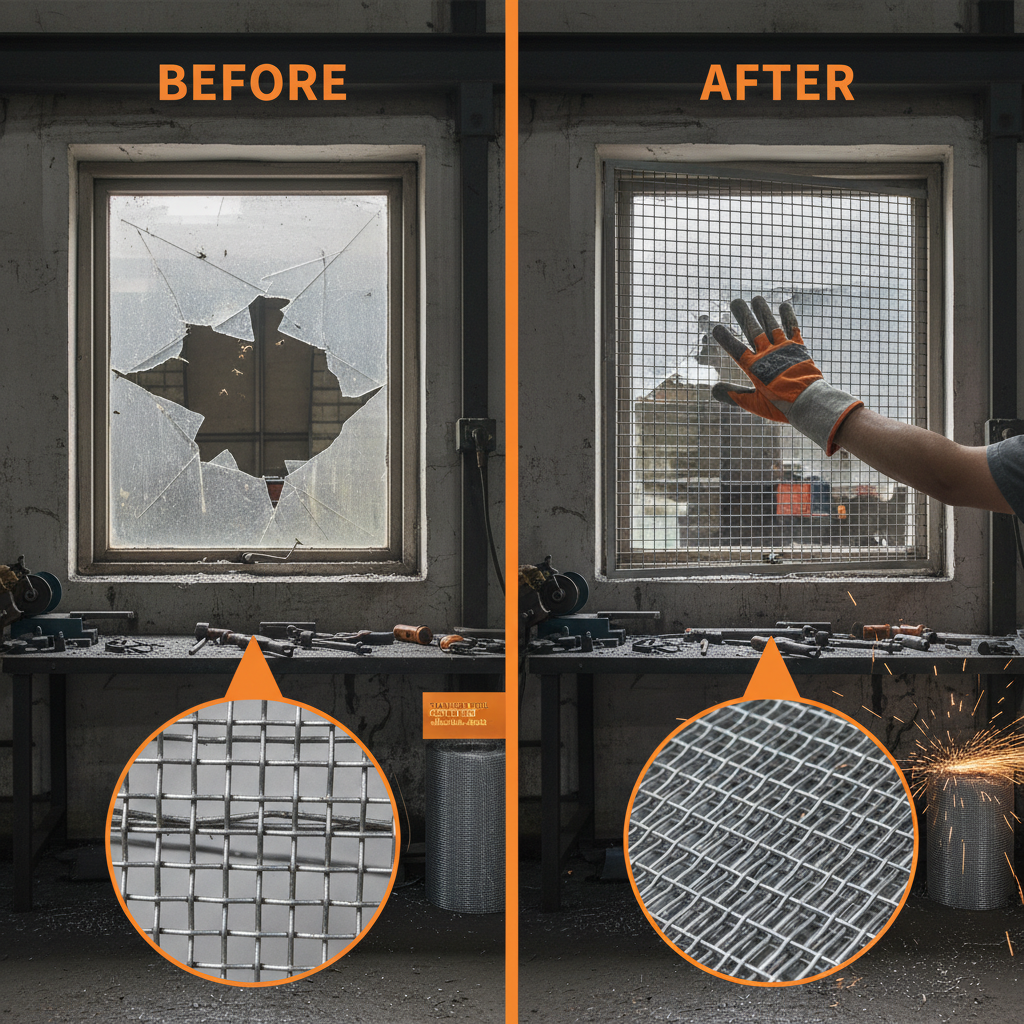
Yes, high-tensile stainless steel square mesh is frequently used for security window screens. Unlike aluminum, it is nearly impossible to cut with standard tools and provides a robust physical barrier without blocking airflow or visibility, combining safety with architectural aesthetics.
Clogging can be mitigated by increasing the open area percentage or applying a specialized hydrophobic/oleophobic coating. Additionally, implementing a back-flushing system or ultrasonic vibration can keep the square apertures clear, ensuring a consistent flow rate and reducing the need for manual cleaning.
Absolutely. Stainless steel is one of the most recycled materials in the world. Because of its long service life, it reduces the frequency of replacements, thereby lowering the overall environmental impact. When the mesh finally reaches the end of its life, it can be fully melted down and repurposed into new steel products.
Lifespan varies by environment, but in standard industrial conditions, a high-quality 316 mesh can last 5 to 10 years. In highly abrasive environments, such as mining, the lifespan may be shorter, but this can be extended by using thicker wire gauges and implementing proper tensioning frames to reduce fatigue.
Conclusion
In summary, stainless steel square mesh is far more than a simple industrial component; it is a precision-engineered tool that enables efficiency, safety, and sustainability across a multitude of global industries. By balancing metallurgical strength with geometric accuracy, it solves the complex challenge of consistent filtration and structural reinforcement in the most demanding environments.
As we move toward a future defined by smarter materials and greener manufacturing, the role of the square mesh will only expand. Companies that prioritize high-grade material selection and innovative maintenance strategies will find themselves with a significant competitive advantage in operational reliability. For those seeking the pinnacle of mesh performance, we invite you to explore our comprehensive range. Visit our website: www.stainlessmetalmesh.com