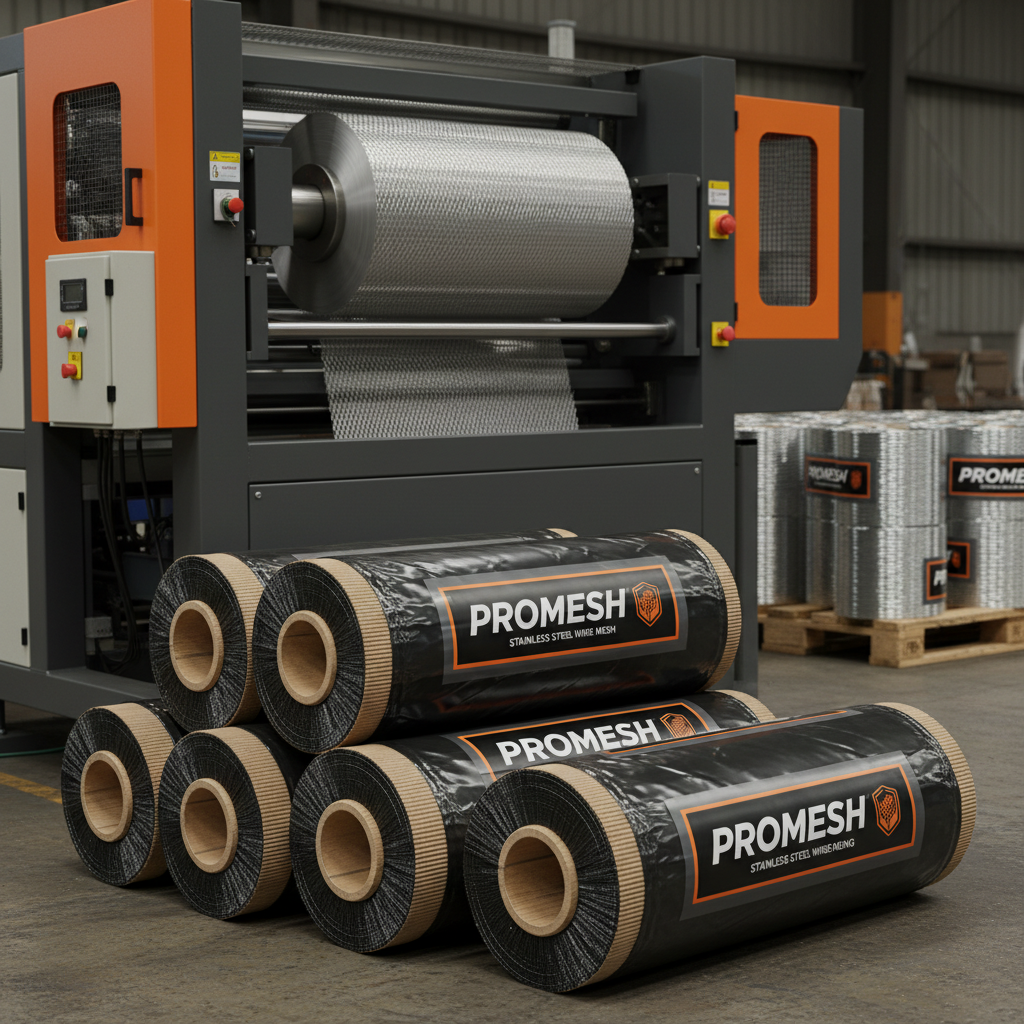
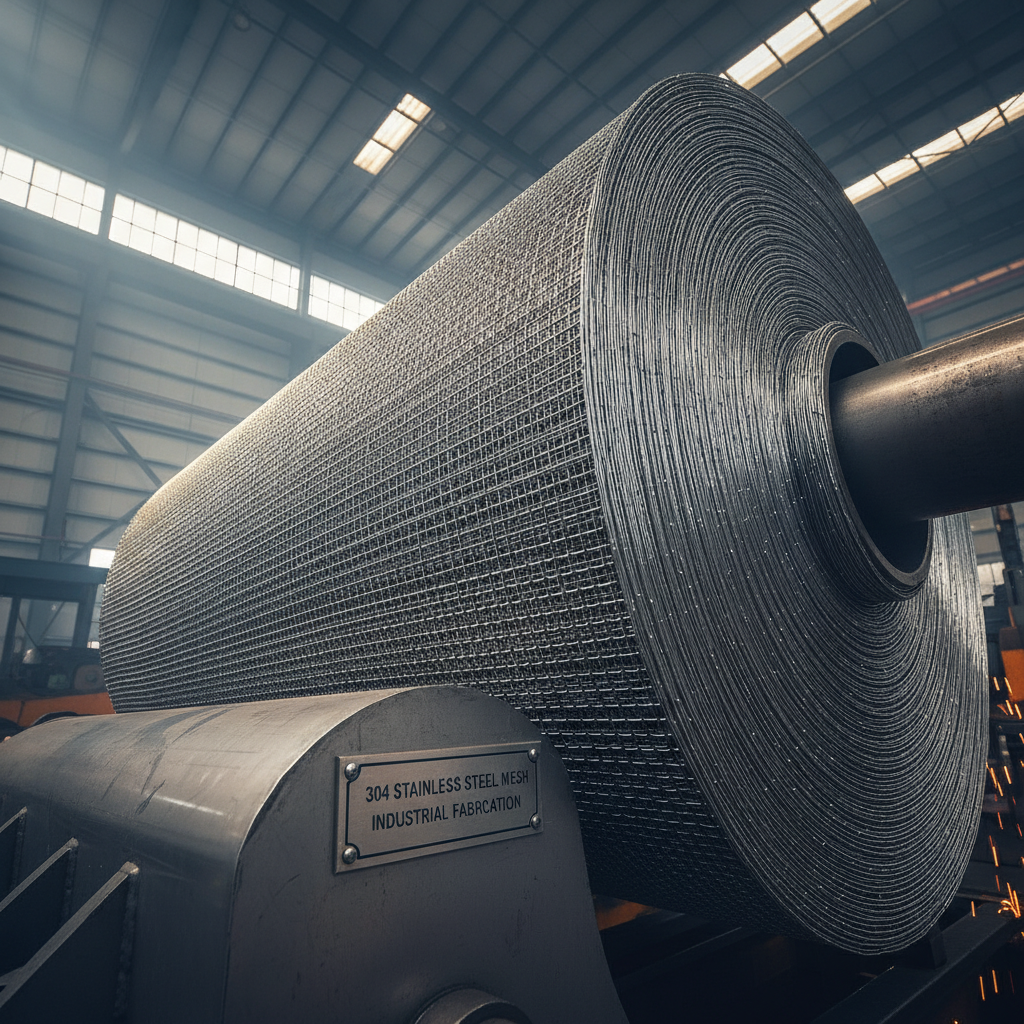
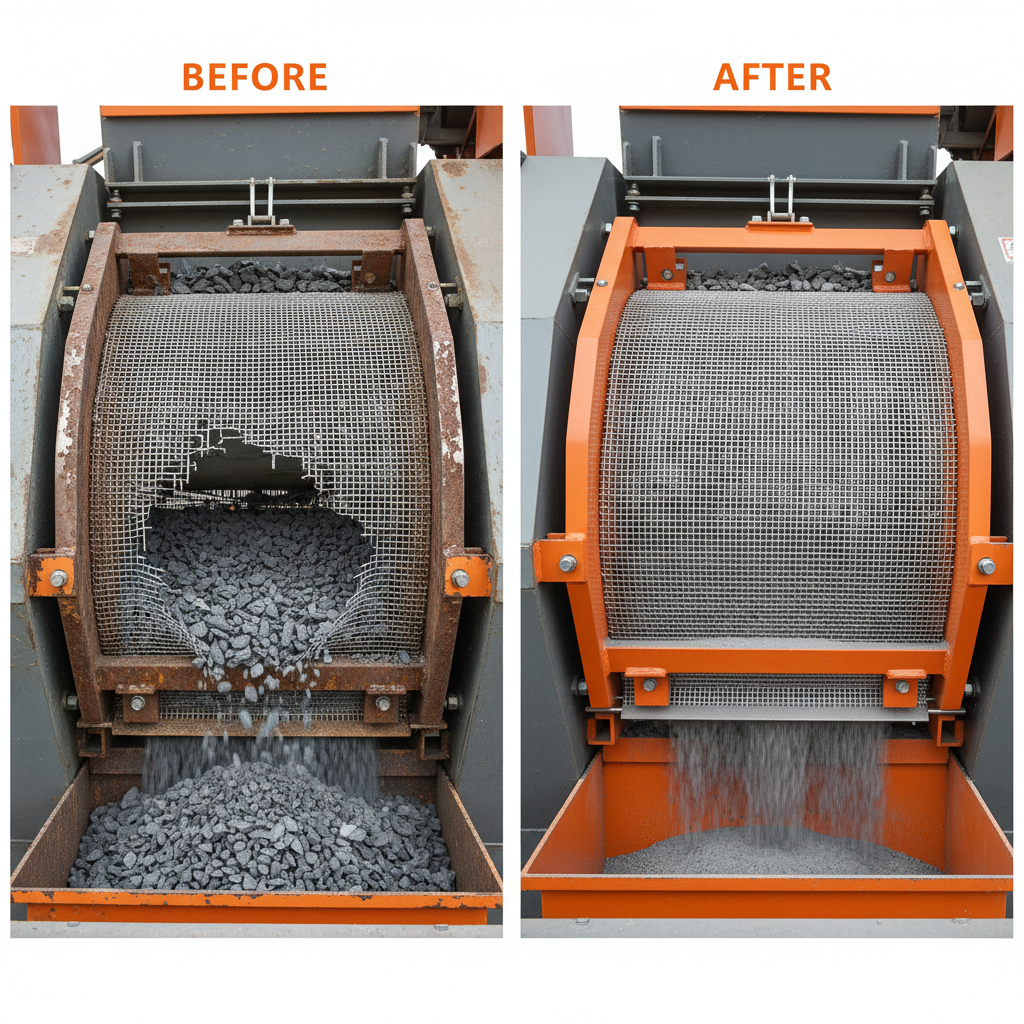
Stainless steel ss wire mesh is a versatile material utilized across a spectrum of industries, from filtration and screening to reinforcement and security. Its inherent properties – corrosion resistance, durability, and precise weave configurations – make it an indispensable component in numerous applications globally. Understanding the nuances of stainless steel ss wire mesh is crucial for engineers, procurement professionals, and anyone involved in designing or implementing systems requiring reliable and long-lasting performance. The global demand for high-quality stainless steel ss wire mesh continues to rise, driven by industrial growth and increasingly stringent quality standards.
The importance of stainless steel ss wire mesh stems from its ability to perform effectively in harsh environments, resisting degradation from chemicals, extreme temperatures, and abrasion. This inherent resilience translates to lower maintenance costs, extended service life, and enhanced safety across diverse sectors. As industries strive for greater efficiency and sustainability, the demand for specialized stainless steel ss wire mesh solutions tailored to specific applications will only intensify. stainless steel ss wire mesh is a cornerstone of modern industrial infrastructure.
From critical filtration processes in pharmaceutical manufacturing to robust security screens in architectural applications, stainless steel ss wire mesh plays a silent yet vital role in supporting modern life. It’s a material that underpins numerous everyday technologies and processes, often unseen but always essential. The continued innovation in stainless steel ss wire mesh production techniques promises even more sophisticated and tailored solutions for future challenges.
The Core Properties of Stainless Steel SS Wire Mesh
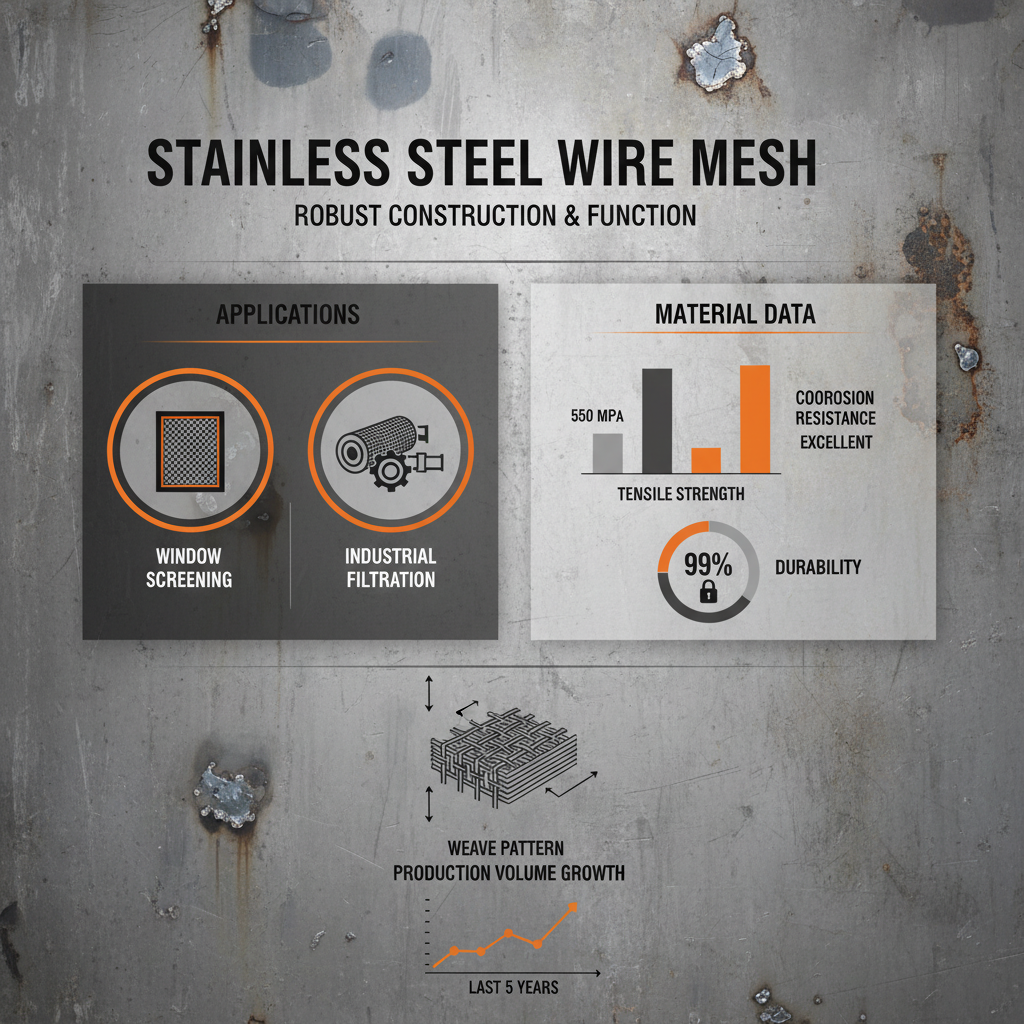
The fundamental strength of stainless steel ss wire mesh lies in its exceptional resistance to corrosion. This characteristic, derived from the chromium content in the alloy, prevents rust and degradation even when exposed to harsh chemicals, saltwater, and extreme weather conditions. This inherent durability minimizes maintenance requirements and extends the lifespan of the mesh, resulting in long-term cost savings. stainless steel ss wire mesh truly stands the test of time.
Beyond corrosion resistance, stainless steel ss wire mesh boasts a high tensile strength, allowing it to withstand significant stress and deformation without failure. This property is critical in applications where structural integrity and load-bearing capacity are paramount, such as filtration systems and reinforcing materials. Different grades of stainless steel offer varying levels of strength and corrosion resistance, allowing for tailored solutions to specific application needs.
Stainless Steel SS Wire Mesh in the Global Landscape
The global market for stainless steel ss wire mesh is substantial and growing, driven by increasing industrialization, infrastructure development, and the demand for high-performance materials across diverse sectors. Asia-Pacific currently represents the largest consumer of stainless steel ss wire mesh, fueled by rapid economic expansion in countries like China and India. North America and Europe also maintain significant market shares, with a strong focus on high-quality, specialized mesh products.
According to market research reports, the stainless steel ss wire mesh market is projected to experience steady growth in the coming years, with an estimated compound annual growth rate (CAGR) of around 5-7%. This growth is attributed to the increasing demand for stainless steel ss wire mesh in applications such as filtration, screening, architectural mesh, and security systems. The increasing emphasis on sustainable materials and long-term durability further contributes to the market's expansion.
Challenges within the industry include fluctuations in raw material prices, increasing competition from lower-cost producers, and the need for continuous innovation to meet evolving customer demands. However, the inherent advantages of stainless steel ss wire mesh – its durability, corrosion resistance, and versatility – ensure its continued relevance in the global materials landscape.
Defining Stainless Steel SS Wire Mesh: Composition and Weave
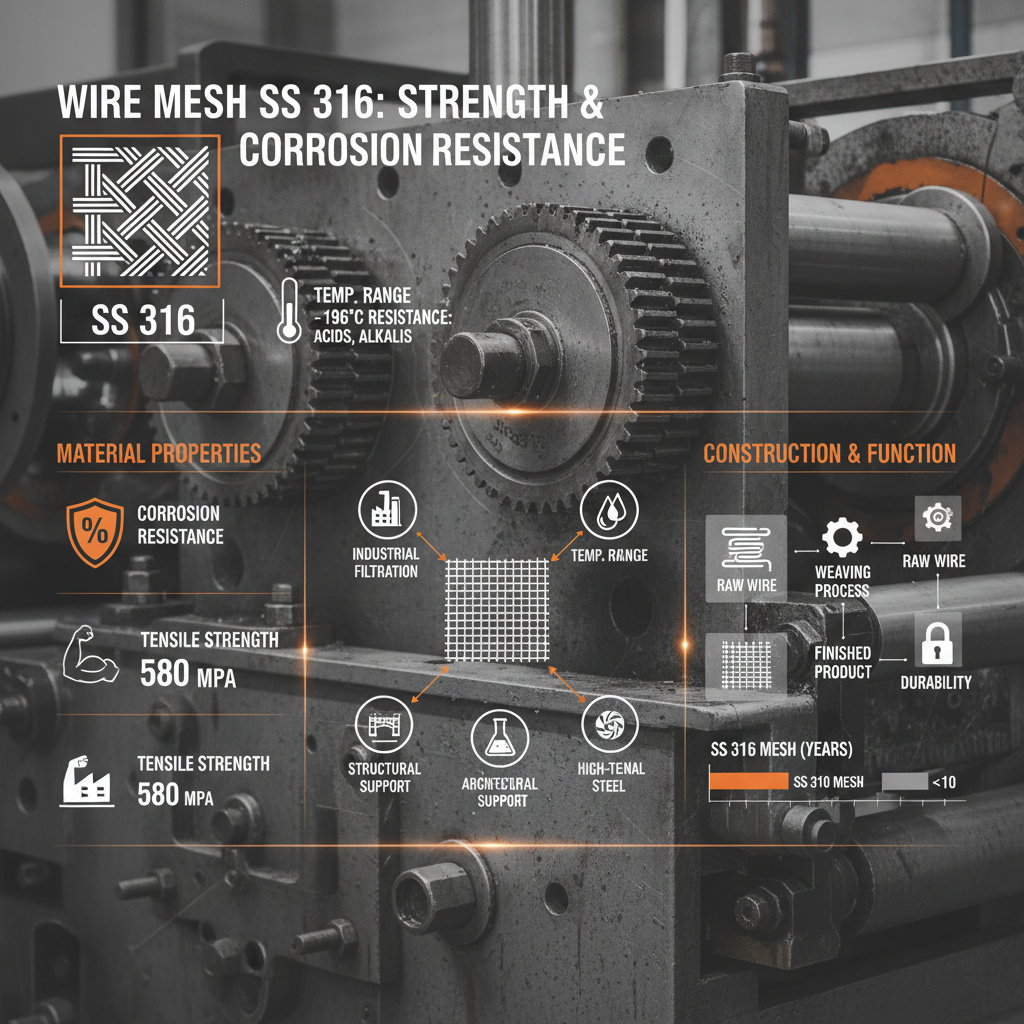
Stainless steel ss wire mesh is fabricated from a variety of stainless steel alloys, each offering unique properties tailored to specific applications. Common grades include 304, 316, 316L, and 430. The “SS” designation refers to Stainless Steel, signifying the presence of at least 10.5% chromium which forms a passive layer protecting the steel from corrosion. stainless steel ss wire mesh composition directly dictates its performance characteristics.
The “weave” refers to the pattern in which the wires are interlaced, significantly impacting the mesh’s properties. Common weaves include plain weave, twill weave, Dutch weave, and reverse Dutch weave. Plain weave offers good strength and stability, while twill weave provides increased density. Dutch and reverse Dutch weaves are designed for superior filtration capabilities, with varying densities of wires in the warp and weft directions. The selection of the appropriate weave is crucial for optimizing performance in a given application.
Mesh count, measured as the number of openings per inch, is another critical specification. Higher mesh counts indicate finer openings, suitable for applications requiring precise filtration or separation. Wire diameter also plays a role, influencing the mesh’s strength and permeability. Understanding these factors is fundamental to selecting the correct stainless steel ss wire mesh for a specific need.
Key Attributes of Stainless Steel SS Wire Mesh Performance
Durability is perhaps the most prominent attribute of stainless steel ss wire mesh. Its inherent resistance to corrosion, abrasion, and impact ensures a long service life, minimizing the need for replacements and reducing lifecycle costs. This makes it a cost-effective choice in the long run, especially for demanding applications.
Scalability refers to the ease with which stainless steel ss wire mesh can be customized to meet specific dimensional and performance requirements. It can be manufactured in a wide range of sizes, shapes, and weaves, allowing for tailored solutions to unique challenges. This versatility makes it adaptable to various industries and applications.
Stainless Steel SS Wire Mesh Performance Ratings
Global Applications and Industry Use Cases
In the pharmaceutical industry, stainless steel ss wire mesh is critical for filtration processes, ensuring the purity and sterility of medications. It's used in applications ranging from clarifying liquids to separating solids from solutions. Its corrosion resistance and ability to withstand sterilization procedures make it ideal for this sensitive industry. stainless steel ss wire mesh truly shines in stringent environments.
The food and beverage industry utilizes stainless steel ss wire mesh for a variety of applications, including sieving, straining, and separating ingredients. Its hygienic properties and resistance to food acids ensure product safety and quality. From breweries to bakeries, stainless steel ss wire mesh is a vital component in maintaining food processing standards.
The Advantages and Long-Term Value Proposition
The cost-effectiveness of stainless steel ss wire mesh is not immediately apparent, as the initial investment may be higher than alternative materials. However, its exceptional durability and longevity translate to significant long-term savings by reducing maintenance, replacements, and downtime. This makes it a financially sound choice for critical applications.
From a sustainability perspective, stainless steel is a recyclable material, reducing its environmental impact. The extended service life of stainless steel ss wire mesh further contributes to sustainability by minimizing waste and resource consumption. Choosing stainless steel ss wire mesh aligns with environmentally responsible practices.
Future Trends and Innovations in Stainless Steel SS Wire Mesh
Advancements in nanotechnology are leading to the development of stainless steel ss wire mesh with enhanced properties, such as increased strength, improved corrosion resistance, and specialized surface coatings. These innovations are expanding the range of applications for stainless steel ss wire mesh.
The integration of digital technologies, such as IoT sensors and data analytics, is enabling real-time monitoring of stainless steel ss wire mesh performance, allowing for predictive maintenance and optimized operations. This data-driven approach improves efficiency and reduces the risk of failures.
The growing demand for sustainable materials is driving research into eco-friendly manufacturing processes for stainless steel ss wire mesh. Developing more energy-efficient production methods and utilizing recycled stainless steel will further enhance the environmental credentials of this versatile material.
Summary of Challenges and Solutions for Stainless Steel SS Wire Mesh Applications
| Challenge |
Impact on Stainless Steel SS Wire Mesh |
Potential Solution |
Implementation Cost (1-10) |
| High Initial Cost |
Barriers to adoption in cost-sensitive applications |
Life Cycle Cost Analysis demonstrating long-term savings |
3 |
| Raw Material Price Volatility |
Fluctuating production costs and pricing uncertainty |
Strategic sourcing and long-term supply contracts |
5 |
| Complex Weave Requirements |
Challenges in manufacturing highly specialized mesh designs |
Investment in advanced weaving technologies |
8 |
| Maintaining Consistent Quality |
Risk of defects impacting performance and reliability |
Robust quality control procedures and certification standards |
6 |
| Supply Chain Disruptions |
Delays in material delivery and production schedules |
Diversifying supplier base and building buffer stock |
4 |
| Limited Design Awareness |
Underutilization of potential applications |
Educational resources and technical support for designers |
2 |
FAQS
The lifespan of stainless steel ss wire mesh in corrosive environments is heavily dependent on the grade of stainless steel, the specific corrosive agent, and the concentration and temperature of exposure. Generally, 316 and 316L stainless steels offer superior corrosion resistance compared to 304, extending the lifespan to decades even in harsh conditions. Regular inspection and maintenance can further prolong its service life. Properly selecting the alloy for the environment is critical.
The weave pattern significantly impacts filtration efficiency. Plain weave provides moderate filtration, while twill weave offers increased density and captures smaller particles. Dutch and reverse Dutch weaves are specifically designed for superior filtration, with varying wire densities in warp and weft. Selecting the appropriate weave based on particle size and flow rate is crucial for optimal performance. The mesh count also directly impacts the filtration capabilities.
Stainless steel ss wire mesh is widely used in the food industry for sieving, straining, and separating ingredients. It’s employed in processes like cheese making, juice clarification, and coffee filtration. Its hygienic properties, resistance to food acids, and ease of cleaning make it ideal for maintaining food safety and quality standards. It’s also used in conveyor belts and protective coverings.
Yes, stainless steel ss wire mesh can be welded, but it requires specific techniques and filler materials to maintain corrosion resistance. The correct welding procedure minimizes the risk of sensitization, a process that can reduce corrosion resistance in the heat-affected zone. Using low-carbon stainless steel filler metals and proper post-weld heat treatment are crucial for preserving the mesh’s integrity.
304 stainless steel ss wire mesh is a common austenitic stainless steel offering good corrosion resistance and is suitable for many applications. 316 stainless steel, however, contains molybdenum, which significantly enhances its resistance to chloride corrosion, making it ideal for marine environments, chemical processing, and applications involving exposure to saltwater. 316L, a low-carbon variant of 316, offers improved weldability.
Stainless steel ss wire mesh can be cleaned with mild detergents and water. Avoid abrasive cleaners or steel wool, as these can damage the surface. For stubborn residue, specialized stainless steel cleaners are available. Regular inspection for damage or clogging is recommended. Depending on the application, periodic passivation treatment can help restore the protective chromium oxide layer, enhancing corrosion resistance.
Conclusion
Stainless steel ss wire mesh stands as a testament to material science innovation, providing a versatile and reliable solution across a wide spectrum of industries. Its combination of durability, corrosion resistance, scalability, and long-term cost-effectiveness makes it an indispensable component in countless applications. From critical filtration processes to robust security systems, stainless steel ss wire mesh continues to play a pivotal role in supporting modern infrastructure and technological advancements.
Looking ahead, ongoing research and development promise to unlock even greater potential for stainless steel ss wire mesh, with advancements in nanotechnology, digital integration, and sustainable manufacturing practices. By embracing these innovations and continually refining production techniques, we can ensure that stainless steel ss wire mesh remains a cornerstone of industrial progress for years to come. Visit our website today to explore our range of stainless steel ss wire mesh products and discover how we can meet your specific needs: stainless steel ss wire mesh.