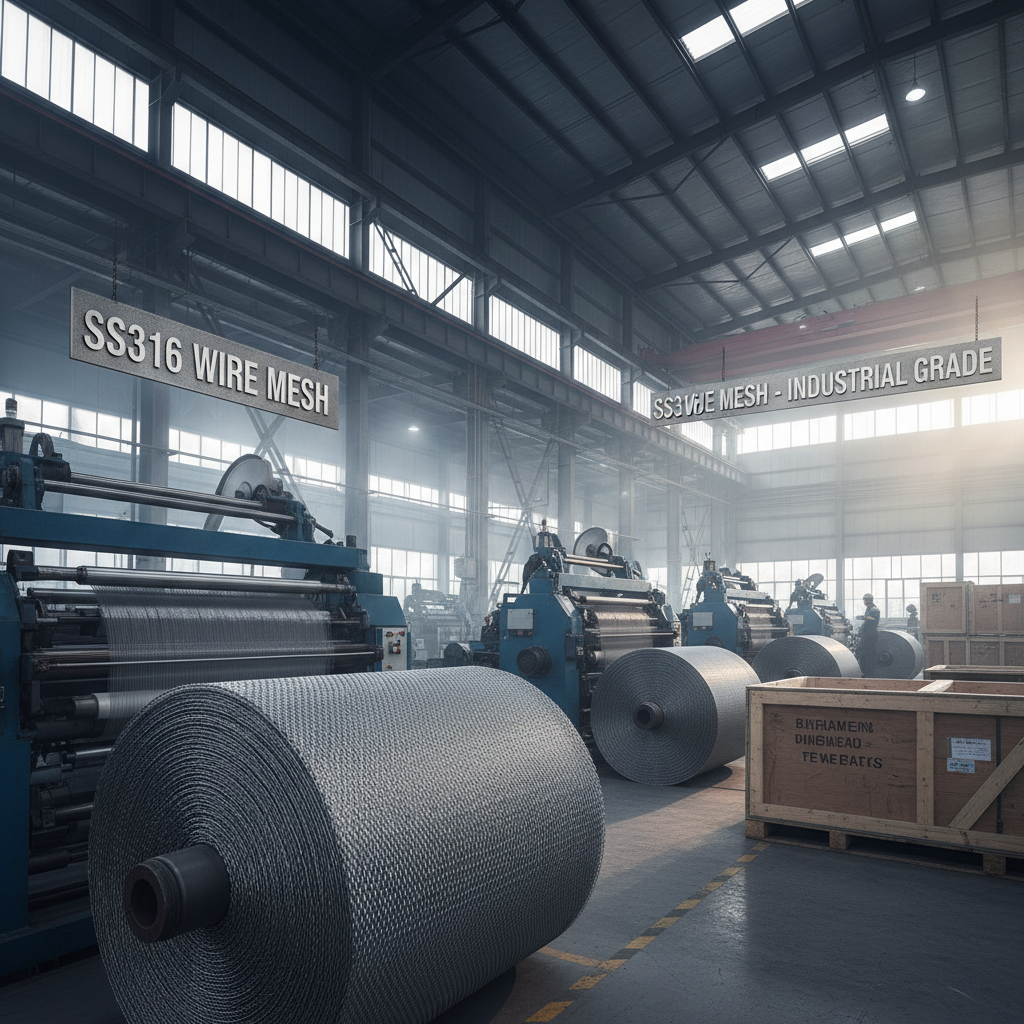
ss316 wire mesh – it’s more than just a material; it's the backbone of countless projects I've seen come to life on site. I've spent years wrestling with different materials, battling corrosion, and trying to find solutions that hold up under real-world stress. And honestly, ss316 consistently outperforms. It's not glamorous, but it works. From reinforcing concrete to creating durable filters, it's a silent workhorse that allows us to build better, safer, and longer-lasting structures. You quickly learn to appreciate the materials that don’t let you down, and ss316 is one of those.
I’ve seen projects delayed, even outright fail, because of material compromises. Choosing the right material upfront saves headaches – and money – down the line. That's where understanding ss316 wire mesh comes in. It’s not the cheapest option initially, sure, but when you factor in longevity, reduced maintenance, and the avoidance of catastrophic failures, it pays for itself many times over. Too often, folks are focused on the upfront cost and miss the big picture.
Over the years, I've watched the demand for reliable, corrosion-resistant materials like ss316 wire mesh steadily increase. Globalization means projects are happening in harsher environments, and the need for materials that can withstand those conditions is only going to grow. It's no longer enough for something to just 'work'; it needs to work reliably for decades. That’s the game changer.
The Importance of ss316 Wire Mesh in Modern Construction
You see a lot of materials come and go, but ss316 wire mesh consistently proves its worth. I've used it on everything from offshore platforms in the North Sea to wastewater treatment plants in the tropics. The common thread? It needs to withstand punishing conditions. It’s a critical component in ensuring structural integrity, especially in applications where corrosion is a constant threat. You can't skimp on things that are buried or submerged - that's where problems really start.
It's not just about durability, either. ss316 wire mesh plays a key role in filtering and separation processes, vital for everything from chemical manufacturing to food processing. I’ve been on sites where a failure in the filtration system due to substandard mesh meant a complete shutdown. Avoiding those kinds of disruptions is a huge win, and it often comes down to selecting the right material from the start.
Defining ss316 Wire Mesh: Composition and Manufacturing
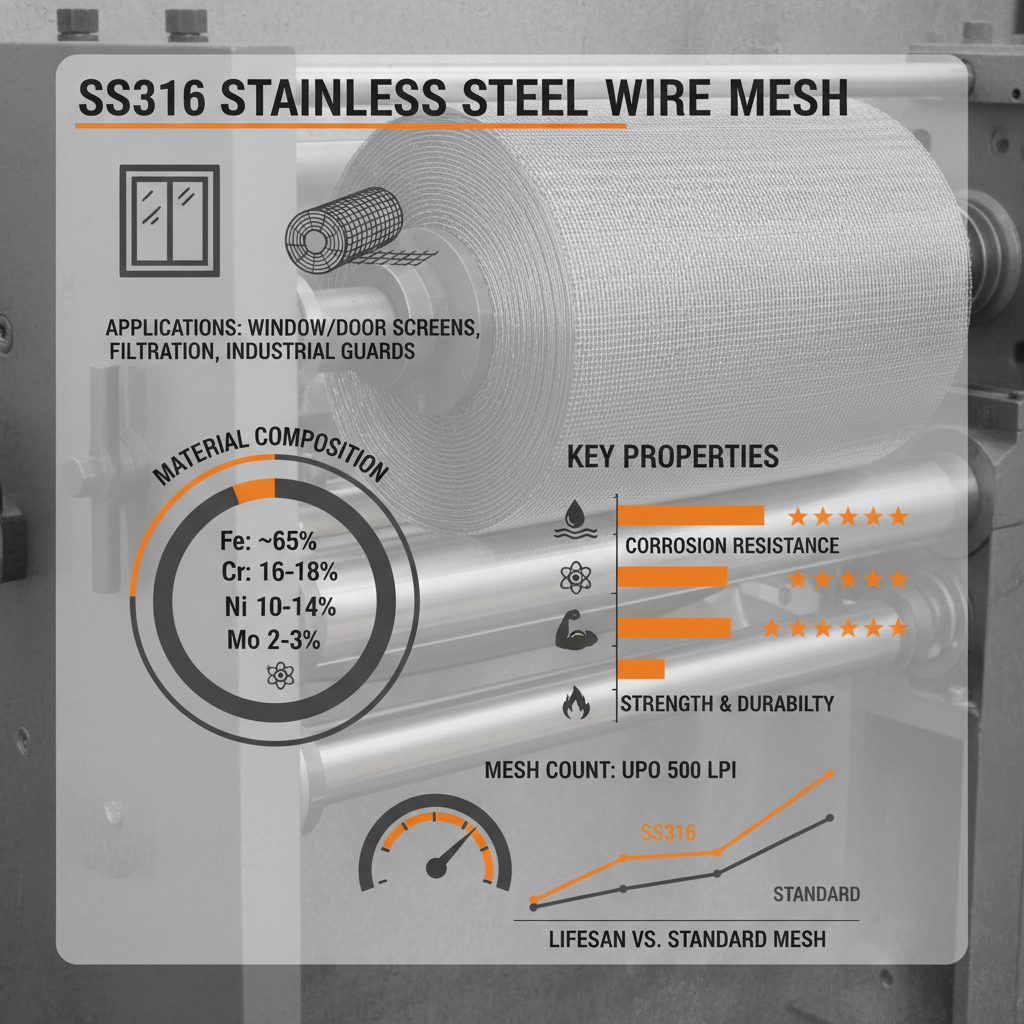
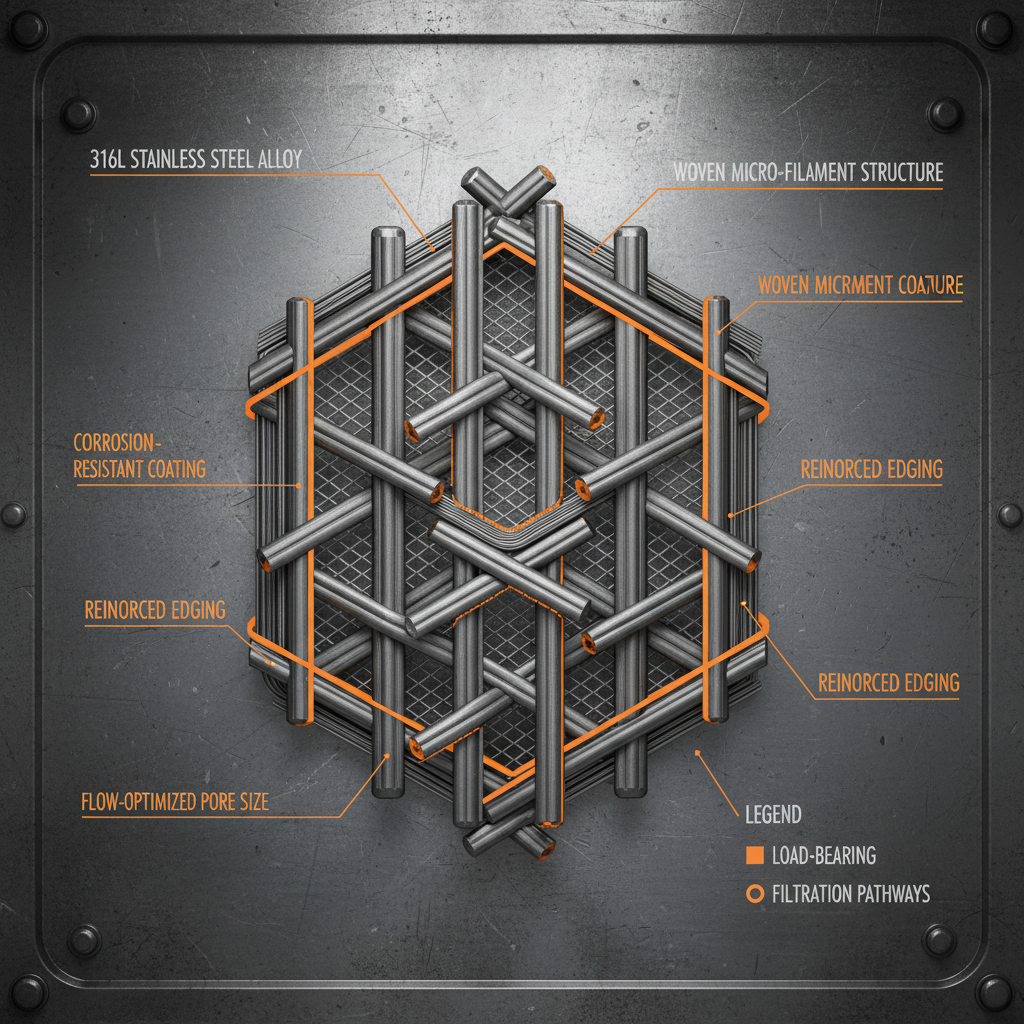
Let's get down to brass tacks. ss316 wire mesh isn’t just “stainless steel”. It's a specific alloy – a blend of iron, chromium, nickel, and molybdenum. That molybdenum content is the key. It’s what gives ss316 its superior corrosion resistance, particularly against chlorides, which are found in seawater, de-icing salts, and even some industrial chemicals. It's this resistance that separates it from lower grades like 304.
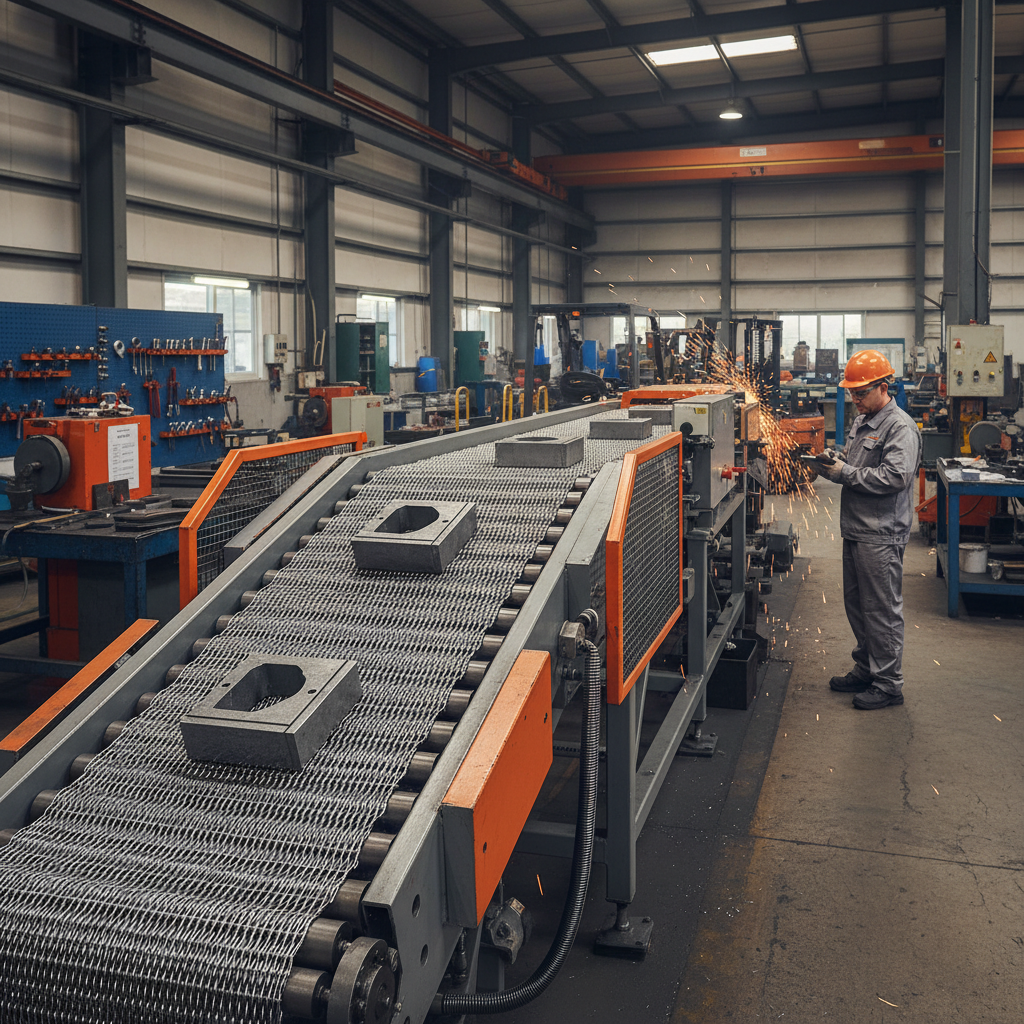
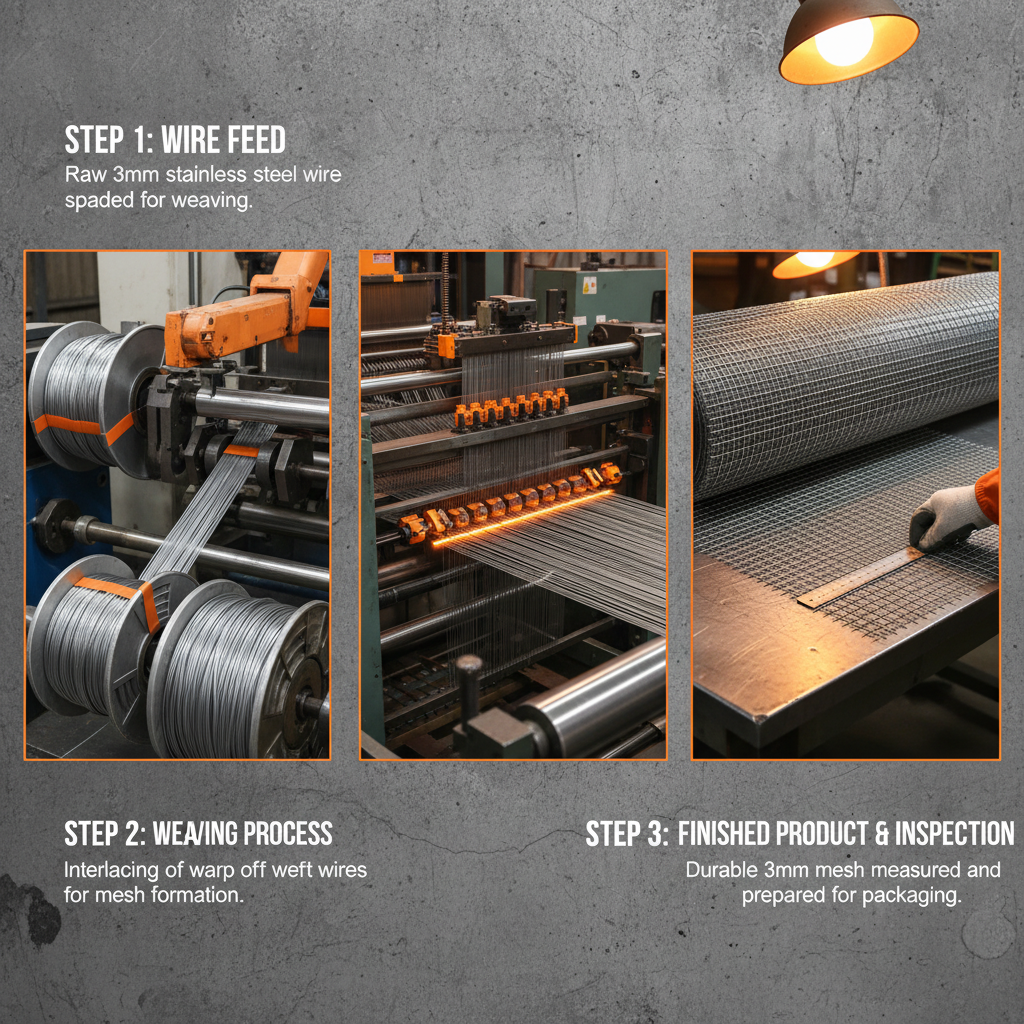
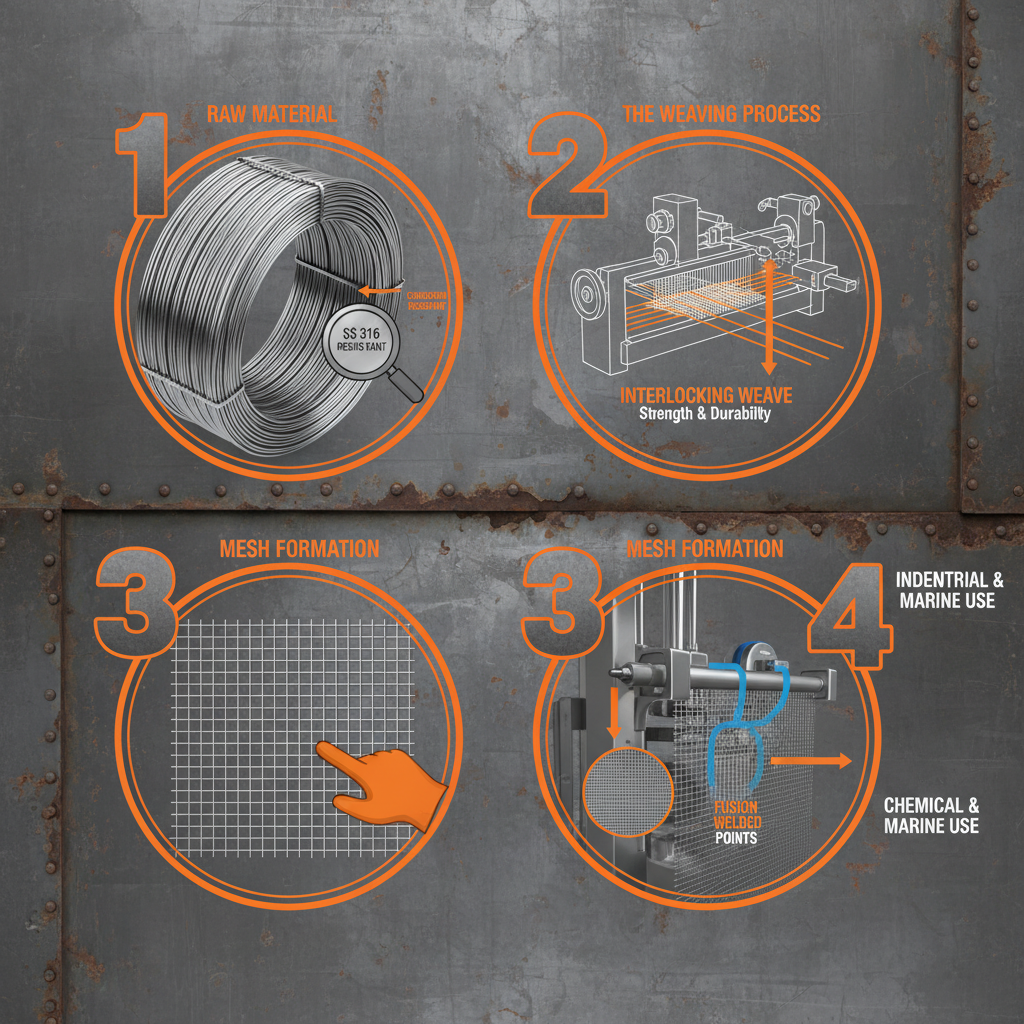
The manufacturing process matters too. The way the wire is drawn, woven, and finished all impact the final product’s strength and durability. I’ve seen mesh that’s poorly woven unravel under stress, leading to failures. Reputable suppliers will have rigorous quality control procedures to ensure consistency and adherence to industry standards. It’s worth paying a bit more for that peace of mind.
Understanding the weave patterns – plain weave, twill weave, dutch weave, etc. – is also crucial. Each weave offers different properties in terms of filtration, strength, and flexibility. Knowing which weave is best suited for a specific application is half the battle. It is important to know what kind of ss316 wire mesh you need.
Key Properties of ss316 Wire Mesh for Practical Applications
The real value of ss316 wire mesh lies in its properties. First, the corrosion resistance is outstanding, as we've discussed. It handles harsh environments that would eat through other materials in no time. Then there's the tensile strength – it’s robust enough to withstand significant stress and strain, making it ideal for structural reinforcement.
The temperature resistance is also a big plus. I’ve used it in applications where the material is exposed to high heat without any degradation. The permeability is another factor – you can control the size of the openings in the mesh to achieve precise filtration or separation. And finally, it's relatively easy to fabricate and weld, making it versatile for a wide range of projects.
The key is selecting the right mesh specifications – wire diameter, aperture size, weave type – to match the demands of the application. That's where experience comes in. I’ve learned that even seemingly small adjustments can make a big difference in performance and longevity.
Global Applications of ss316 Wire Mesh Across Industries
I've seen ss316 wire mesh used in just about every industry imaginable. In marine engineering, it's used for ship building, offshore platforms, and underwater pipelines. In chemical processing, it’s essential for filtration, separation, and catalyst support. Even in food and beverage processing, it’s used to ensure product purity and hygiene.
I worked on a project in Singapore a few years back building a desalination plant. The corrosive saltwater environment demanded ss316 wire mesh for pre-filtration systems. Without it, the entire plant would have been compromised. Similarly, I've seen it deployed extensively in oil and gas refineries around the Gulf Coast, where it's vital for preventing corrosion in critical infrastructure.
ss316 Wire Mesh Application Breakdown by Industry
Advantages and Long-Term Value of Using ss316 Wire Mesh
The upfront cost of ss316 wire mesh is higher than some alternatives, no question about it. But you're investing in longevity. Less downtime for repairs, reduced maintenance costs, and a significantly longer lifespan – those are the real returns. I’ve seen projects where a slightly cheaper mesh failed within a few years, requiring a complete overhaul. The cost of that rework far outweighed the initial savings.
Beyond the cost savings, there's the issue of safety and reliability. A failure in a critical system can have devastating consequences. Using a material you can trust – a material that's been proven to perform in harsh conditions – is paramount. It's about building with confidence and knowing your work will stand the test of time.
Future Trends and Innovations in ss316 Wire Mesh Technology
I'm seeing a lot of innovation in ss316 wire mesh manufacturing. Companies are developing tighter weave patterns for more precise filtration, and new surface treatments to further enhance corrosion resistance. The focus is on maximizing performance and extending the lifespan of the material even further.
There's also a growing interest in sustainable manufacturing practices. Producers are looking for ways to reduce waste, minimize energy consumption, and use recycled materials. It is a trend I hope will continue to gain traction.
Challenges and Solutions in ss316 Wire Mesh Implementation
One of the biggest challenges is sourcing high-quality ss316 wire mesh. There are a lot of knock-offs out there, and it's crucial to work with a reputable supplier who can provide certifications and guarantee the material's composition. Another challenge is proper installation. Even the best mesh will fail if it’s not installed correctly.
Proper surface preparation is also key. If the underlying surface isn’t clean and properly prepared, the mesh won’t adhere properly, and corrosion can start to creep in. Finally, you need to consider the specific environment and select the appropriate weave pattern and wire diameter for the application.
The solution? Due diligence. Thoroughly vetting suppliers, providing proper training to installation crews, and carefully considering the application requirements. It’s about paying attention to the details and not cutting corners.
Summary of Key Challenges & Solutions in ss316 Wire Mesh Application
| Challenge |
Impact on Project |
Recommended Solution |
Cost of Implementation |
| Counterfeit/Low-Quality Mesh |
Reduced corrosion resistance, premature failure |
Source from certified suppliers, verify material certifications |
Low (Verification Costs) |
| Incorrect Mesh Selection |
Compromised filtration, inadequate structural support |
Thorough application analysis, consult with material experts |
Medium (Expert Consultation) |
| Improper Installation |
Weakened adhesion, accelerated corrosion |
Training for installation crews, adherence to best practices |
Medium (Training Costs) |
| Inadequate Surface Preparation |
Poor adhesion, localized corrosion |
Thorough cleaning and surface treatment prior to installation |
Low-Medium (Cleaning Materials) |
| Lack of Regular Inspection |
Undetected corrosion, potential for catastrophic failure |
Scheduled inspections and preventative maintenance |
Low (Inspection Labor) |
| Environmental Mismatch |
Rapid degradation, shortened lifespan |
Select ss316 grade suited for specific environmental conditions |
Medium (Material Upgrades) |
FAQS
The key difference lies in the molybdenum content. ss316 contains molybdenum, which significantly enhances its resistance to corrosion, particularly in chloride environments like saltwater. ss304 lacks this element, making it less suitable for harsh environments. While 304 is more affordable, ss316’s longevity and reliability often justify the added cost in the long run, especially for outdoor or marine applications.
Determining the right mesh size involves considering the particle size you need to filter out. You need a mesh aperture smaller than the particles you're trying to remove. It's also important to consider the pressure drop across the mesh – a finer mesh will offer better filtration but can also restrict flow. I usually recommend starting with a sample and testing it in your specific application.
Yes, ss316 wire mesh is weldable, but requires careful technique. Using the correct welding procedures – such as TIG or MIG welding with appropriate filler metals – is critical to maintain corrosion resistance. Improper welding can create localized corrosion points. Always consult with a qualified welder experienced in working with stainless steel.
Common weave patterns include plain weave (general purpose), twill weave (higher strength and density), and Dutch weave (excellent filtration). Plain weave is great for general support. Twill offers better durability, while Dutch weaves excel at filtering fine particles. Choosing the right pattern depends on the specific demands of your application.
Always purchase from reputable suppliers who can provide material test reports and certifications confirming the alloy composition. Look for suppliers with ISO 9001 certification. Performing a simple chloride test can also help verify the presence of molybdenum, which is a key indicator of genuine ss316. Don't be afraid to ask for documentation and question the supplier about their quality control processes.
In a typical marine environment, properly installed and maintained ss316 wire mesh can last 20-30 years or even longer. However, lifespan is dependent on the severity of the exposure, including salt concentration, wave action, and the presence of other corrosive agents. Regular inspections and cleaning are crucial for maximizing longevity.
Conclusion
ss316 wire mesh isn't just another material; it's a cornerstone of durable, reliable construction across a multitude of industries. Its combination of corrosion resistance, strength, and versatility makes it an indispensable component in everything from marine engineering to chemical processing. Choosing the right specification, sourcing from a reputable supplier, and ensuring proper installation are key to unlocking its long-term value.
Looking ahead, continued innovation in manufacturing and surface treatments will only enhance the performance and sustainability of ss316 wire mesh. For anyone involved in building or maintaining infrastructure in challenging environments, understanding the properties and applications of this material is no longer a luxury – it's a necessity. For more information and to explore our range of ss316 wire mesh products, visit our website: ss316 wire mesh