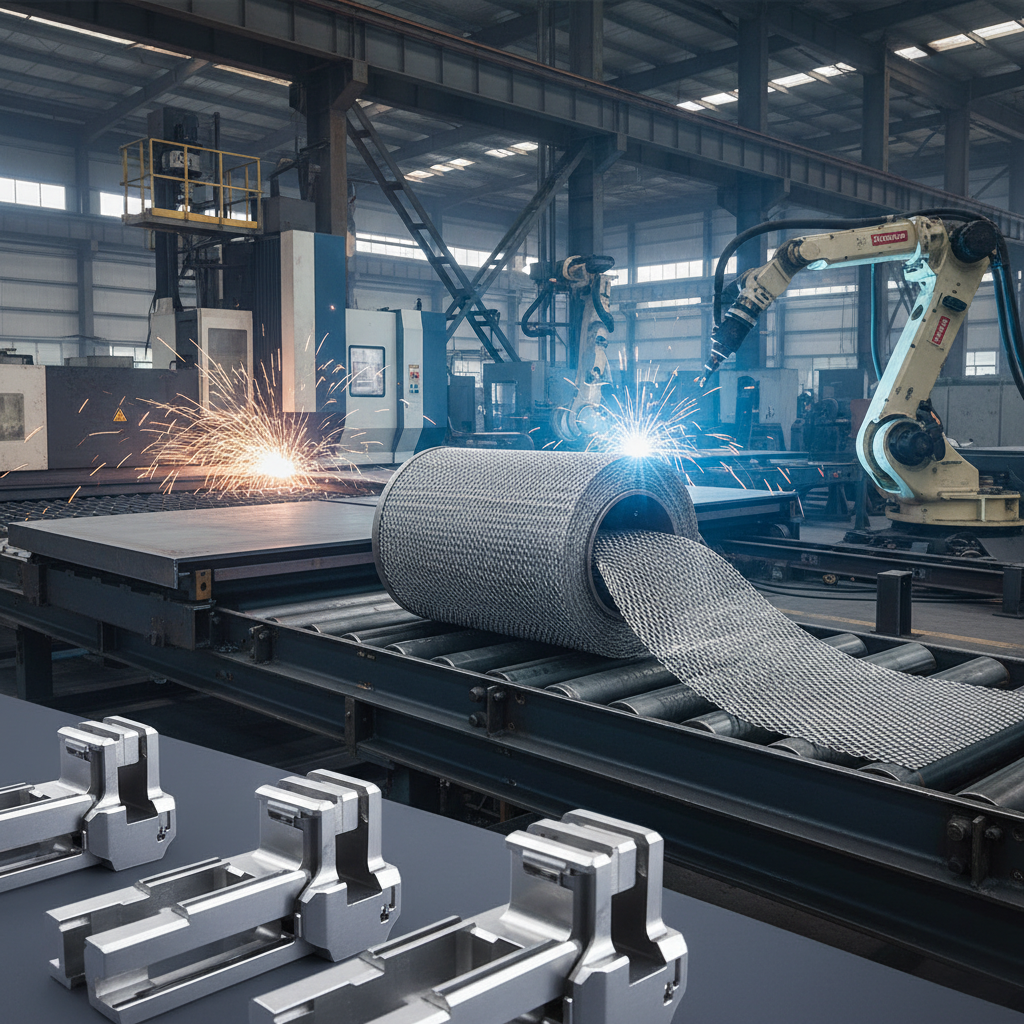
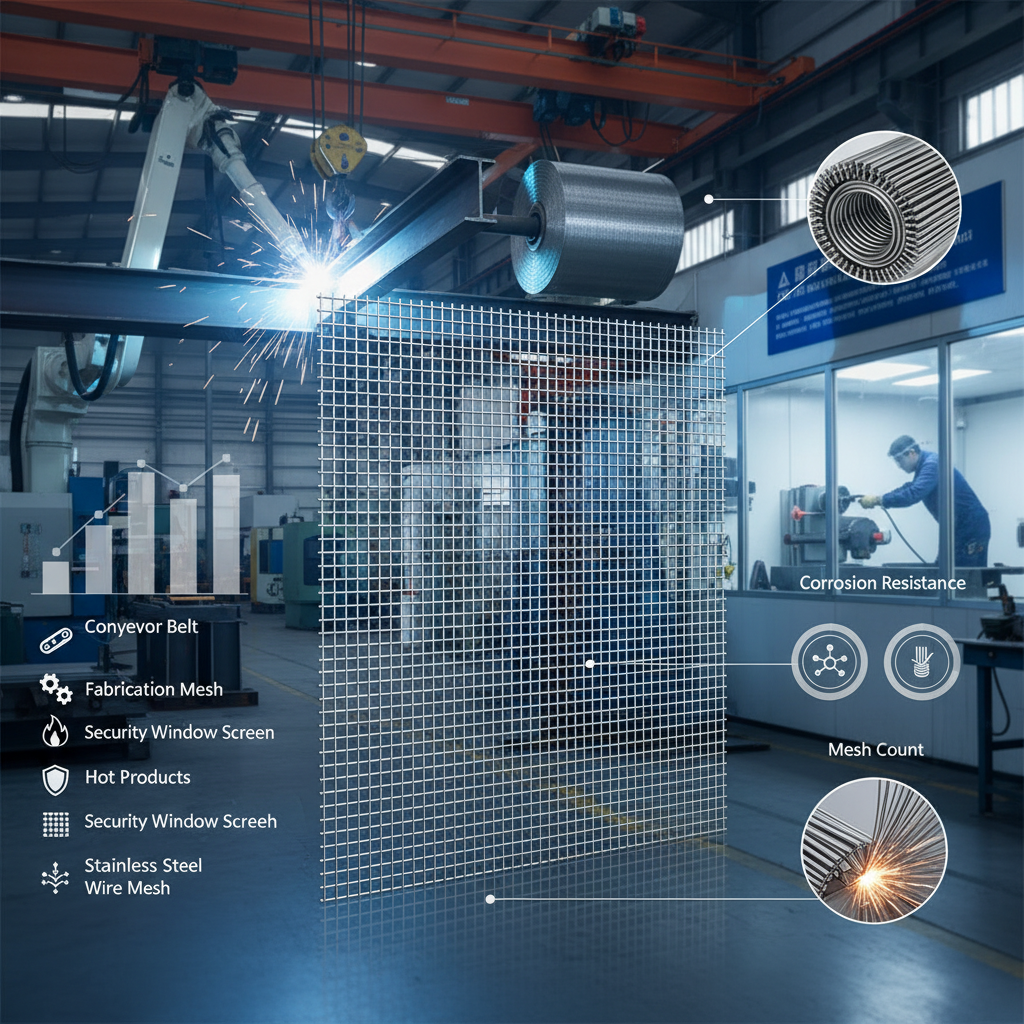
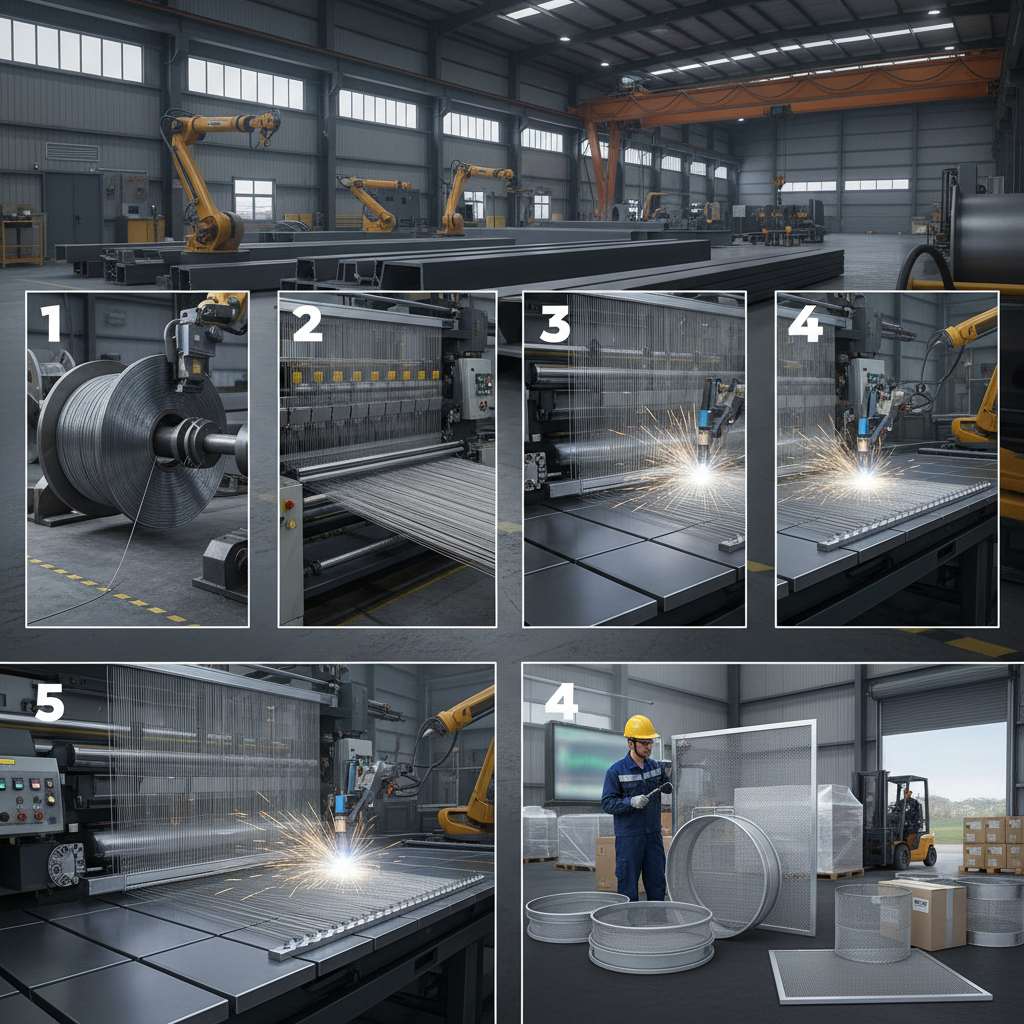
In the demanding world of industrial filtration and separation, the selection of materials can determine the entire efficiency of a production line. screen mesh stainless steel has emerged as the gold standard for professionals who require a combination of precision, structural integrity, and extreme corrosion resistance. From chemical processing plants to food grade pharmaceutical facilities, this versatile material ensures that separation occurs with surgical precision while withstanding the harshest environmental stresses.
Beyond mere utility, understanding the nuances of various weaves and alloys allows engineers to optimize their workflows for maximum longevity. The global shift toward sustainable manufacturing has placed a spotlight on the lifespan of industrial components; choosing a high-quality stainless steel mesh reduces the frequency of replacements, thereby lowering operational waste and total cost of ownership. It is no longer just about "filtering," but about implementing a strategic asset that protects downstream equipment.
Whether you are dealing with heavy-duty mining aggregates or microscopic powder filtration, the physics of screen mesh stainless steel provide a reliable solution to complex industrial challenges. By leveraging advanced metallurgy and precision weaving techniques, manufacturers can now achieve aperture tolerances that were previously impossible, ensuring that product purity and process consistency are maintained at the highest international standards.
Global Relevance of Screen Mesh Stainless Steel
The global industrial landscape relies heavily on precise separation technologies to maintain quality control across various sectors. screen mesh stainless steel is critical in these processes, with the global market for stainless steel wire products seeing steady growth as ISO standards for hygiene and safety become more stringent. In regions like Europe and North America, where pharmaceutical and food safety laws are paramount, the use of non-reactive, medical-grade stainless mesh is not just a preference but a regulatory requirement.
However, the challenge often lies in the extreme conditions these meshes must endure. From the saltwater environments of offshore oil rigs to the caustic atmospheres of chemical refineries, standard materials often fail due to oxidation or mechanical fatigue. This is where the specific alloying of stainless steel becomes a game-changer, providing a barrier that is both physically robust and chemically inert, ensuring that industrial downtime is minimized.
Defining the Technical Essence of Stainless Steel Mesh
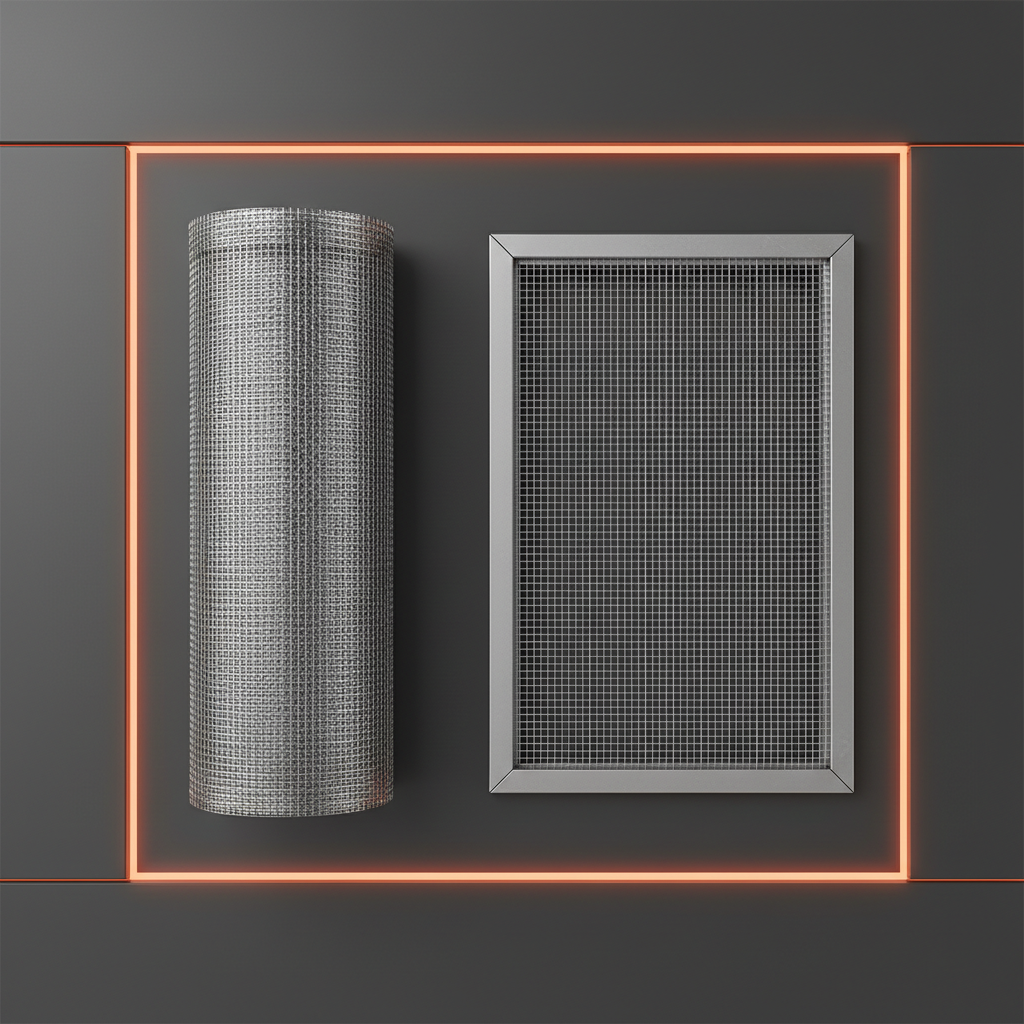
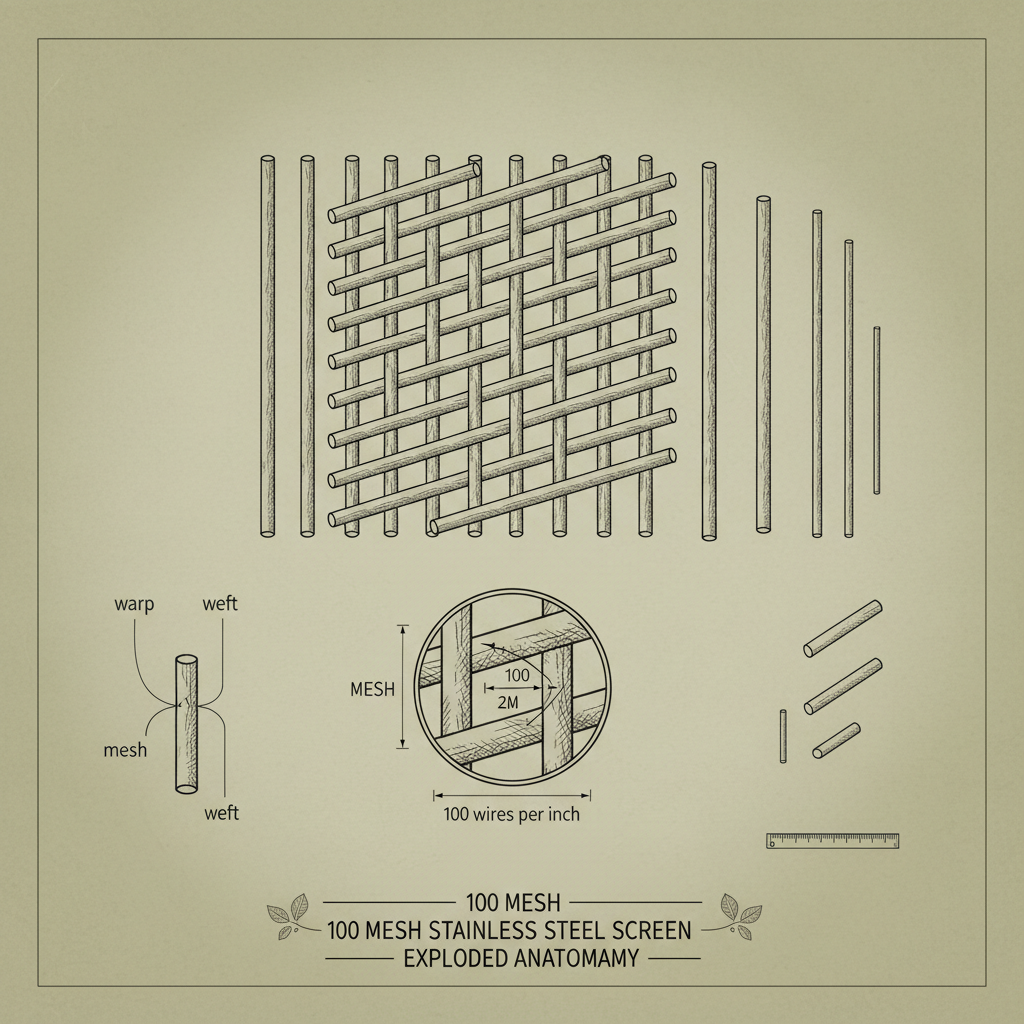
At its core, screen mesh stainless steel is a precision-engineered textile made from stainless steel wires woven, knitted, or perforated into a specific pattern. Unlike simple wire grids, industrial screen mesh is designed with precise "open area" percentages and micron-level aperture sizes to ensure that only particles of a specific dimension pass through. This makes it an essential tool for everything from coarse gravel sorting to the filtration of sub-micron particles in high-tech laboratories.
The connection between this material and modern industry is rooted in the need for reliability. In a world where "zero-defect" manufacturing is the goal, the consistency of the mesh weave prevents contaminants from entering the production stream. Whether it is used as a security window screen for high-end architecture or as a specialized fabrication mesh for aerospace components, the material's ability to maintain its shape under pressure is what sets it apart.
Furthermore, the humanitarian impact is often overlooked. In water treatment plants in developing regions, stainless steel screening is used to remove debris from drinking water sources. Because it doesn't leach toxins into the water supply—unlike some treated plastics or lower-grade metals—it provides a safe, long-term solution for clean water access, demonstrating that industrial grade materials have profound social value.
Core Components of High-Performance Mesh
Durability is the first pillar of any screen mesh stainless steel product. This is achieved through the selection of grades such as 304, 316, or 316L, which provide varying levels of resistance to pitting and crevice corrosion. The structural integrity is further enhanced by the weave type—plain weave for basic filtration, twill weave for higher load capacity, and dutch weave for extremely fine filtration.
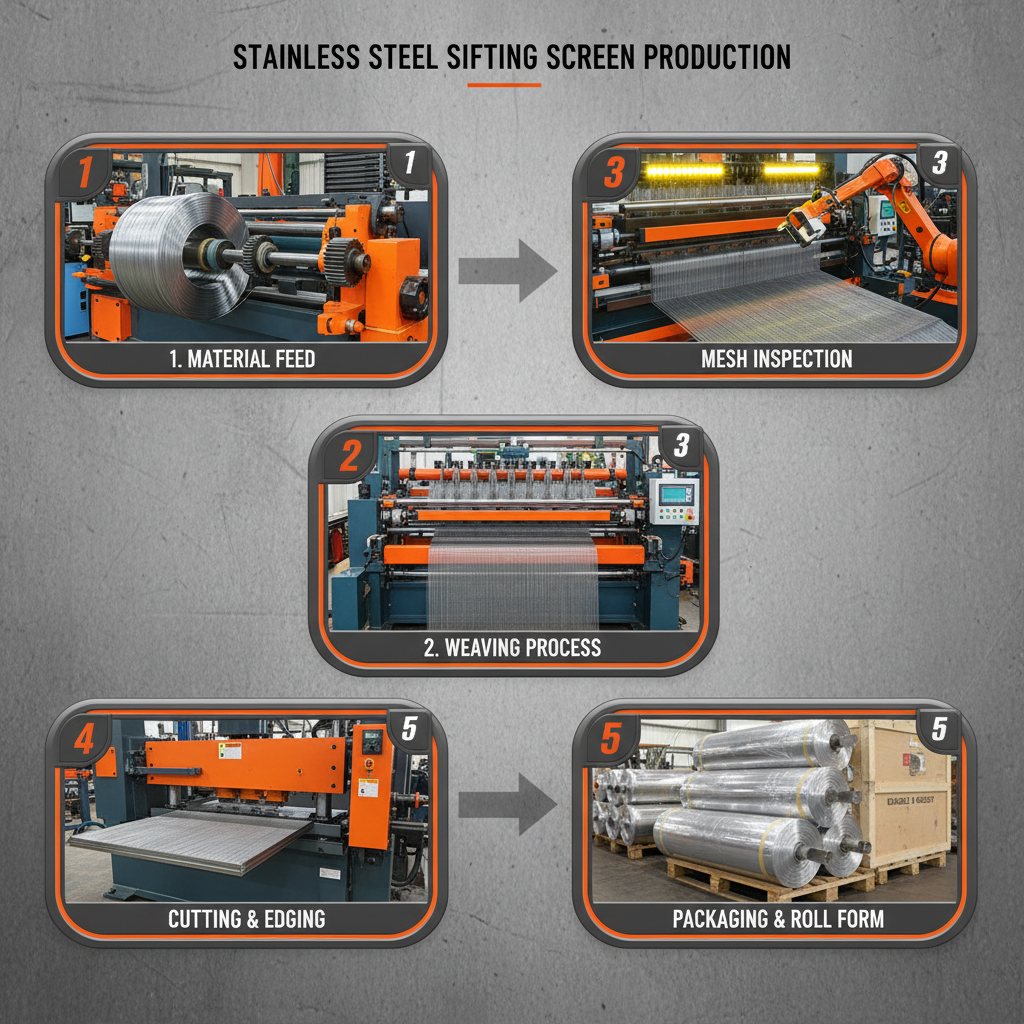
Precision and Scalability are equally vital. The ability to scale a design from a small laboratory filter to a massive conveyor belt screen without losing the accuracy of the aperture is a hallmark of quality manufacturing. By controlling the wire diameter and the pitch, engineers can customize the flow rate and the retention rate of the mesh to match the specific viscosity and density of the materials being processed.
Finally, cost-efficiency is realized through the lens of "life-cycle value." While the initial investment in a high-grade screen mesh stainless steel system may be higher than carbon steel or plastic alternatives, the reduction in replacement labor and the prevention of system failures result in a significantly lower cost per ton of processed material over time.
Global Applications and Industrial Use Cases
The versatility of screen mesh stainless steel allows it to be deployed in an incredible array of real-world contexts. In the mining sectors of Australia and Canada, heavy-duty stainless screens are used to separate precious metals from ore, resisting the abrasive nature of crushed rock. In the food processing plants of Southeast Asia, these meshes ensure that ingredients are sifted without contamination, maintaining the purity required for international export.
Beyond heavy industry, these materials are found in the most specialized environments. For example, in high-security architectural projects in urban centers like New York or Singapore, stainless security window screens provide a dual benefit: they offer an impenetrable barrier against intruders while allowing natural ventilation and light. In remote industrial zones, where maintenance crews are few and far between, the "set-it-and-forget-it" reliability of stainless mesh is an operational necessity.
Performance Comparison of Screen Mesh Stainless Steel Types
Long-term Value and Sustainable Advantages
The long-term value of screen mesh stainless steel extends far beyond its immediate technical specifications. From a sustainability perspective, stainless steel is 100% recyclable, meaning that at the end of its long operational life, the material can be melted down and repurposed without losing its essential properties. This aligns perfectly with the "Circular Economy" goals currently being adopted by global industrial leaders to reduce the carbon footprint of manufacturing.
Emotionally and logically, the use of high-grade mesh builds a foundation of trust and safety. In a chemical plant, a failed screen can lead to catastrophic contamination or equipment damage; by utilizing a reliable stainless solution, operators gain peace of mind and workers are provided with a safer environment. This reliability fosters innovation, as engineers can push the boundaries of pressure and temperature, knowing their filtration systems will not be the weak link in the chain.
Future Trends in Mesh Technology
The future of screen mesh stainless steel is being shaped by the digital transformation of industry. We are seeing the rise of "Smart Mesh" systems, where sensors are integrated into the mesh frames to monitor pressure drops and wear in real-time. This allows for predictive maintenance, where a screen is replaced exactly when it needs to be, rather than on a rigid schedule, drastically reducing waste and optimizing uptime.
Material science is also evolving, with the development of nano-coatings that can be applied to stainless mesh to make it super-hydrophobic or oleophobic. These advancements prevent "blinding"—the clogging of the mesh by sticky or oily substances—which has historically been one of the biggest challenges in filtration. This integration of chemistry and metallurgy is paving the way for more efficient green energy processes, such as hydrogen filtration and carbon capture technologies.
Furthermore, automation in the weaving process is allowing for the creation of complex, variable-aperture meshes. Imagine a single sheet of screen mesh stainless steel that transitions from a coarse weave to a fine weave across its surface. Such innovations will allow for multi-stage filtration in a single component, reducing the complexity of industrial machinery and improving overall energy efficiency.
Overcoming Challenges in Mesh Implementation
Despite its strengths, implementing screen mesh stainless steel is not without challenges. One of the most common issues is the "blinding" effect mentioned previously, where particles become lodged in the apertures. To solve this, experts recommend the implementation of ultrasonic cleaning systems or the use of specialized twill weaves that naturally shed material more effectively than plain weaves.
Another hurdle is the risk of galvanic corrosion when stainless mesh is in contact with dissimilar metals. This is often solved through the use of insulating gaskets or by ensuring that all mating components are of compatible alloy grades. Proper engineering at the design phase prevents the premature failure of the mesh and ensures that the system's integrity is maintained over decades of use.
Finally, the complexity of selecting the right mesh—balancing wire diameter, mesh count, and material grade—can be overwhelming. The solution lies in a consultative approach, where technical data sheets and pilot testing are used to validate the mesh performance before full-scale deployment. By treating the mesh as a precision instrument rather than a commodity, industries can avoid costly trial-and-error phases.
Technical Specification and Performance Matrix for Stainless Steel Mesh
| Alloy Grade |
Corrosion Resistance |
Typical Application |
Durability Score (1-10) |
| SS 304 |
Moderate |
General Industrial Sifting |
7 |
| SS 316 |
High (Marine Grade) |
Chemical & Pharma |
9 |
| SS 316L |
Very High (Low Carbon) |
Welded Structures |
9 |
| SS 310S |
Extreme Heat |
Furnace Filtration |
8 |
| Duplex 2205 |
Ultra High |
Oil & Gas Extraction |
10 |
| SS 430 |
Low/Basic |
Decorative/Interior |
5 |
FAQS
The primary difference is the addition of molybdenum in Grade 316, which significantly enhances its resistance to chlorides and saltwater corrosion. While 304 is excellent for general food and industrial use, 316 is the preferred choice for marine environments or chemical processing where aggressive acids are present. Choosing the correct grade ensures the screen mesh stainless steel does not pit or corrode prematurely.
Mesh count refers to the number of openings per linear inch. To choose the right one, you must identify the smallest particle size you need to retain. A higher mesh count means smaller openings and finer filtration, but it also increases the risk of clogging. We recommend calculating the "open area" percentage to ensure that your flow rate remains efficient while achieving the desired separation accuracy.
Yes, absolutely. High-tensile stainless steel mesh is frequently used for security window screens. Unlike aluminum or fiberglass, stainless steel cannot be easily cut or torn, providing a formidable barrier against intruders. Additionally, because it is corrosion-resistant, it maintains its structural integrity and aesthetic appeal regardless of the weather, making it a long-term investment for home and commercial safety.
Clogging, or "blinding," can be prevented by selecting a twill weave, which has a thicker wire and a more open structure than a plain weave. Additionally, implementing a reverse-pulse cleaning system or ultrasonic baths can help dislodge trapped particles. For extremely sticky materials, consider a nano-coating that reduces surface tension, allowing particles to slide off the mesh more easily.
Yes, it is significantly more sustainable. Synthetic filters are often disposable and end up in landfills, whereas screen mesh stainless steel is durable and washable, allowing it to be used for years. Furthermore, stainless steel is fully recyclable at the end of its lifecycle, supporting a circular economy and reducing the overall environmental impact of industrial operations.
The lifespan varies based on the application. In low-abrasion environments, a high-quality SS 316 mesh can last over a decade. In high-impact mining or chemical environments, lifespan may be measured in months. However, the use of reinforced edges and precision weaving significantly extends the time between replacements compared to lower-grade alternatives, ensuring a better return on investment.
Conclusion
In summary, screen mesh stainless steel is an indispensable asset in modern industry, blending the precision of textile engineering with the ruggedness of advanced metallurgy. From ensuring the purity of pharmaceutical products to safeguarding architectural spaces and enabling the extraction of critical minerals, its versatility is unmatched. By focusing on the critical factors of alloy grade, weave type, and maintenance, businesses can significantly enhance their operational efficiency and sustainability.
Looking forward, the integration of smart sensors and nano-coatings will continue to push the boundaries of what is possible in filtration and separation. As global industries move toward more stringent environmental and safety standards, the reliance on high-performance stainless solutions will only grow. We encourage you to evaluate your current filtration systems and consider the long-term advantages of upgrading to professional-grade stainless steel mesh. Visit our website for more information: www.stainlessmetalmesh.com