When it comes to securing residential and industrial openings, the selection of materials can make a definitive difference in both longevity and safety. stainless steel window mesh has emerged as the gold standard for those seeking a balance between transparency, ventilation, and impenetrable strength. Unlike traditional aluminum or fiberglass alternatives, these high-grade metallic screens provide a robust barrier against intruders and pests without compromising the aesthetic appeal of a building.
Globally, the shift toward sustainable and durable construction materials has pushed the demand for corrosion-resistant solutions. In coastal regions or industrial zones where salt spray and chemical pollutants are prevalent, standard screens degrade rapidly, leading to frequent replacements and increased maintenance costs. The adoption of stainless steel weaves ensures that the structural integrity of the window remains intact for decades, offering a one-time investment that pays dividends in reliability and peace of mind.
Understanding the technical nuances of these meshes—from the grade of steel used to the precision of the weave—allows architects and homeowners to optimize their environment. By integrating stainless steel window mesh, users can achieve a seamless blend of high-security fortification and natural airflow, effectively bridging the gap between traditional window protection and modern architectural requirements.
Global Industry Context of Stainless Steel Window Mesh
The global market for security screening has seen a significant paradigm shift as urbanization increases and the need for "hardened" residential structures grows. According to industry trends aligned with ISO quality standards, there is a marked preference for alloys like 304 and 316 stainless steel in the fabrication of stainless steel window mesh. This is largely driven by the failure of traditional materials in harsh climates, where oxidation and UV degradation make aluminum and plastic screens obsolete within a few short years.
In many developing metropolitan areas, the challenge is not just pest control but active security. The integration of high-tensile wire mesh into window frames creates a physical barrier that is nearly impossible to cut with standard household tools, effectively reducing the risk of forced entry. This transition from simple "bug screens" to "security barriers" reflects a broader global trend where home safety is being integrated into the very fabric of the building's exterior.
Defining the Engineering of Stainless Steel Window Mesh
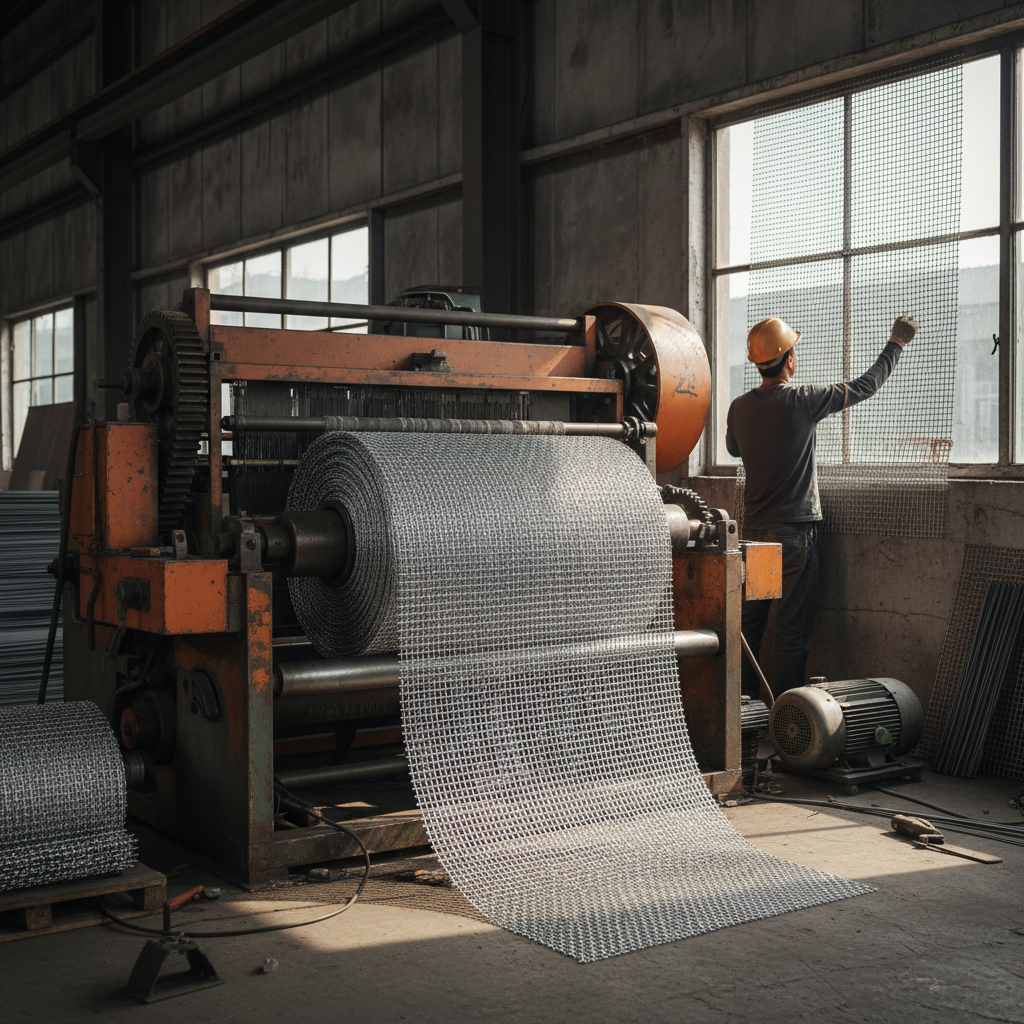
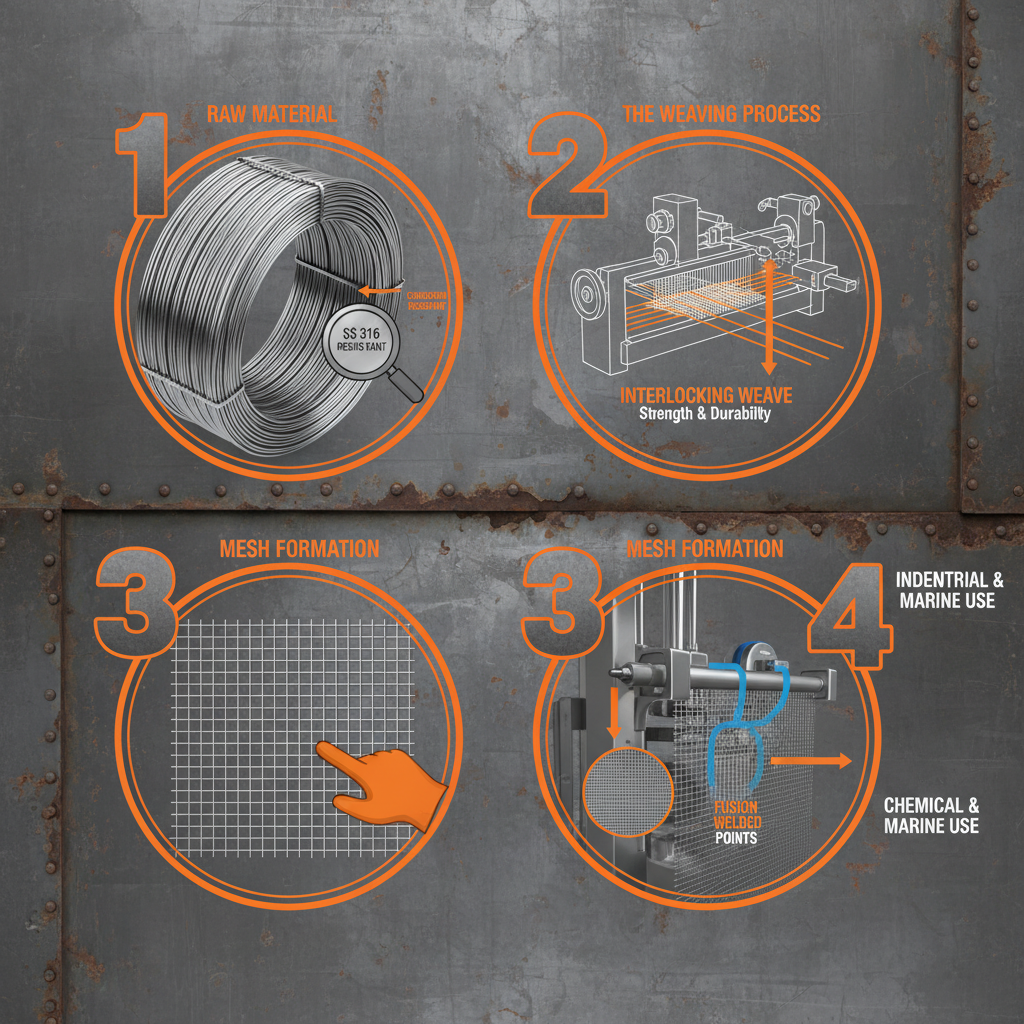
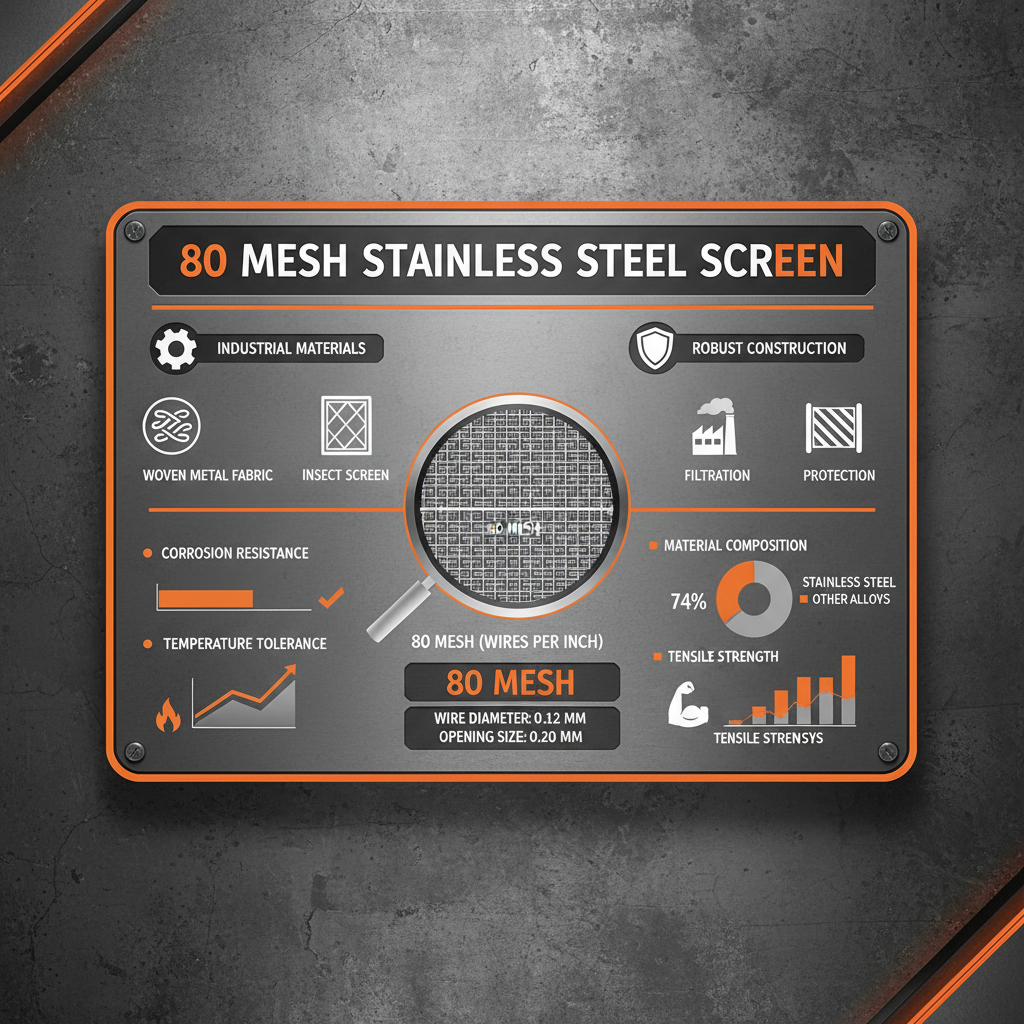
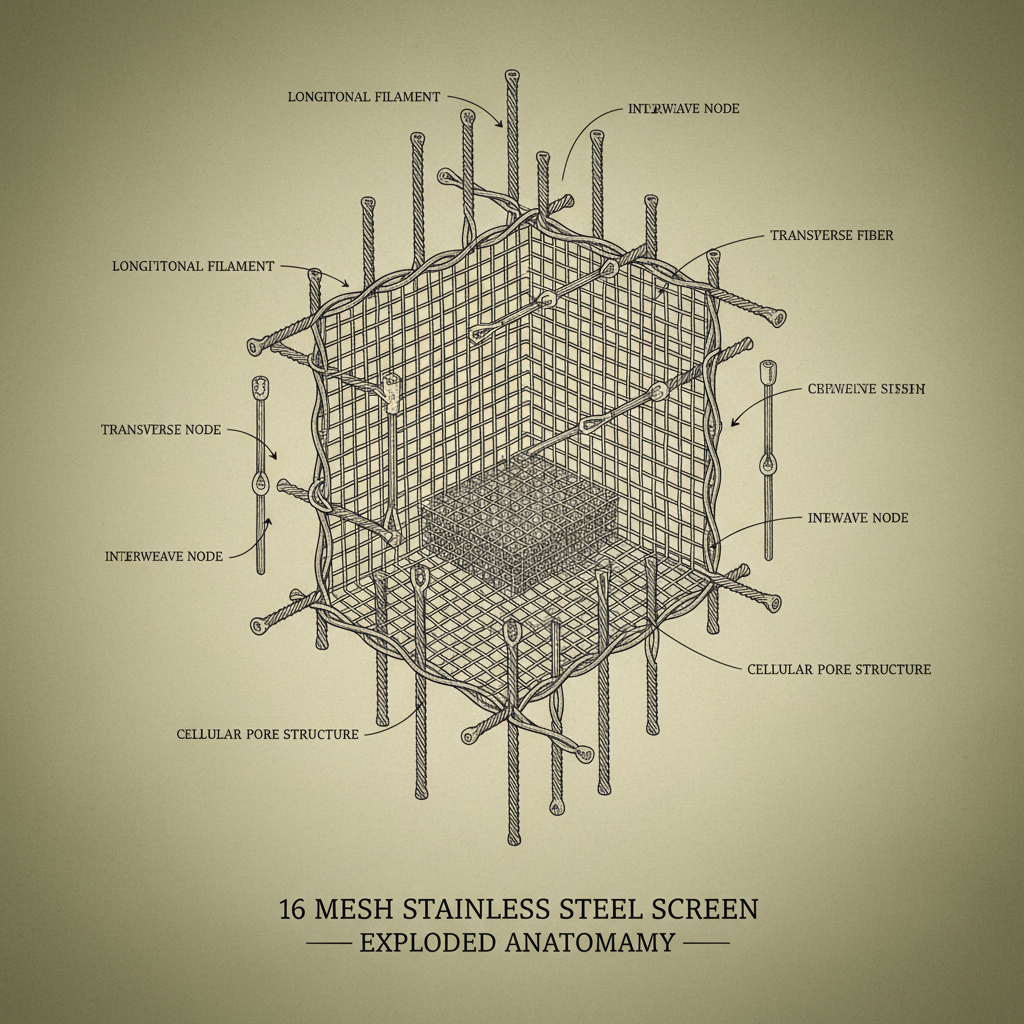
At its core, stainless steel window mesh is a precision-woven grid made from high-grade chromium-nickel steel wires. Unlike a simple fence, this mesh is engineered with a specific aperture size and wire diameter to ensure that while insects and debris are kept out, the movement of air and the passage of light remain virtually unobstructed. The weaving process often involves a high-tension draw, which ensures the mesh does not sag over time.
From an industrial perspective, this material is more than just a screen; it is a filtered barrier. The use of stainless steel ensures that the product remains inert and non-reactive, which is critical for applications in hospitals, laboratories, or food processing plants where hygiene is paramount. The inherent strength of the steel allows for thinner wires to be used while maintaining higher impact resistance than thicker aluminum wires.
Modern manufacturing has further refined this process by introducing powder coatings and specialized finishes. These enhancements allow the mesh to blend seamlessly with various frame colors while adding an extra layer of protection against the most extreme corrosive environments, such as those found in offshore oil rigs or chemical refineries.
Core Components Affecting Mesh Performance
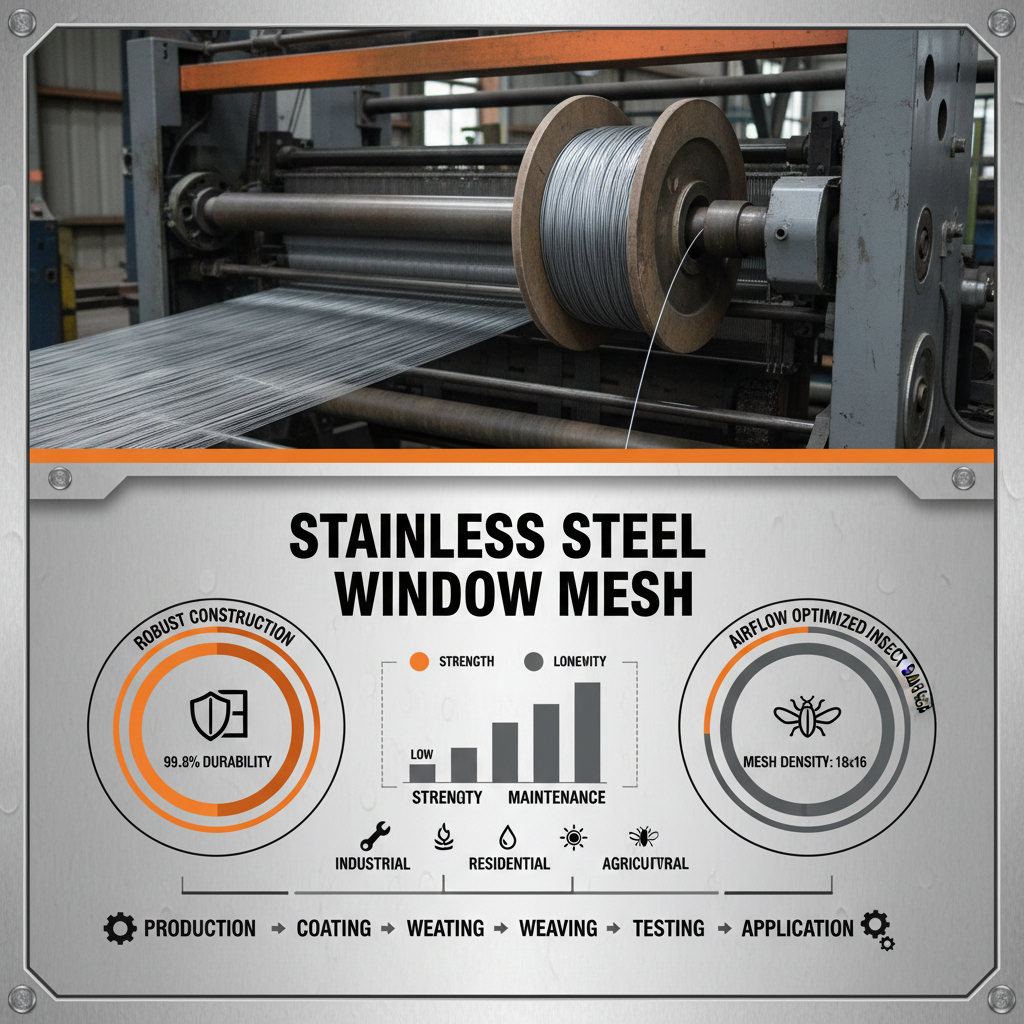
The durability of stainless steel window mesh is primarily dictated by the grade of the steel used. Grade 304 is the standard for most residential applications, offering excellent corrosion resistance for inland environments. However, for those living near the ocean, Grade 316 is essential due to its molybdenum content, which prevents "pitting" caused by chloride ions in salt air.
Beyond the material grade, the weave density (mesh count) plays a critical role. A tighter weave provides better protection against smaller insects but can slightly reduce airflow. The engineering challenge lies in optimizing the "open area" percentage, ensuring that the stainless steel window mesh provides a clear line of sight while maintaining structural rigidity against physical impacts.
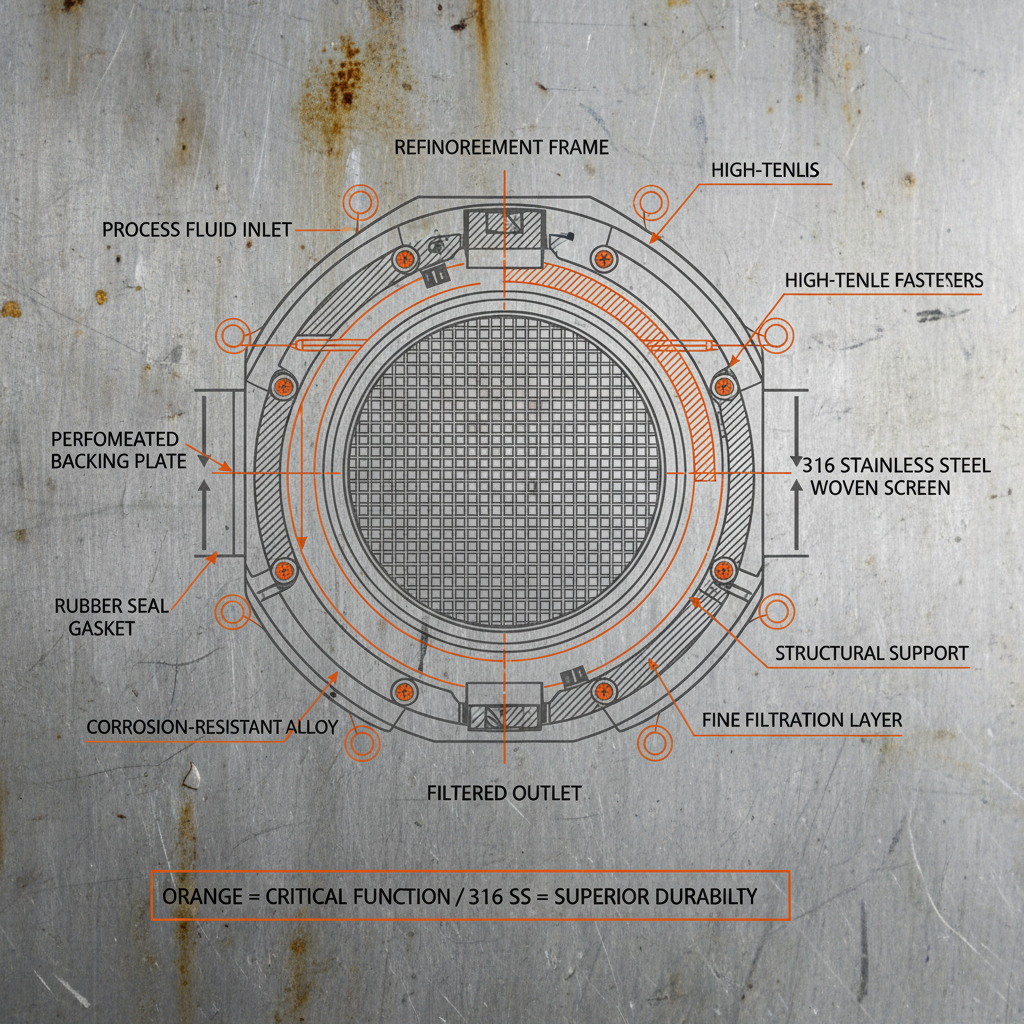
Finally, the installation method—specifically how the mesh is anchored to the frame—determines the overall security value. A mesh is only as strong as its weakest point; therefore, utilizing heavy-duty rivets or integrated welded frames ensures that the stainless steel window mesh cannot be pried out of the window casing during a break-in attempt.
Global Applications and Industrial Use Cases
The versatility of stainless steel window mesh extends far beyond the average home. In industrial sectors, such as the manufacture of precision electronics, these meshes are used in clean-room environments to prevent contamination while allowing HVAC systems to regulate temperature. In high-security government installations, they serve as an invisible layer of defense that prevents unauthorized access without the oppressive look of iron bars.
In regions prone to natural disasters, such as cyclone-prone areas in Southeast Asia or the Caribbean, reinforced stainless screens are used to prevent wind-borne debris from shattering window glass. By absorbing and distributing the impact of flying objects, the mesh acts as a first line of defense, protecting the interior of the building and the safety of its occupants during extreme weather events.
Performance Comparison of Window Mesh Materials
Long-Term Value and Sustainability Benefits
Investing in stainless steel window mesh is a decision rooted in long-term economic logic. While the initial procurement cost is higher than that of aluminum, the lifecycle cost is significantly lower. Because stainless steel does not rust or fray, the need for replacement every 3-5 years is eliminated, reducing landfill waste and the recurring labor costs associated with screen installation.
From a psychological perspective, the value lies in "passive security." Homeowners experience a heightened sense of dignity and safety knowing their sanctuary is protected by a material that is fundamentally reliable. Furthermore, the sustainability of steel—being 100% recyclable—aligns with modern green building certifications (such as LEED), making it the preferred choice for eco-conscious developers.
Future Trends in Screen Innovation
The future of stainless steel window mesh is moving toward "smart" integration. We are seeing the development of nano-coatings that make screens entirely hydrophobic and self-cleaning, meaning rain will wash away dust and pollutants without leaving streaks. This reduces maintenance for high-rise buildings where cleaning exterior screens is a dangerous and expensive task.
Additionally, automation is playing a role in fabrication. Laser-welded edges and robotic tensioning are ensuring that every inch of the mesh is perfectly uniform, eliminating the slight distortions common in manual weaving. This precision allows for an even thinner profile, making the mesh virtually invisible from a distance of three meters.
Sustainability trends are also pushing for the use of recycled stainless steel alloys that maintain the same tensile strength as virgin materials. As the industry moves toward a circular economy, the production of window mesh is becoming more energy-efficient, reducing the carbon footprint of every square meter produced.
Overcoming Common Implementation Challenges
One of the most common challenges when installing stainless steel window mesh is the rigidity of the material. Unlike fiberglass, stainless steel cannot be simply "tucked" into a groove. It requires professional cutting tools and specific tensioning equipment to avoid warping the frame. The solution lies in pre-fabricated panels that are custom-sized to the millimeter, ensuring a perfect fit.
Another concern is the potential for "glare" from the metallic surface. To combat this, manufacturers are implementing matte black electro-polished finishes. This process removes the reflective properties of the steel, allowing the eye to look through the mesh rather than at it, thereby preserving the view of the outdoors.
Finally, the weight of the mesh can be a concern for older window hinges. The industry has responded by developing "high-strength, low-weight" weaves that utilize thinner, higher-tensile wires. These offer the same security rating but reduce the load on the window hardware, preventing premature wear and tear on the opening mechanisms.
Technical Analysis of Stainless Steel Window Mesh Specifications
|
Material Grade
|
Corrosion Resistance
|
Impact Strength
|
Typical Application
|
| SS 304 Standard |
Medium-High |
8/10 |
Residential Homes |
| SS 316 Marine |
Extreme |
9/10 |
Coastal Properties |
| Powder Coated 304 |
High |
8/10 |
Modern Architecture |
| High-Tensile Weave |
Medium |
10/10 |
High Security Zones |
| Fine Mesh 316 |
Extreme |
6/10 |
Laboratory/Medical |
| Industrial Grade |
High |
9/10 |
Factory Ventilation |
FAQS
Stainless steel window mesh is significantly more durable, often lasting 20-30 years, whereas aluminum typically begins to oxidize and degrade within 5-10 years. Because stainless steel is resistant to corrosion and does not fray or tear under pressure, it eliminates the need for frequent replacements, making it the most cost-effective choice over the long term.
Yes, in many cases, high-tensile stainless steel mesh provides a comparable level of security to traditional bars while offering vastly superior aesthetics and emergency egress capabilities. Unlike bars, which can trap occupants during a fire, security mesh can be designed to be removed from the inside while remaining impenetrable from the outside.
Modern engineering allows for extremely thin wires with high tensile strength. When finished with a matte black powder coating, the mesh becomes nearly invisible from a distance. Airflow is maintained through optimized aperture sizes, ensuring that your home stays ventilated without letting in insects or debris.
For coastal areas, Grade 316 is strongly recommended. It contains molybdenum, which specifically protects the metal from chloride-induced pitting and corrosion caused by salt air. While Grade 304 is excellent for inland use, it can develop "tea staining" or surface rust in high-salinity environments.
Due to its rigidity, stainless steel mesh cannot be installed using the "rubber spline" method common with fiberglass. It requires a fixed frame and professional tensioning. However, once installed, it is far more stable and does not sag or shrink over time, reducing future maintenance.
Absolutely. Stainless steel is one of the most recyclable materials on earth. By choosing a product that lasts for decades rather than years, you significantly reduce the amount of waste entering landfills. Additionally, the energy efficiency of the building is maintained as it allows for natural ventilation, reducing reliance on air conditioning.
Conclusion
In summary, stainless steel window mesh represents the pinnacle of protective screening, combining unmatched structural strength with a refined aesthetic. From the ability to withstand corrosive coastal winds to the capacity to deter intruders, the technical advantages of stainless steel alloys far outweigh the initial cost. By focusing on material grade, weave precision, and secure installation, property owners can transform their windows from vulnerable points into fortified assets.
As we look toward the future of urban living, the integration of sustainable, high-performance materials will only become more critical. We recommend that architects and homeowners prioritize Grade 316 for longevity in harsh climates and opt for matte-finished security weaves to maintain a seamless visual connection with the outdoors. For those ready to upgrade their security and durability, visit our website: www.stainlessmetalmesh.com.