
Talk to Us
+86 13633281999
Email Address
ada@xingxinwiremesh.comHigh Quality Stainless Steel Security Mesh for Maximum Protection
The Ultimate Guide to Stainless Steel Security Mesh for Maximum Protection
When it comes to safeguarding residential and commercial properties, the choice of materials can make a definitive difference between vulnerability and absolute security. Stainless steel security mesh has emerged as the gold standard for those seeking a balance between high-level protection and architectural elegance. Unlike traditional bars that can make a home feel like a cage, modern security mesh provides a transparent yet impenetrable barrier. In this comprehensive guide, we will explore the technical advantages, practical applications, and the reasons why this material is the preferred choice for security professionals worldwide.
Unmatched Durability of Stainless Steel Security Mesh
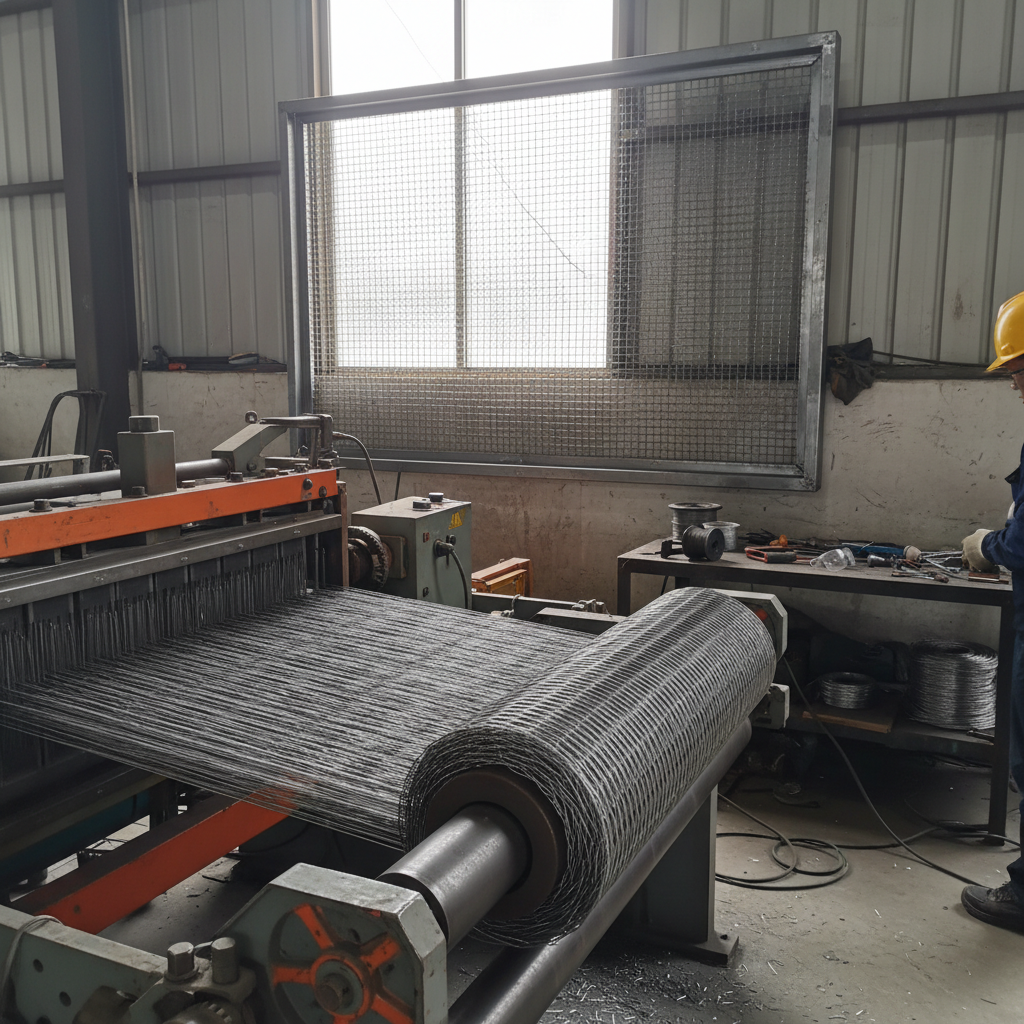
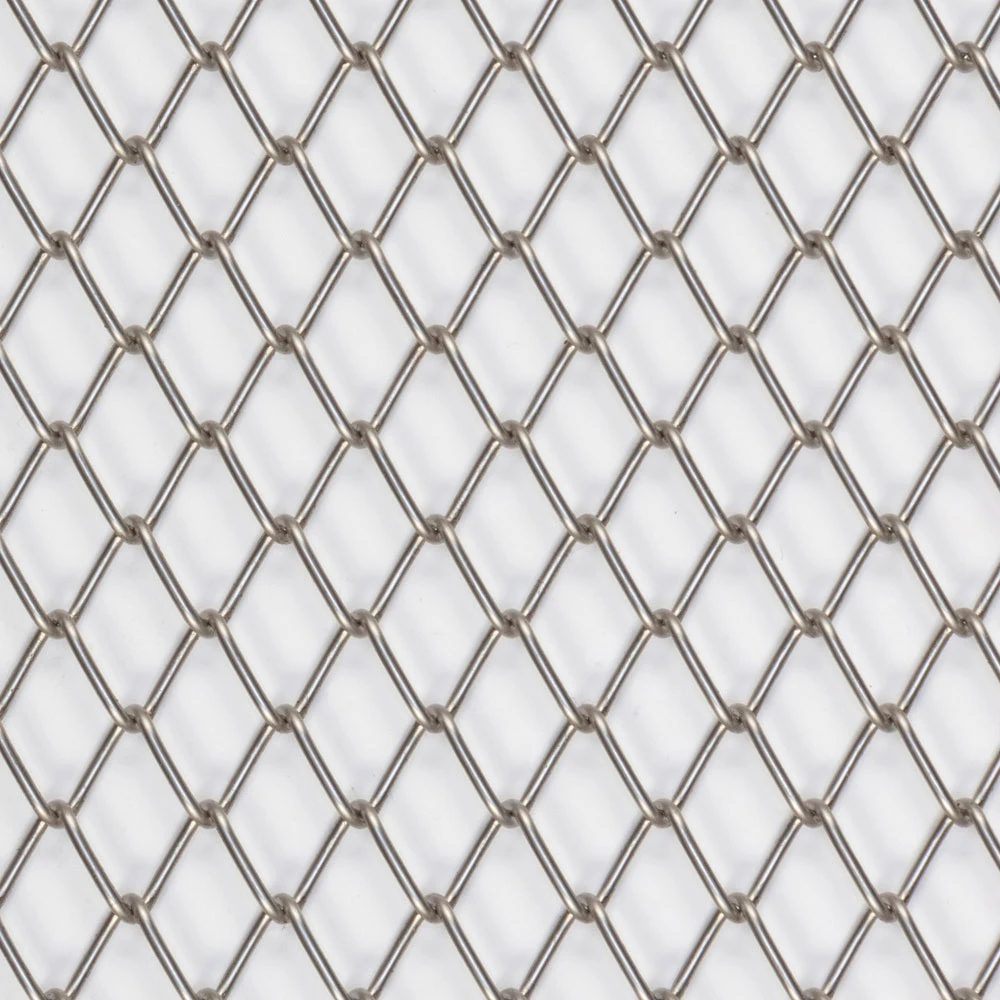
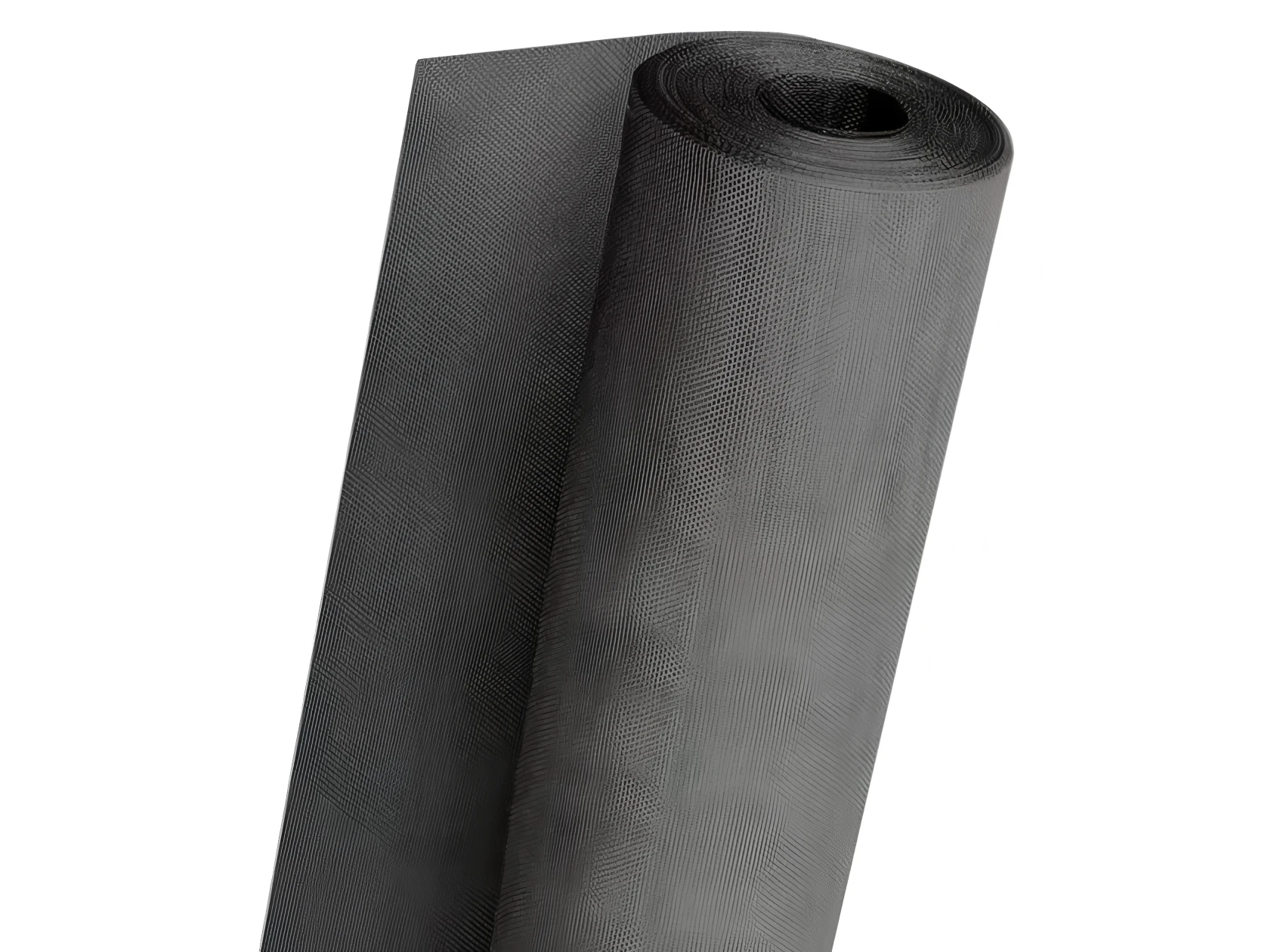
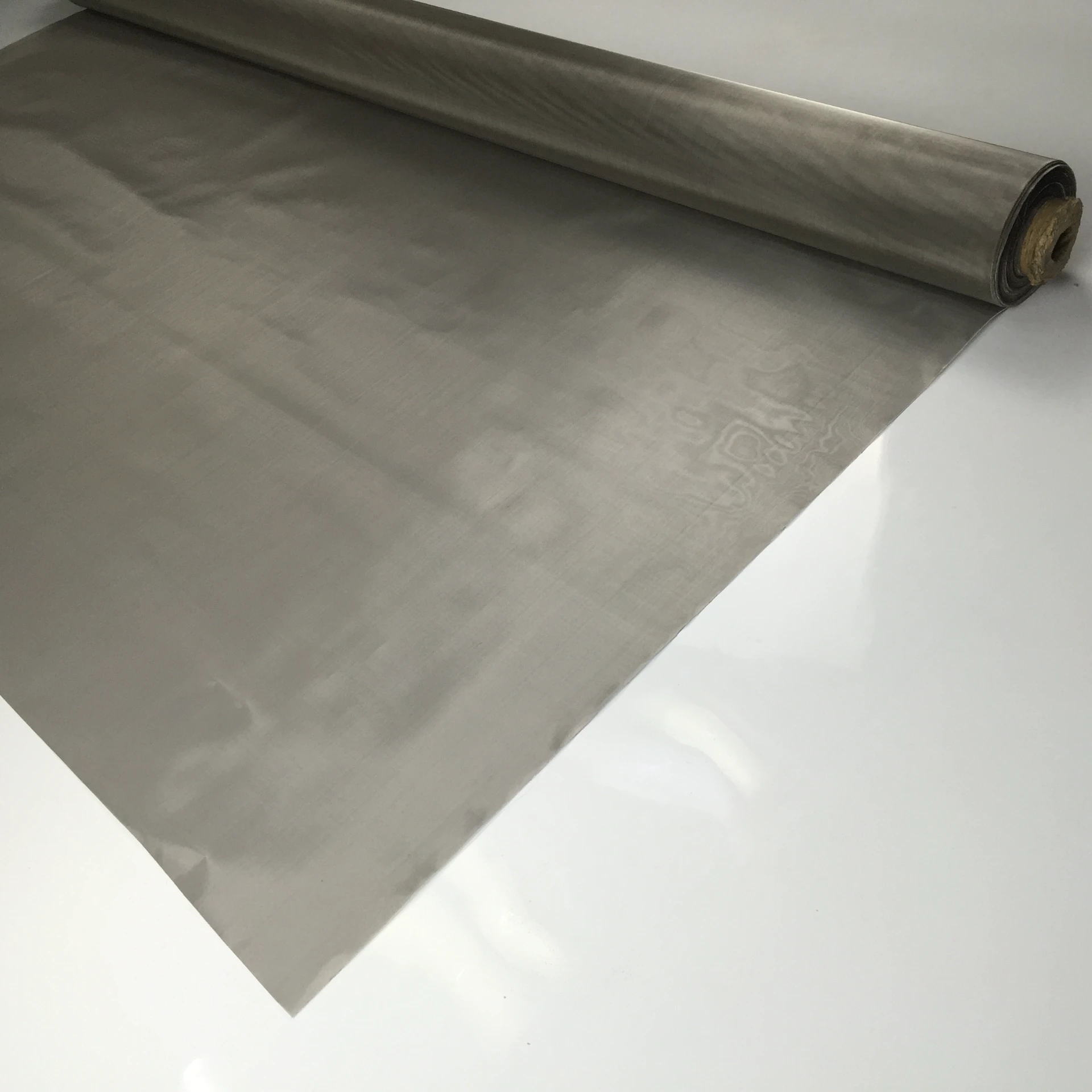
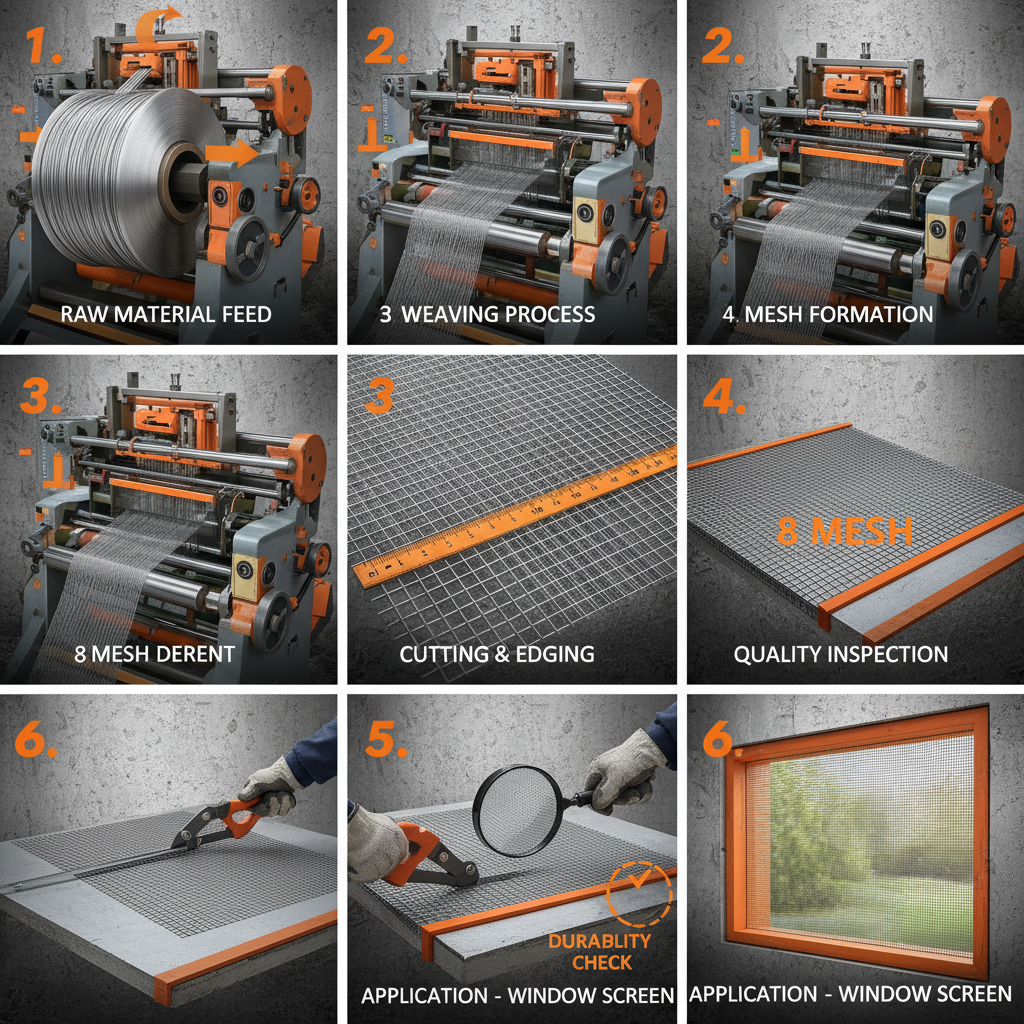
The core strength of stainless steel security mesh lies in its material composition. Typically crafted from high-tensile 304 or 316 grade stainless steel, this mesh is engineered to resist cutting, hammering, and forced entry attempts. The weaving process creates a rigid structure that distributes impact forces across the entire panel, preventing localized breakthroughs. Furthermore, the inherent corrosion resistance of stainless steel ensures that the mesh maintains its structural integrity even in harsh coastal environments or high-humidity areas, eliminating the need for frequent painting or chemical treatments.
Pro Tip: For maximum security, ensure the mesh is clamped into a heavy-duty aluminum or steel frame, which prevents the mesh from being pried away from the wall or window frame.
Comparing Security Mesh to Traditional Security Bars
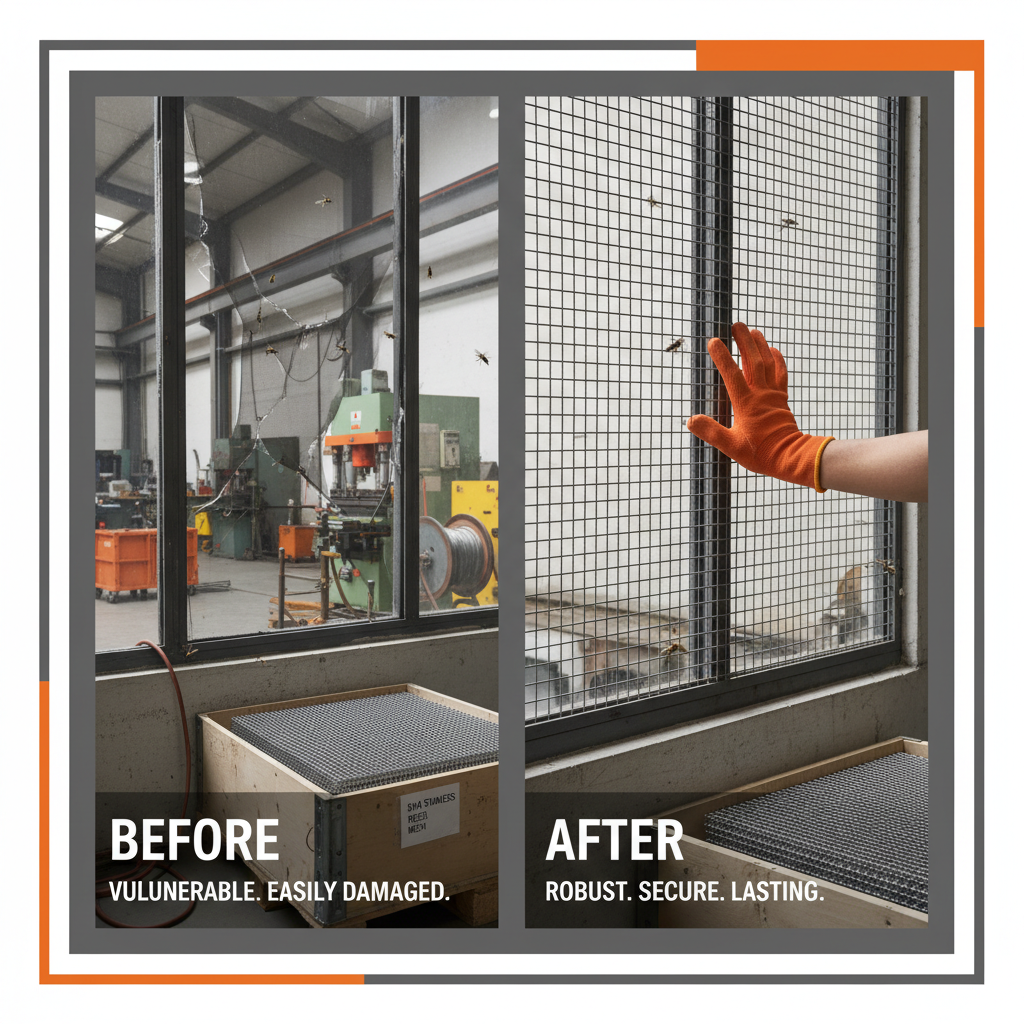
Many property owners struggle to choose between classic security bars and stainless steel security mesh. While bars provide strength, they often obstruct views and can create a dangerous "trapped" feeling during emergency evacuations like fires. In contrast, security mesh offers a sleek, modern look that preserves the aesthetic of the building. It provides a similar level of intruder deterrence while allowing for natural light and ventilation. The psychological impact is also significant; mesh looks like a screen from a distance, whereas bars signal a high-risk area.
Versatile Applications of Stainless Steel Security Mesh
The utility of stainless steel security mesh extends far beyond simple window coverings. In residential settings, it is frequently used for security doors, allowing homeowners to leave the main door open for airflow while keeping intruders out. In commercial environments, it is ideal for jewelry stores, banks, and high-value retail displays where visibility is essential for marketing but security is non-negotiable. Additionally, it is used in industrial settings to protect sensitive machinery and ventilation shafts from debris and unauthorized access.
Technical Specifications for Stainless Steel Security Mesh
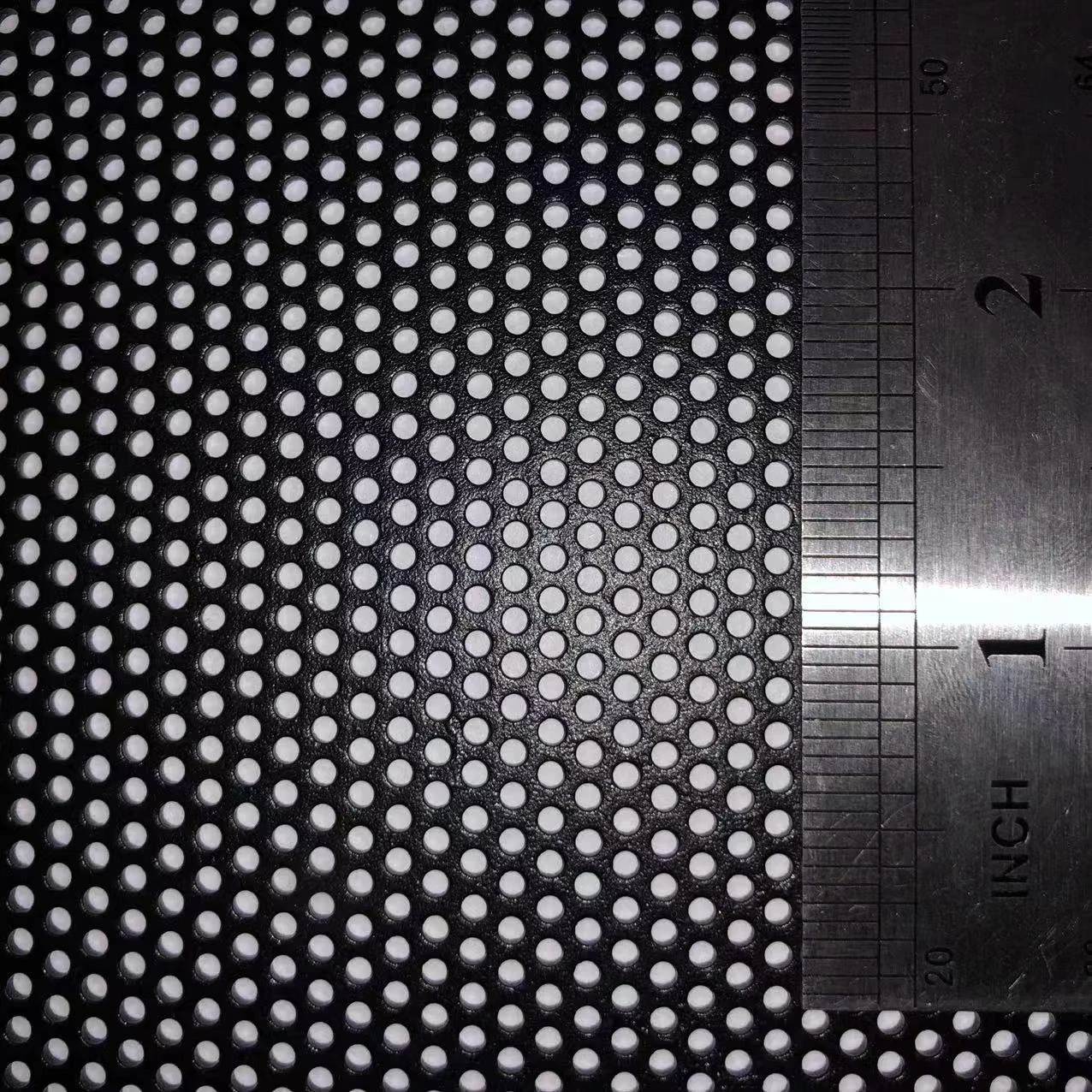
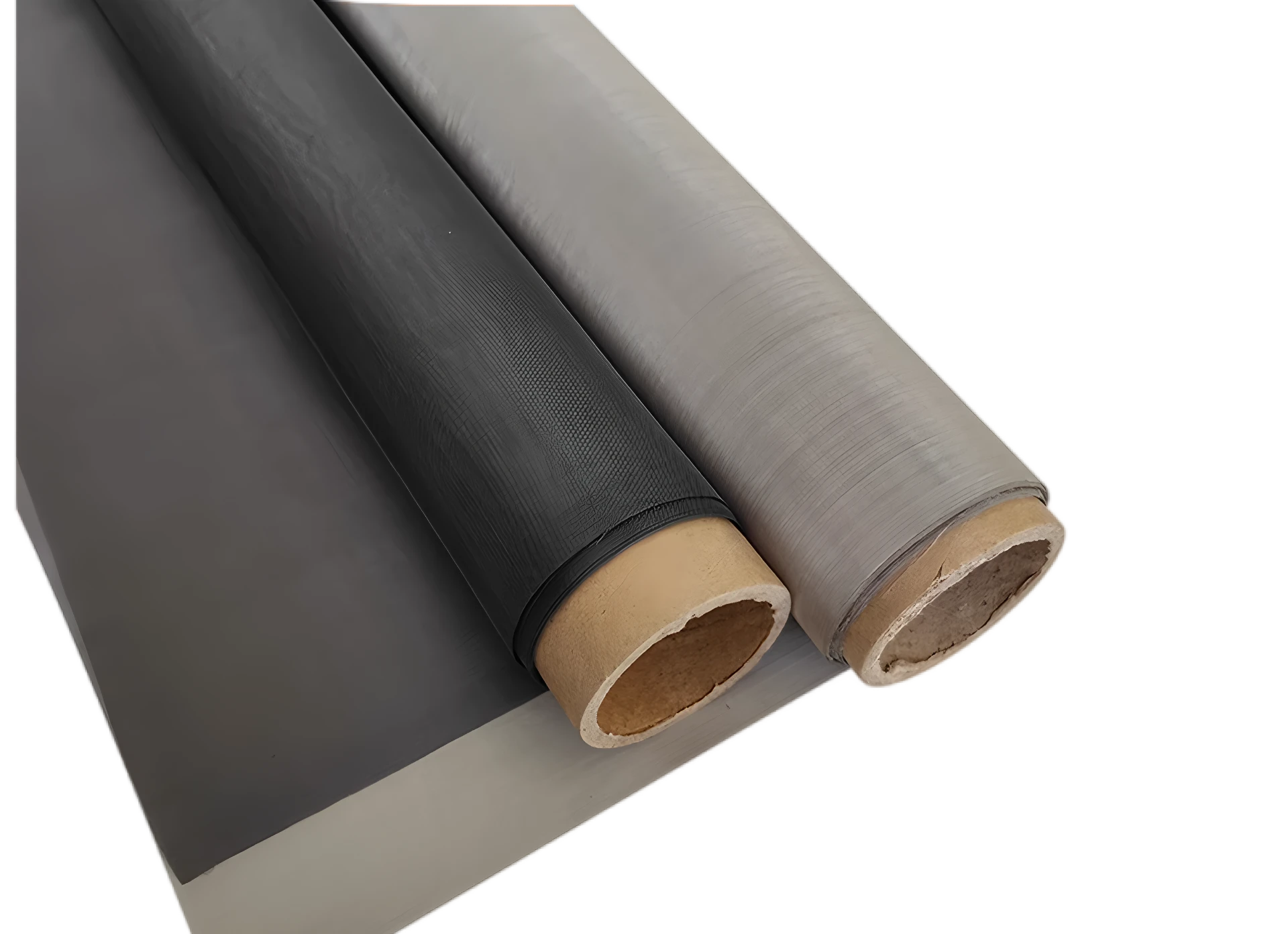
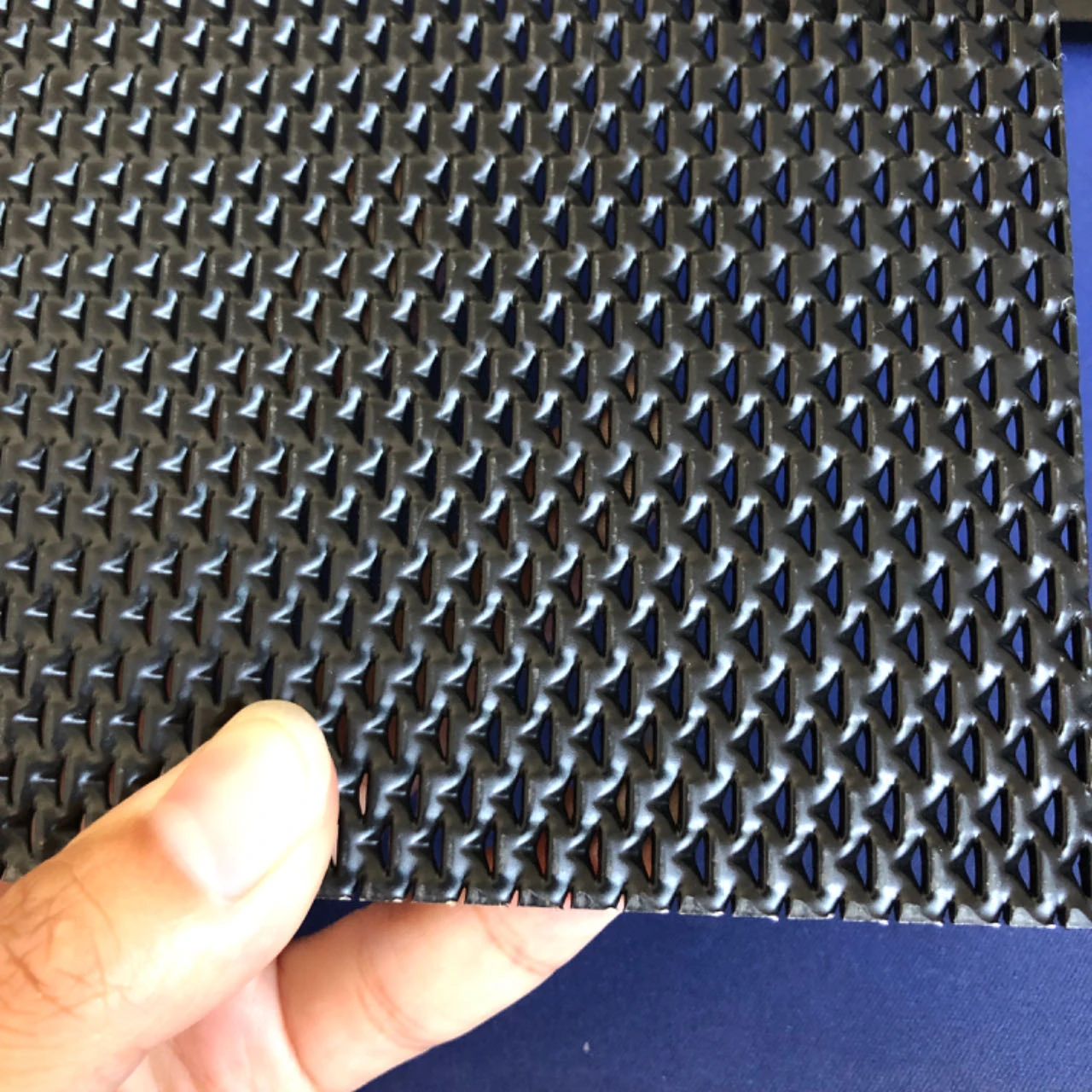
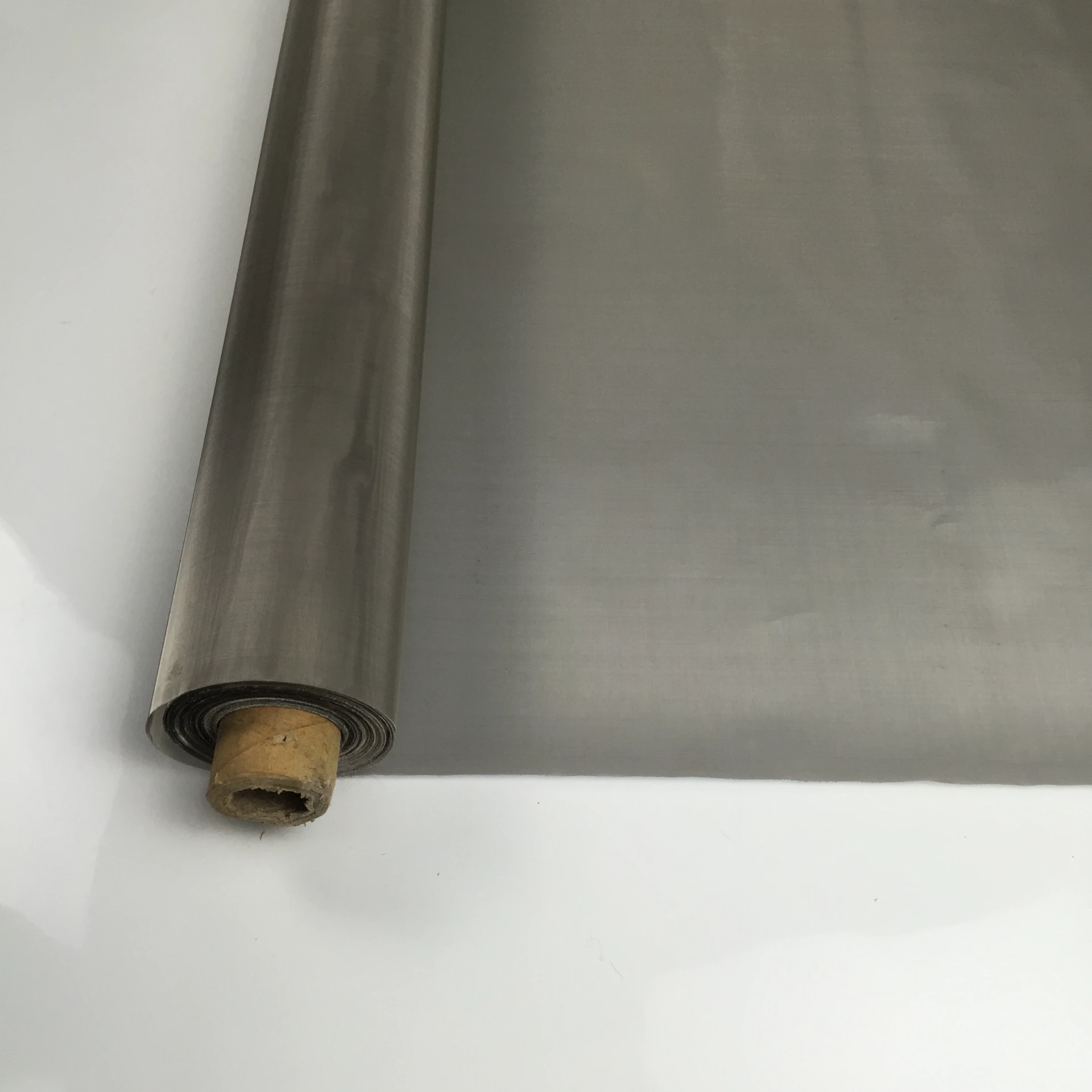
Selecting the right mesh requires an understanding of the technical parameters. The wire diameter and the aperture (the size of the holes) determine the level of security and visibility. A smaller aperture generally increases security but slightly reduces light transmission. Most professional installations utilize a high-tensile weave that can withstand thousands of pounds of pressure. Below are the standard specifications commonly found in high-quality security mesh systems provided by stainlessmetalmesh.com.
Maintenance and Long-Term Care
One of the biggest advantages of stainless steel security mesh is its low maintenance requirement. Unlike iron or mild steel, it does not rust. To keep the mesh looking pristine, a simple cleaning with mild soap and water is usually sufficient. For those in coastal areas with high salt spray, rinsing the mesh periodically with fresh water helps maintain the passive chromium oxide layer that prevents corrosion. Checking the frame fasteners once a year ensures that the tension remains optimal, providing continued resistance against intrusion.
Environmental and Safety Benefits
Beyond security, the use of stainless steel is an environmentally conscious choice. Stainless steel is 100% recyclable, reducing the carbon footprint of the building. From a safety perspective, the mesh allows for excellent ventilation, which is critical for indoor air quality and temperature regulation. In the event of an emergency, such as a fire, security mesh systems can be designed with quick-release mechanisms, ensuring that occupants can exit the building rapidly—a feat nearly impossible with permanently welded bars. Investing in this technology means prioritizing both safety and sustainability.
Conclusion: Securing Your Future with Advanced Mesh
Choosing stainless steel security mesh is more than just a purchase; it is an investment in peace of mind. By combining the raw strength of high-grade steel with a sophisticated, transparent design, you no longer have to choose between aesthetics and safety. Whether for a family home or a high-security corporate facility, this mesh provides a formidable defense against intruders while enhancing the overall value and breathability of the property. Secure your perimeter today with the most reliable material on the market.
Frequently Asked Questions (FAQs)
Can stainless steel security mesh be cut with standard tools?
No, high-quality stainless steel security mesh is specifically designed to resist cutting. The high-tensile strength of the wire makes it nearly impossible to cut with standard pliers or hand-held shears. While industrial-grade power tools could eventually penetrate it, the noise and time required to do so would alert homeowners or security personnel, effectively deterring any attempted break-in. This makes it significantly safer than aluminum or standard fly-screens.
Does the mesh block the view or natural light?
One of the primary benefits of this mesh is its high transparency. Because the wires are thin but incredibly strong, the "open area" of the mesh remains high. From a few feet away, the mesh becomes almost invisible, allowing natural light to flood into your rooms and providing an unobstructed view of the outdoors. It offers the protection of a wall with the visibility of a window, ensuring that your home remains bright and airy.
How is the mesh attached to the window or door?
The mesh is not simply nailed or screwed in; it is precision-tensioned and clamped into a heavy-duty frame (usually aluminum or galvanized steel). This frame is then securely bolted into the building's structure. This "clamping" method ensures that the mesh cannot be pushed inward or pulled outward. For doors, the frame is integrated with high-security locking mechanisms, ensuring that the entire unit acts as a single, impenetrable shield.
Is 316 grade better than 304 grade for security mesh?
Both are excellent, but the choice depends on your location. Grade 304 is the industry standard and is perfect for most inland residential and commercial applications. However, Grade 316 contains molybdenum, which provides superior resistance to chlorides (salt). If your property is located within a few miles of the ocean or in an area with heavy chemical industrial pollution, Grade 316 is highly recommended to prevent "tea staining" and long-term corrosion.
-
-
-
-
-
-
-
-
-
-
-
-
-
-
-
-