
Talk to Us
+86 13633281999
Email Address
ada@xingxinwiremesh.comComprehensive Guide to 8 Mesh Stainless Steel Screen Applications and Benefits
Understanding 8 Mesh Stainless Steel Screen: Applications & Benefits
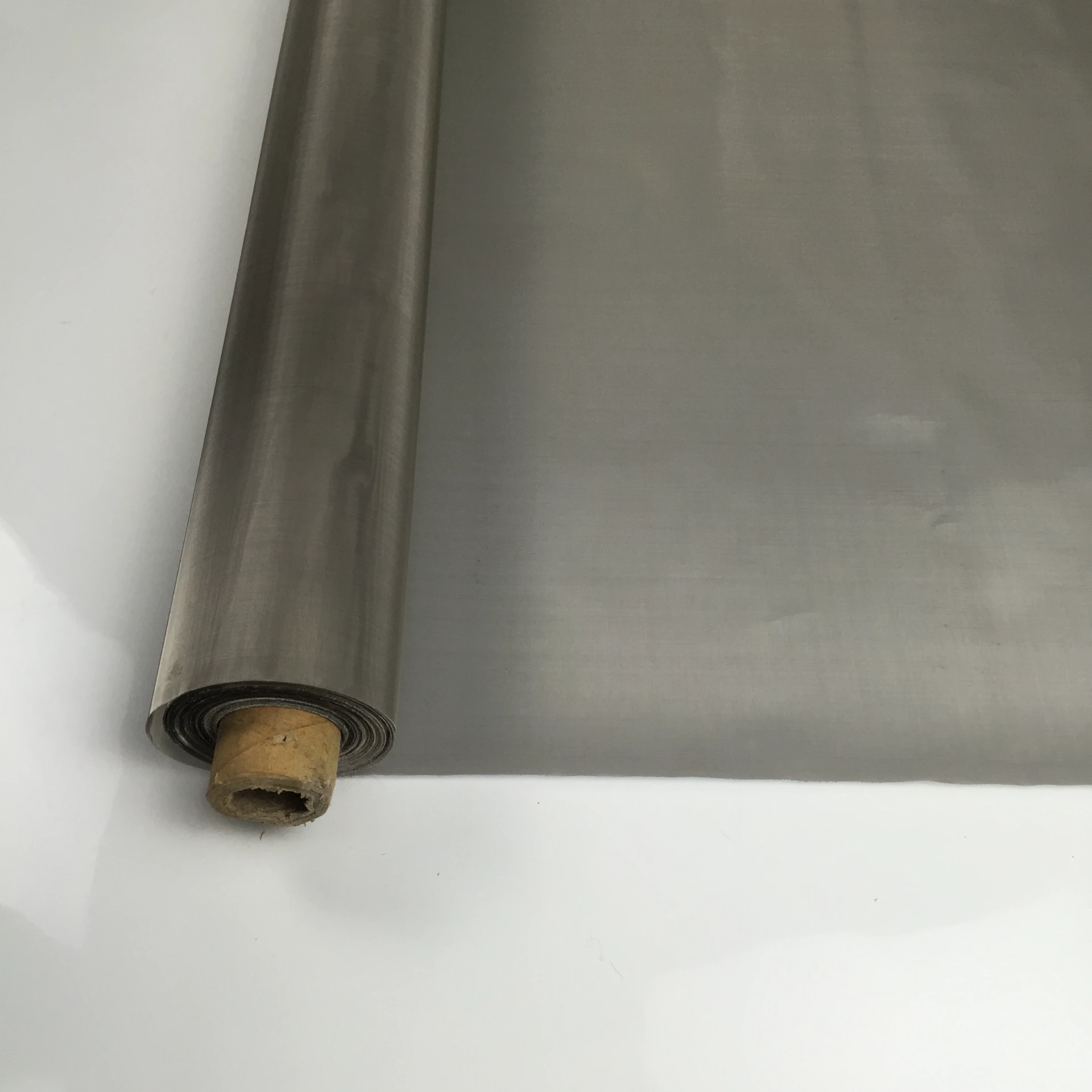
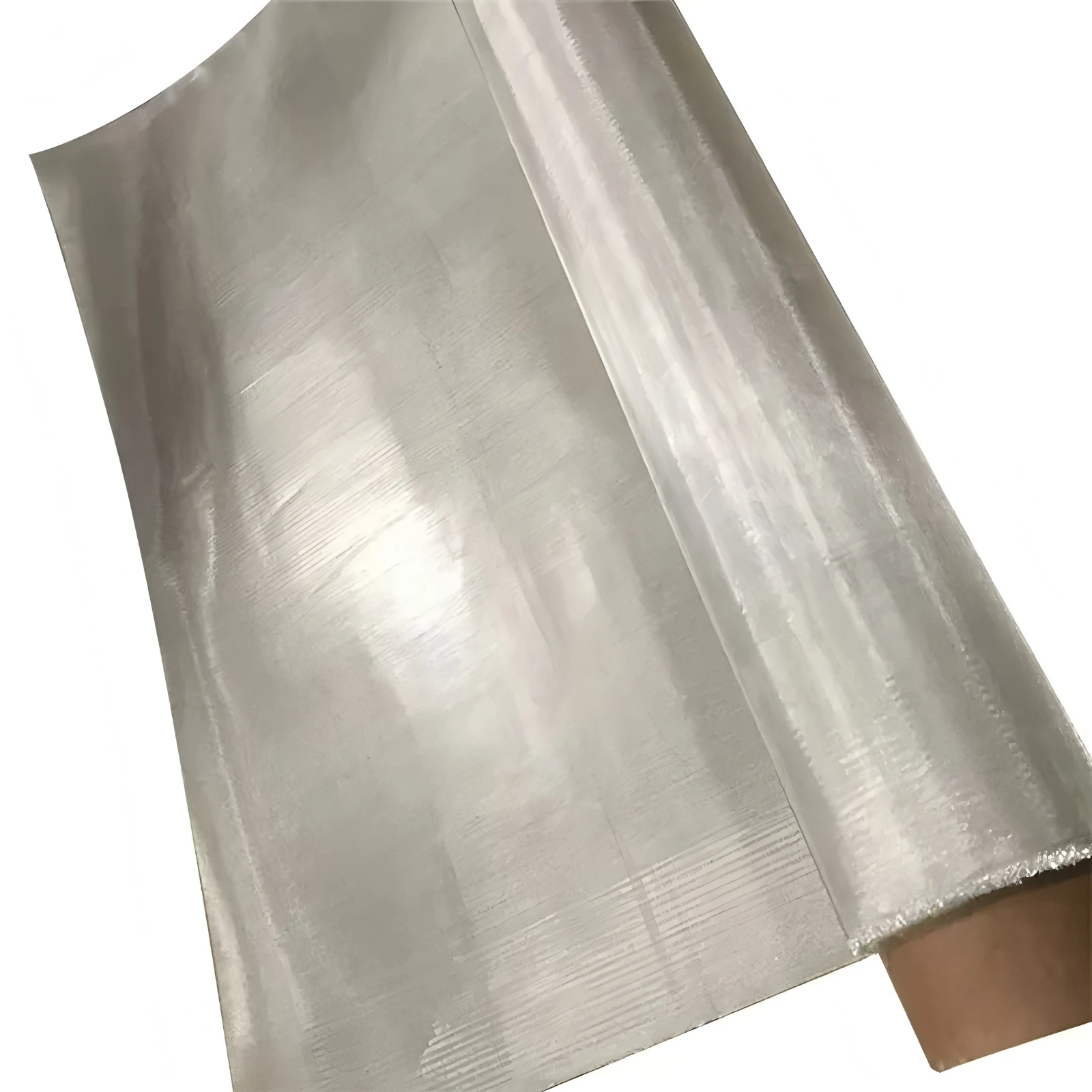
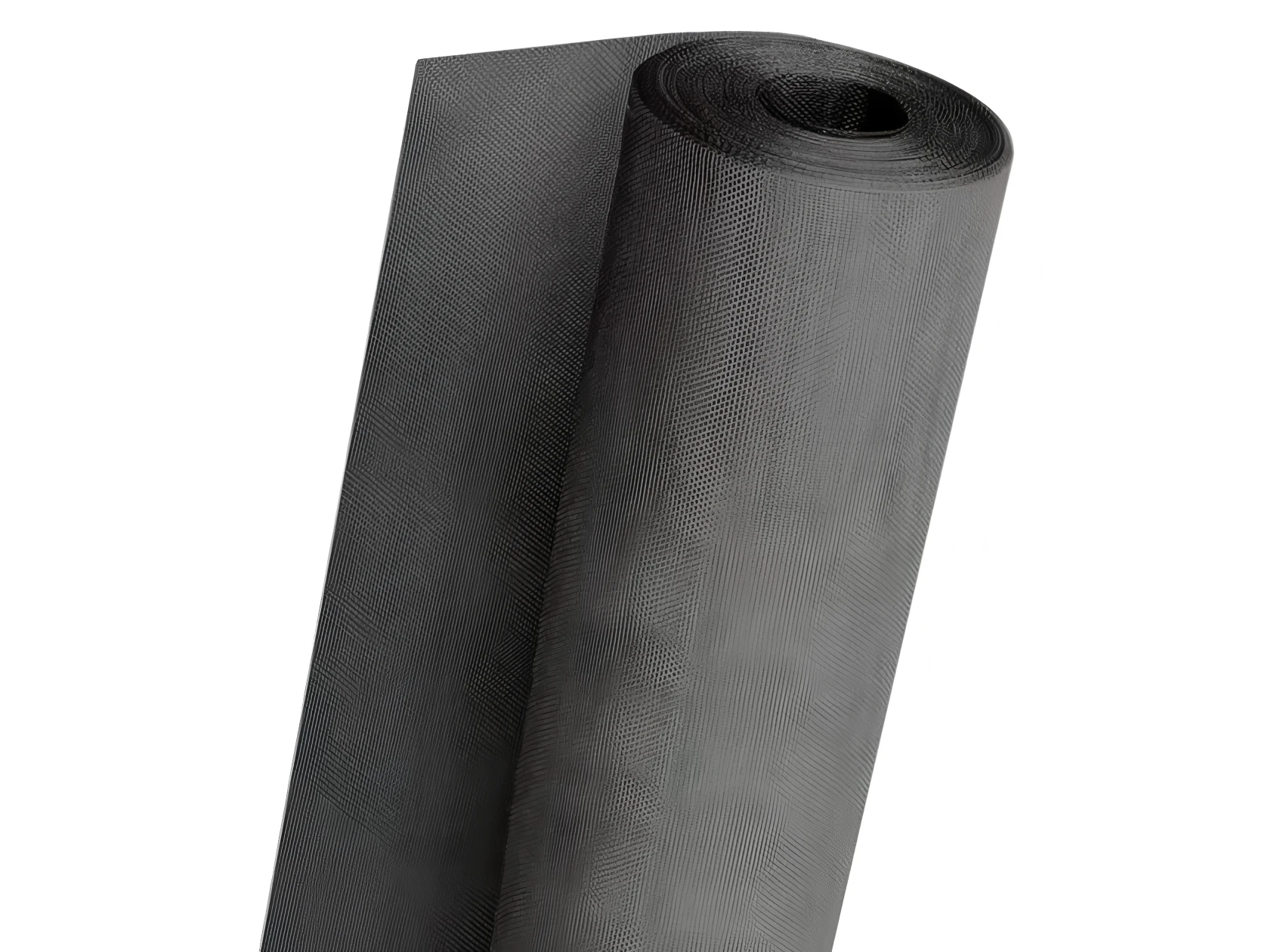
When sourcing industrial filtration solutions, 8 mesh stainless steel screen stands out for its versatility and durability. This mesh size offers a balance between particle retention and flow rate, making it suitable for a wide range of applications across various industries. This article will explore the characteristics, applications, benefits, and considerations when choosing 8 mesh stainless steel screen. We’ll delve into why it's a preferred choice for numerous projects requiring robust and reliable filtration.
What Defines 8 Mesh Stainless Steel Screen?
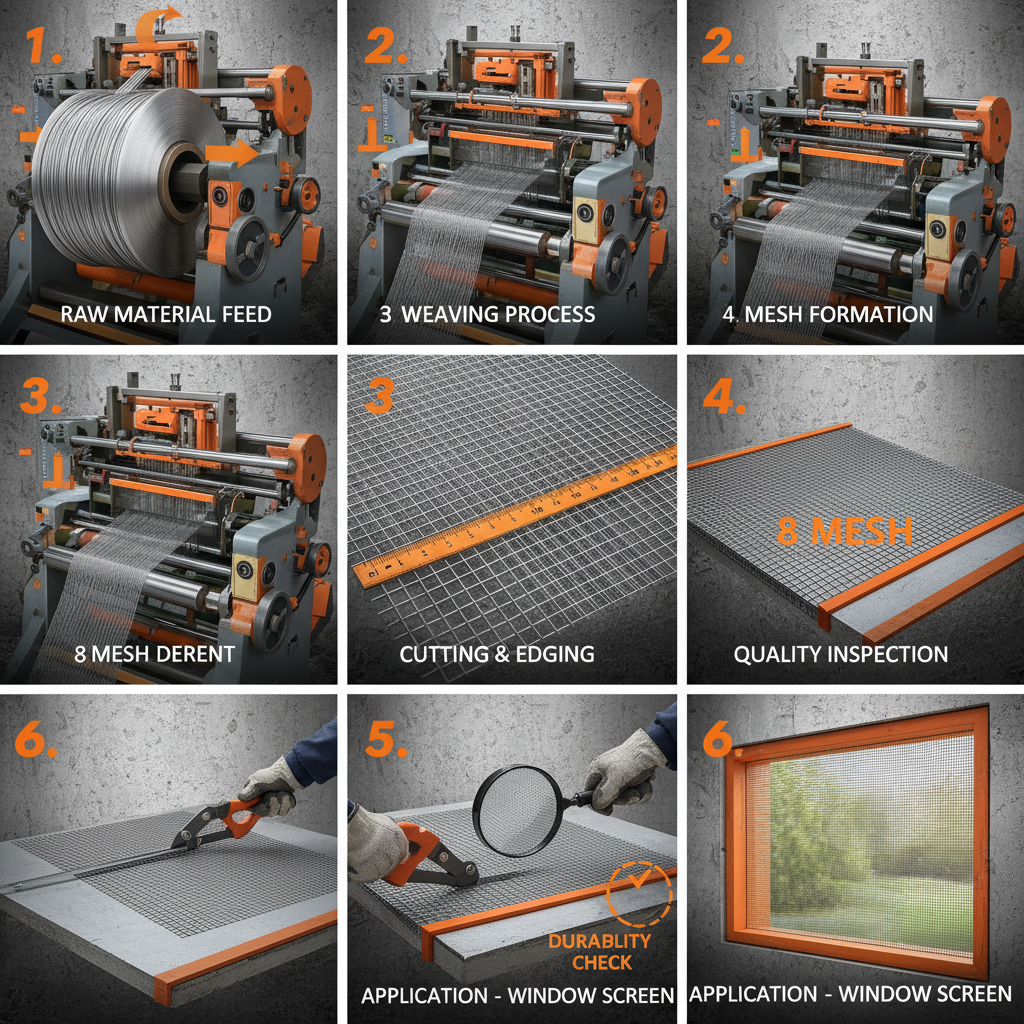
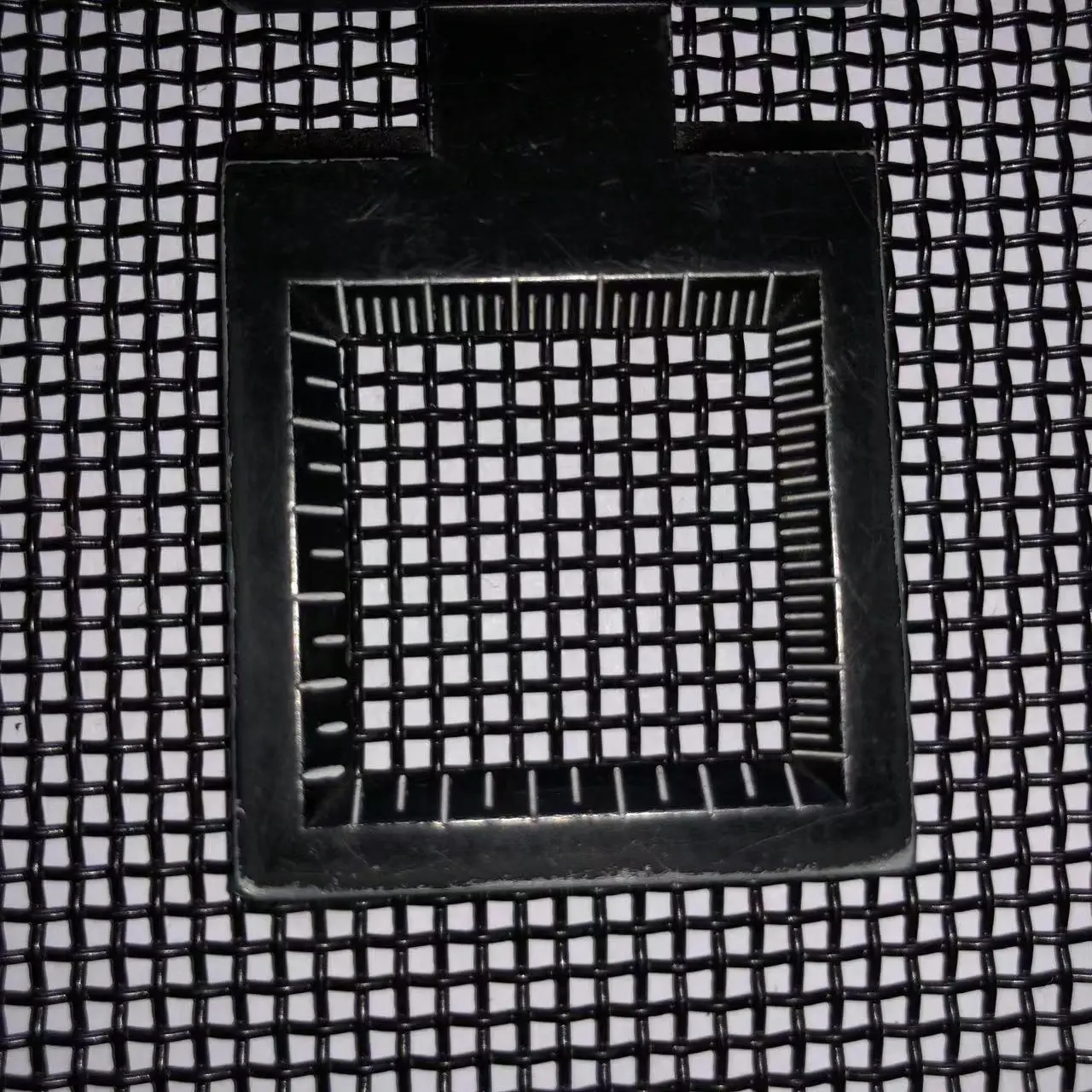
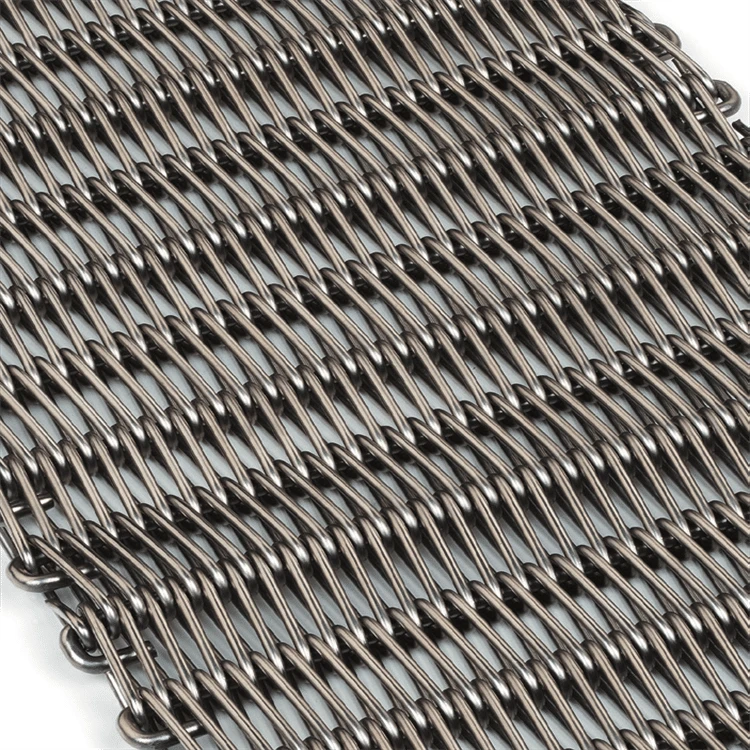
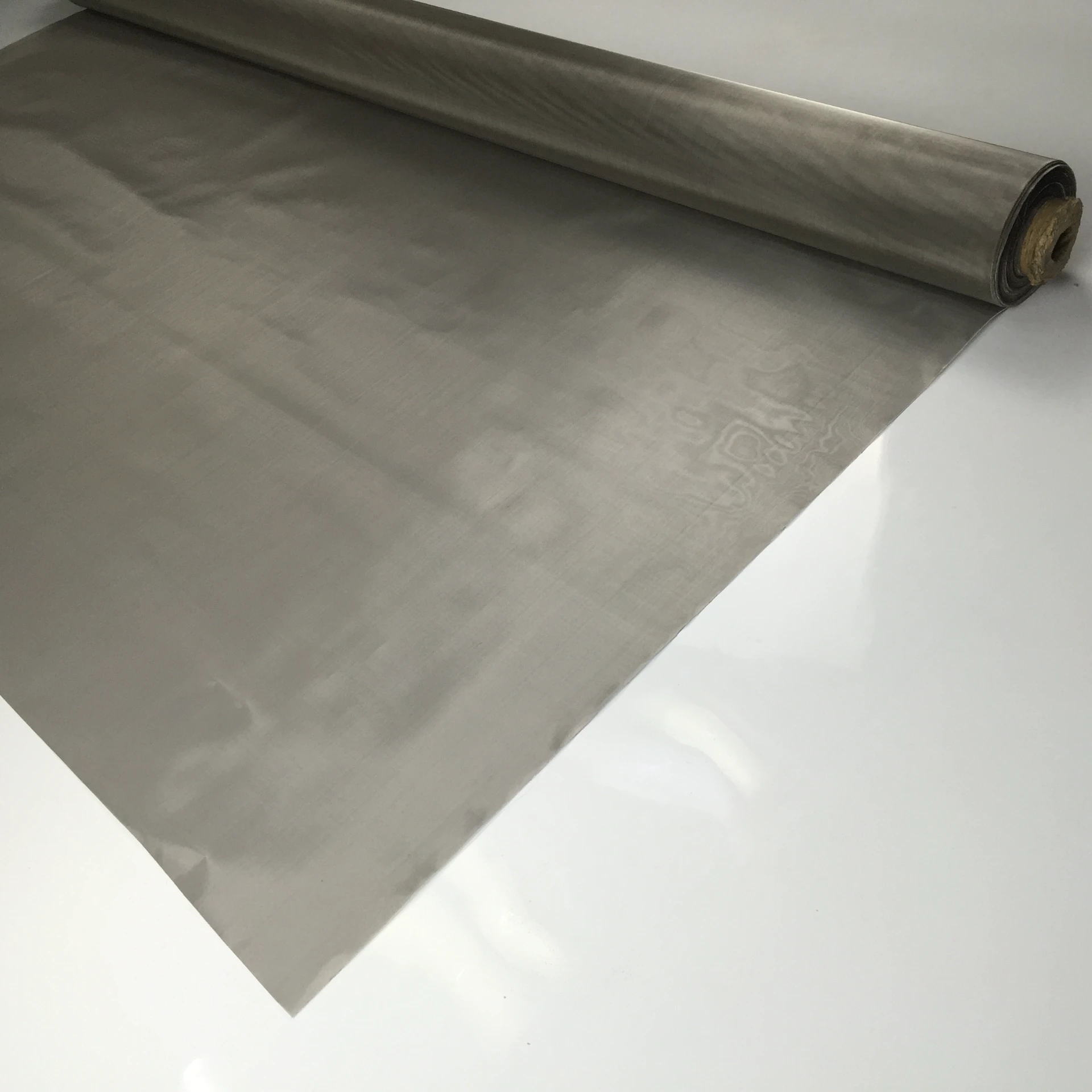
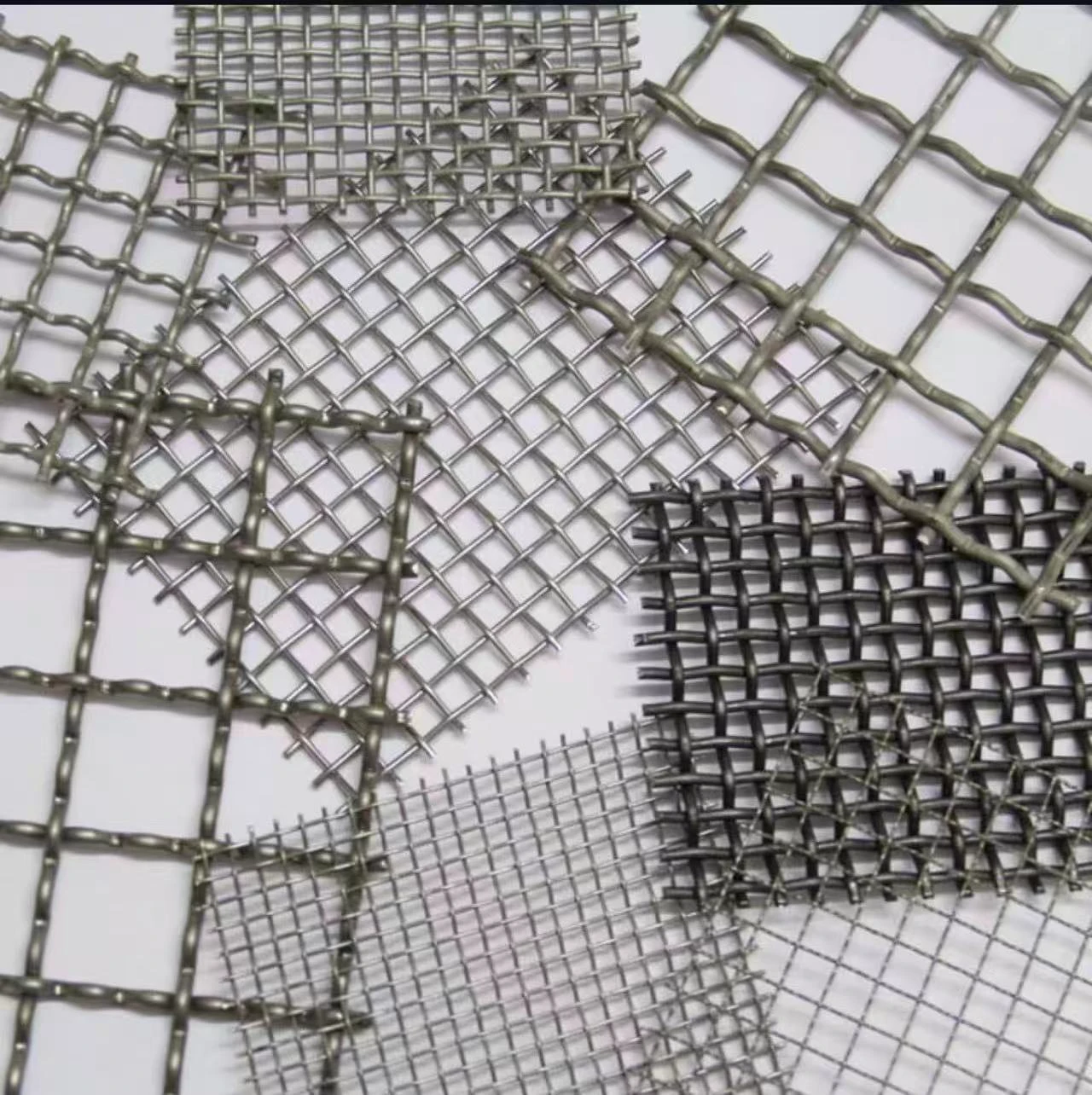
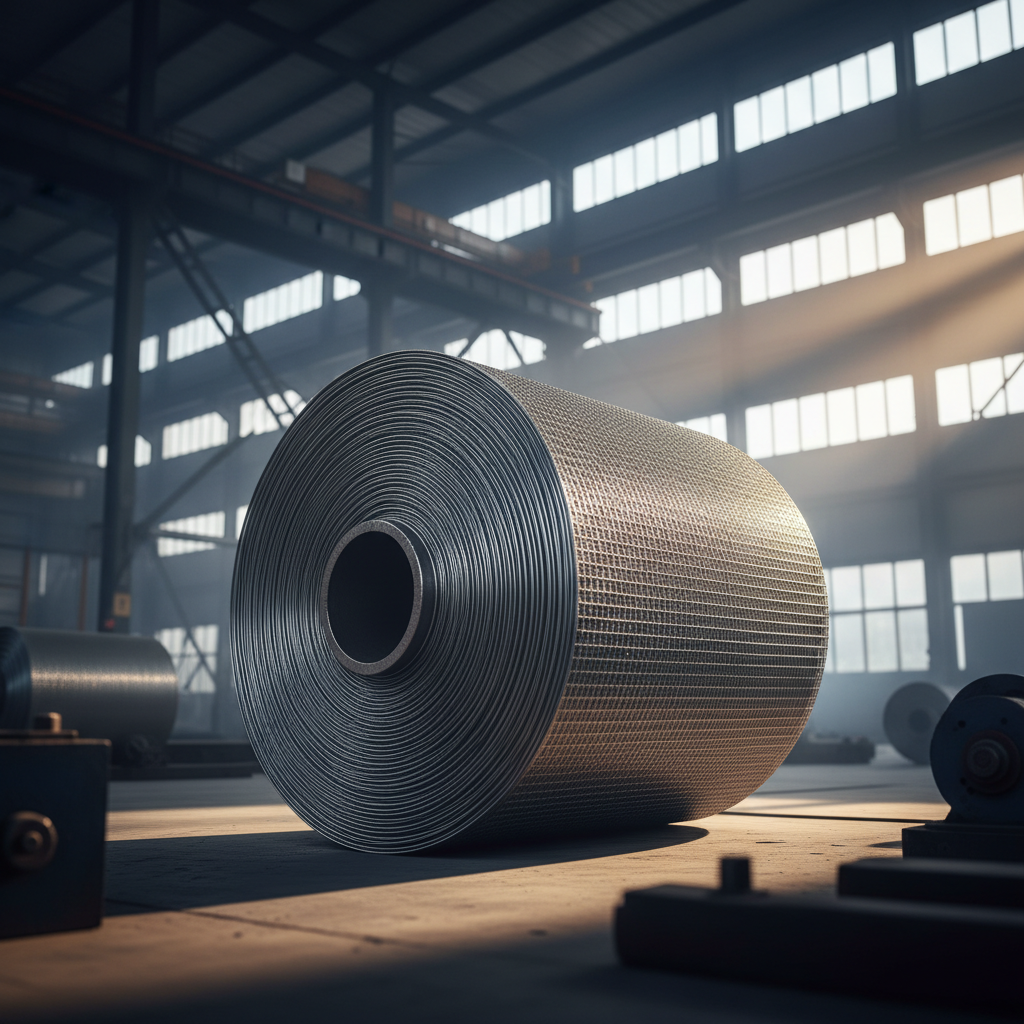
"Mesh" refers to the number of openings per linear inch. An 8 mesh screen, therefore, has 8 openings per inch. Stainless steel is the material of choice due to its exceptional corrosion resistance, high tensile strength, and ability to withstand extreme temperatures. The most common alloys used are 304 and 316 stainless steel, each offering varying levels of corrosion protection. 8 mesh is considered a medium-coarse filtration size, effectively filtering out relatively larger particles while allowing for good flow rates. Stainless Metal Mesh provides customizable options in terms of alloy, weave pattern, and dimensions.
Key Characteristics: High tensile strength, corrosion resistance, withstands extreme temperatures, medium-coarse filtration.
Common Applications of 8 Mesh Stainless Steel Screen
The versatility of 8 mesh stainless steel screen leads to its widespread use in diverse sectors. Some common applications include: water filtration (pre-filters for larger debris), food processing (sieving and separating ingredients), pharmaceuticals (filtering raw materials), chemical processing (separation of solids from liquids), mining (screening and classifying minerals), and ventilation systems (dust and debris control). The robust nature of stainless steel makes it ideal for harsh environments and demanding applications. Properly selected and maintained, 8 mesh screens deliver consistent performance and longevity.
Application Highlights:
• Water Filtration: Removing larger particles from water sources.
• Food Processing: Sieving flour, grains, and other food ingredients.
• Chemical Industry: Separating solids from liquids during chemical processes.
• Mining Operations: Classifying and screening minerals.
8 Mesh Stainless Steel Screen: Comparing Alloys – 304 vs. 316
While both 304 and 316 stainless steel offer excellent corrosion resistance, 316 contains molybdenum, which significantly enhances its resistance to chloride corrosion – a common issue in marine environments and areas with high salt exposure. Therefore, 316 is often preferred for applications involving seawater, chemicals, or harsh industrial environments. 304 is a more cost-effective option suitable for less corrosive environments. The choice depends on the specific application and the level of corrosion resistance required. Contact Stainless Metal Mesh to discuss the best alloy for your needs.
Factors to Consider When Choosing 8 Mesh Stainless Steel Screen
Selecting the right 8 mesh stainless steel screen requires careful consideration of several factors. First, identify the material being filtered and its particle size. Next, assess the operating environment – temperature, chemical exposure, and pressure. Determine the required flow rate and choose a weave pattern that balances filtration efficiency with permeability. Finally, consider the screen's dimensions and shape based on your equipment's specifications. Stainless Metal Mesh offers expert guidance to help you make the optimal selection.
Product Specifications & Available Options
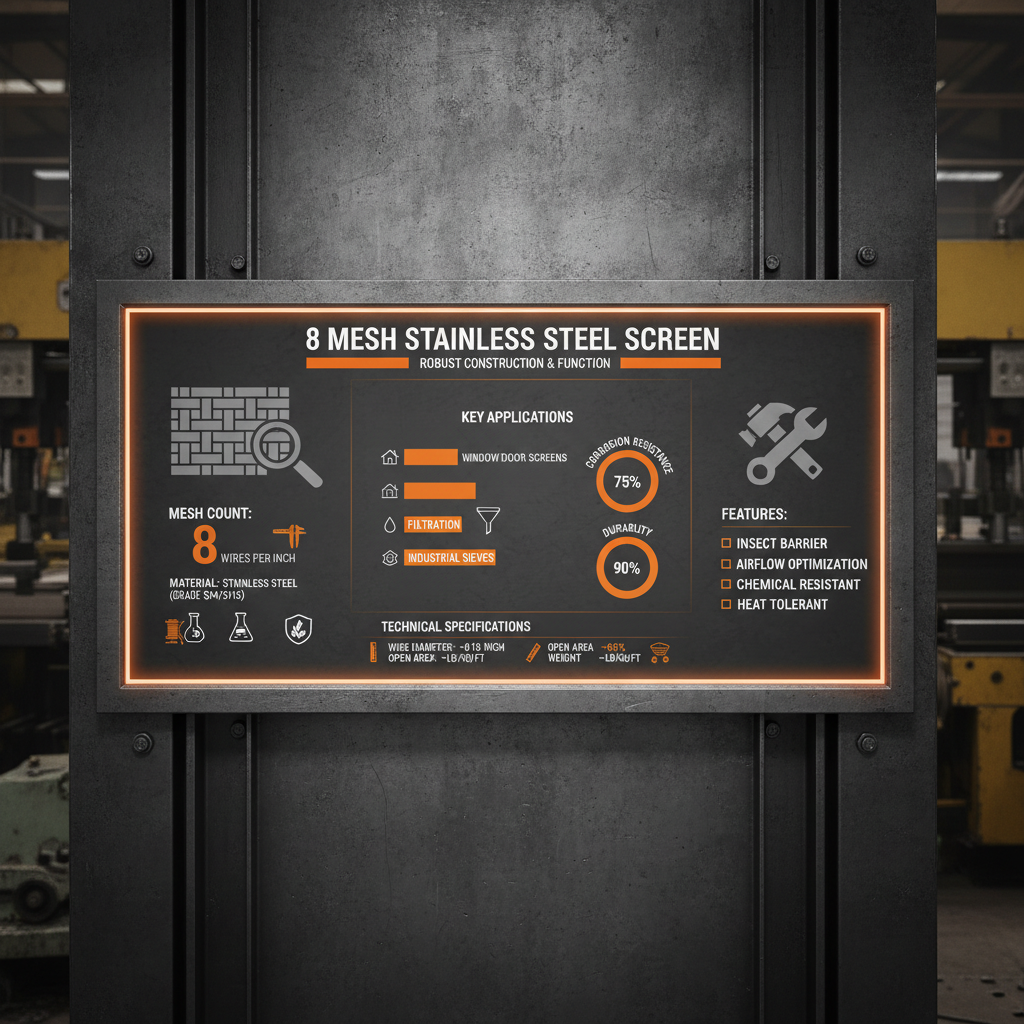
At Stainless Metal Mesh, we offer a range of 8 mesh stainless steel screen options to suit diverse needs. Here’s a quick overview of available specifications:
Conclusion: Choosing the Right 8 Mesh Stainless Steel Screen
Investing in the correct 8 mesh stainless steel screen can significantly enhance the efficiency and reliability of your filtration processes. Stainless Metal Mesh offers high-quality screens, expert advice, and customizable options to meet your specific needs. Don't compromise on quality – choose a solution that delivers long-lasting performance.
Frequently Asked Questions (FAQs)
What is the typical lifespan of stainless steel mesh?
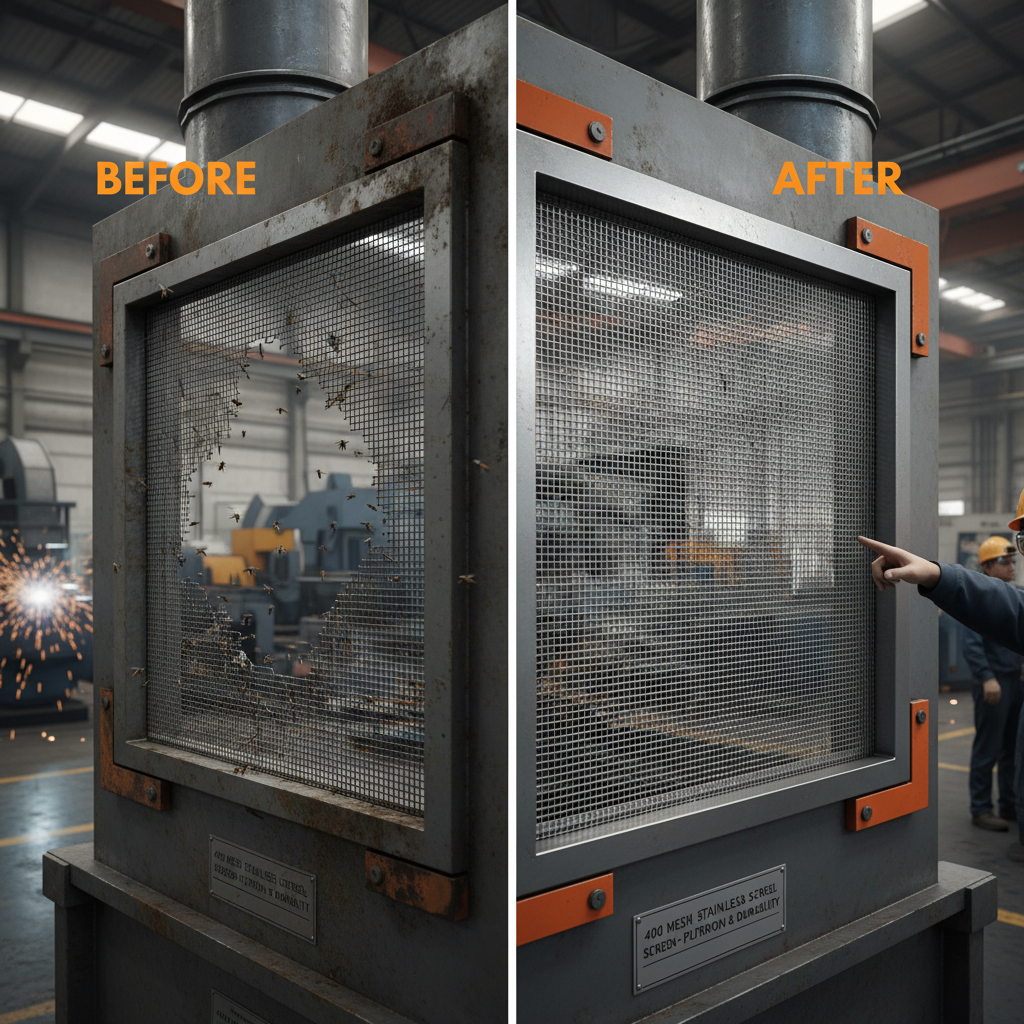
The lifespan of stainless steel mesh depends on the operating environment and the frequency of cleaning. Generally, with proper maintenance, 8 mesh stainless steel screen can last for several years. Regular cleaning to remove accumulated debris is crucial. Exposure to highly corrosive substances or abrasive materials will shorten its lifespan. Inspect the mesh periodically for signs of wear and tear, such as broken wires or corrosion.
How do I clean 8 mesh stainless steel screen?
Cleaning methods depend on the type of debris. For loose particles, brushing or compressed air are effective. For more stubborn residues, use a mild detergent and warm water. Avoid abrasive cleaners or tools that could damage the mesh. In some cases, ultrasonic cleaning may be appropriate. Always rinse thoroughly with clean water after cleaning. Proper cleaning prolongs the mesh's life and maintains its filtration efficiency.
Can 8 mesh stainless steel screen be cut to custom sizes?
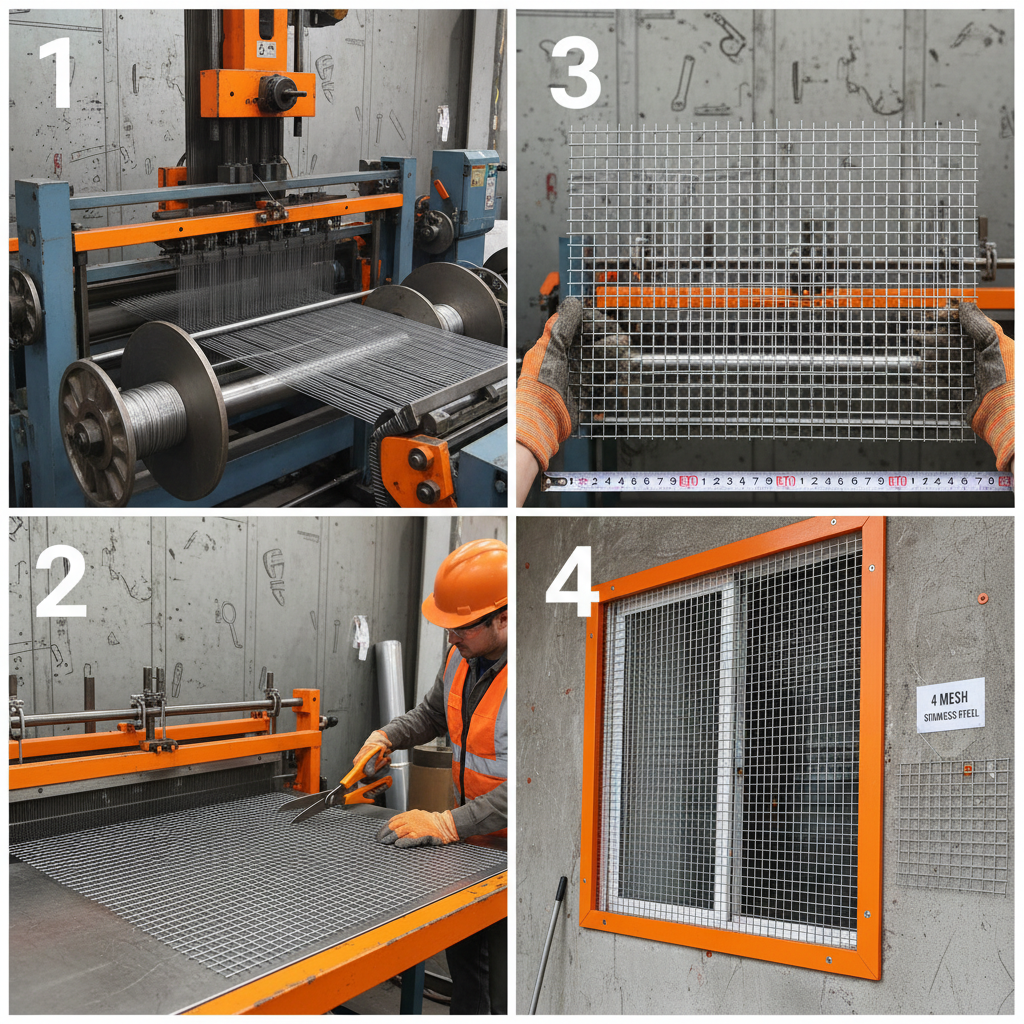
Yes, 8 mesh stainless steel screen can be cut to custom sizes. However, it's important to use appropriate cutting tools to avoid damaging the mesh. Shears designed for wire mesh are recommended. Stainless Metal Mesh provides custom cutting services to ensure accurate and clean cuts.
What is the difference between plain weave and Dutch weave?
Plain weave is the most common weave pattern, with wires passing alternately over and under each other. Dutch weave has a different weaving pattern where multiple wires are woven over one wire, creating a more open structure with higher permeability. Dutch weave is often used for applications requiring high flow rates but lower filtration efficiency.
-
-
-
-
-
-
-
-
-
-
-
-
-
-
-
-