
Talk to Us
+86 13633281999
Email Address
ada@xingxinwiremesh.comComprehensive Guide to 5mm Stainless Steel Mesh for Industrial Applications
5mm Stainless Steel Mesh: A Comprehensive Guide
When it comes to filtration, separation, and support applications, 5mm stainless steel mesh stands out as a versatile and durable solution. Its unique combination of strength, corrosion resistance, and precise aperture size makes it a preferred choice across numerous industries. This article will delve into the properties, applications, and benefits of this type of mesh, offering a detailed overview for engineers, buyers, and anyone seeking a reliable material for their projects. Selecting the right mesh size is critical, and we’ll explore why 5mm offers a compelling balance of functionality and performance.
Understanding the Properties of 5mm Stainless Steel Mesh
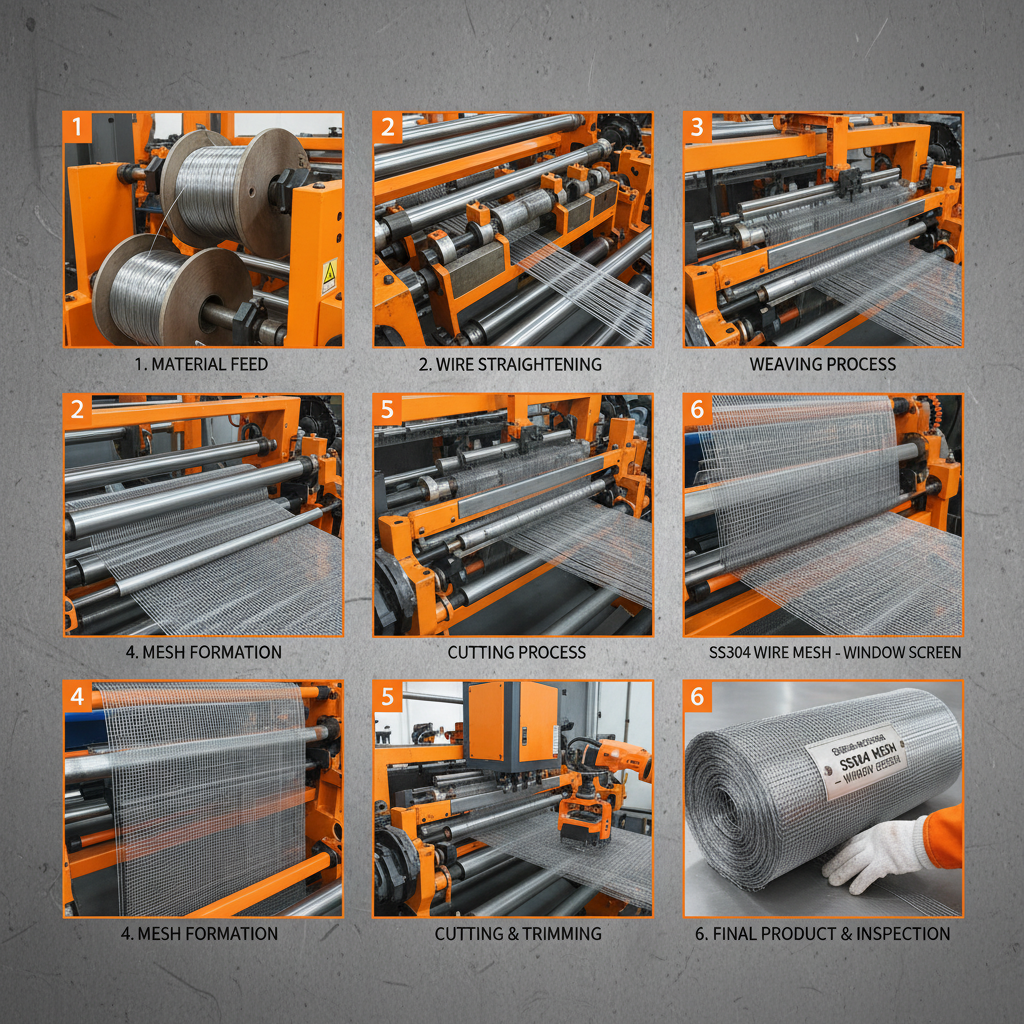
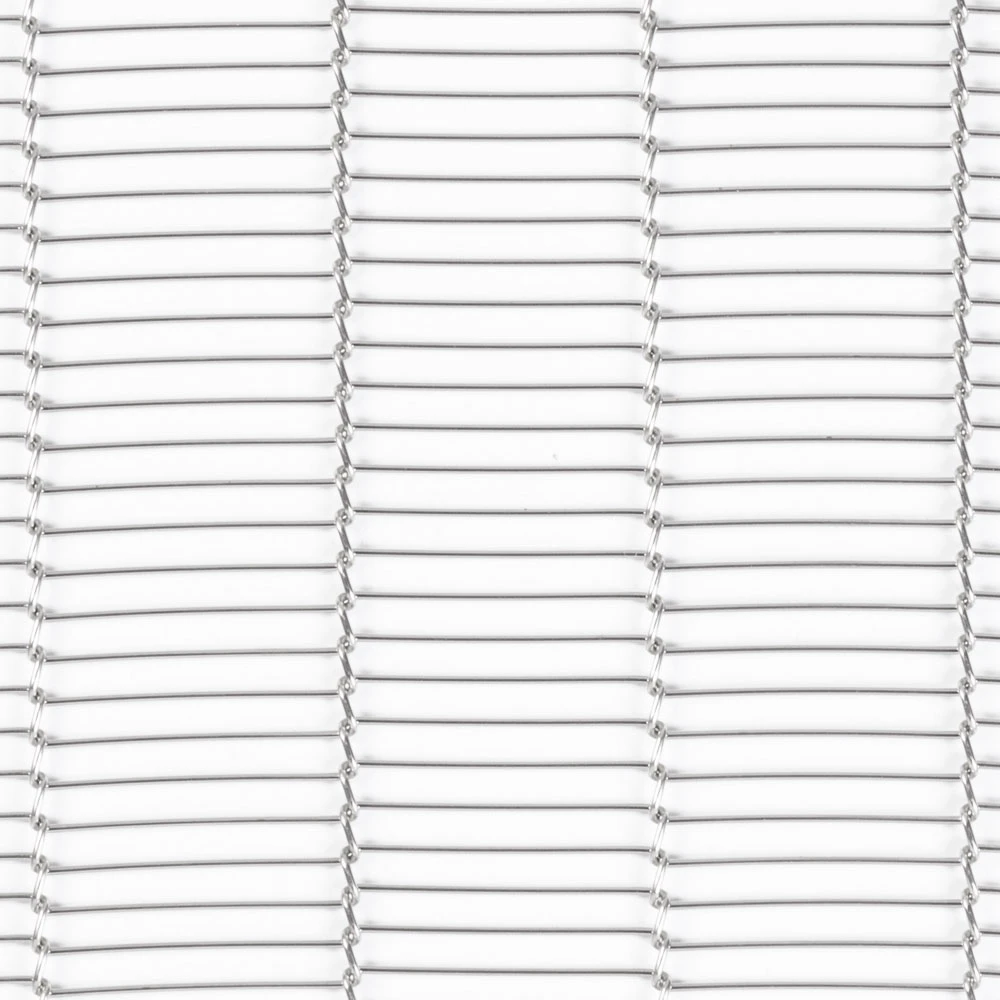
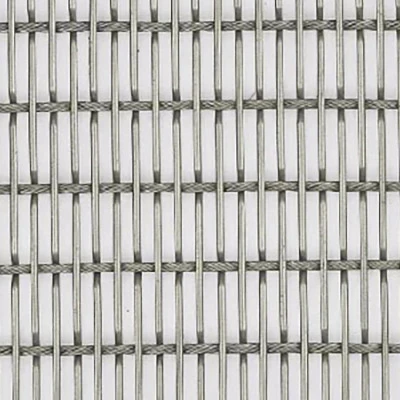
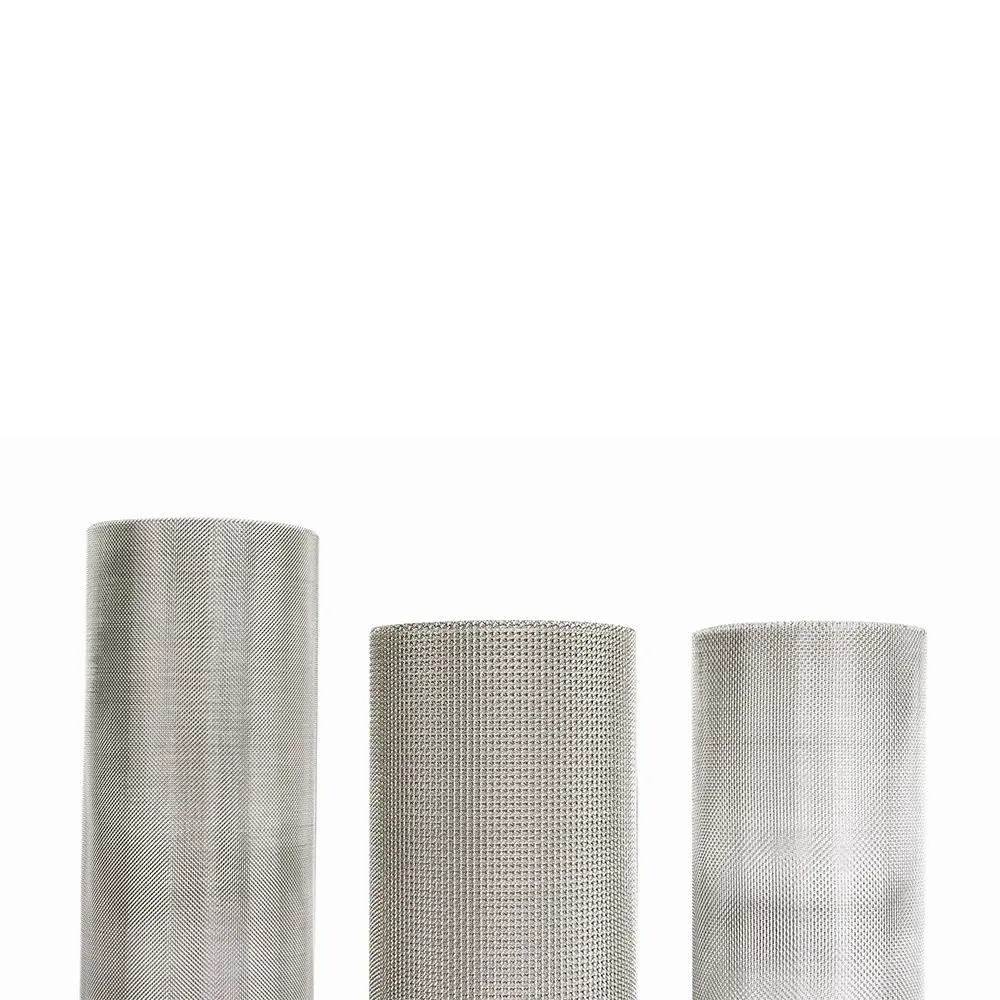
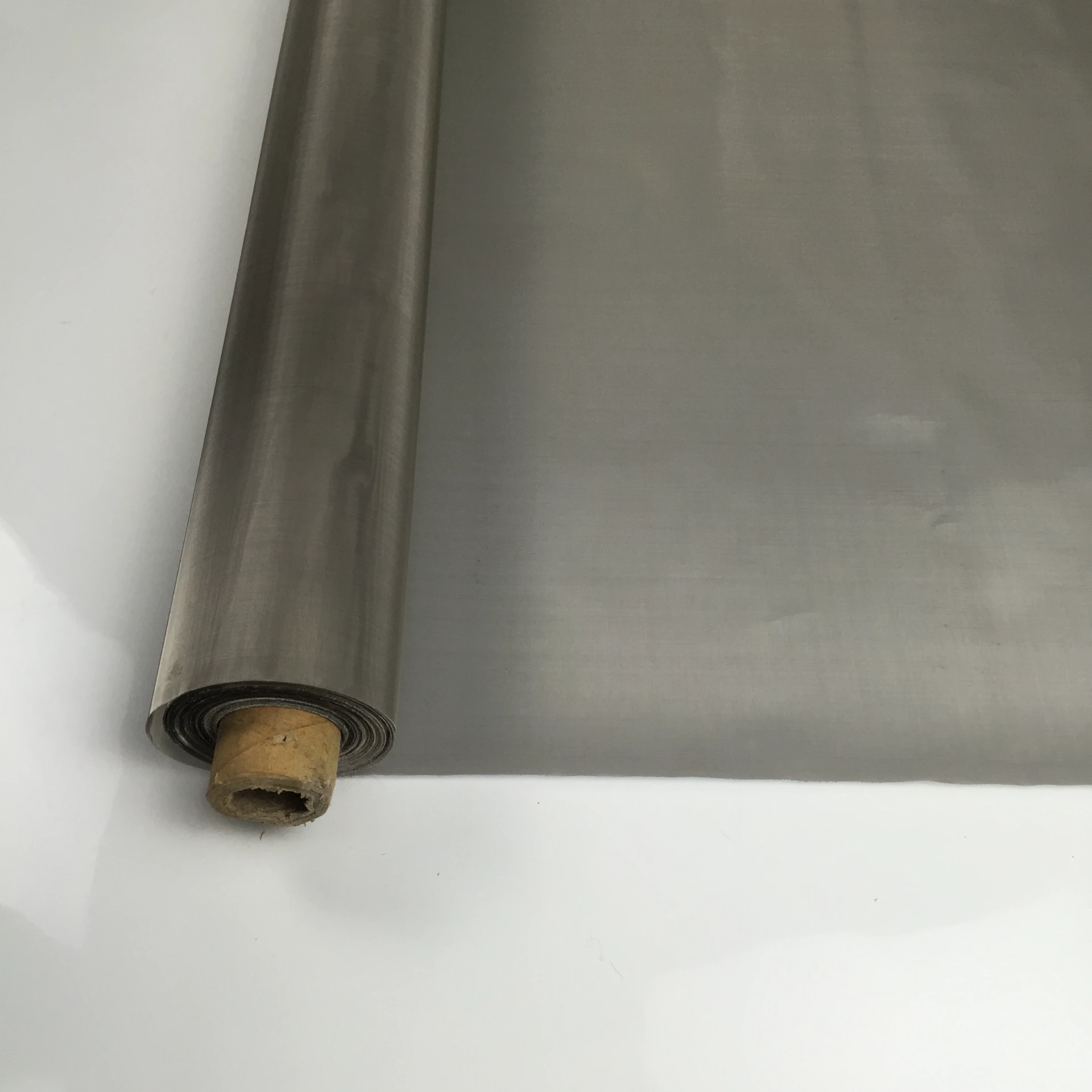
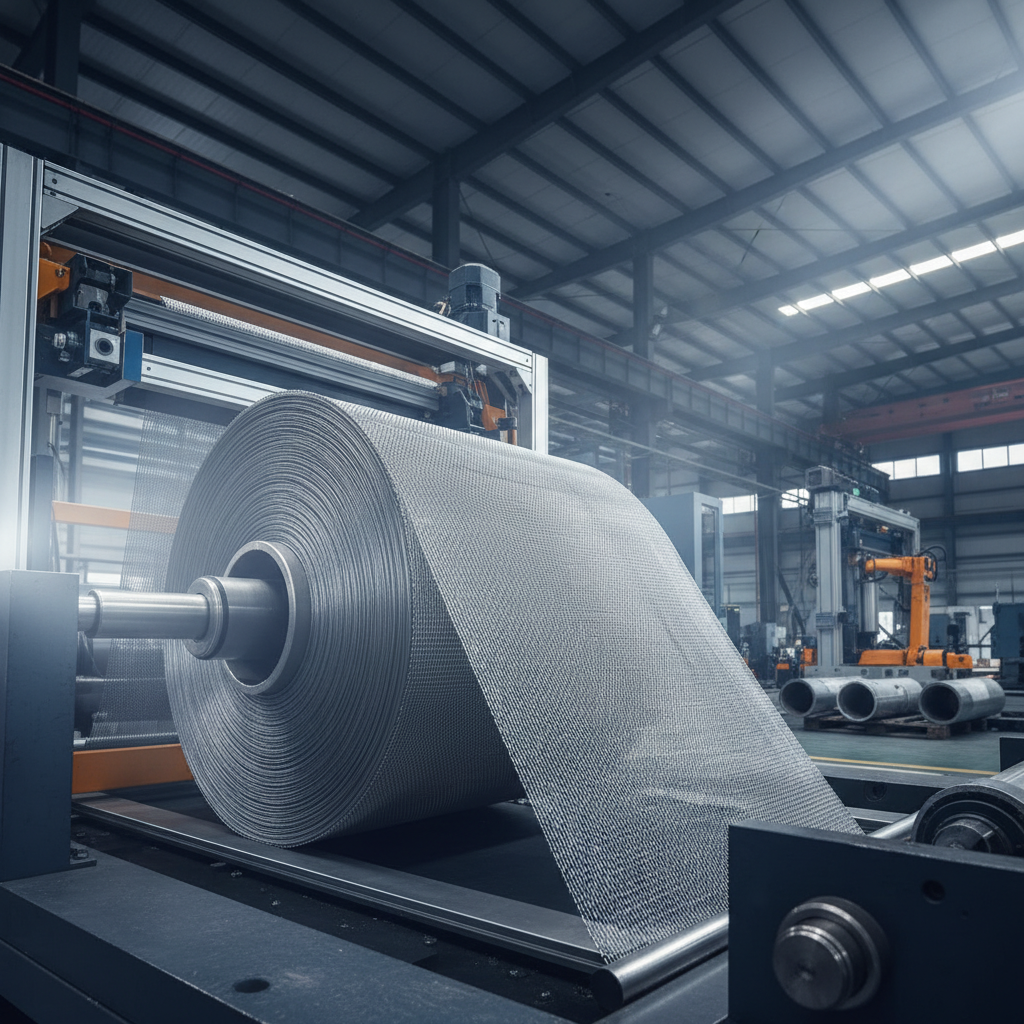
5mm stainless steel mesh refers to a woven wire mesh with an aperture (opening) size of 5 millimeters. It's typically manufactured from grades 304, 316, or 316L stainless steel, each offering varying levels of corrosion resistance. Grade 304 is excellent for general applications, while 316 and 316L provide superior resistance in harsh, chloride-rich environments. The mesh count, which indicates the number of openings per inch, will vary depending on the wire diameter used to achieve the 5mm aperture. The weave patterns commonly employed include plain weave, twill weave, and dutch weave, each offering distinct characteristics regarding permeability and strength. The inherent properties of stainless steel, such as its high tensile strength and resistance to temperature extremes, contribute to the longevity and reliability of this mesh. You can find more information about our mesh options at Stainless Metal Mesh.
Key Highlights: Durable, corrosion-resistant, and available in various weave patterns to suit different applications. Offers a precise 5mm aperture for accurate filtration or separation.
Applications of 5mm Stainless Steel Mesh
The 5mm aperture makes this mesh incredibly versatile. Common applications include:
- Filtration: Separating solids from liquids in various industrial processes.
- Screening: Sizing materials in aggregate, mining, and food processing.
- Support Media: Providing a structural support for catalysts or other materials in chemical reactions.
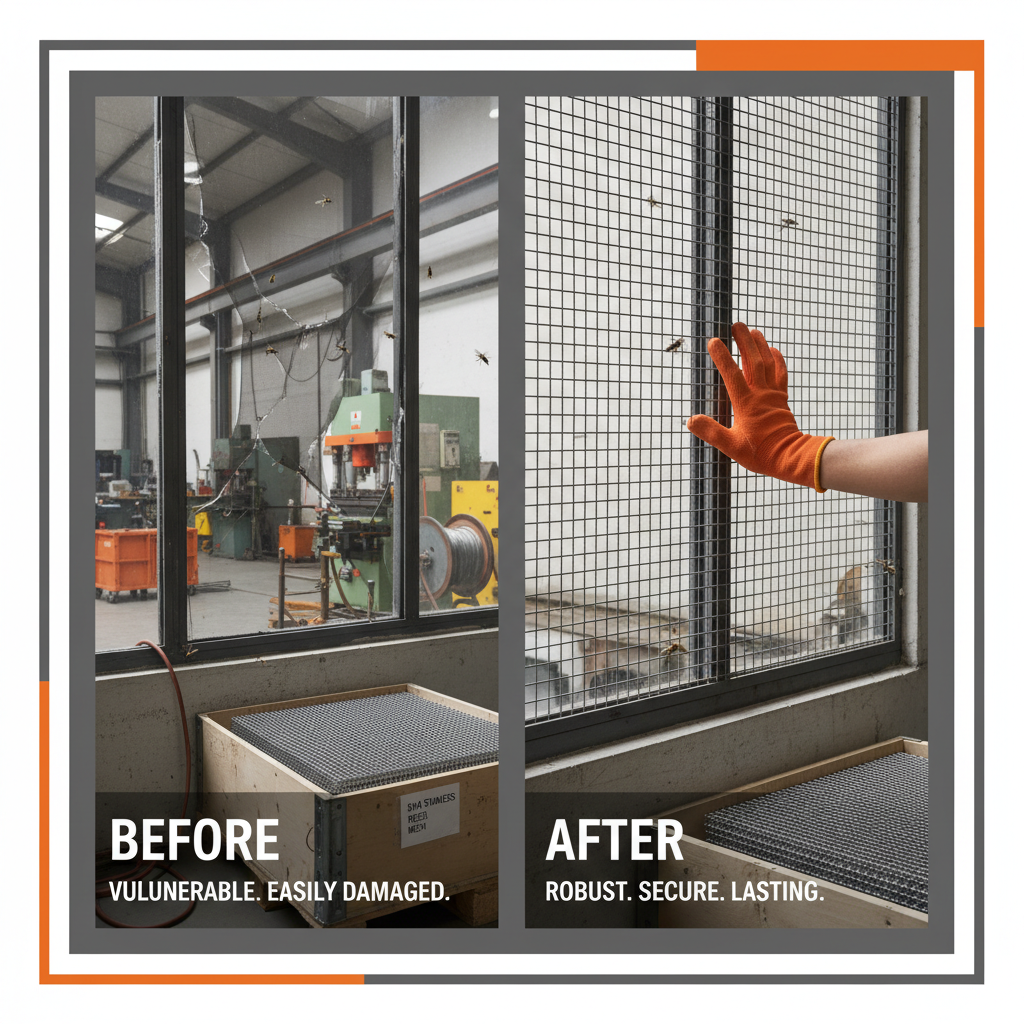
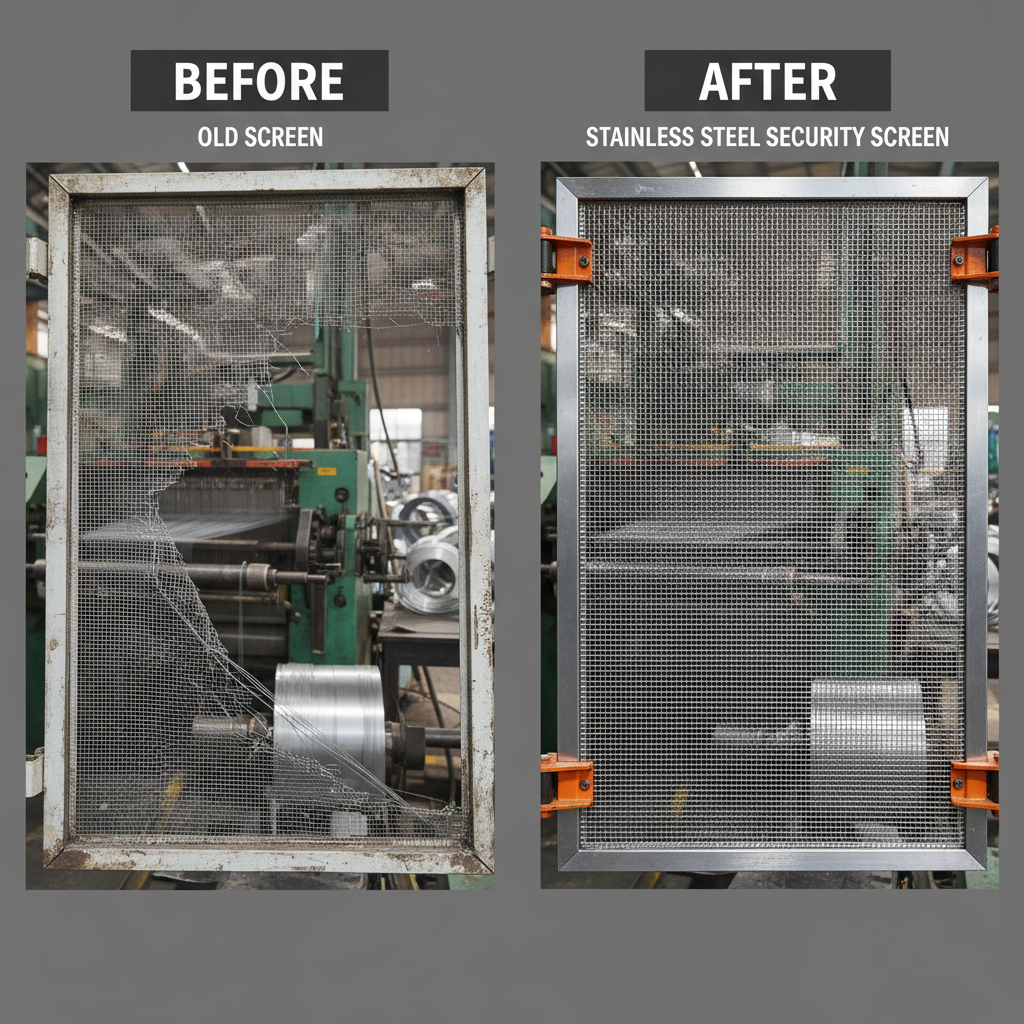
- Architectural Applications: Used in facades, security screens, and decorative elements.
- Aquaculture: Creating enclosures for fish farming and shellfish cultivation.
- Industrial Guarding: Protecting machinery and personnel from hazards.
Application Benefits:
• High strength and durability for long-lasting performance
• Excellent corrosion resistance in a variety of environments
• Precise aperture size for accurate separation and filtration
• Versatility for use in a wide range of industries
5mm Stainless Steel Mesh: Grades and Weave Types
Choosing the correct grade and weave is crucial for optimal performance. Here's a comparison:
Benefits of Choosing Stainless Steel Over Other Materials
While other materials like plastic or carbon steel can be used for mesh applications, stainless steel offers significant advantages. Plastic meshes lack the strength and temperature resistance of stainless steel. Carbon steel is prone to corrosion, requiring protective coatings that can degrade over time. Stainless steel, on the other hand, maintains its integrity in harsh environments, minimizing maintenance and replacement costs. The longevity and reliability of stainless steel mesh often justify the initial investment. Moreover, stainless steel is recyclable, making it an environmentally responsible choice. You can explore our range of stainless steel options on our website.
Product Specifications and Customization
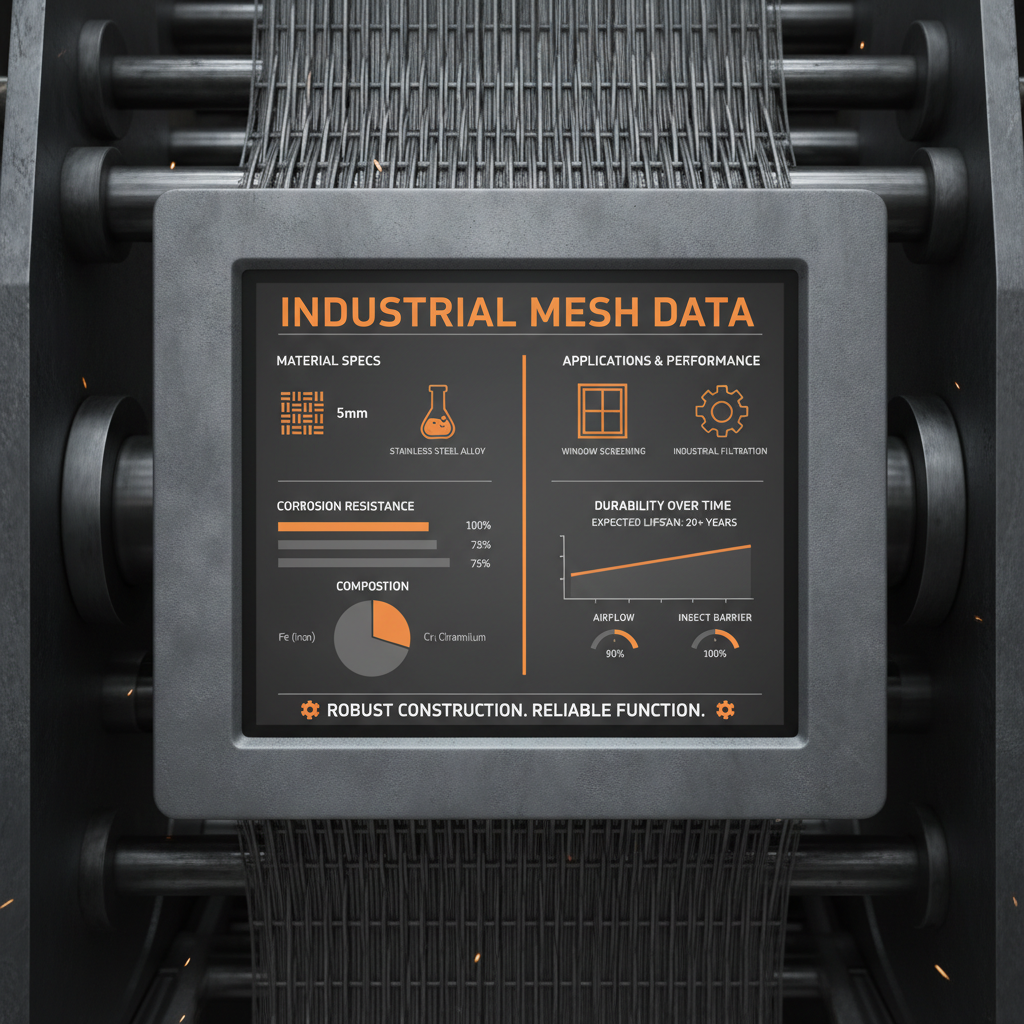
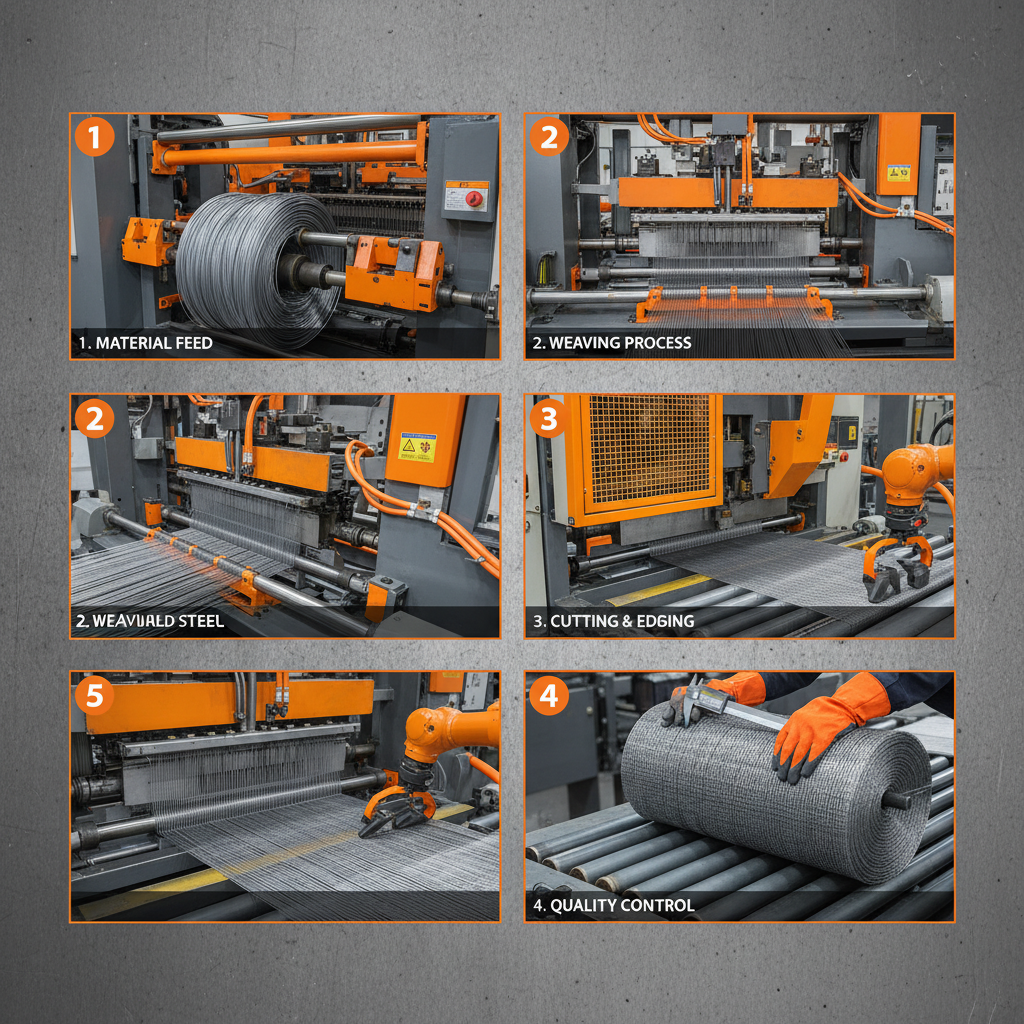
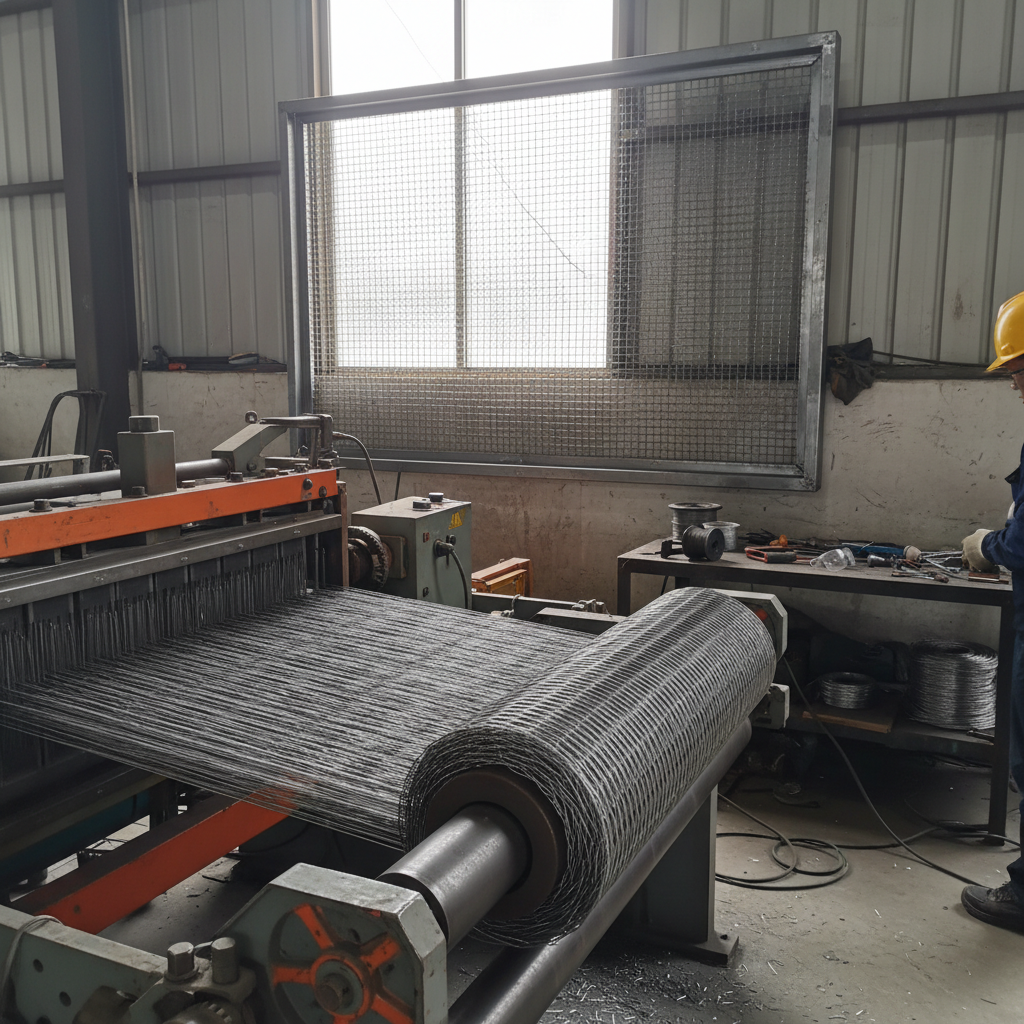
We offer 5mm stainless steel mesh in a variety of widths and lengths to meet your specific project requirements. Customization options include different weave patterns, edge finishes (e.g., cut, rolled, or welded edges), and material grades. Contact our experienced team to discuss your needs and receive a tailored solution. Below is a typical product specification table.
Conclusion: Choosing the Right 5mm Stainless Steel Mesh
Investing in high-quality 5mm stainless steel mesh ensures long-term performance and reliability. Consider your application's specific requirements – corrosion resistance, load-bearing capacity, and desired filtration rate – when selecting the appropriate grade and weave. We at Stainless Metal Mesh are dedicated to providing tailored solutions to meet your needs.
Frequently Asked Questions (FAQs)
What is the typical lead time for custom orders?
Lead times for custom orders vary depending on the complexity of the specifications and our current production schedule. Generally, standard custom orders can be fulfilled within 2-4 weeks. For larger or more complex projects, lead times may be longer. We provide accurate lead time estimates upon receiving your order details. We strive to deliver your mesh as quickly as possible without compromising quality. Contact us for a tailored quote and timeline.
How do I determine the correct mesh count for my application?
The correct mesh count depends on the particle size you need to filter or separate. A higher mesh count means smaller openings. To determine the ideal mesh count, consider the size of the particles you want to retain. We recommend performing a sieve analysis to accurately determine the particle size distribution of your material. Our technical team can assist you in selecting the appropriate mesh count based on your sieve analysis results.
What are the edge finishing options available?
We offer various edge finishing options to ensure safe handling and a professional appearance. These include cut edges, rolled edges, and welded edges. Cut edges are the most economical option, but can be sharp. Rolled edges provide a smooth, rounded finish for improved safety. Welded edges create a durable, reinforced edge that prevents unraveling. The best option depends on your application and safety requirements.
-
-
-
-
-
-
-
-
-
-
-
-
-
-
-
-