
Talk to Us
+86 13633281999
Email Address
ada@xingxinwiremesh.comComprehensive Guide to Stainless Steel 1 8 Mesh Screen Applications and Benefits
Understanding Stainless Steel 1 8 Mesh Screen
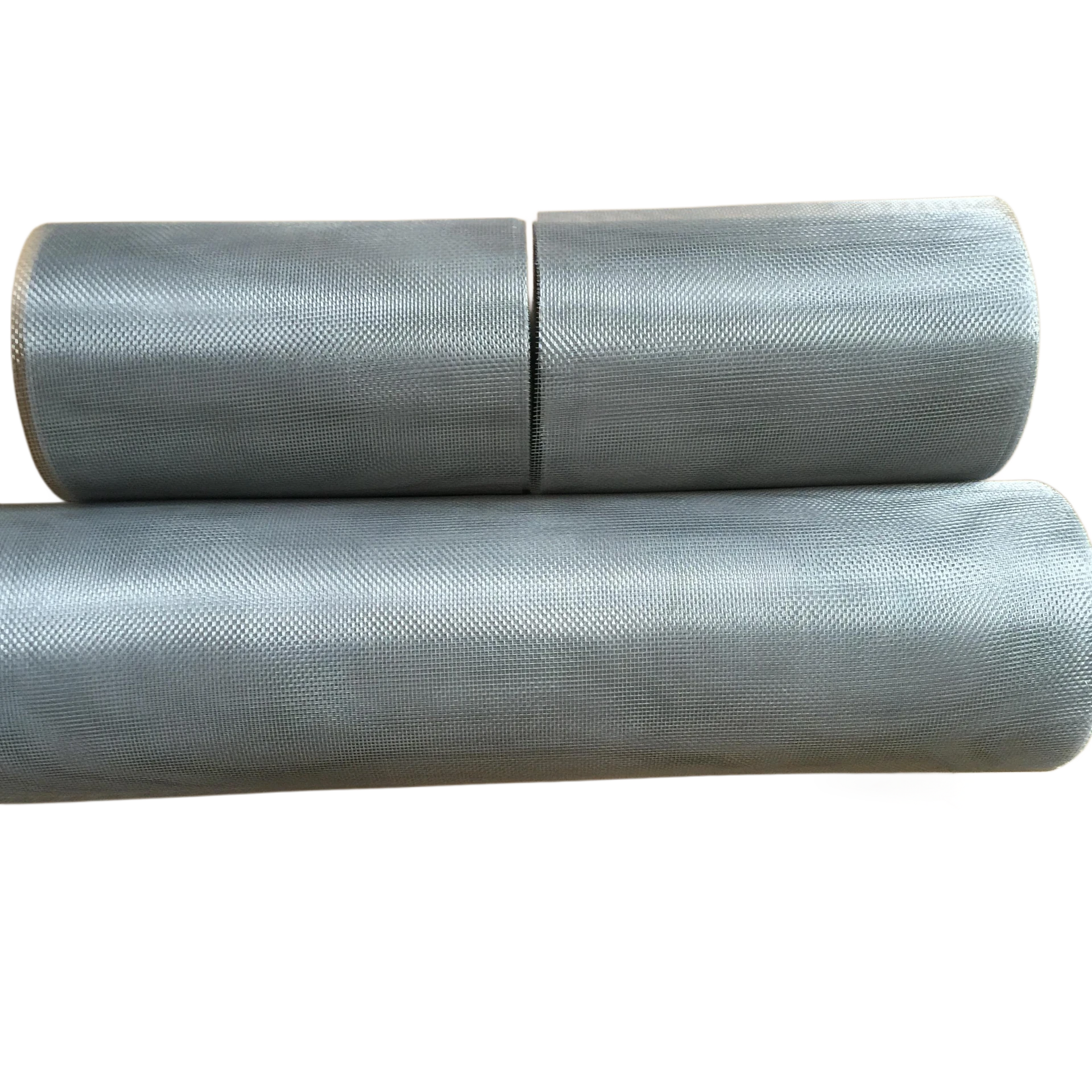
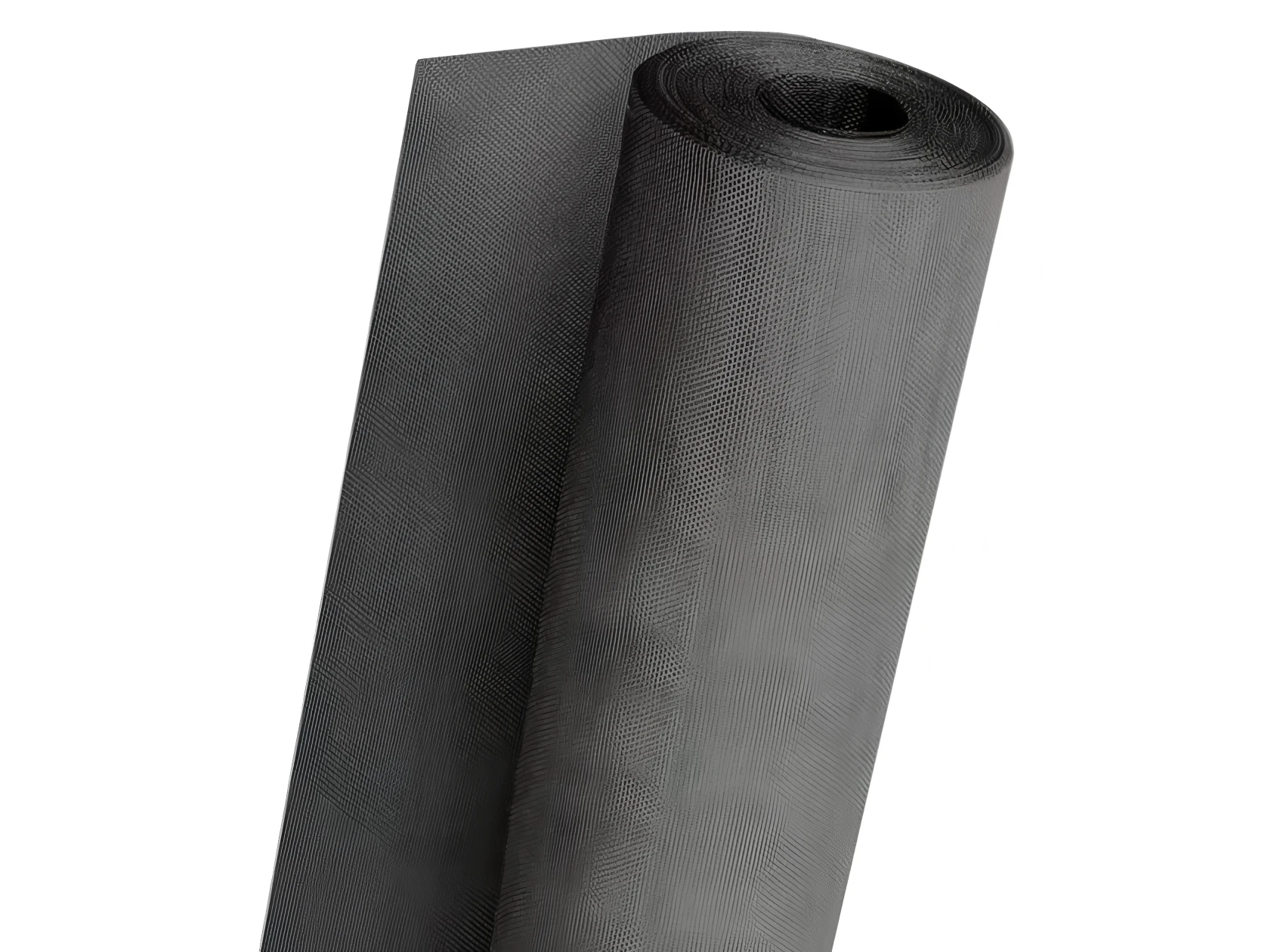
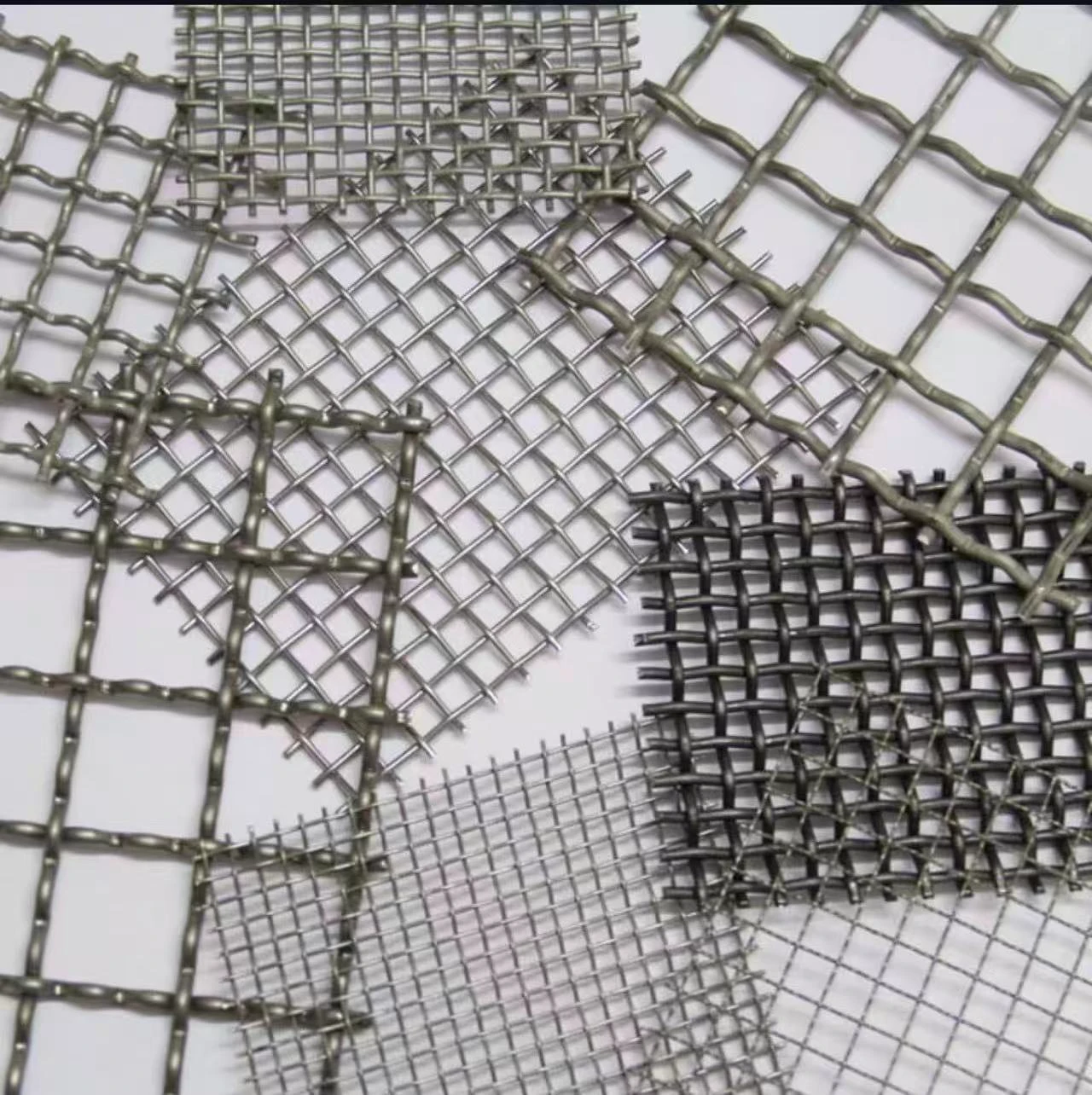
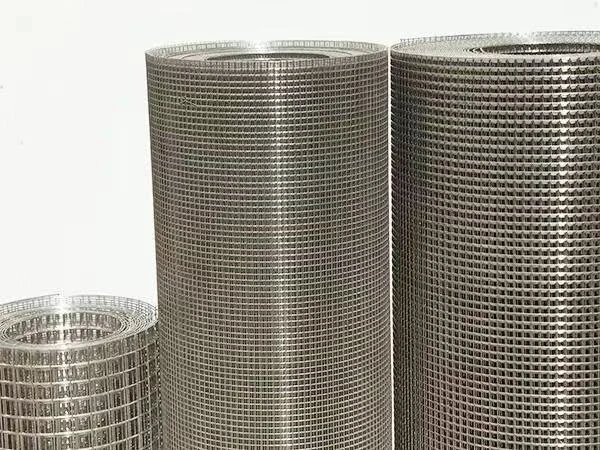
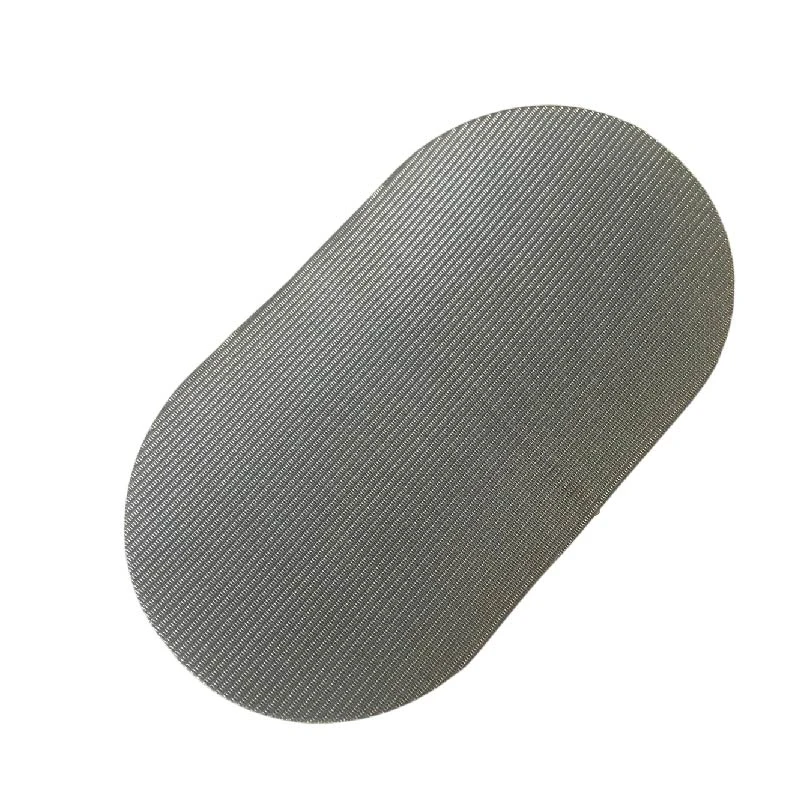
Stainless steel 1 8 mesh screen is a versatile material used in a variety of industries, prized for its durability, corrosion resistance, and precise filtration capabilities. The '1 8' designation refers to the mesh count, meaning there are 1.8 openings per inch. This fine mesh size makes it ideal for applications requiring very precise separation or filtration. Whether you're in food processing, pharmaceuticals, or industrial manufacturing, understanding the properties and applications of this screen is crucial. For high-quality stainless steel mesh solutions, explore our offerings.
What Makes Stainless Steel 1 8 Mesh Screen Superior?
The primary advantage of stainless steel 1 8 mesh screen lies in its material composition. Typically made from grades like 304 or 316 stainless steel, it offers exceptional resistance to corrosion from water, chemicals, and extreme temperatures. The tighter mesh size, at 1.8 openings per inch, creates a significantly finer filtration level compared to coarser meshes. This makes it suitable for applications where even small particles need to be removed. It’s also known for its longevity, requiring minimal maintenance, and ability to withstand repeated cleaning and sterilization. The specific grade of stainless steel used will influence its corrosion resistance – 316 being more resistant than 304, especially in chloride environments.
Key Highlights: Exceptional corrosion resistance, fine filtration capability, durability, and minimal maintenance.
Applications of Stainless Steel 1 8 Mesh Screen
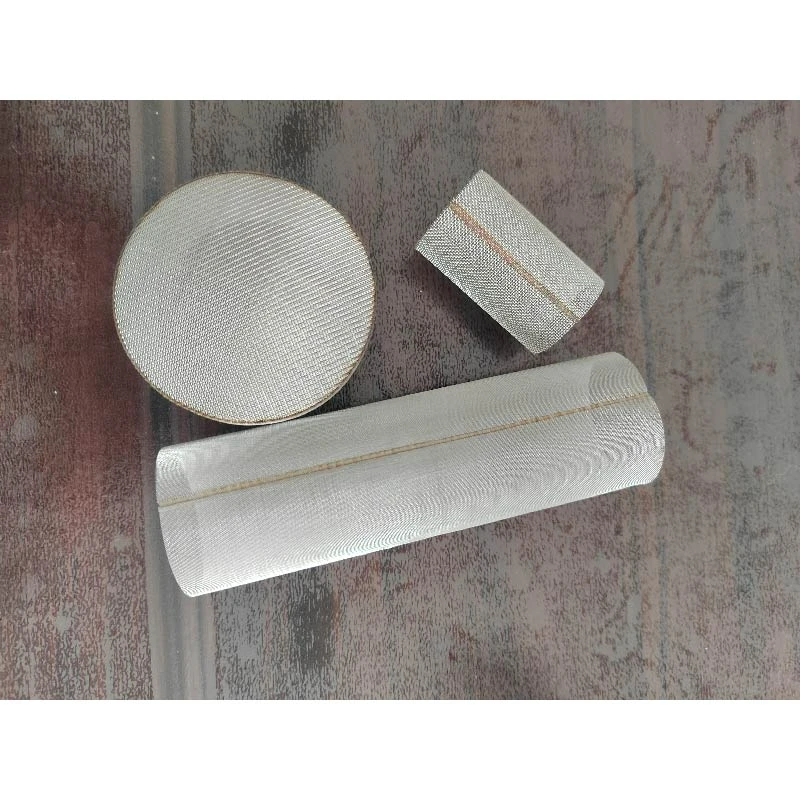
The versatility of stainless steel 1 8 mesh screen leads to its wide adoption across numerous industries. In the food and beverage industry, it's used for straining liquids like juices, sauces, and oils, ensuring a smooth and consistent product. Pharmaceutical companies utilize it for filtering sterile solutions and powders. Industrial applications include air filtration, chemical processing, and even security screens. Its fine mesh also makes it valuable in laboratory settings for particle separation and analysis. The ability to withstand high temperatures makes it ideal for processes like drying and sterilization. Explore our comprehensive range of stainless steel mesh products to find the perfect solution for your specific needs.
Application Benefits:
• Precise filtration of liquids and powders
• Corrosion resistance in harsh environments
• High temperature resistance for sterilization
• Long-lasting durability and minimal maintenance
Stainless Steel Grade Comparison: 304 vs 316
Choosing between 304 and 316 stainless steel for your 1 8 mesh screen depends on the specific application and potential exposure to corrosive elements. 304 stainless steel is a general-purpose alloy known for its excellent corrosion resistance in many environments. However, 316 stainless steel contains molybdenum, which significantly enhances its resistance to chloride corrosion – making it ideal for marine environments, chemical processing, and applications involving salt water. While 316 is more expensive, the increased durability and longevity can often justify the higher initial cost.
Factors Influencing the Cost of Stainless Steel 1 8 Mesh Screen
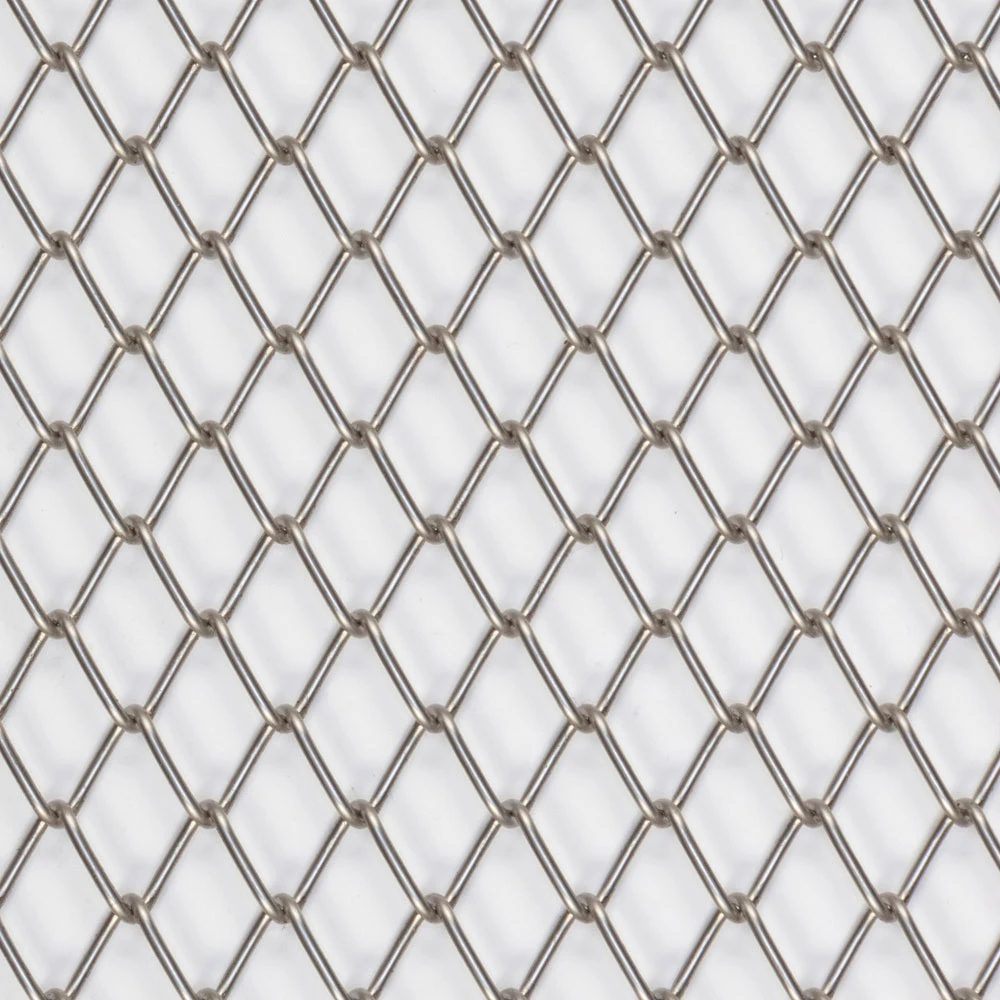
The cost of stainless steel 1 8 mesh screen varies depending on several factors. The grade of stainless steel (304 or 316) is a major determinant, with 316 being more expensive. The mesh size accuracy and weaving style (plain weave, twill weave, Dutch weave) also impact the price. Larger quantities generally result in lower per-unit costs. Additionally, custom shapes or sizes will typically incur higher charges. Working with a reputable supplier like Stainless Metal Mesh can ensure you receive competitive pricing and high-quality products.
Technical Specifications and Considerations
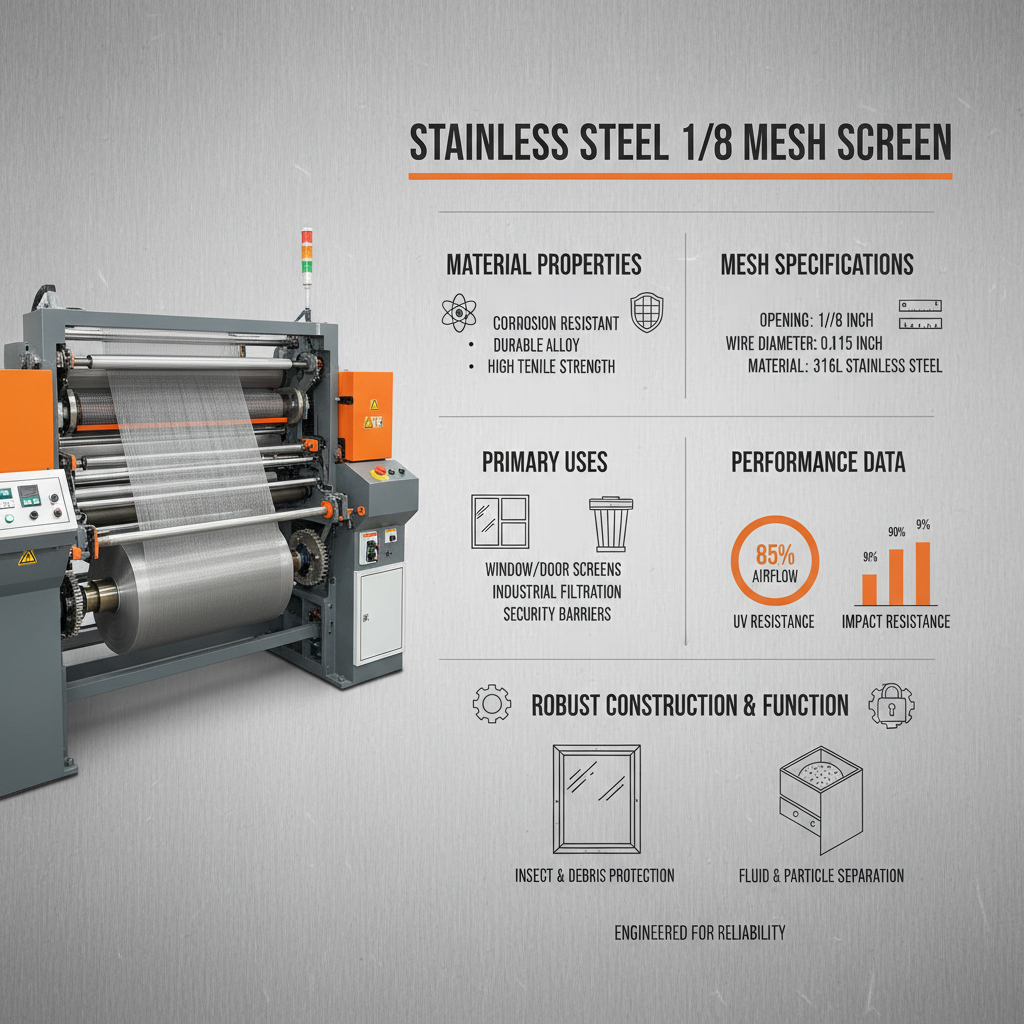
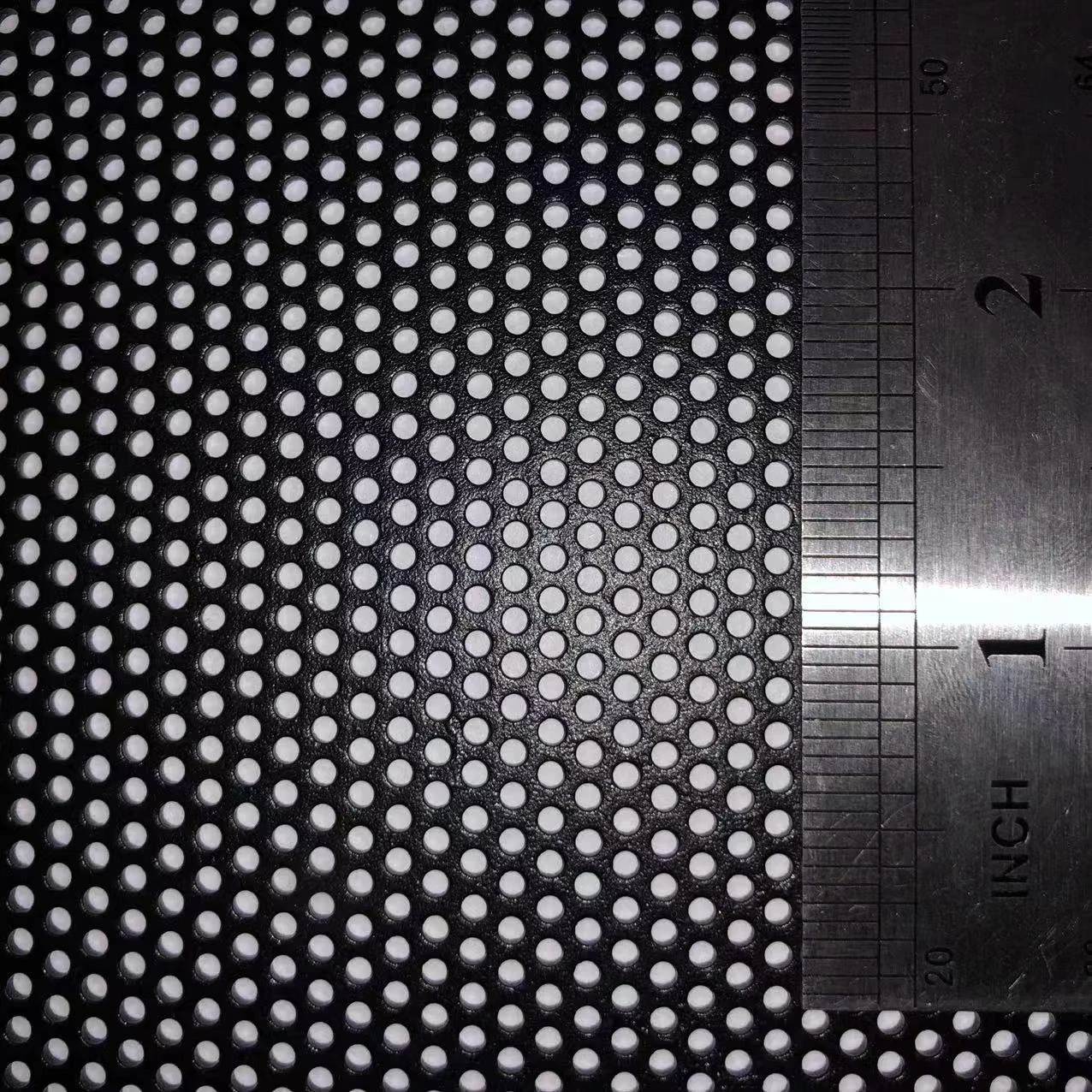
When specifying stainless steel 1 8 mesh screen, it's essential to consider several technical parameters. The mesh count (1.8 openings per inch), wire diameter, and weave type are critical. Also, determine the required dimensions and any special finishing requirements. Ensure the chosen material meets relevant industry standards and certifications. Proper handling and installation are crucial to maintain the screen's integrity and performance. For a custom quote and detailed specifications, contact our team at Stainless Metal Mesh.
Conclusion: Choosing the Right Stainless Steel Mesh Screen
Selecting the appropriate stainless steel 1 8 mesh screen is crucial for achieving optimal performance and longevity in your application. Factors like material grade, weave type, and wire diameter all play a significant role. For reliable, high-quality stainless steel mesh and expert guidance, trust Stainless Metal Mesh. We offer a wide range of options and customized solutions to meet your specific needs.
Frequently Asked Questions (FAQs)
What is the difference between plain weave and Dutch weave mesh?
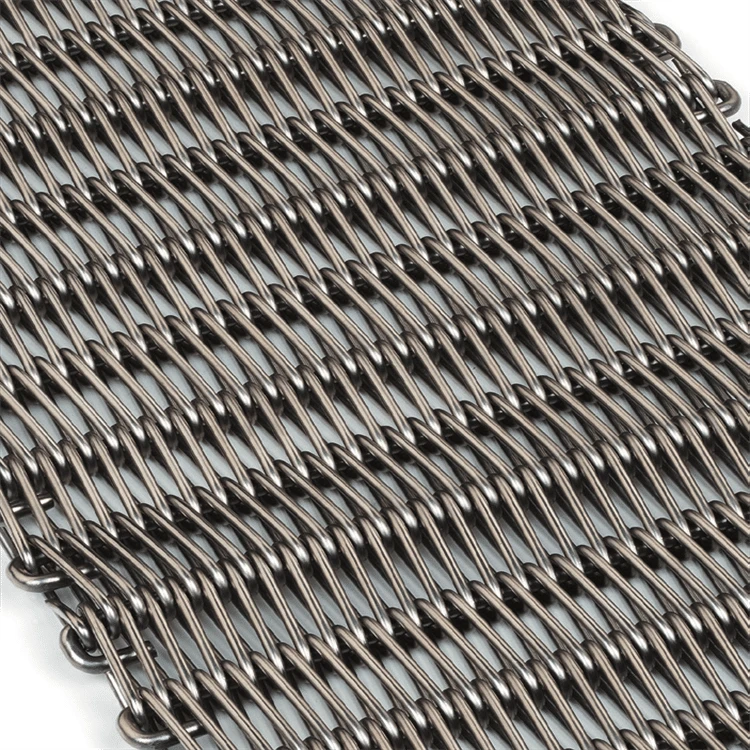
Plain weave is the most common type of stainless steel mesh, with wires woven in a simple over-under pattern. It offers good strength and stability. Dutch weave, however, has an alternating pattern of over-several-under-one, resulting in a more open mesh with increased permeability. This makes Dutch weave ideal for applications requiring high flow rates, such as filtration of liquids with high viscosity. The choice depends on the specific requirements of your application, with plain weave prioritizing strength and Dutch weave prioritizing flow.
How do I clean stainless steel 1 8 mesh screen?
Cleaning depends on the type of contamination. For general dirt and debris, a mild detergent and warm water are usually sufficient. For more stubborn residues, specialized stainless steel cleaners can be used, but always test in an inconspicuous area first. Avoid abrasive cleaners or scouring pads, as these can damage the mesh. Rinse thoroughly with clean water and allow to dry completely. In some cases, ultrasonic cleaning may be an effective option.
Can stainless steel mesh be cut to custom sizes?
Yes, stainless steel mesh can be easily cut to custom sizes using various methods, including shears, nibblers, or laser cutting. However, it's important to use appropriate tools and techniques to avoid damaging the mesh. Burrs or sharp edges may need to be deburred after cutting. Stainless Metal Mesh offers custom cutting services to ensure precise and clean cuts to your specifications.
What are the typical lead times for stainless steel mesh orders?
Lead times vary depending on the quantity, material grade, and any custom requirements. Standard sizes and materials are typically in stock and can ship within a few business days. Custom orders may require 2-4 weeks, depending on the complexity. Contact Stainless Metal Mesh for a specific quote and estimated lead time for your project.
-
-
-
-
-
-
-
-
-
-
-
-
-
-
-
-