
Talk to Us
+86 13633281999
Email Address
ada@xingxinwiremesh.comComprehensive Guide to 20 Mesh Stainless Steel Screen Applications and Benefits
Understanding 20 Mesh Stainless Steel Screen: Applications and Benefits
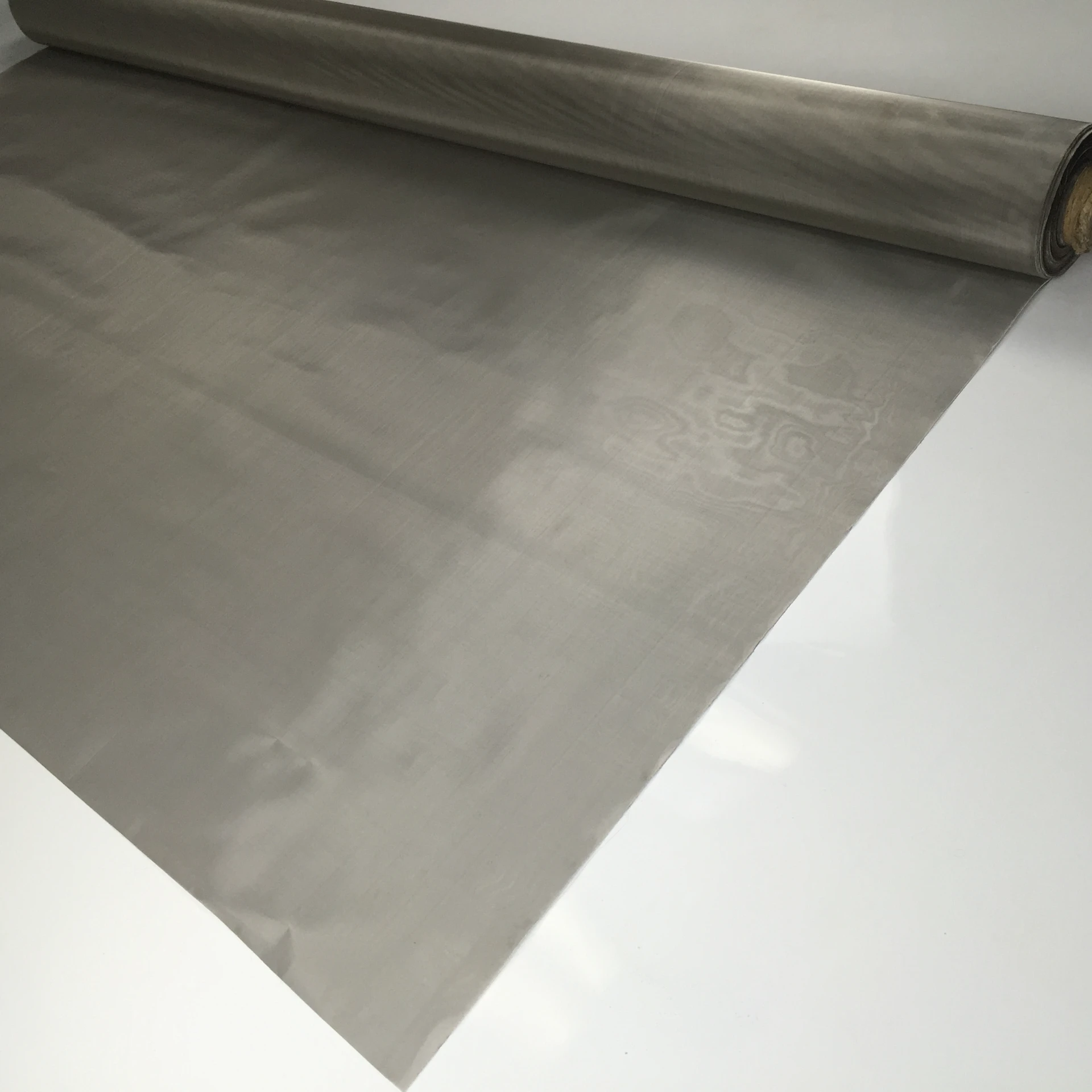
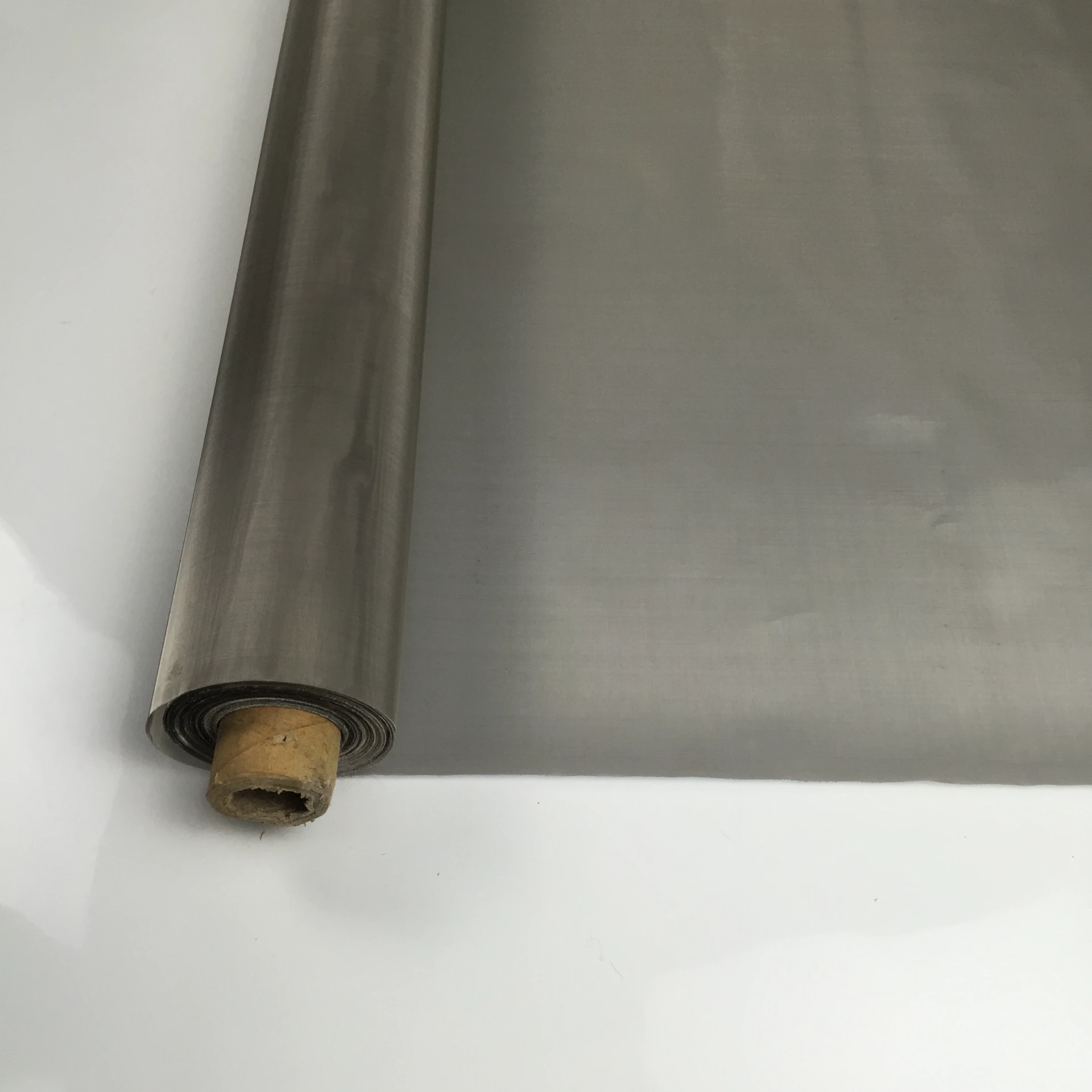
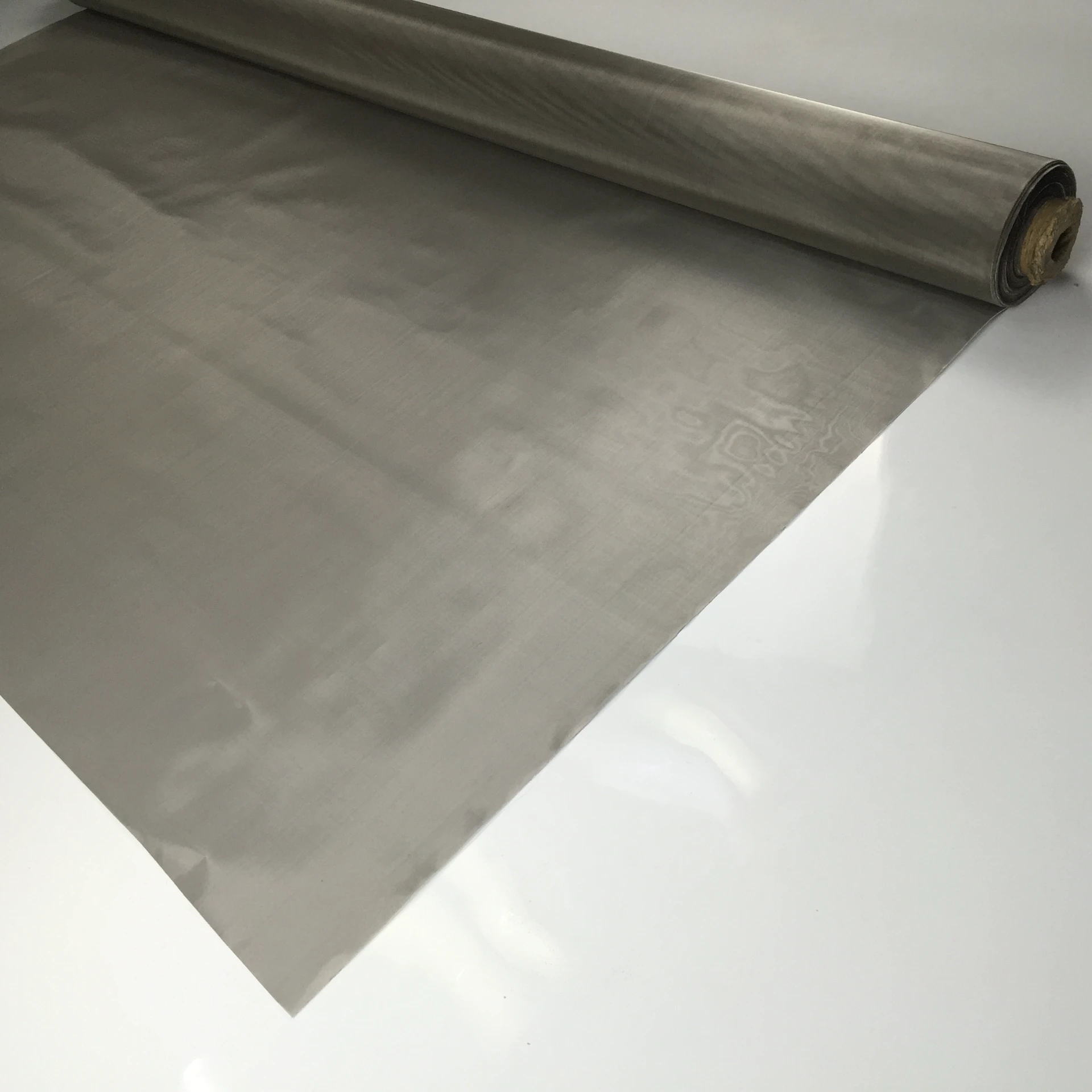
20 mesh stainless steel screen is a versatile material used across a wide range of industries, from filtration and security to agricultural applications. Its precise weave and durable construction make it a preferred choice for applications demanding strength, longevity, and corrosion resistance. This article explores the properties, applications, and key considerations when selecting a 20 mesh stainless steel screen, providing valuable insights for both new and experienced users. Discover how this robust material can meet your specific needs. You can find high-quality stainless steel mesh solutions at Stainless Metal Mesh.
What Does '20 Mesh' Actually Mean?
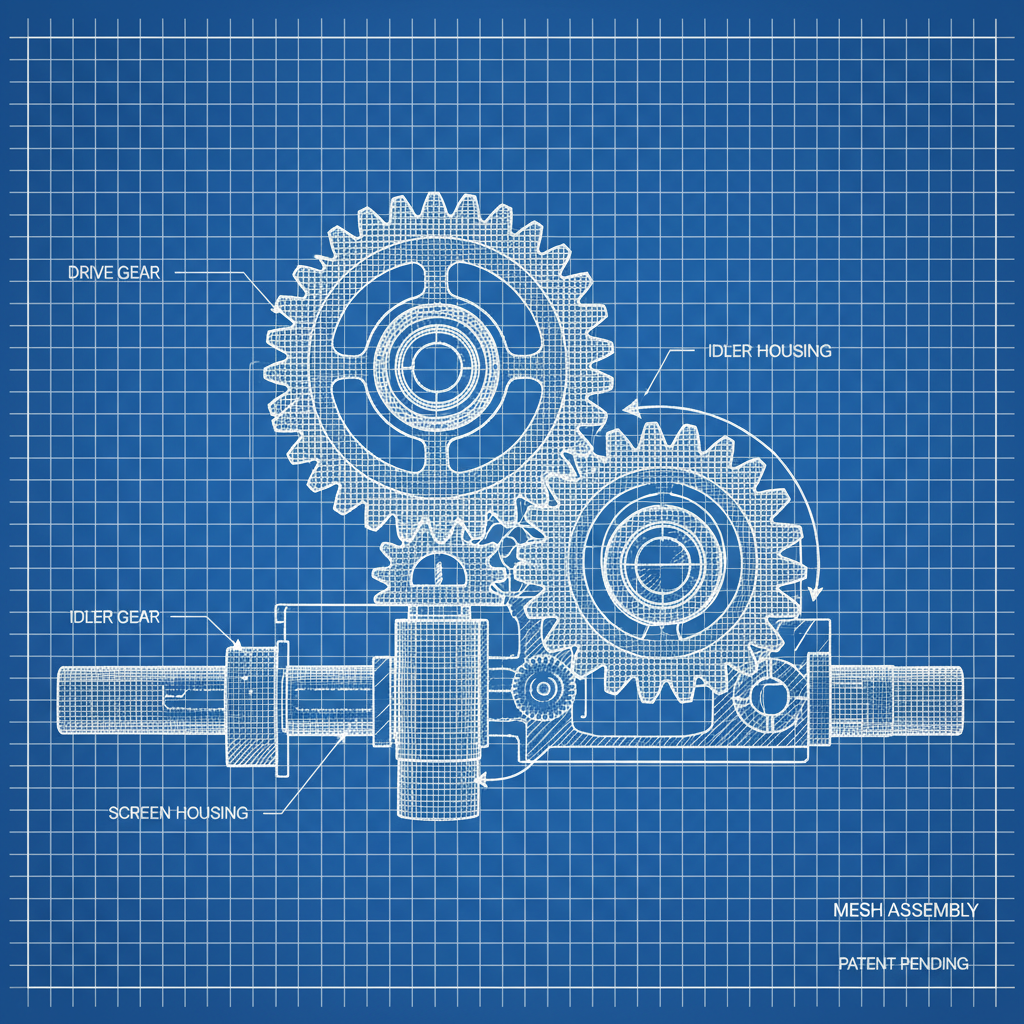
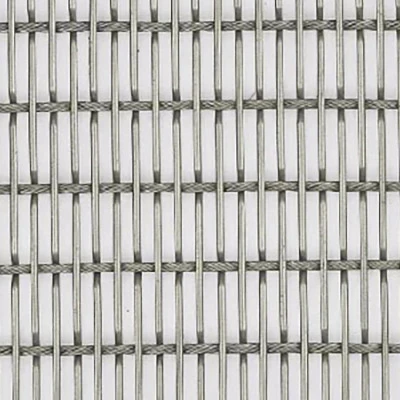
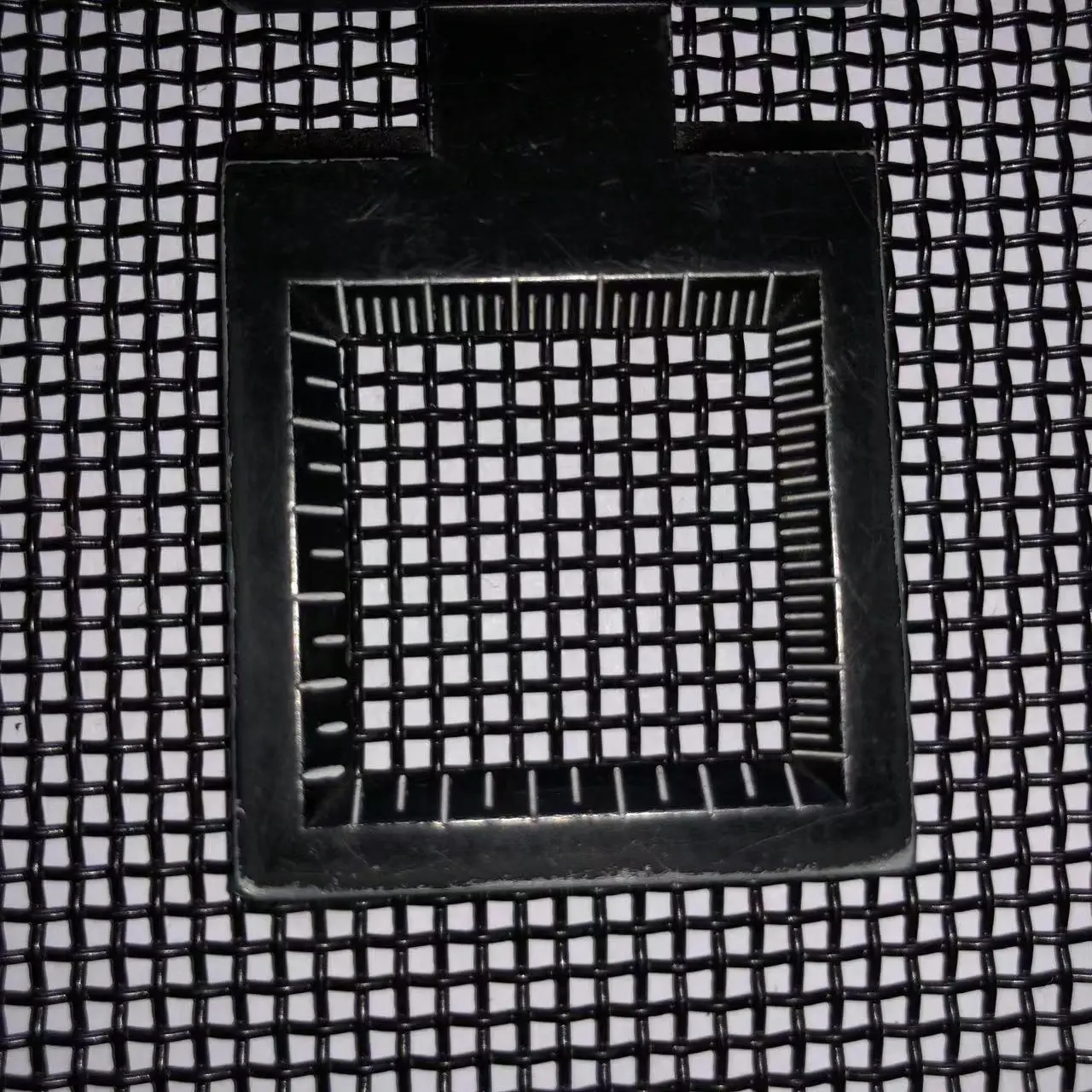
The term “mesh” refers to the number of openings per linear inch of wire cloth. Therefore, a 20 mesh stainless steel screen has 20 openings per inch. This determines the size of the openings, with a lower mesh number indicating larger openings, and vice-versa. The opening size is crucial in determining the screen's suitability for specific filtration or separation tasks. Understanding mesh counts is fundamental when choosing the right screen for your application. The precise dimensions of a 20 mesh screen are essential for ensuring proper functionality in your project. We at Stainless Metal Mesh provide detailed specifications for all our mesh products.
Key Takeaway: A lower mesh number means larger openings. 20 mesh provides a balance between filtration capacity and flow rate.
Common Applications of 20 Mesh Stainless Steel Screen
Due to its durability and versatility, a 20 mesh stainless steel screen finds applications in numerous sectors. Some of the most common uses include: filtration of larger particles in industrial processes, screening aggregates in construction, safeguarding windows and vents with a security screen, and acting as support structures in agricultural settings. The corrosion-resistant properties of stainless steel also make it suitable for outdoor or chemically exposed environments. The screen’s ability to withstand high temperatures is also a significant advantage in specific industrial applications. It’s a cost-effective solution for diverse screening and protection needs.
Key Application Areas:
• Industrial Filtration
• Security Screens
• Aggregate Screening
• Agricultural Support
20 Mesh vs. Other Common Mesh Sizes: A Comparison
Choosing the correct mesh size depends heavily on the application. Here's a comparison of 20 mesh with other common sizes. Understanding these differences helps in selecting the optimal screen for your needs. A finer mesh (higher number) offers more precise filtration but can restrict flow rate. A coarser mesh (lower number) allows for higher flow but offers less filtration. At Stainless Metal Mesh, we offer a wide range of mesh sizes to meet your specific requirements.
Factors to Consider When Choosing 20 Mesh Stainless Steel Screen
Beyond the mesh count, several factors influence the best choice for your application. These include the type of stainless steel (304, 316, etc.), the wire diameter, and the weave pattern. 304 stainless steel offers good corrosion resistance for general applications, while 316 provides enhanced resistance to chlorides and harsh chemicals. The wire diameter affects the screen's strength and durability. Common weave patterns include plain weave, twill weave, and Dutch weave, each offering different properties regarding permeability and strength. Consulting with a specialist like Stainless Metal Mesh can help you navigate these choices.
Product Specifications: 20 Mesh Stainless Steel Screen
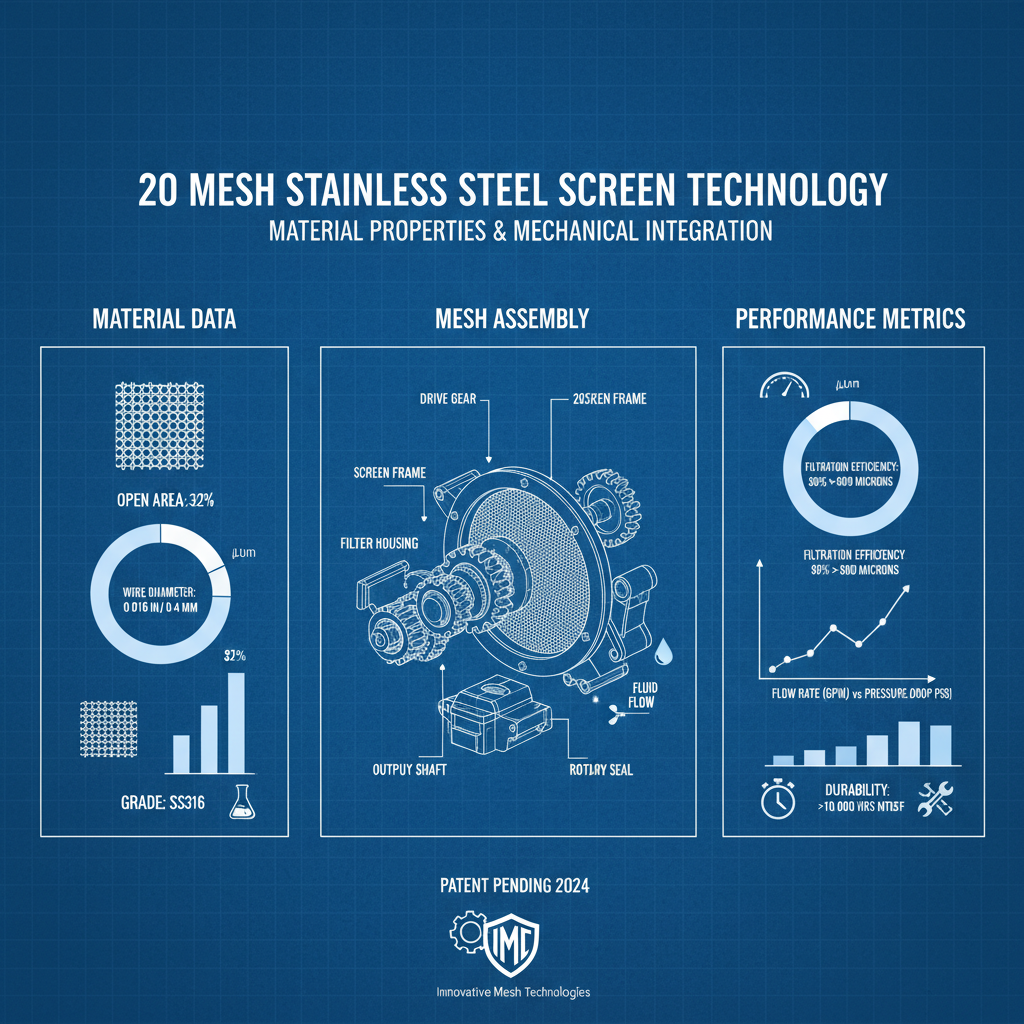
Understanding the typical specifications of a 20 mesh stainless steel screen is key to making an informed purchase. Here are some common characteristics:
Conclusion: Choosing the Right 20 Mesh Stainless Steel Screen
Selecting the appropriate 20 mesh stainless steel screen involves considering several factors, including application, material, and wire diameter. By understanding these elements, you can ensure optimal performance and longevity. Stainless Metal Mesh provides high-quality screens tailored to your specific needs, alongside expert advice. Invest in a reliable solution for your screening challenges.
Frequently Asked Questions (FAQs)
What are the advantages of using stainless steel mesh over other materials?
Stainless steel offers superior corrosion resistance, durability, and strength compared to materials like carbon steel or aluminum. It can withstand harsh environments and extreme temperatures without degrading. While the initial cost may be higher, the long-term benefits of reduced maintenance and extended lifespan often make stainless steel a more cost-effective choice. Its hygienic properties also make it ideal for food and pharmaceutical applications. The consistent quality of stainless steel mesh ensures reliable performance over time.
Can 20 mesh stainless steel screen be cut to custom sizes?
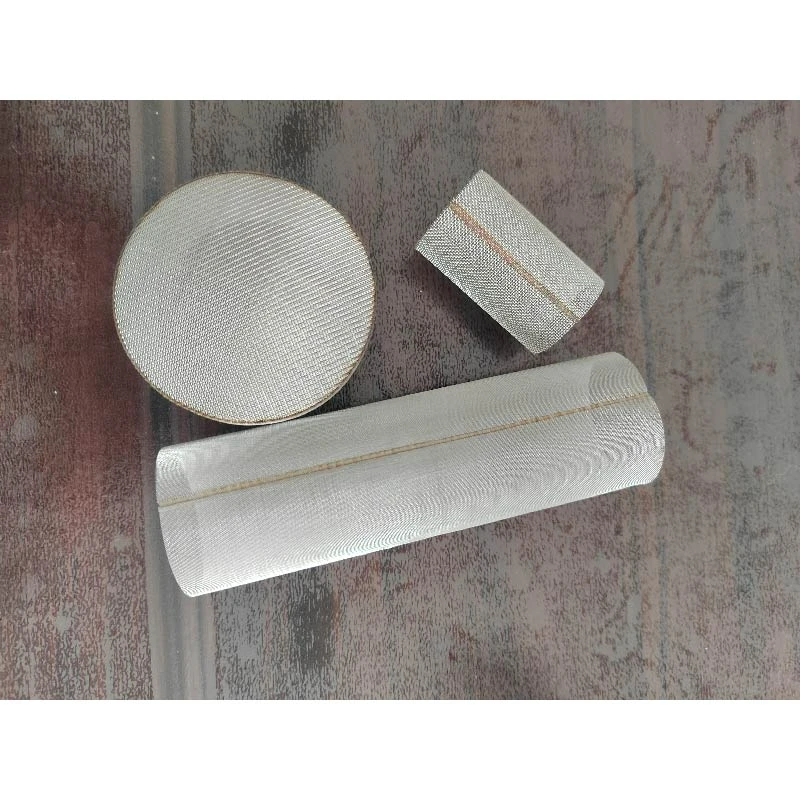
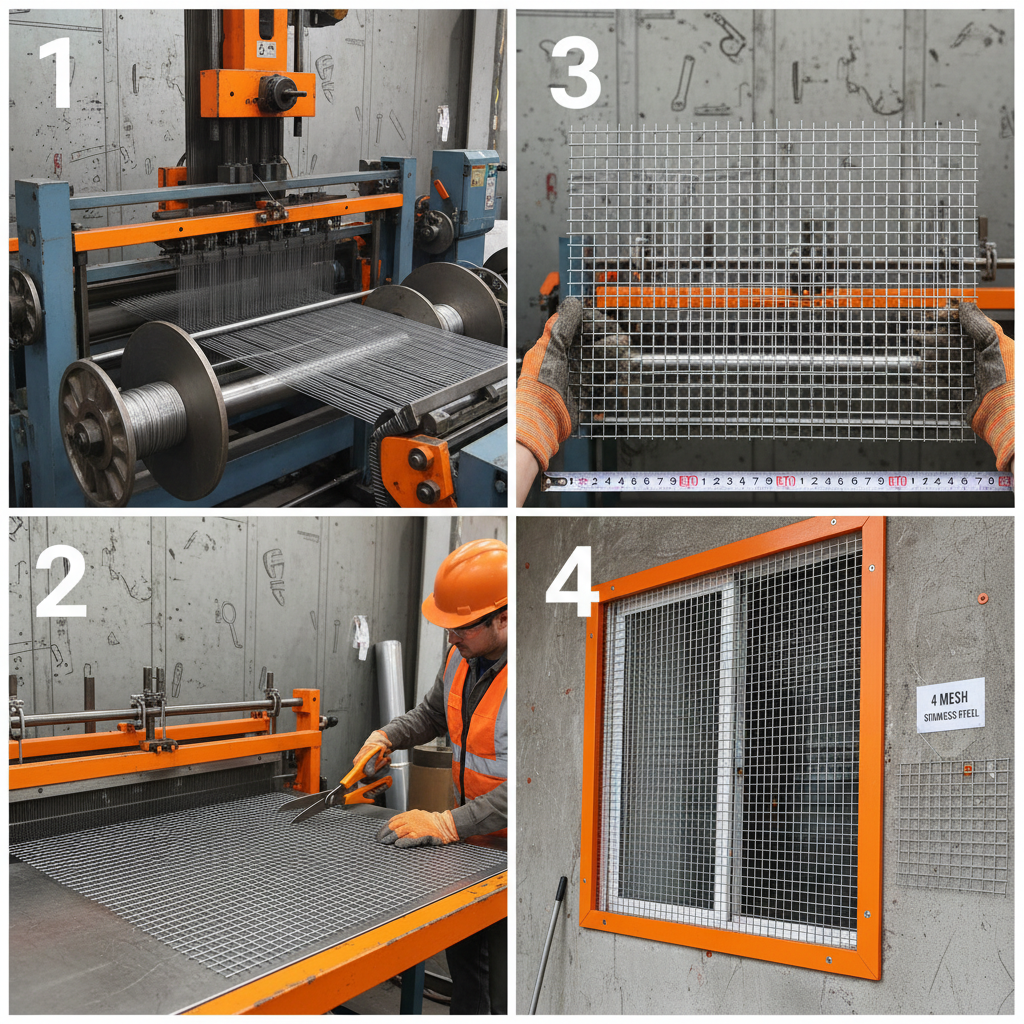
Yes, 20 mesh stainless steel screen can be readily cut to custom sizes using various methods, including shears, laser cutters, or abrasive cutting wheels. However, it's important to use appropriate techniques and tools to avoid damaging the mesh. We at Stainless Metal Mesh offer custom cutting services to ensure precise dimensions and clean edges.
What is the difference between 304 and 316 stainless steel mesh?
Both 304 and 316 stainless steels offer excellent corrosion resistance, but 316 contains molybdenum, which significantly enhances its resistance to chloride corrosion, such as that found in saltwater environments. Therefore, 316 stainless steel is preferred for marine applications, chemical processing, and other environments where exposure to chlorides is a concern. 304 is generally more cost-effective and suitable for less corrosive environments.
How do I clean and maintain a 20 mesh stainless steel screen?
Regular cleaning is crucial for maintaining the performance of a stainless steel screen. Use a mild detergent and warm water to remove dirt and debris. Avoid abrasive cleaners that can scratch the surface. For stubborn residues, a specialized stainless steel cleaner can be used. Rinse thoroughly with clean water and allow the screen to dry completely. Periodic inspection for damage and timely repairs can extend its lifespan.
-
-
-
-
-
-
-
-
-
-
-
-
-
-
-
-