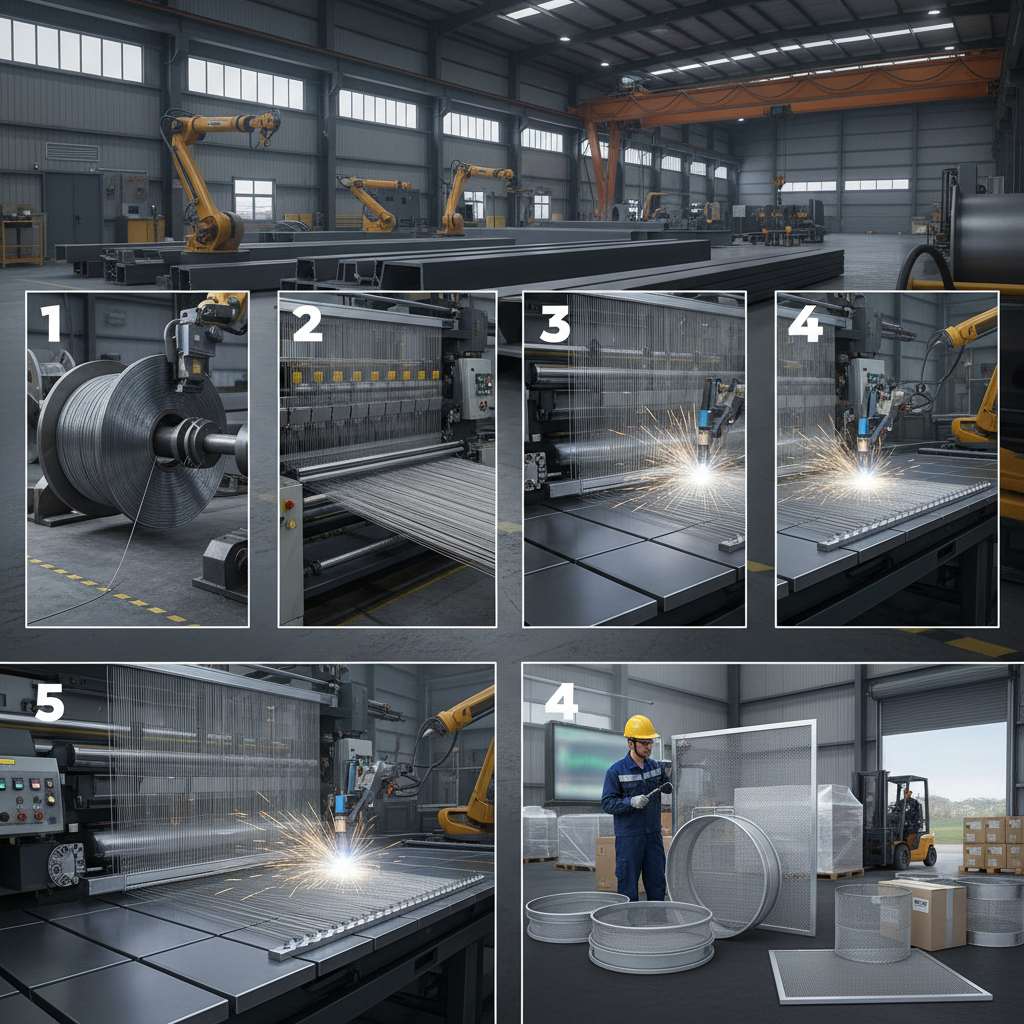
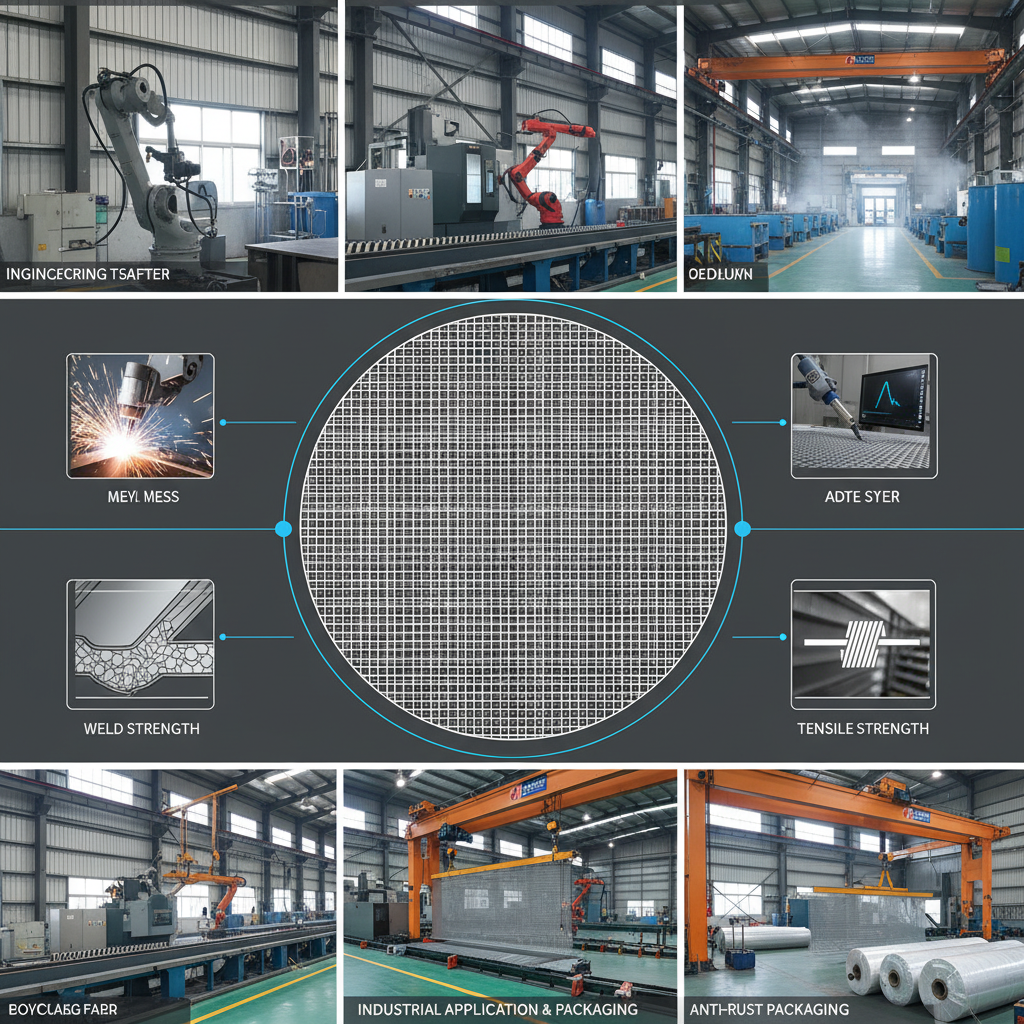
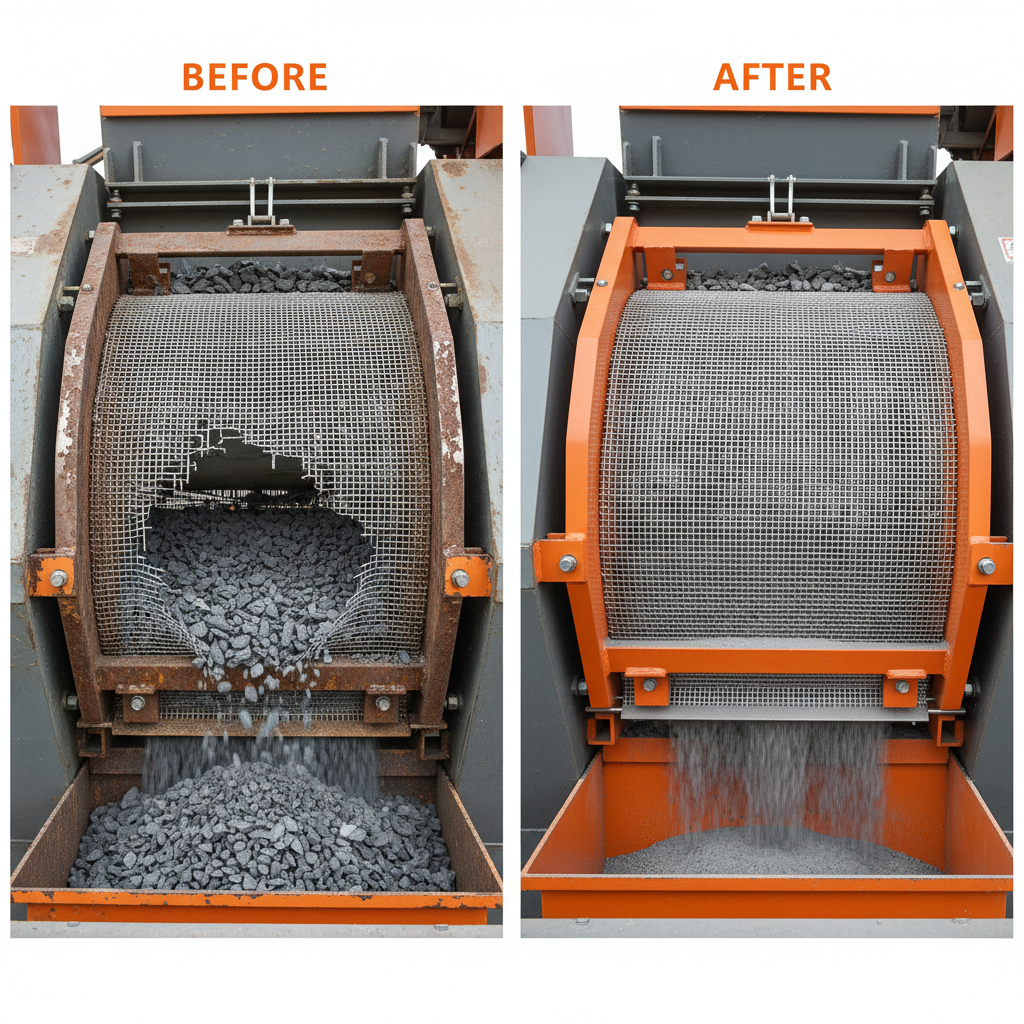
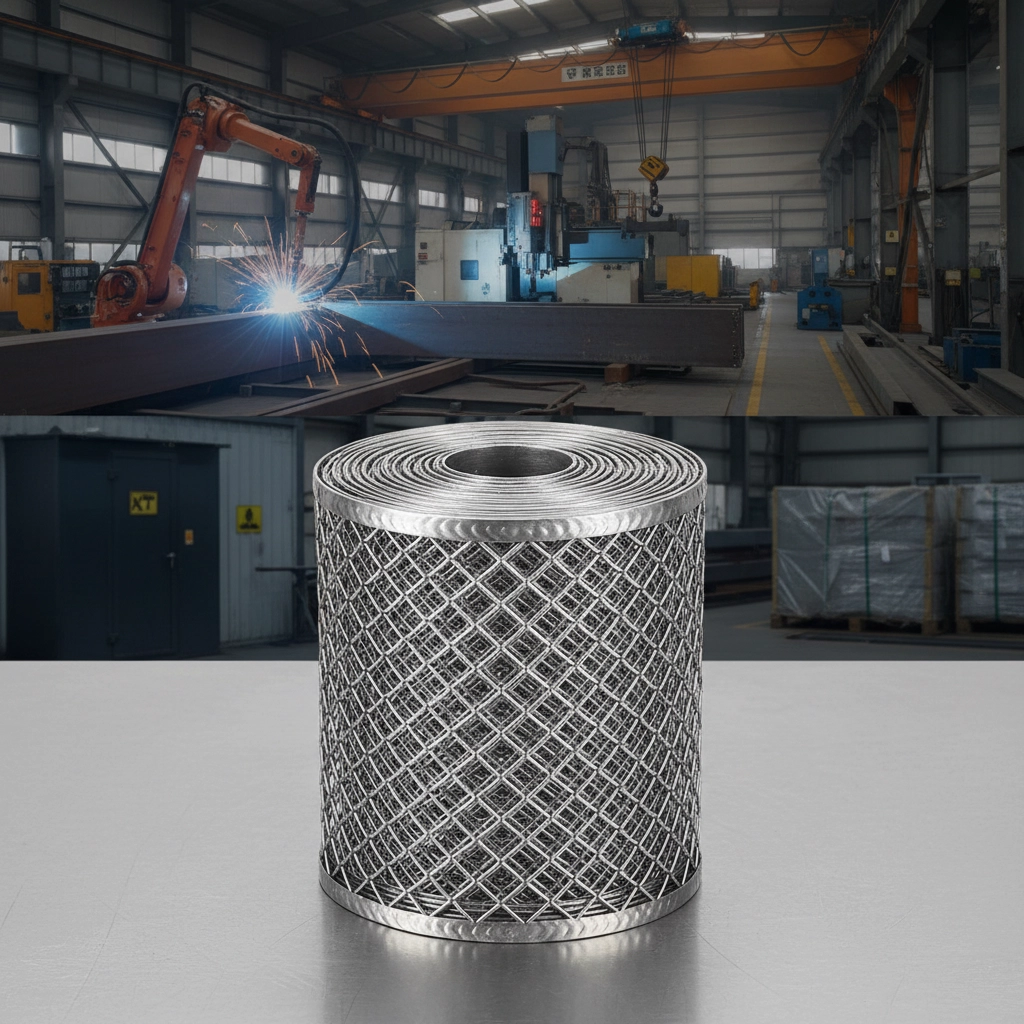
In the demanding landscape of modern industrial filtration, the selection of high-precision materials is not merely a technical choice but a strategic necessity. The stainless steel sieve mesh stands as a cornerstone of separation technology, providing the critical balance between structural integrity and precise porosity. Whether utilized in pharmaceutical refining or heavy-duty mining, these mesh solutions ensure that purity standards are met with unwavering consistency.
Global industrial standards, including those set by ISO, have increasingly emphasized the role of corrosion-resistant materials in reducing operational downtime and preventing product contamination. The versatility of various stainless steel grades allows this sieve mesh to operate in extreme environments, from cryogenic processing to high-temperature chemical synthesis, making it an indispensable asset for global supply chain reliability.
Understanding the nuances of wire diameter, aperture size, and weave patterns is essential for any engineer or procurement specialist looking to optimize their production line. By leveraging the unique properties of stainless steel sieve mesh, companies can significantly enhance their filtration efficiency, reduce waste, and ensure long-term sustainability in their manufacturing processes.
Global Industrial Relevance of Stainless Steel Sieve Mesh
The global reliance on stainless steel sieve mesh is driven by the relentless pursuit of precision in material separation. Across the continents, from the massive mining operations in Australia to the precision laboratories in Germany, the ability to isolate particles with micron-level accuracy is what separates efficient production from costly failure. As industries transition toward "Industry 4.0," the demand for meshes that can withstand higher pressures and more corrosive agents has surged.
Moreover, the alignment with international safety and quality certifications has made stainless steel the gold standard. Unlike synthetic alternatives, this metallic mesh offers a level of thermal stability and mechanical strength that is non-negotiable in hazardous environments. This global shift toward high-durability materials reflects a broader industrial movement toward reducing the frequency of replacement parts, thereby lowering the total cost of ownership.
Defining the Architecture of Sieve Mesh Technology
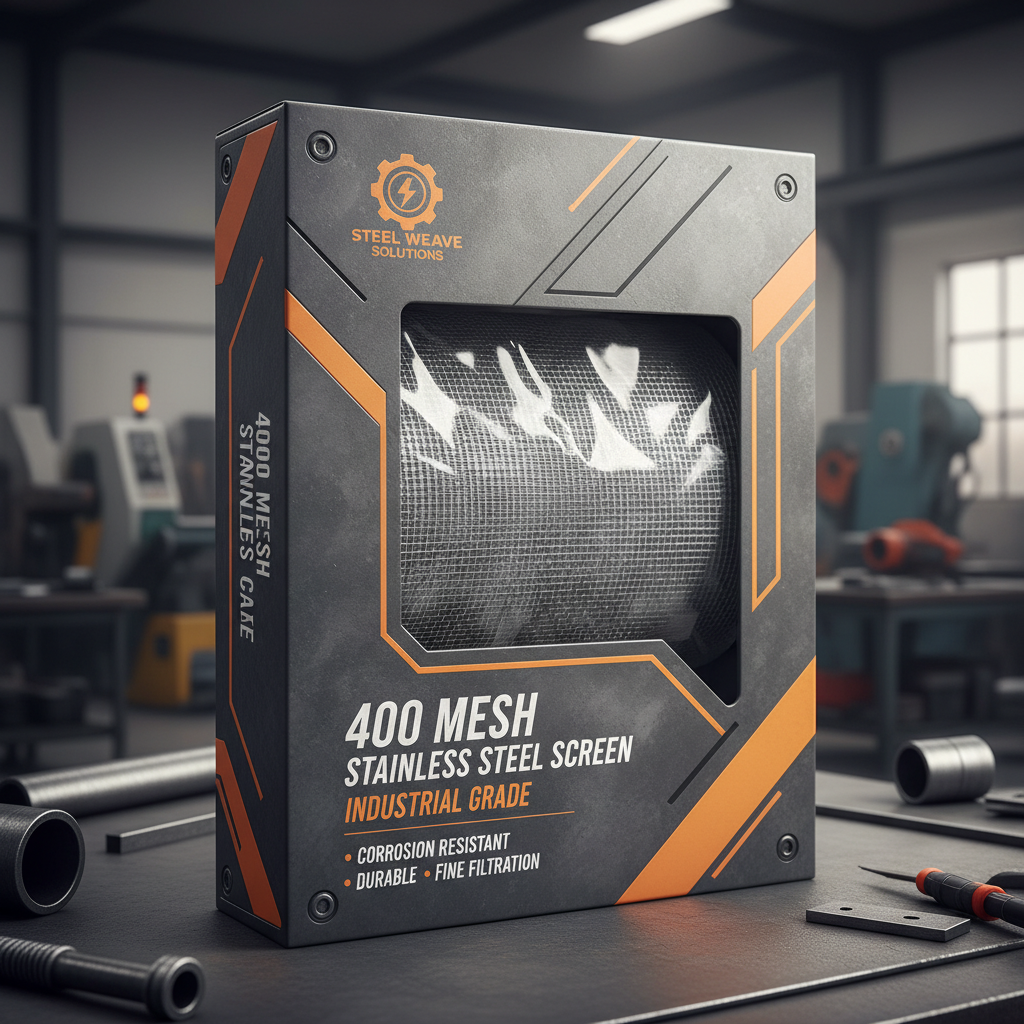
At its most fundamental level, stainless steel sieve mesh is a precision-engineered web of interwoven stainless steel wires, designed to allow fluids or small particles to pass through while retaining larger solids. This simple concept belies a complex engineering process where the gauge of the wire and the tightness of the weave are calculated to meet specific "mesh count" requirements, ensuring absolute consistency across the entire surface area.
In the context of modern humanitarian and industrial needs, this technology transcends simple filtering. It is used in water purification systems for remote regions, ensuring that harmful particulates are removed from drinking water, and in the food industry to prevent foreign object contamination. The intersection of material science and mechanical weaving allows for the creation of "blinded" or "anti-clogging" patterns, which are vital for high-throughput industrial lines.
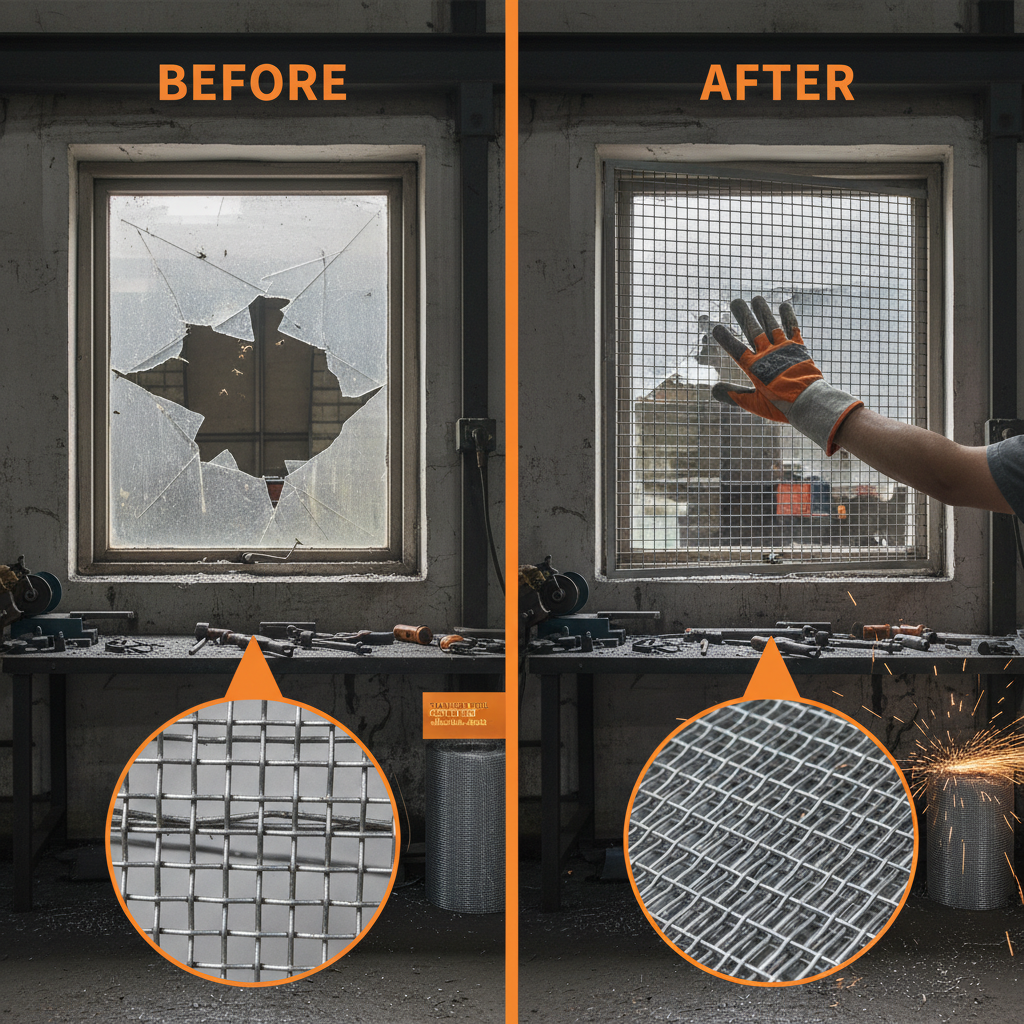
The connection to broader industrial fabrication is evident when considering its role as a precursor to more complex components. Whether integrated into a conveyor belt system or used as a security window screen for high-risk facilities, the core principles of tensile strength and aperture precision remain the same. This makes the sieve mesh a versatile building block in the architecture of modern industrial safety and efficiency.
Core Components for High-Performance Filtration
The durability of stainless steel sieve mesh is primarily dictated by the alloy composition. Grade 304 is widely used for general purpose applications, but for highly corrosive environments—such as marine or chemical processing—Grade 316 is preferred due to its molybdenum content, which significantly enhances resistance to pitting and chloride-induced corrosion.
Scalability and precision are achieved through the mastery of weave patterns. Plain weave offers the most stable aperture for standard sieving, while Twill weave allows for higher open areas and easier cleaning, making it ideal for materials that tend to clog. The ability to customize these patterns ensures that the mesh can be scaled from small laboratory filters to massive industrial separators.
Cost efficiency in the long run is realized through the high fatigue resistance of the material. While the initial investment in high-grade stainless steel may be higher than in carbon steel or plastic, the drastic reduction in replacement cycles and the prevention of product contamination provide a logical and emotional peace of mind for plant managers responsible for safety and quality.
Comparative Performance Analysis of Mesh Types
Selecting the right variation of stainless steel sieve mesh requires a quantitative understanding of how different weaves behave under pressure. For instance, a Dutch weave is designed specifically for ultra-fine filtration, providing a dense barrier that can filter particles in the micron range, whereas a standard welded mesh provides the structural rigidity needed for heavy-duty screening.
To better visualize the trade-offs between these types, we look at performance ratings across key metrics such as corrosion resistance, flow rate, and structural longevity. This allows engineers to match the mesh type to the specific rheology of the material being processed, whether it be a dry powder or a viscous slurry.
Performance Metrics of Stainless Steel Sieve Mesh Variations
Global Applications and Specialized Use Cases
The application of stainless steel sieve mesh is truly global, spanning a dizzying array of industries. In the pharmaceutical sector, it is used for the precise granulation of powders, ensuring that medication dosage is consistent and safe. In the oil and gas industry, these meshes act as primary filters in separators, removing sand and debris from extracted hydrocarbons to protect downstream equipment from abrasive wear.
Beyond heavy industry, specialized use cases emerge in environmental protection. In remote industrial zones, stainless steel meshes are employed in large-scale wastewater treatment plants to filter out micro-plastics and organic debris before water is released back into the ecosystem. Even in post-disaster relief operations, modular filtration units using these meshes are deployed to provide rapid, clean water access to displaced populations, proving that industrial precision can save lives.
Long-Term Value and Sustainability Benefits
When evaluating the value of stainless steel sieve mesh, one must look beyond the invoice price and consider the lifecycle cost. The inherent durability of stainless steel means significantly fewer replacements, which translates directly into less industrial waste and lower carbon footprints associated with the manufacturing and transport of replacement parts.
From a logical perspective, the reliability of these meshes reduces the risk of "batch failure"—a scenario where a torn filter allows contaminants into a production run, leading to the loss of thousands of dollars in product. This reliability fosters a culture of trust within the organization, as operators can rely on the hardware to perform consistently under peak loads.
Furthermore, the recyclability of stainless steel adds a layer of sustainability. At the end of its operational life, the mesh can be melted down and repurposed without loss of quality. This circular economy approach aligns with global green energy initiatives and corporate social responsibility goals, making it an ethical choice for the modern enterprise.
Future Trends and Digital Integration in Mesh Design
The future of stainless steel sieve mesh is being shaped by the intersection of material science and digital fabrication. We are seeing the rise of additive manufacturing and laser-cutting technologies that allow for "gradient porosity," where the mesh density changes across a single sheet to optimize flow and filtration simultaneously. This level of customization was previously impossible with traditional weaving.
Automation is also playing a key role, with smart sensors now being integrated into mesh housings to monitor pressure drops in real-time. These "intelligent filters" can alert operators exactly when a mesh is becoming clogged, moving maintenance from a reactive schedule to a predictive one. This digital transformation minimizes unplanned downtime and maximizes the lifespan of the mesh.
Additionally, there is a growing trend toward the development of nano-coated stainless steel. By applying thin-film hydrophobic or oleophobic coatings to the mesh, engineers can create filters that repel water or oil, further reducing clogging and increasing the efficiency of separation in complex chemical mixtures.
Analysis of Future Mesh Technology Trends and Implementation
| Technology Trend |
Primary Benefit |
Industry Impact |
Adoption Score (1-10) |
| Laser-Cut Precision |
Zero-tolerance apertures |
Aerospace & Medical |
9 |
| Nano-Coatings |
Anti-clogging surface |
Chemical Processing |
7 |
| Smart Sensing |
Predictive maintenance |
Smart Factories |
8 |
| Gradient Porosity |
Optimized flow rates |
Water Treatment |
6 |
| High-Entropy Alloys |
Extreme heat resistance |
Nuclear & Space |
5 |
| Circular Recycling |
Reduced carbon footprint |
All Industrial Sectors |
10 |
FAQS
The primary difference is the chemical composition. Grade 304 is the standard "18/8" stainless steel, offering excellent corrosion resistance for most environments. Grade 316 contains added molybdenum, which makes it significantly more resistant to chlorides and saltwater. For industrial applications in marine environments or high-salinity chemical processing, 316 is the professional choice to prevent pitting and premature failure.
Mesh count refers to the number of openings per linear inch. To determine the correct count, you must first identify the smallest particle size you need to retain. Once you have the target micron size, you can consult a standard mesh chart to find the corresponding mesh count. It is often recommended to choose a mesh slightly tighter than the absolute minimum to account for potential wire deformation under heavy loads.
Yes, one of the biggest advantages of stainless steel is its durability and ease of cleaning. Depending on the material being filtered, meshes can be cleaned using ultrasonic baths, high-pressure water jets, or chemical solvents. Regular cleaning prevents "blinding" (clogging) and extends the operational life of the filter significantly, making it a more sustainable choice than disposable synthetic filters.
Premature failure is typically caused by three factors: chemical corrosion, mechanical overload, or abrasive wear. If the wrong alloy is chosen for a corrosive environment, the wires will thin and snap. Mechanical overload occurs when the pressure exceeds the tensile strength of the weave. Abrasive wear happens when sharp, hard particles constantly rub against the wires. Choosing the correct wire gauge and alloy is the best way to prevent these issues.
Absolutely. Stainless steel is the industry standard for food and beverage processing because it is non-reactive and does not leach chemicals into the product. Grades 304 and 316 are widely approved by food safety authorities (such as the FDA) because they can withstand the rigorous caustic cleaning processes required to maintain hygiene in food plants without degrading.
The weave type determines the "Open Area" percentage. A plain weave has a lower open area due to the frequent crossing of wires, which results in a slower flow rate but higher precision. A twill weave has fewer crossings and larger openings, allowing for a higher flow rate and better self-cleaning properties. Selecting the weave is a balance between the required filtration precision and the necessary production throughput.
Conclusion
In summary, stainless steel sieve mesh is far more than a simple industrial component; it is a critical engineering tool that ensures quality, safety, and efficiency across a multitude of global sectors. From the meticulous selection of alloys like 304 and 316 to the strategic choice of weave patterns, the right mesh solution minimizes downtime and maximizes product purity. By integrating durability with precision, these materials provide the foundation upon which modern industrial filtration is built.
Looking forward, the integration of smart sensing and advanced digital fabrication will continue to push the boundaries of what sieve technology can achieve. As industries strive for greater sustainability and "zero-waste" production, the role of long-lasting, recyclable stainless steel will only grow. We encourage engineers and procurement specialists to prioritize high-grade materials and tailored designs to future-proof their operations. Visit our website for professional guidance and high-precision solutions: www.stainlessmetalmesh.com