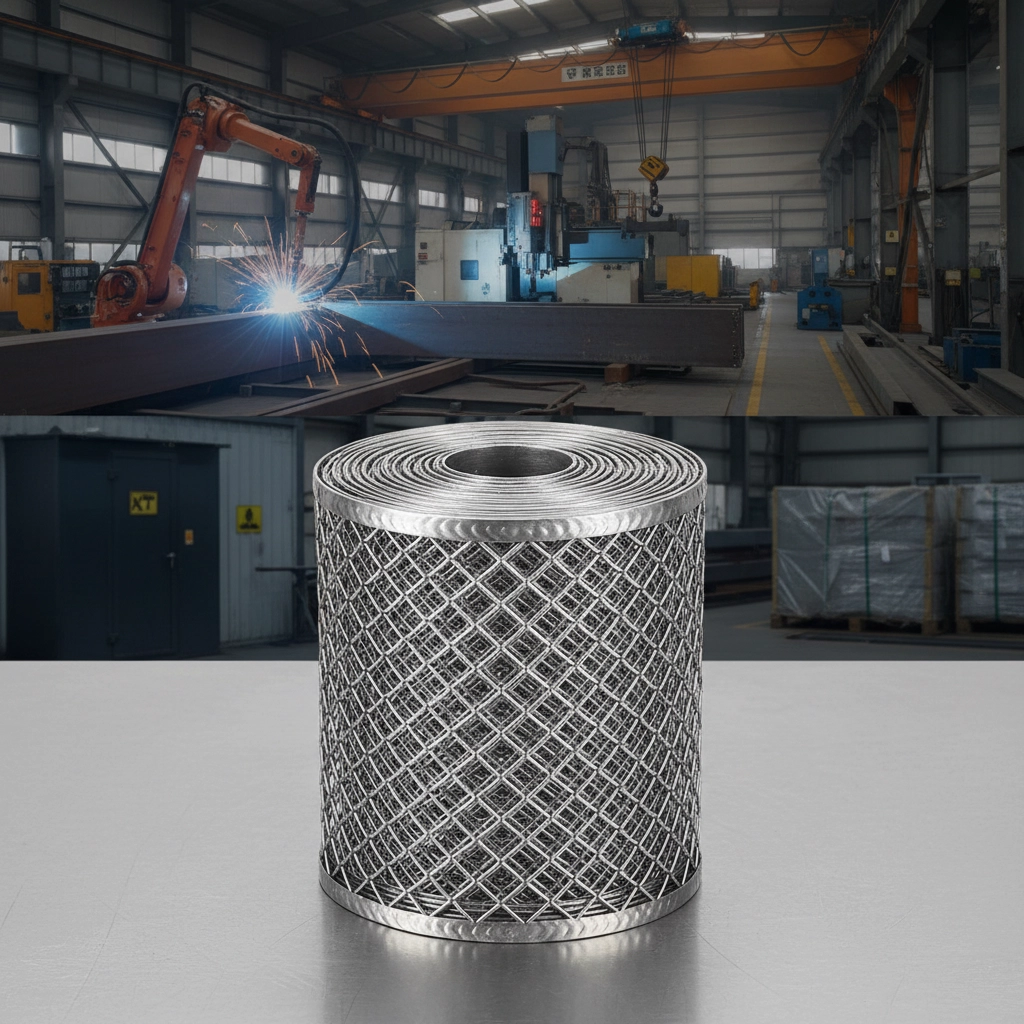
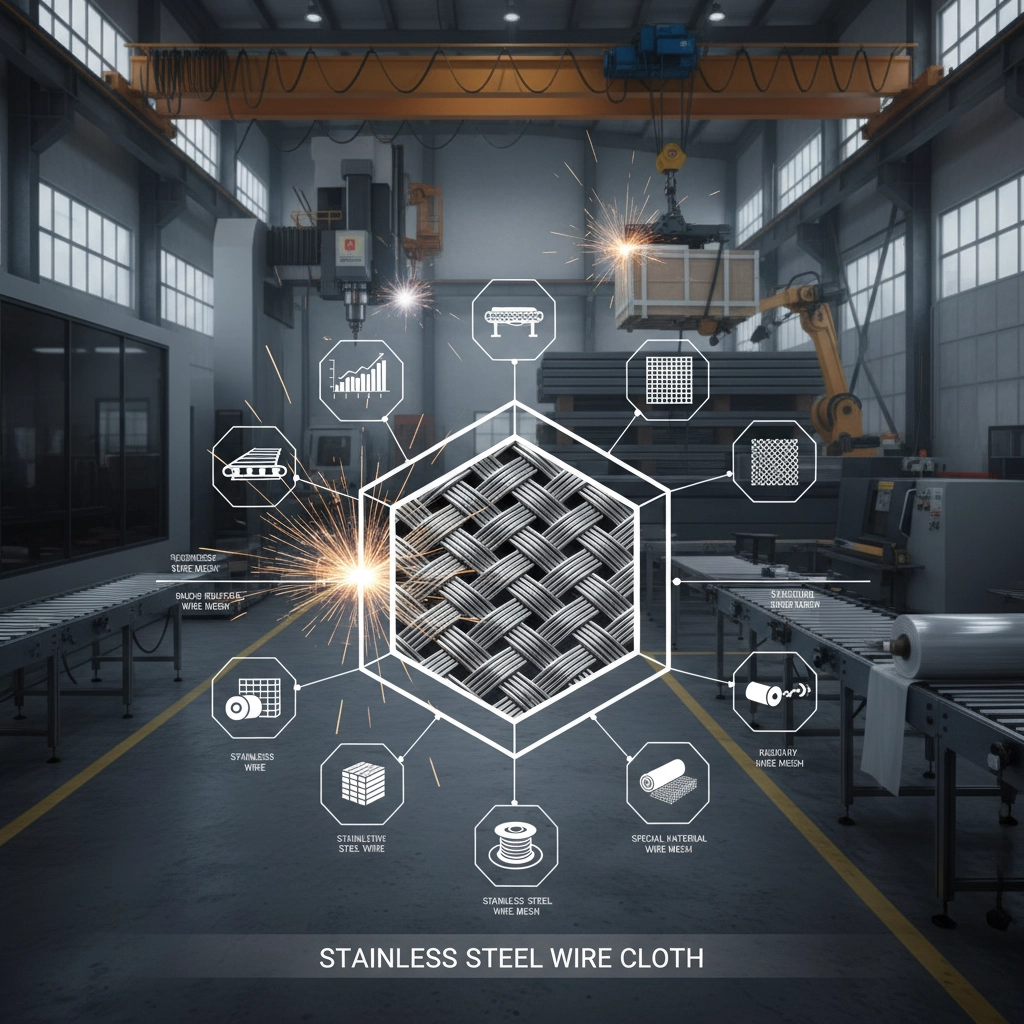
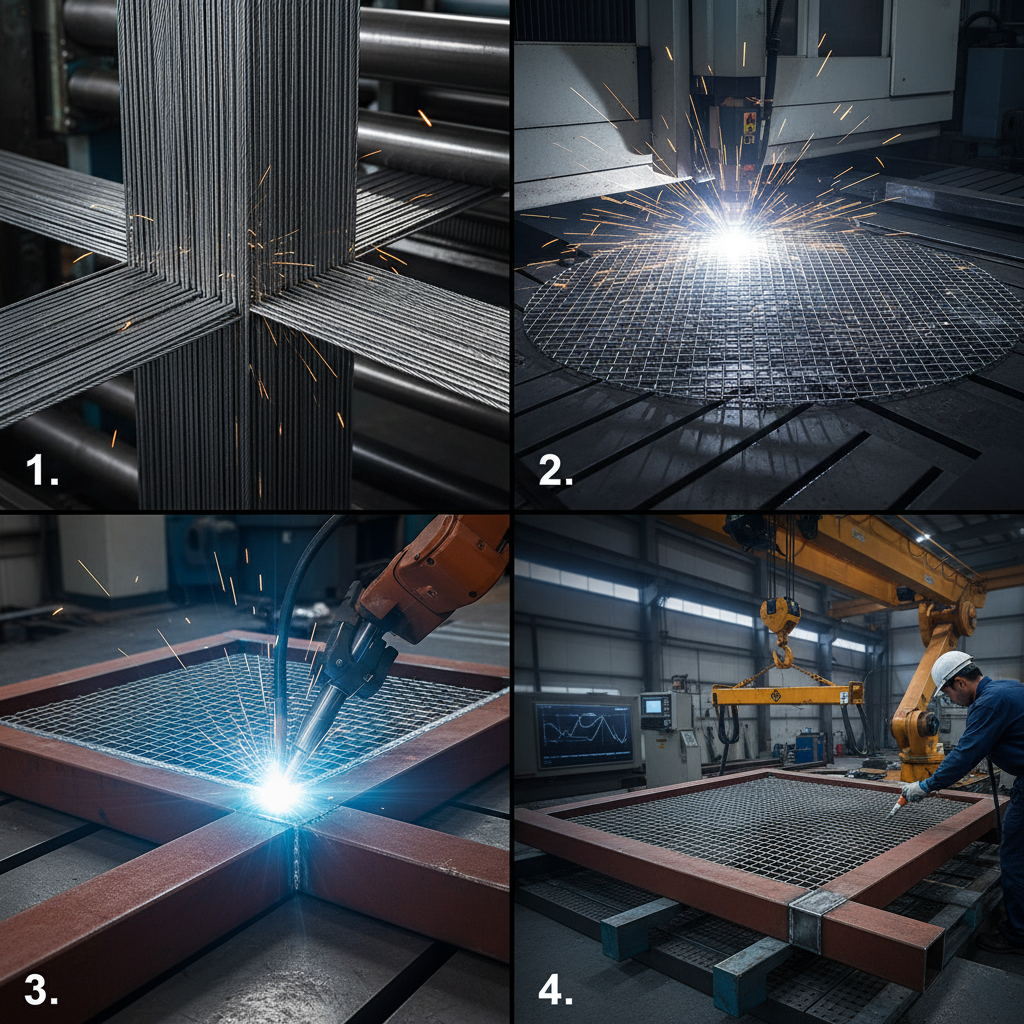
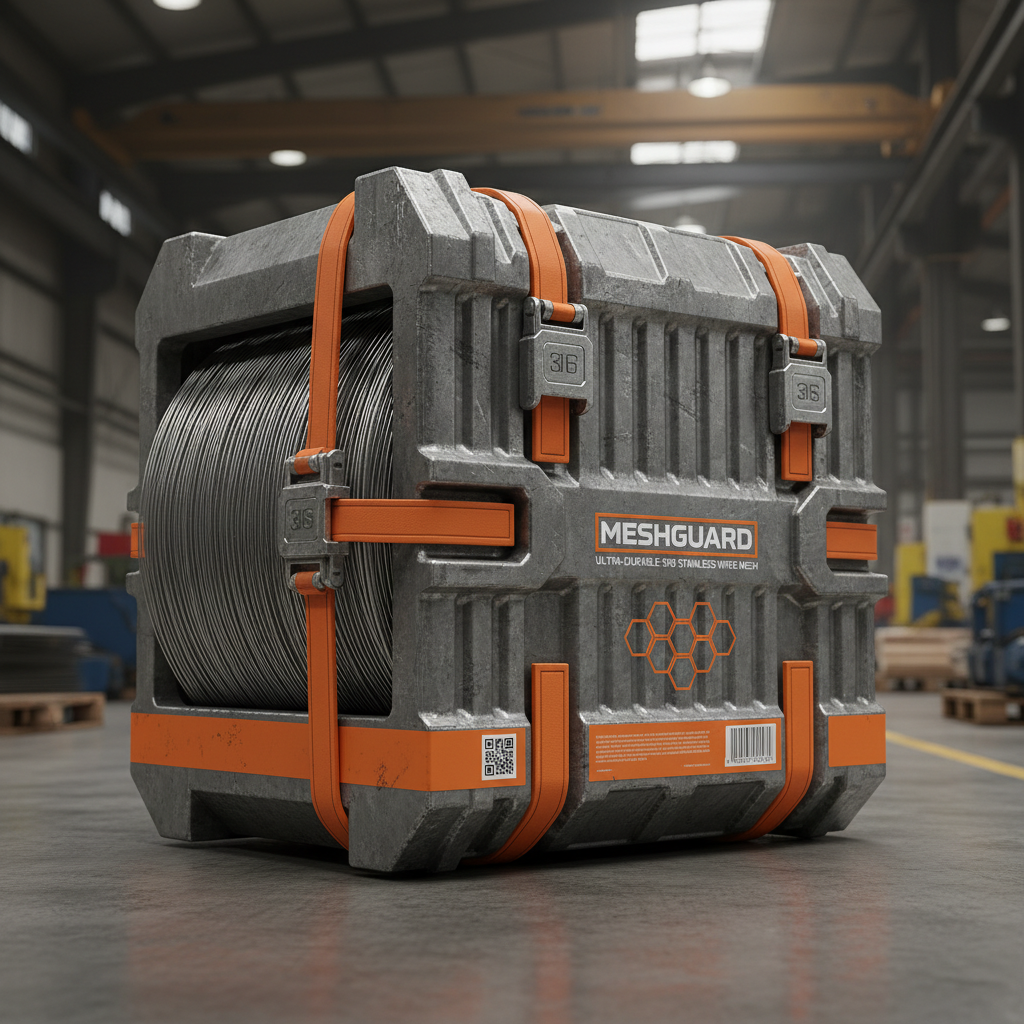
In the demanding world of industrial filtration and separation, stainless steel wire cloth stands as a cornerstone of engineering excellence. This specialized material is more than just a mesh; it is a precision-engineered tool designed to withstand the most aggressive environments, from chemical processing plants to high-temperature furnaces, ensuring operational stability and product purity.
The global shift toward higher efficiency and stricter hygiene standards has propelled the demand for high-grade stainless steel wire cloth. Whether it is used in pharmaceutical grade filters or heavy-duty conveyor belts, the ability of this material to resist corrosion while maintaining structural integrity makes it indispensable for modern manufacturing.
Understanding the nuances of wire diameter, weave patterns, and alloy compositions is critical for any procurement manager or engineer. By selecting the right specification of stainless steel wire cloth, industries can significantly reduce downtime, lower maintenance costs, and improve the overall safety of their production lines.
Global Industry Context of Stainless Steel Wire Cloth
The global industrial landscape relies heavily on the durability of its components. In sectors like petrochemicals, food processing, and aerospace, the use of stainless steel wire cloth is not merely a preference but a necessity. According to ISO standards for metallic materials, the precision of the weave and the purity of the alloy directly impact the safety and efficiency of filtration systems worldwide.
However, the industry faces a persistent challenge: the balance between cost-effectiveness and extreme corrosion resistance. Many facilities struggle with premature wear and tear in acidic environments, leading to costly unscheduled shutdowns. This has driven a global search for higher-performance alloys and more stable weaving techniques to extend the lifecycle of these critical components.
Defining the Technical Essence of Stainless Steel Wire Cloth
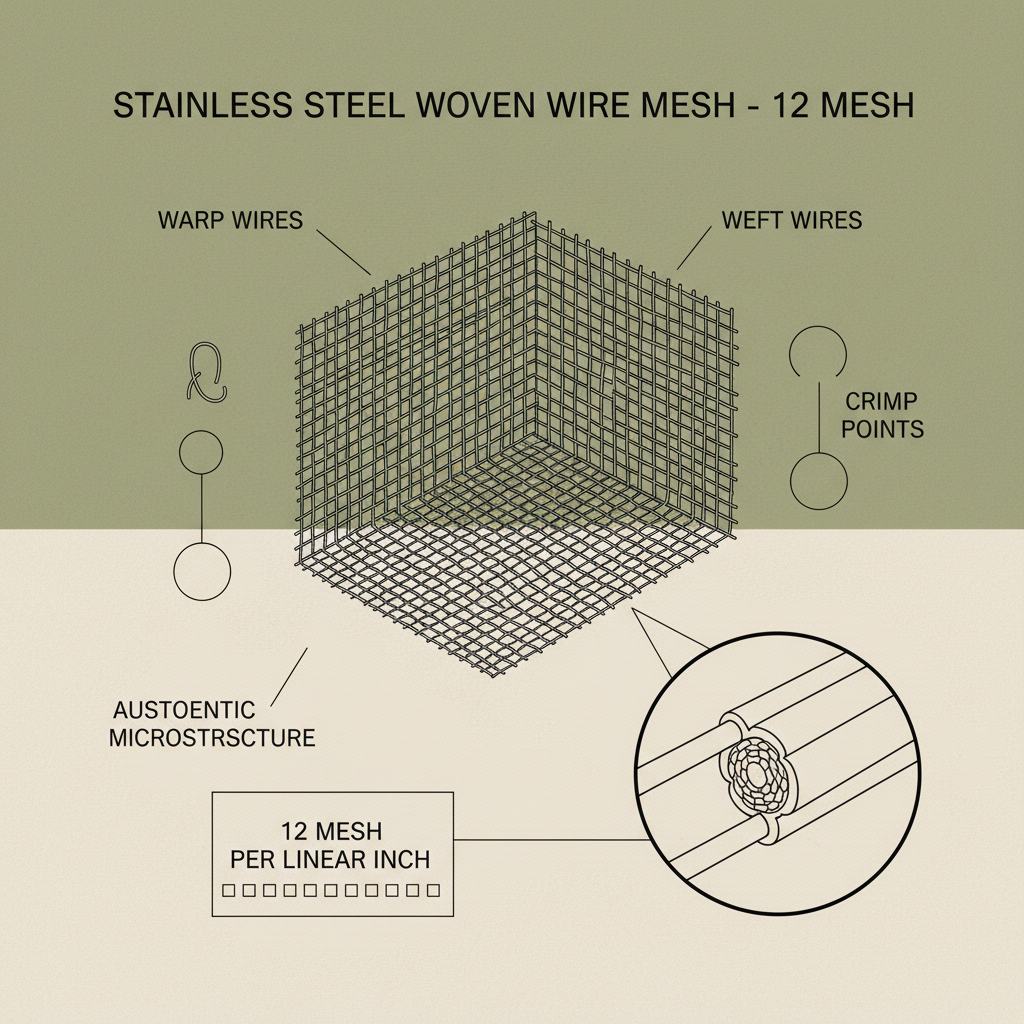
At its core, stainless steel wire cloth is a woven fabric made from stainless steel wires. Unlike simple screens, "cloth" refers to the interlacing of warp and weft wires to create a stable, flexible, and durable mesh. This structure allows for precise control over aperture size, which is fundamental for separation and filtration processes.
The connection to modern industry is profound. From the micro-filters used in high-tech semiconductor manufacturing to the massive conveyor belts used in mining, this material provides the necessary mechanical strength while remaining chemically inert. It bridges the gap between rigid structural metal and flexible fabric, offering a unique combination of strength and permeability.
Beyond industrial use, these meshes play a vital role in humanitarian and environmental needs, such as water purification systems in remote regions. The ability to manufacture stainless steel wire cloth with microscopic precision allows for the removal of contaminants that would otherwise be impossible to filter with traditional materials.
Core Components Influencing Performance
Durability is the primary benchmark for any stainless steel wire cloth. This is largely determined by the grade of steel used—such as 304 for general corrosion resistance or 316L for marine and pharmaceutical environments. The molecular structure of these alloys prevents oxidation and ensures that the mesh does not contaminate the materials it is filtering.
Precision and Scalability are equally critical. The weave pattern—whether plain, twill, or dutch weave—dictates the flow rate and filtration efficiency of the stainless steel wire cloth. A plain weave offers the most basic filtration, while a dutch weave provides a much denser structure, essential for high-pressure liquid filtration.
Finally, cost-efficiency is realized through the longevity of the product. While high-grade stainless steel wire cloth may have a higher initial purchase price, its resistance to fatigue and chemical attack means fewer replacements and lower operational overhead over a ten-year lifecycle.
Global Applications and Real-World Use Cases
In the real world, stainless steel wire cloth is deployed in a vast array of critical environments. In North American pharmaceutical plants, it is used to ensure that powdered medications are free of clumps and contaminants. In the heavy industries of Germany and Japan, it forms the basis of high-temperature conveyor systems that move red-hot metal parts without warping.
Beyond traditional factories, these materials are vital in remote industrial zones, such as offshore oil rigs in the North Sea. Here, the salt-heavy atmosphere would destroy ordinary steel in weeks, but specialized stainless steel wire cloth maintains its integrity, protecting sensitive pumping equipment from debris.
Performance Comparison of Stainless Steel Wire Cloth Types
Long-Term Value and Strategic Advantages
The tangible benefits of investing in premium stainless steel wire cloth extend beyond simple filtration. From a financial perspective, the reduction in replacement frequency directly impacts the bottom line. Furthermore, the sustainability aspect is significant; stainless steel is 100% recyclable, making it a far more eco-friendly choice than disposable synthetic filters.
From an emotional and safety angle, the reliability of these materials provides peace of mind to plant operators. Knowing that a stainless steel wire cloth filter will not rupture under pressure prevents catastrophic failures and protects workers from hazardous leaks. This trust in material integrity is what allows industries to push the boundaries of innovation.
Future Trends and Material Innovations
The future of stainless steel wire cloth is being shaped by the digital transformation of manufacturing. With the advent of AI-driven quality control, we are seeing the production of meshes with near-zero variance in aperture size, which is essential for the next generation of nanotechnology and precision medicine.
Moreover, the integration of "green energy" is leading to the development of new alloys that can withstand the extreme conditions of hydrogen fuel cells and carbon capture systems. These specialized stainless steel wire cloth variants are designed to be even more inert, preventing any chemical reaction with newly discovered catalysts.
Automation in the weaving process is also reducing waste and increasing the speed of customization. Companies can now order bespoke stainless steel wire cloth specifications with shorter lead times, allowing for rapid prototyping in R&D departments across the globe.
Overcoming Common Implementation Challenges
Despite its strengths, users often face challenges such as "blinding" or clogging of the stainless steel wire cloth. This occurs when particles become lodged in the weave, reducing flow. Expert solutions involve the implementation of ultrasonic cleaning systems or the use of specialized coatings that reduce surface tension and prevent particle adhesion.
Another common issue is the improper selection of the alloy grade, leading to localized pitting corrosion. To solve this, engineers are now utilizing chemical analysis of the process fluid to match the specific chromium and molybdenum content of the stainless steel wire cloth to the environment.
Finally, the challenge of installation tension can lead to premature sagging. By adopting advanced framing techniques and utilizing precision tensioning tools, the structural life of the mesh is maximized, ensuring that the stainless steel wire cloth performs at peak efficiency throughout its intended lifespan.
Comparative Analysis of Stainless Steel Wire Cloth Specifications
| Material Grade |
Weave Type |
Corrosion Resistance |
Typical Lifespan (Years) |
| SS 304 |
Plain Weave |
Moderate |
3-5 |
| SS 316 |
Twill Weave |
High |
7-10 |
| SS 316L |
Dutch Weave |
Very High |
10-15 |
| Duplex 2205 |
Plain Weave |
Extreme |
15-20 |
| SS 310S |
Crimped Mesh |
High (Heat) |
5-8 |
| Hastelloy |
Special Weave |
Maximum |
20+ |
FAQS
The primary difference lies in the manufacturing process. Wire cloth is woven on a loom, similar to fabric, creating a flexible and consistent structure. Standard wire mesh is often welded or knitted. For high-precision filtration and separation, stainless steel wire cloth is preferred because it allows for much finer control over the pore size and higher mechanical stability.
Selection depends on the environment. SS 304 is suitable for basic atmospheric corrosion. SS 316 is essential for chloride-rich environments (like saltwater). SS 316L is required for welding applications to prevent sensitization. For extreme acids or high temperatures, specialized alloys like Hastelloy or SS 310S should be considered to ensure the longevity of the cloth.
Yes, one of the biggest advantages of stainless steel wire cloth is its reusability. Depending on the contaminant, it can be cleaned via back-flushing, chemical soaking, or ultrasonic cleaning. This makes it significantly more cost-effective and sustainable than disposable paper or plastic filters over the long term.
It depends on your goal. A Plain Weave is best for basic separation. A Twill Weave allows for a thicker wire with a smaller opening, providing better durability. For the highest filtration efficiency (liquid filtration), the Dutch Weave is superior because its dense structure creates a tortuous path that traps smaller particles more effectively.
Absolutely. When manufactured from food-grade alloys like SS 304 or 316L, stainless steel wire cloth is non-reactive, non-toxic, and resistant to the harsh cleaning chemicals used in these industries. It meets FDA and ISO standards for hygiene and prevents product contamination.
Wire diameter directly influences the "Open Area" percentage. Thicker wires increase the strength and durability of the mesh but reduce the open area, which can lower the flow rate. Conversely, thinner wires allow for finer filtration and higher flow but are more susceptible to mechanical wear. Balancing these two is key to optimal performance.
Conclusion
Throughout this exploration, it is evident that stainless steel wire cloth is far more than a simple industrial accessory. Its combination of alloy science, weaving precision, and mechanical durability allows it to solve complex challenges across the most demanding sectors of global industry. By focusing on the correct material grade and weave pattern, businesses can achieve a synergy of high performance, sustainability, and long-term cost reduction.
Looking forward, as we move toward a more automated and eco-conscious industrial era, the role of advanced metallurgy in wire cloth will only grow. We suggest that engineers and procurement specialists regularly audit their filtration systems to ensure they are utilizing the most modern alloy specifications available. To explore a comprehensive range of high-quality mesh solutions and custom specifications, visit our website: www.stainlessmetalmesh.com.