In the demanding landscape of modern industrial filtration, the stainless steel sifting screen stands as a cornerstone of precision engineering. These specialized components are essential for separating particles by size, ensuring purity in pharmaceutical compounds, and maintaining quality control in chemical processing. By leveraging the inherent strength and corrosion resistance of stainless steel, these screens allow industries to operate at higher pressures and temperatures than conventional materials would permit.
Globally, the demand for high-performance sifting solutions has surged as regulatory bodies like the ISO and FDA tighten standards on contaminant control. Whether it is in the food and beverage sector where hygiene is paramount, or in mining operations where abrasion resistance is critical, the choice of sifting media directly impacts the operational efficiency and bottom line of a facility. A failure in a single screen can lead to costly downtime or, worse, contaminated batches that compromise consumer safety.
Understanding the nuances of mesh counts, wire diameters, and alloy grades is not merely a technical exercise but a strategic necessity. By optimizing the specifications of a stainless steel sifting screen, engineers can significantly reduce material waste and energy consumption. This guide explores the critical factors, global applications, and future innovations that define the current state of industrial sifting technology.
The Industrial Significance of Stainless Steel Sifting Screens
The adoption of a stainless steel sifting screen is often the difference between a mediocre production line and a world-class operation. In heavy industries, the ability to accurately size particles while resisting the corrosive effects of acidic or alkaline reagents is vital. Stainless steel, particularly the 304 and 316L grades, provides the chemical stability required to prevent metal leaching into the product, which is a non-negotiable requirement in the pharmaceutical and food industries.
Beyond simple filtration, these screens facilitate complex processes such as aeration, scalping, and fine polishing. By implementing high-precision weaving techniques, manufacturers can produce screens that maintain their structural integrity under extreme vibrational stress. This reliability reduces the frequency of replacements and ensures that the particle size distribution remains consistent throughout the entire production cycle.
Defining the Technical Mechanics of Sifting Mesh
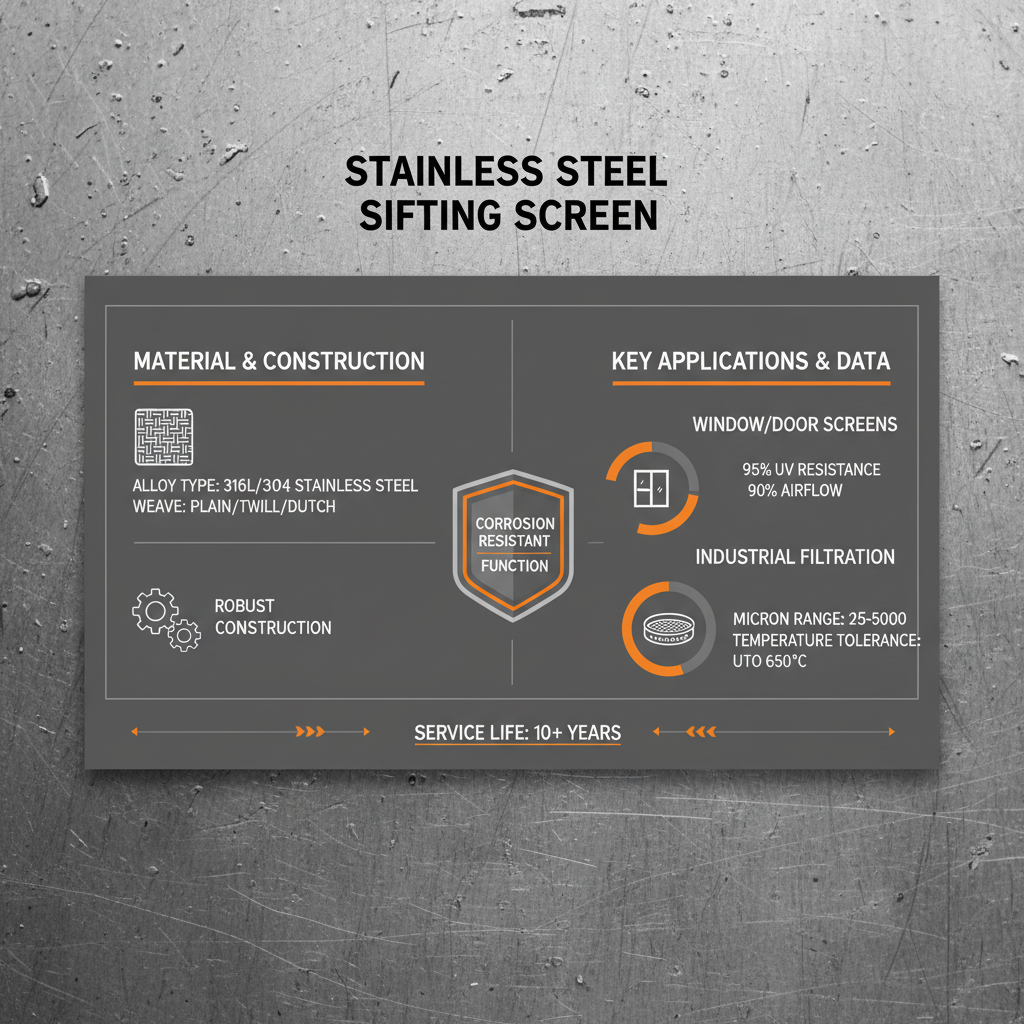
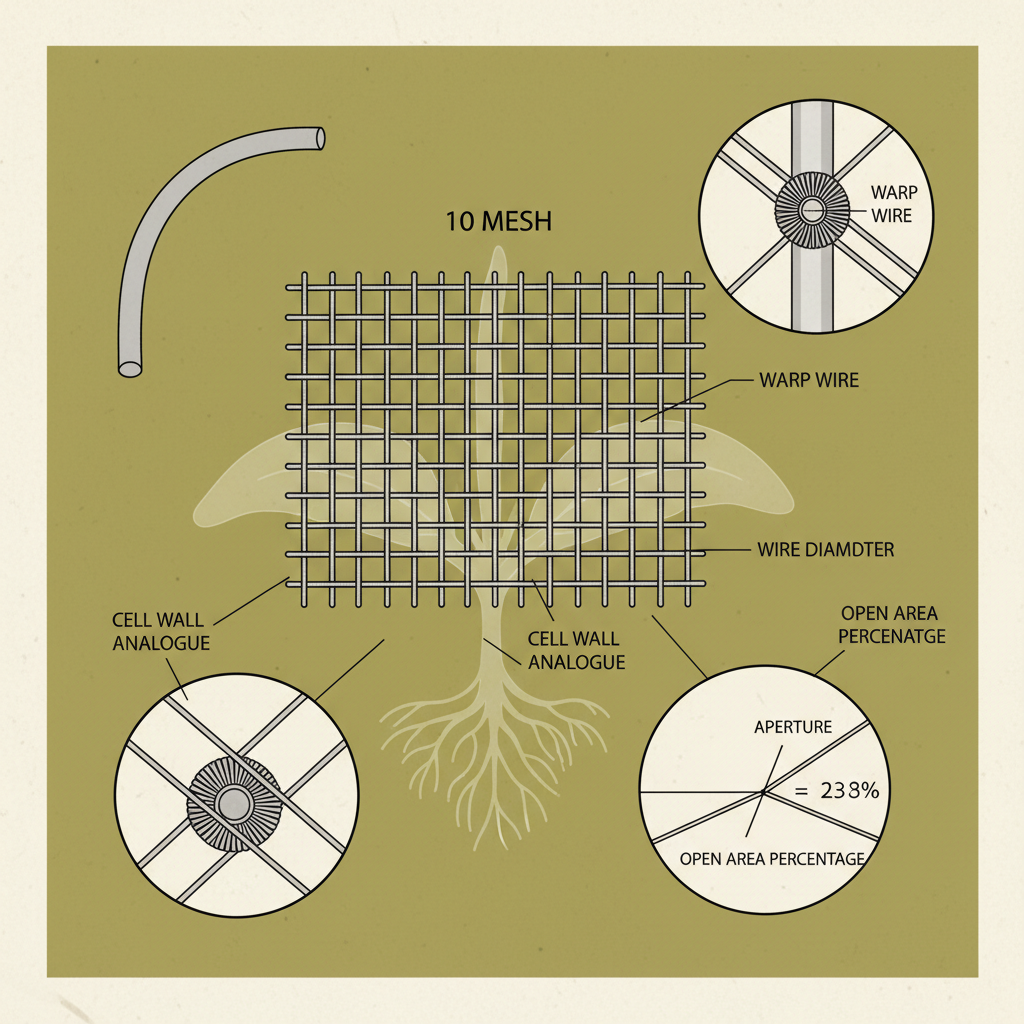
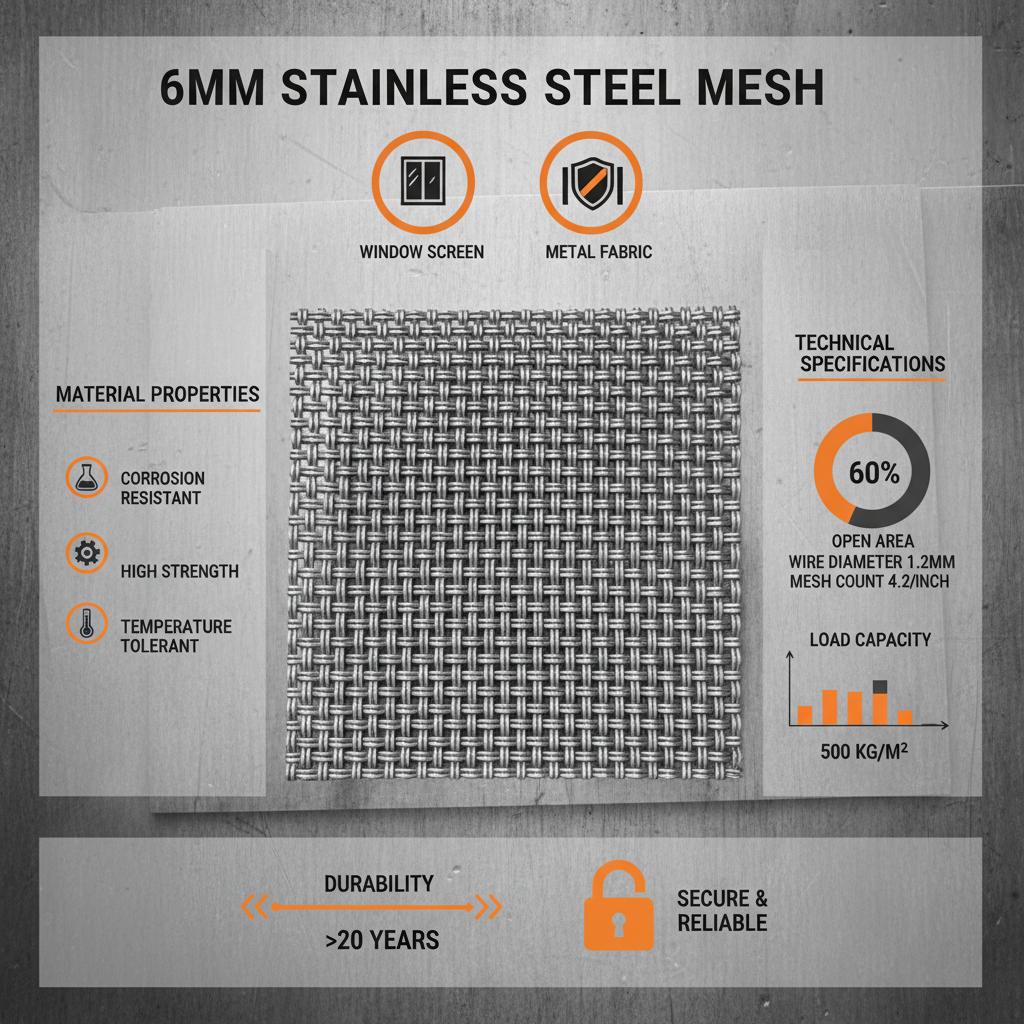
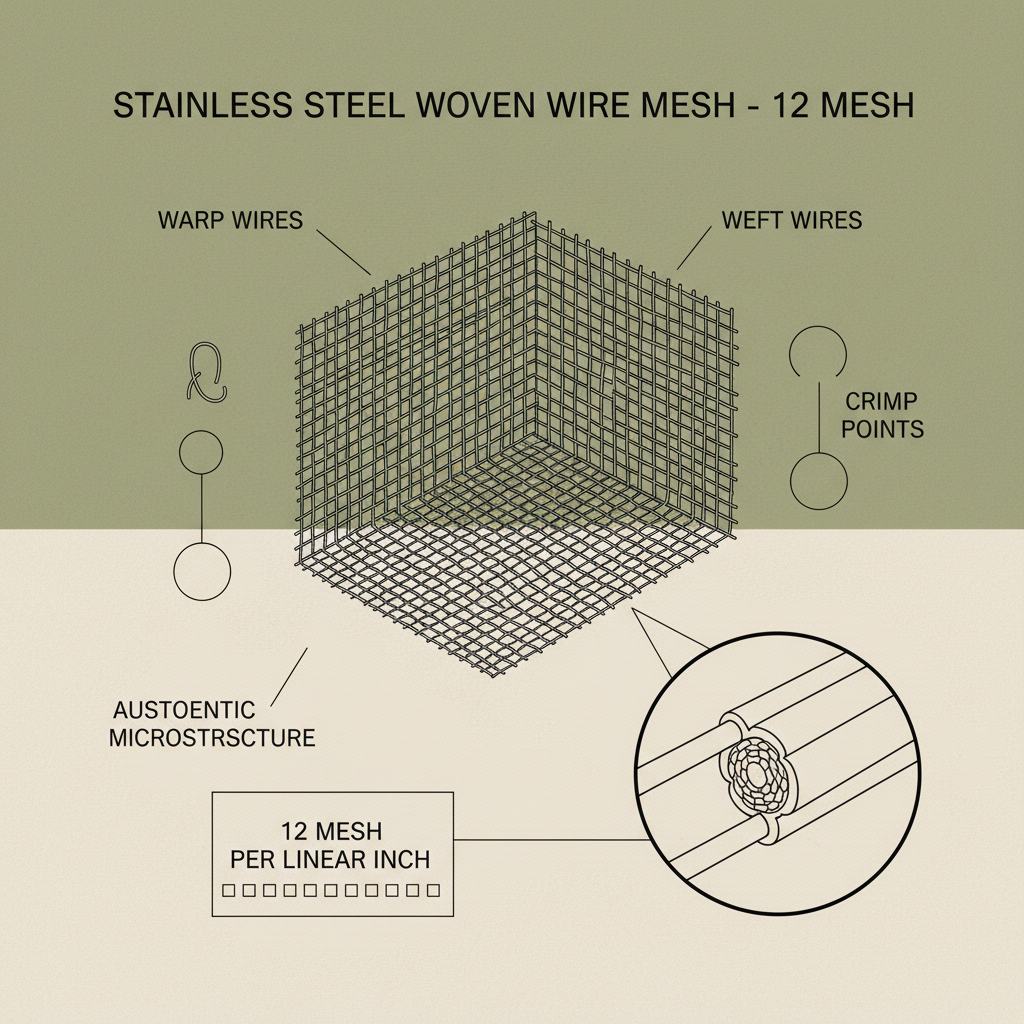
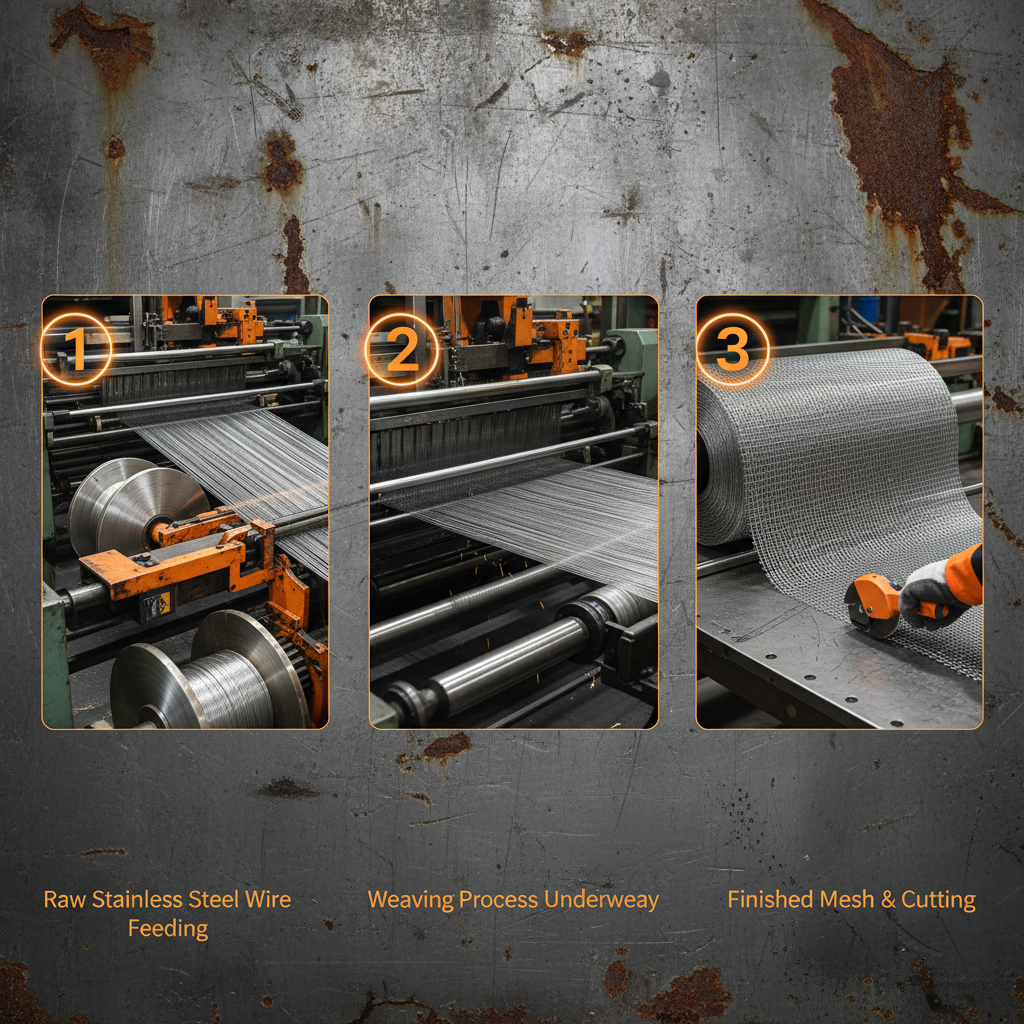
At its most basic level, a stainless steel sifting screen is a precision-engineered fabric made from woven stainless steel wires. Unlike simple perforated plates, woven mesh offers a higher open-area percentage, which translates to faster throughput and reduced blinding (clogging). The "mesh count," referring to the number of openings per linear inch, determines the micron rating and the specific size of the particles that will be retained or passed through.
The relationship between the wire diameter and the aperture size is critical. A thinner wire allows for a larger open area and higher flow rates, but it sacrifices mechanical strength. Conversely, a thicker wire increases the durability of the screen but may slow down the sifting process. Expert selection involves balancing these competing variables to match the physical characteristics of the material being sifted, whether it be abrasive mineral ores or delicate organic powders.
In modern industry, these screens are often integrated into vibrating separators, rotary sifters, or pressure filters. The synergy between the mechanical energy provided by the machine and the precise geometry of the stainless steel sifting screen ensures that the separation process is both efficient and repeatable, meeting the rigorous demands of automated production environments.
Core Factors Affecting Screen Performance
Durability is perhaps the most critical factor when selecting a stainless steel sifting screen. The resistance to fatigue—the ability of the wire to bend and flex millions of times without snapping—depends heavily on the annealing process used during manufacturing. High-grade stainless steel ensures that the screen can withstand the constant agitation of industrial sifters without premature failure.
Material Compatibility and Corrosion Resistance are equally paramount. Depending on the application, a stainless steel sifting screen might be exposed to chlorides, sulfuric acid, or high-pressure steam. Utilizing alloys like 316L (low carbon) prevents intergranular corrosion, ensuring that the screen does not degrade and introduce contaminants into the processed material.
Precision and Scalability allow for seamless integration into various production scales. From laboratory-grade micro-meshes to massive industrial conveyor screens, the ability to maintain tight tolerances on the aperture size ensures that the stainless steel sifting screen performs consistently, regardless of the volume of material being processed.
Global Applications Across Diverse Sectors
The versatility of the stainless steel sifting screen allows it to be deployed in virtually every industrial corner of the globe. In the mining sectors of Australia and Canada, these screens are used for primary ore classification, where they must survive the impact of heavy rocks. In the pharmaceutical hubs of India and Switzerland, the same technology is scaled down to micron-levels to ensure that medicinal powders are free of clumps and impurities.
Furthermore, in the food processing plants of Southeast Asia, these screens are essential for sifting flour, sugar, and spices. The non-reactive nature of the steel ensures that the taste and safety of the food are not compromised. Even in specialized fields, such as aerospace component cleaning or precious metal recovery, the precision of a high-quality mesh is the only way to ensure the recovery of valuable micro-particles.
Comparative Efficiency of Sifting Screen Materials
Long-Term Value and Sustainability Benefits
Investing in a premium stainless steel sifting screen offers substantial long-term economic value. While the initial cost may be higher than plastic or carbon steel alternatives, the extended lifecycle drastically reduces the Total Cost of Ownership (TCO). By minimizing the frequency of screen ruptures, companies avoid the "hidden costs" of production halts and the labor associated with frequent replacements.
From a sustainability perspective, stainless steel is 100% recyclable, aligning with global "Green Industry" initiatives. Furthermore, the high efficiency of these screens reduces the amount of material that is incorrectly sorted and wasted. By ensuring a higher first-pass yield, the stainless steel sifting screen contributes to a leaner, more resource-efficient manufacturing process that minimizes environmental impact.
Future Trends in Filtration Material Science
The future of the stainless steel sifting screen is being shaped by the advent of nanotechnology and smart manufacturing. We are seeing the integration of ultrasonic cleaning systems directly into the screen frames, which uses high-frequency vibrations to clear blinding in real-time, effectively eliminating the need for manual cleaning and increasing uptime.
Additionally, the development of "hybrid meshes"—combining stainless steel with specialized coatings like PTFE or PFA—is expanding the range of materials that can be sifted. These non-stick coatings prevent sticky or moist powders from adhering to the wires, allowing for the processing of materials that were previously considered "un-siftable" using traditional metal mesh.
Automation and Industry 4.0 are also playing a role. New sensor-integrated screens can now detect a tear or a clog in a stainless steel sifting screen and alert operators before a product contamination event occurs. This shift toward predictive maintenance is transforming the sifting screen from a passive component into an active part of the quality assurance system.
Common Challenges and Expert Solutions
One of the most persistent challenges in sifting is "blinding," where particles become wedged in the aperture of the stainless steel sifting screen. This reduces the effective open area and slows down production. Expert solutions involve the use of "wedge wire" designs or the application of surface tension-reducing coatings that encourage particles to slide through rather than stick.
Another common issue is the premature failure of screens due to abrasive wear. In environments where the material is highly abrasive, standard 304 stainless steel may wear down quickly. The solution is to employ specialized hard-facing techniques or switch to high-chromium alloys that offer superior hardness while maintaining the corrosion resistance of a stainless steel sifting screen.
Finally, tensioning issues often lead to "bagging" or sagging of the mesh, which compromises the accuracy of the sifting. Implementing precision-tensioned frames and utilizing high-tensile strength wire weaves ensures that the mesh remains taut, preserving the exact aperture size and ensuring the product meets the required specifications consistently.
Analysis of Sifting Screen Solutions by Material and Application
| Material Grade |
Primary Application |
Corrosion Resistance |
Typical Lifespan (Months) |
| SS 304 |
General Food Sifting |
Moderate |
6-12 |
| SS 316L |
Pharmaceuticals |
High |
12-24 |
| Duplex SS |
Chemical Processing |
Very High |
24-36 |
| Alloy 20 |
Acidic Environments |
Extreme |
36-48 |
| Teflon Coated |
Sticky Powders |
High |
8-18 |
| Hard-Faced SS |
Mining/Aggregates |
Moderate |
12-20 |
FAQS
Choosing the right mesh count requires an analysis of your target particle size. The mesh count refers to the number of openings per linear inch. To select the correct screen, determine the maximum particle size that should pass through the mesh. For example, if you need to remove particles larger than 500 microns, you should select a mesh count that corresponds to an aperture slightly smaller than that value. We recommend consulting a micron-to-mesh conversion chart to ensure precision.
The primary difference lies in the chemical composition; SS 316L contains molybdenum, which provides significantly higher resistance to chlorides and pitting corrosion. While SS 304 is excellent for general food and industrial use, SS 316L is the industry standard for pharmaceutical and marine environments where the stainless steel sifting screen may be exposed to harsh chemicals or saline solutions.
Blinding can be prevented through several methods: first, ensure you are using the correct wire diameter to maximize the open area. Second, consider adding an ultrasonic de-blinding system to your equipment. Third, for sticky materials, a PTFE-coated stainless steel sifting screen can drastically reduce adhesion. Finally, implementing a regular cleaning schedule using ionized air or specialized brushes can maintain throughput.
Yes, stainless steel is highly regarded for its thermal stability. Depending on the grade, these screens can operate at temperatures exceeding 800°C without losing structural integrity. However, extreme heat can lead to oxidation over time. For ultra-high temperature applications, we recommend specialized heat-treated alloys to ensure the mesh does not warp or lose its tension.
Absolutely. We provide comprehensive fabrication services, including custom-cut shapes, reinforced edges, and specialized framing for any stainless steel sifting screen. Whether you need a circular disc for a vibratory sifter or a long rectangular belt for a conveyor system, our fabrication process ensures the mesh is perfectly tensioned to fit your specific machinery.
Replacement frequency depends on the abrasiveness of the material and the operational intensity. We recommend a weekly visual inspection for tears and a monthly "sieve analysis" test to check if the aperture size has widened due to wear. In high-abrasion mining apps, screens may need replacing every 6 months, whereas in pharmaceutical settings, they may last 2 years. Consistent monitoring prevents product contamination.
Conclusion
The stainless steel sifting screen is far more than a simple industrial filter; it is a precision tool that ensures the safety, quality, and efficiency of global production lines. From the rigorous demands of the pharmaceutical lab to the harsh environment of the mine, the strategic selection of material grade, mesh count, and construction technique is paramount. By focusing on durability, corrosion resistance, and precision, industries can minimize waste and maximize throughput, ensuring a sustainable and profitable operation.
Looking forward, the integration of smart sensors and advanced coatings will further elevate the capabilities of sifting technology. We encourage plant managers and engineers to move beyond "off-the-shelf" solutions and invest in tailored sifting media that address their specific operational challenges. By prioritizing high-quality stainless steel components, you are not just buying a screen—you are investing in the long-term reliability of your entire production chain. Visit our website for expert guidance: www.stainlessmetalmesh.com