
Talk to Us
+86 13633281999
Email Address
ada@xingxinwiremesh.comExploring 6mm Stainless Steel Mesh Applications Benefits and Grades
Understanding 6mm Stainless Steel Mesh: Applications and Benefits
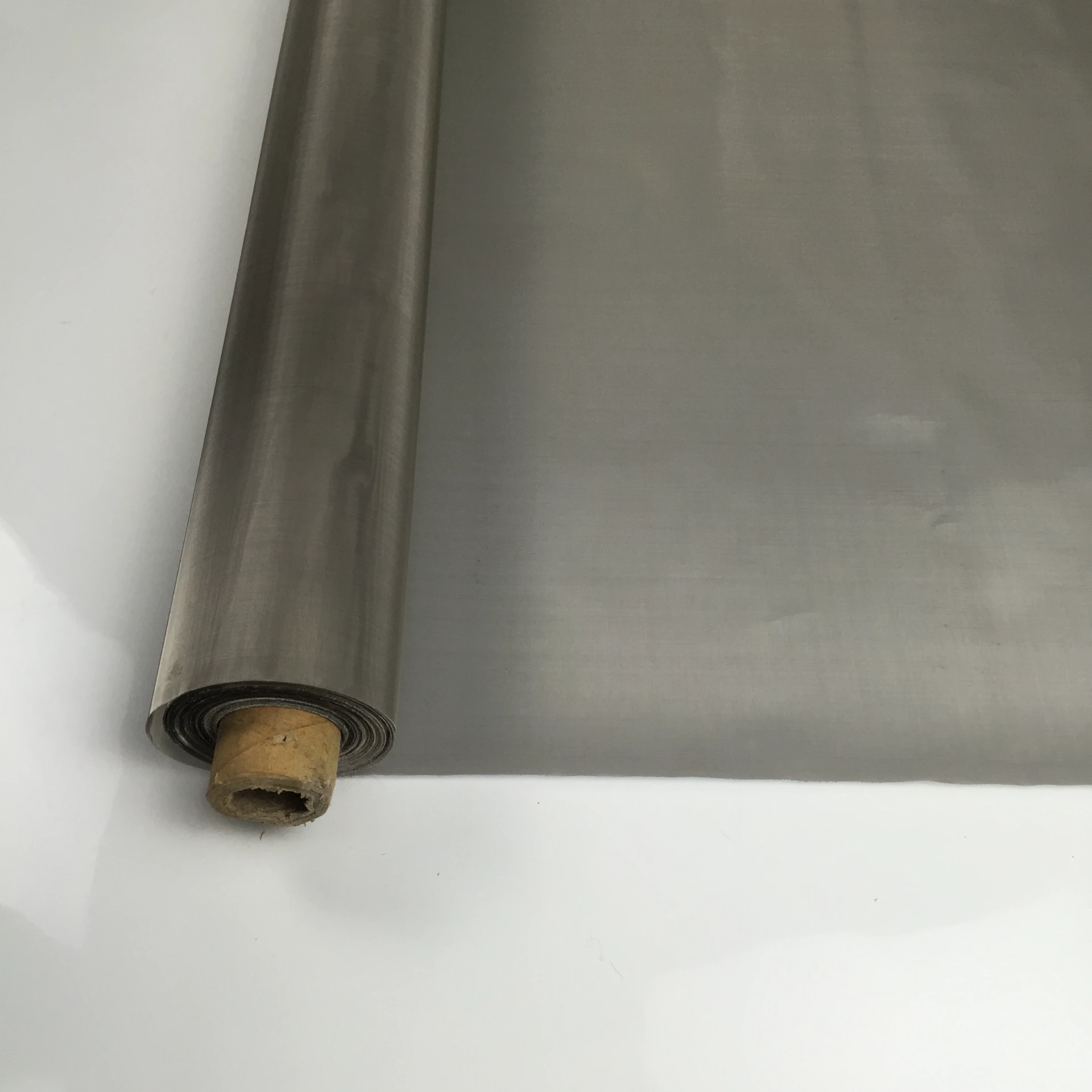
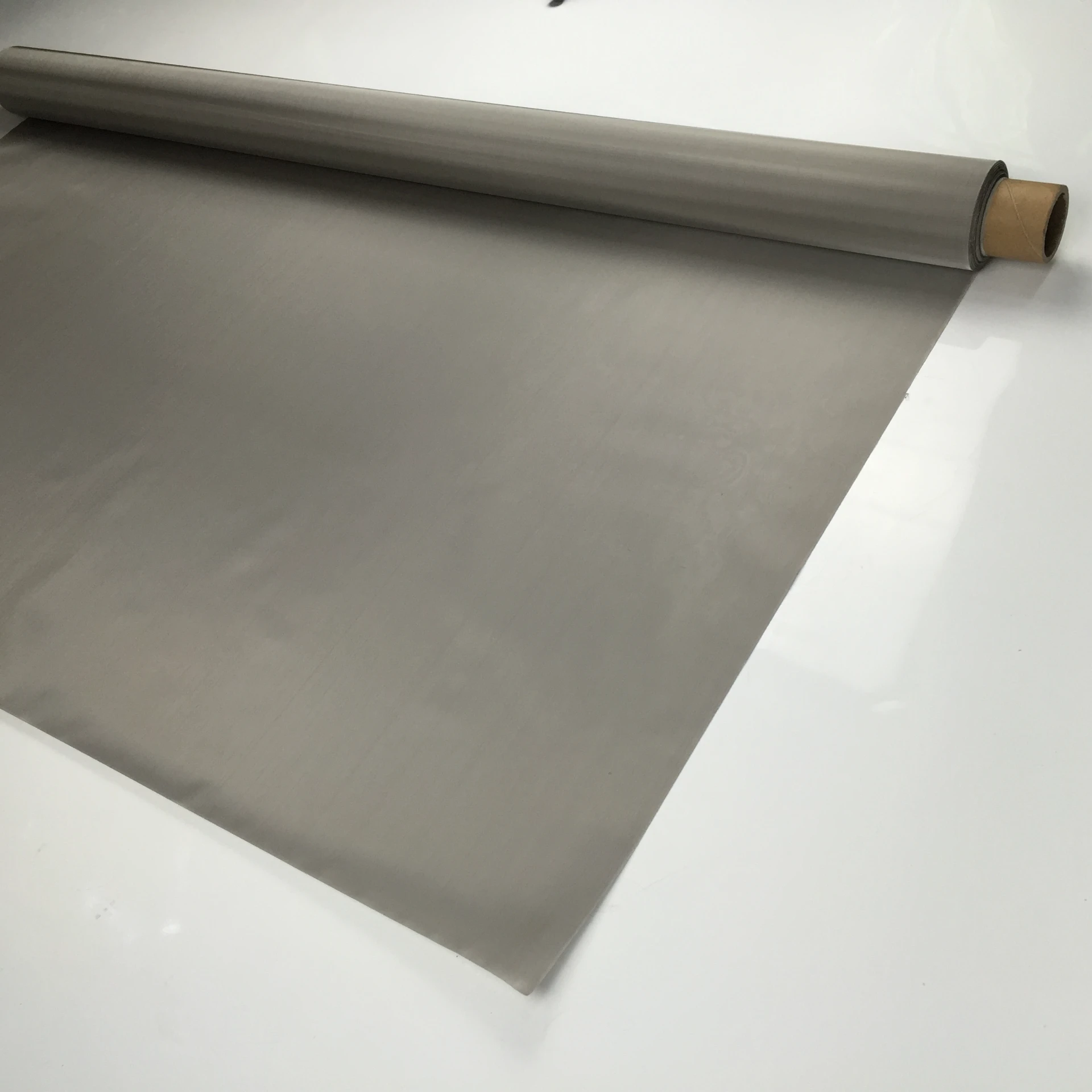
Stainless steel mesh, particularly the 6mm variety, is a versatile material utilized across a wide spectrum of industries. Its exceptional durability, corrosion resistance, and precise weave make it ideal for filtering, screening, security, and architectural applications. This article provides a comprehensive overview of 6mm stainless steel mesh, exploring its properties, common uses, manufacturing processes, and advantages. Stainless Metal Mesh specializes in providing high-quality stainless steel mesh solutions tailored to your specific needs.
What is 6mm Stainless Steel Mesh?
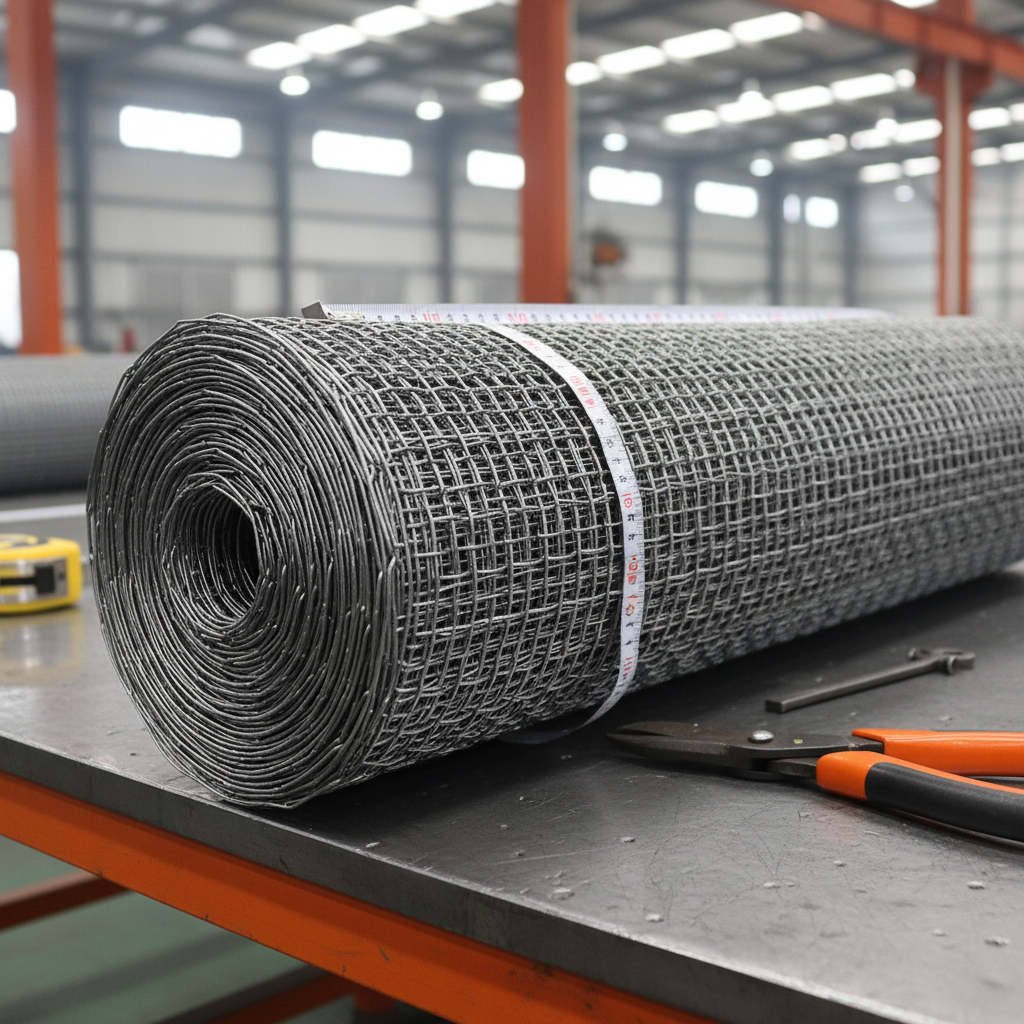
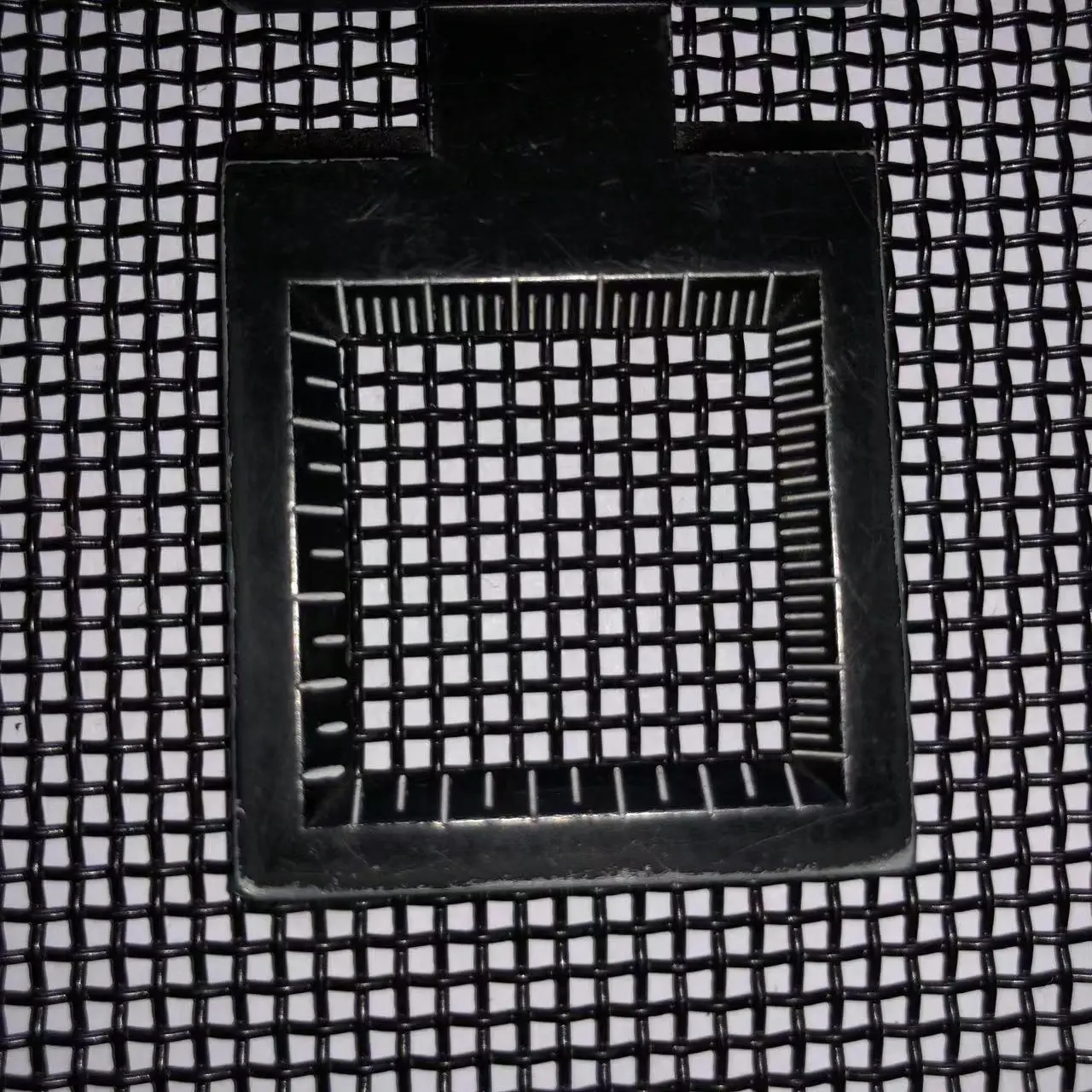
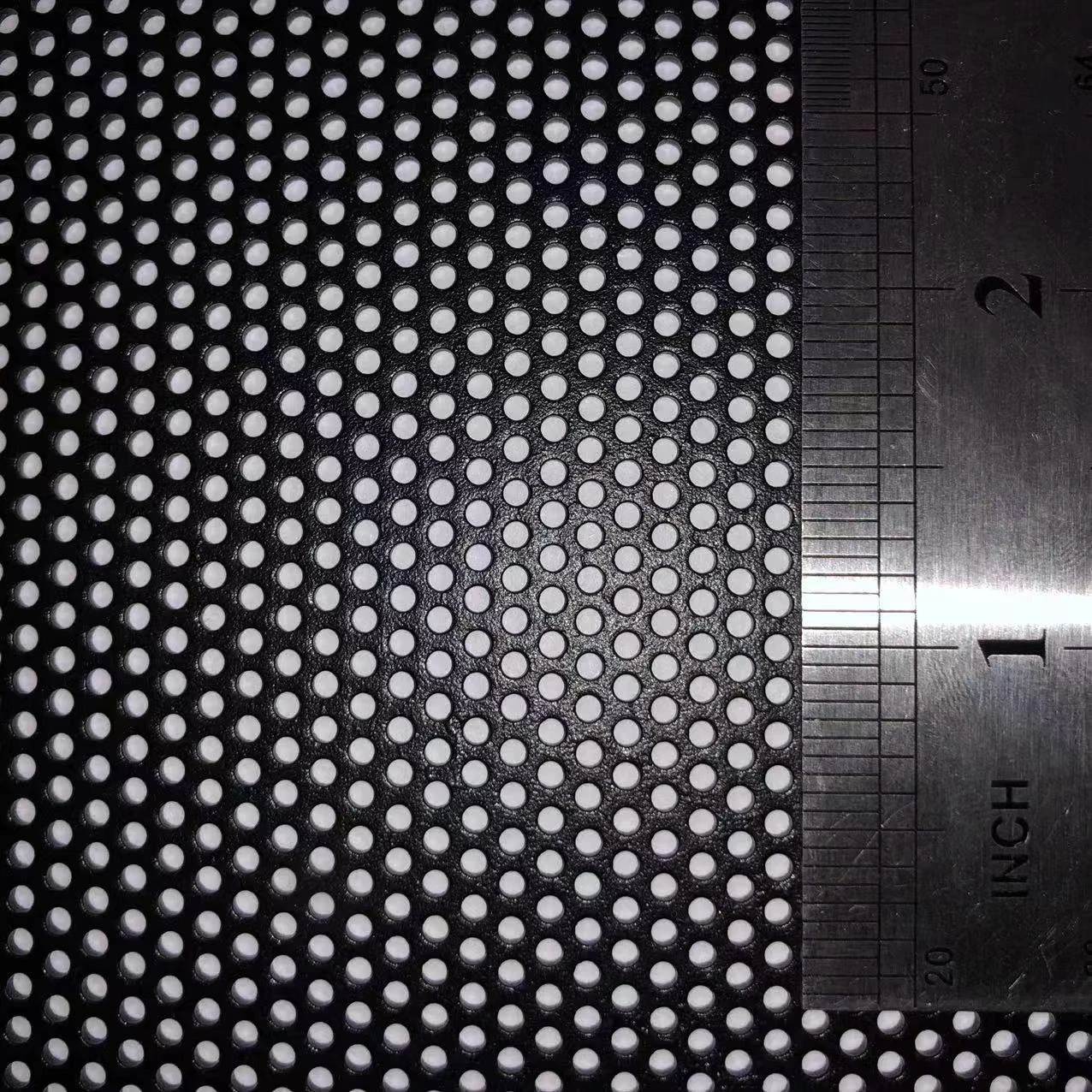
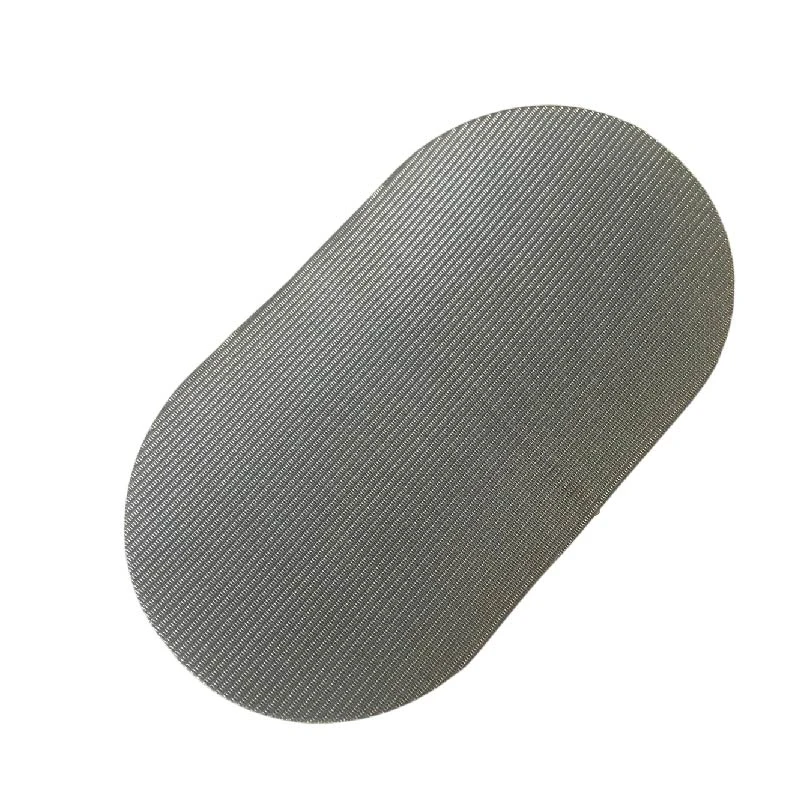
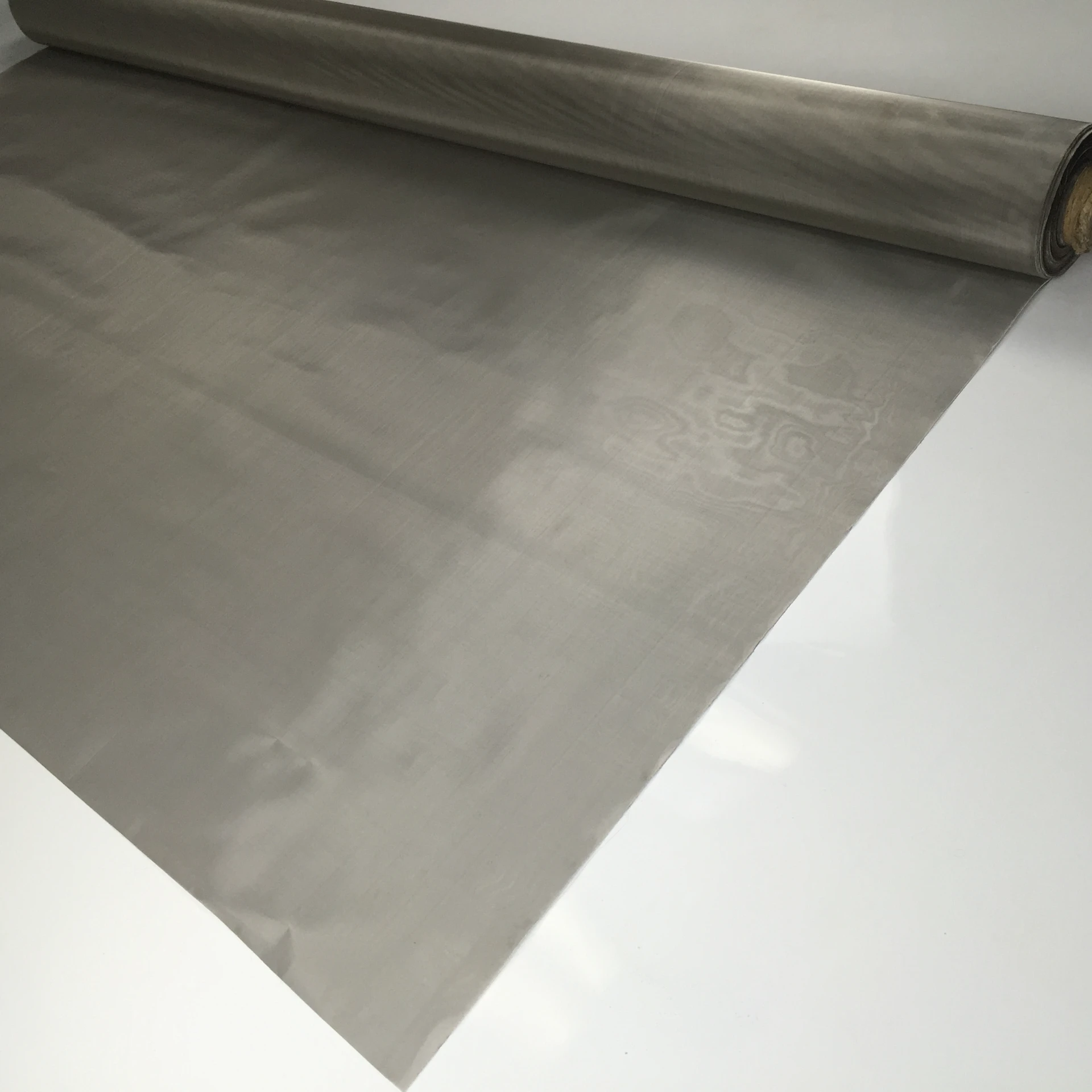
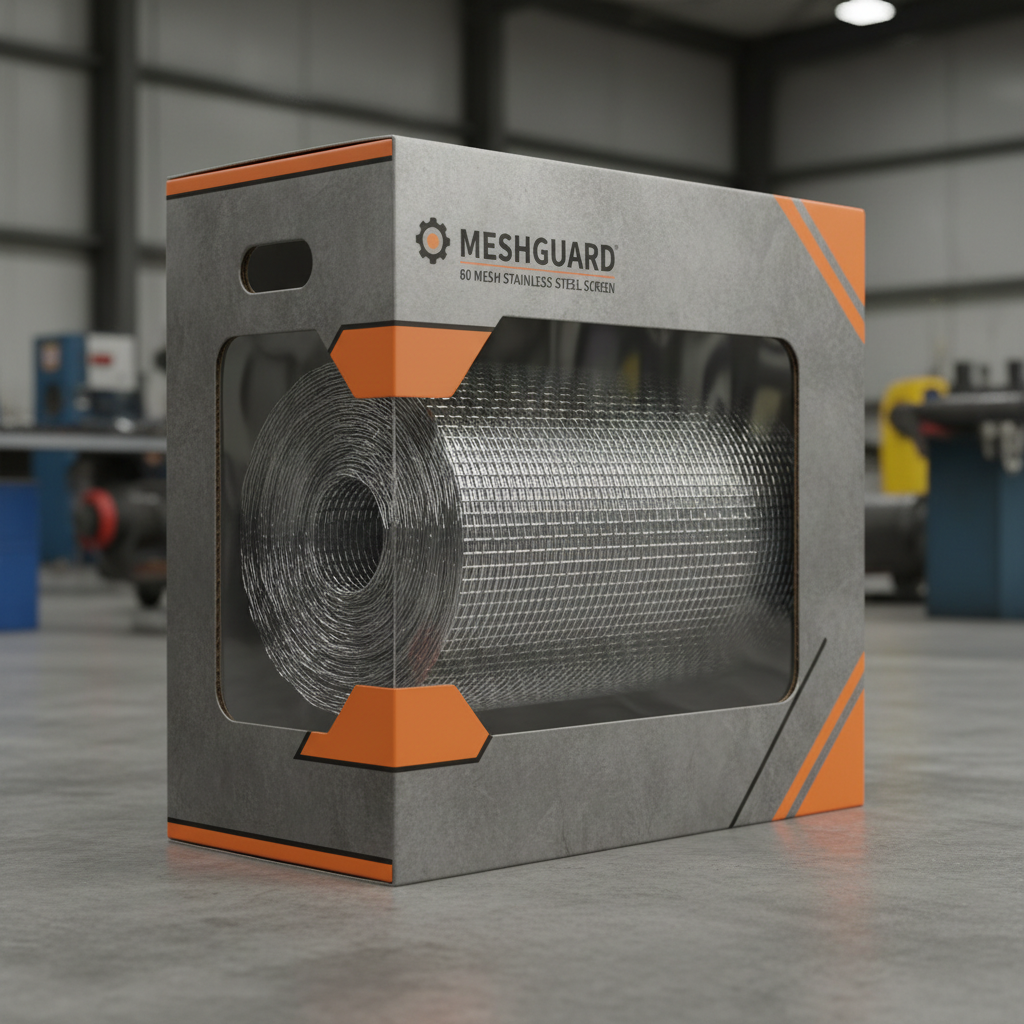
6mm stainless steel mesh refers to the aperture size (opening) of the woven wire mesh. It means there are approximately 6 millimeters between the wires. This aperture size is a common and versatile choice, balancing filtration efficiency with flow rate. The '6mm' refers to the clear opening, not the wire diameter, which varies based on the specific grade of stainless steel and desired mesh properties. This mesh is typically woven from 304, 316, or 316L stainless steel, each offering differing levels of corrosion resistance and strength. The chosen alloy depends heavily on the intended environment and application.
Key Highlights: The 6mm aperture offers a balance between filtration effectiveness and permeability, making it ideal for numerous applications. Stainless steel ensures longevity and resistance to corrosion.
Common Applications of 6mm Stainless Steel Mesh
The versatility of 6mm stainless steel mesh makes it suitable for a diverse range of applications. In the food and beverage industry, it is frequently used for filtering liquids, separating solids, and creating sieves. The construction industry utilizes it for reinforcing concrete, creating safety screens, and architectural features. Other notable applications include security fencing, animal enclosures, automotive filtration, and industrial sieving processes. Its resistance to high temperatures also makes it useful in specialized applications like exhaust filtration. Explore our product range to see how we can tailor a solution for your project.
Application Areas:
• Food & Beverage Processing
• Construction & Architecture
• Security & Enclosures
• Industrial Filtration
6mm Stainless Steel Mesh: Grades and Wire Diameter
Choosing the right grade of stainless steel and wire diameter is crucial for optimizing performance. 304 stainless steel is a common choice for general-purpose applications due to its excellent corrosion resistance. 316 stainless steel offers superior resistance to chlorides, making it ideal for marine environments or applications involving harsh chemicals. 316L, a lower carbon variant of 316, further enhances corrosion resistance, particularly in welded applications. Wire diameter affects the mesh’s strength and filtration efficiency. Thicker wires provide greater strength but reduce open area, while thinner wires offer higher permeability but lower strength.
Manufacturing Process and Quality Control
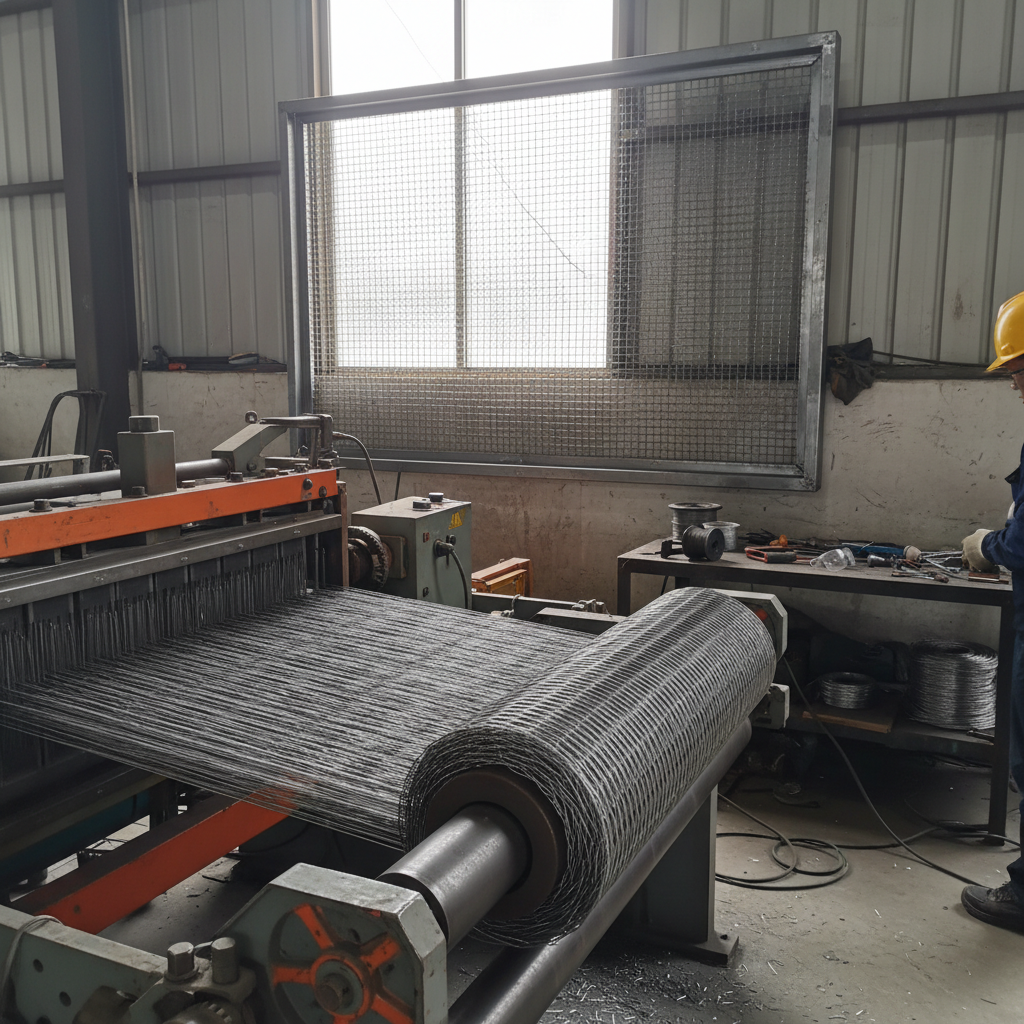
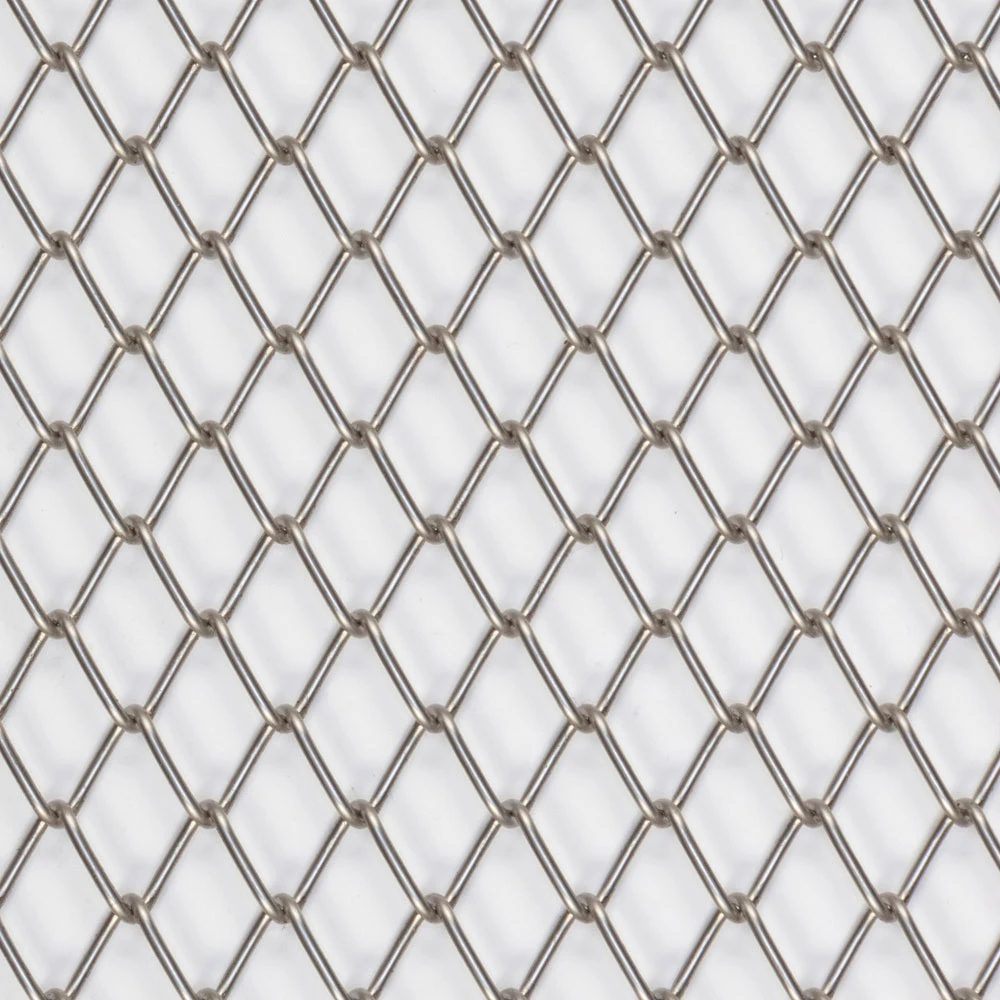
6mm stainless steel mesh is primarily manufactured through a weaving process. Wires are interlaced using different weave patterns, such as plain weave, twill weave, and Dutch weave, each offering unique characteristics. Plain weave is the most common, offering a balanced structure. Twill weave provides a tighter weave with increased strength, while Dutch weave is designed for high flow rates. Stainless Metal Mesh employs rigorous quality control measures throughout the manufacturing process, including wire diameter checks, weave density verification, and corrosion resistance testing, ensuring that every batch meets stringent industry standards.
The Benefits of Choosing Stainless Steel Mesh
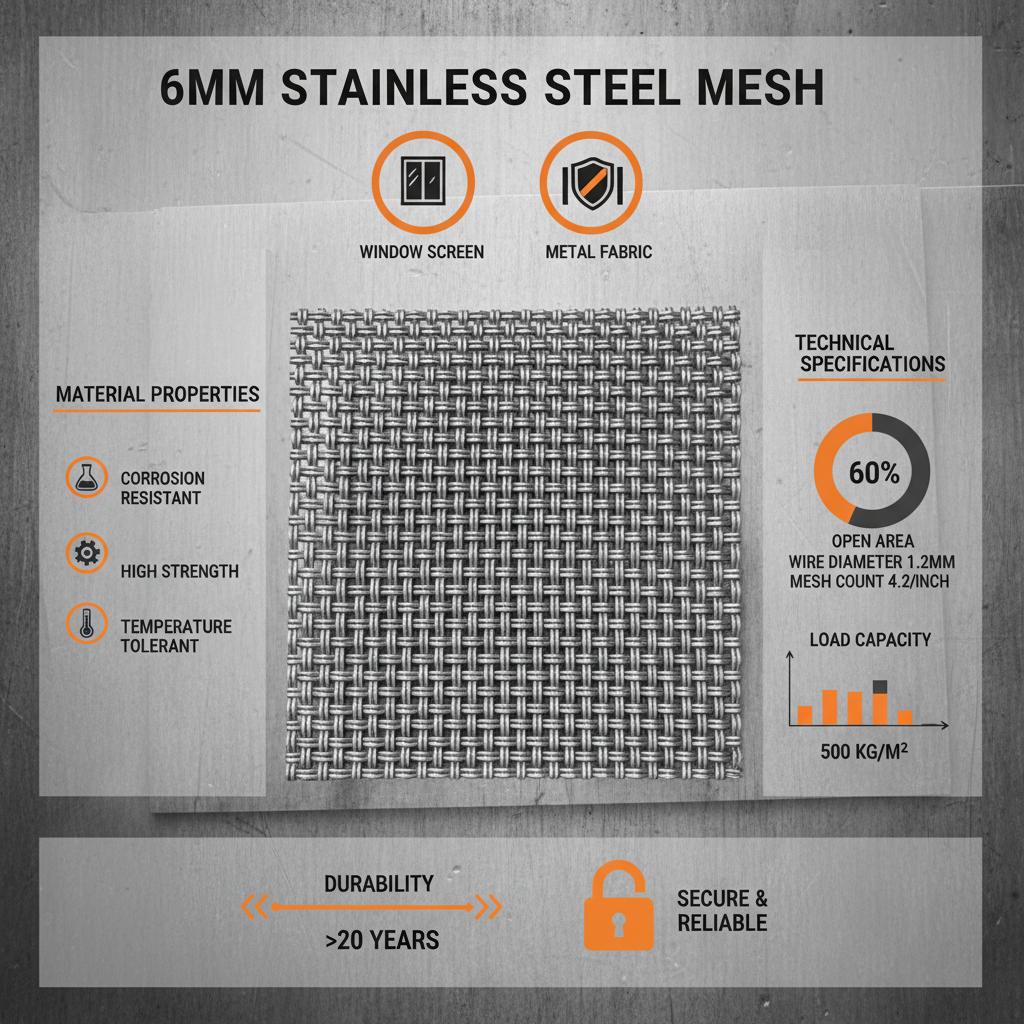
Stainless steel mesh offers a multitude of benefits over other materials. Its inherent corrosion resistance ensures a long service life, minimizing replacement costs. It's remarkably durable and can withstand harsh environments. The material is also hygienic and easy to clean, making it ideal for food and pharmaceutical applications. Stainless steel is recyclable, making it an environmentally responsible choice. Finally, its aesthetic appeal enhances its suitability for architectural and decorative applications. Contact us at Stainless Metal Mesh to discuss your specific requirements.
Conclusion: The Versatile Solution for Your Needs
6mm stainless steel mesh is a robust and versatile material suitable for a wide array of applications. Its durability, corrosion resistance, and customizable properties make it a cost-effective and reliable solution for industries ranging from food processing to construction. Stainless Metal Mesh is your trusted partner for high-quality stainless steel mesh products.
Frequently Asked Questions (FAQs)
What is the typical lead time for a custom 6mm stainless steel mesh order?
Lead times vary depending on the quantity, grade of stainless steel, weave pattern, and any specific customization requirements. Generally, standard orders can be fulfilled within 1-2 weeks. More complex or larger orders may require 3-6 weeks. We strive to provide accurate lead time estimates during the quoting process. Factors like material availability and current production schedules can also influence delivery times. We are committed to fulfilling your order as efficiently as possible without compromising quality.
Can 6mm stainless steel mesh be welded?
Yes, 6mm stainless steel mesh can be welded, but the weldability depends on the grade of stainless steel. 304 and 316 stainless steel are readily weldable using various techniques like spot welding, MIG, and TIG welding. 316L is particularly well-suited for welding due to its lower carbon content, minimizing carbide precipitation. Proper welding procedures and filler materials are crucial to maintain corrosion resistance and structural integrity. Post-weld heat treatment may be necessary for certain applications to restore optimal properties.
What are the common weave patterns available for 6mm mesh?
The most common weave patterns for 6mm stainless steel mesh include plain weave, twill weave, and Dutch weave. Plain weave offers a balanced construction and is ideal for general applications. Twill weave provides a tighter, more durable weave, suitable for demanding environments. Dutch weave features alternating over and under wires, resulting in a high open area and excellent flow rate. The best weave pattern depends on the specific requirements of your application, considering factors like filtration efficiency, strength, and permeability.
How do I clean and maintain 6mm stainless steel mesh?
Cleaning 6mm stainless steel mesh is relatively straightforward. For routine cleaning, simply use mild soap and water. Avoid abrasive cleaners, as they can damage the mesh surface. For stubborn residue, specialized stainless steel cleaners are available. Regular inspection for damage or debris buildup is recommended. Proper maintenance extends the lifespan of the mesh and ensures optimal performance. Depending on the application, periodic passivation may be beneficial to restore the protective chromium oxide layer.
-
-
-
-
-
-
-
-
-

-
-
-
-
-
-
-