
Talk to Us
+86 13633281999
Email Address
ada@xingxinwiremesh.comExploring Stainless Steel 20 Mesh Applications and Benefits for Diverse Industries
Understanding Stainless Steel 20 Mesh: Applications and Benefits
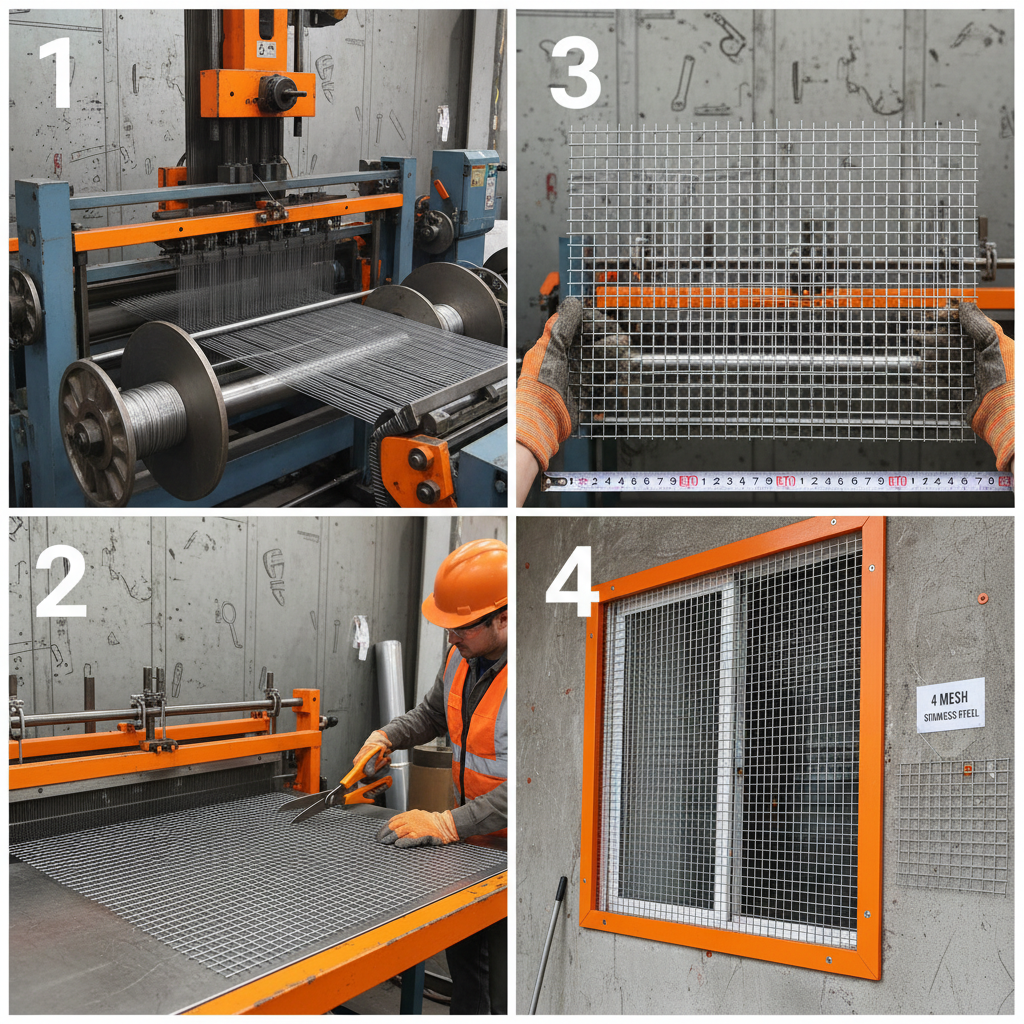
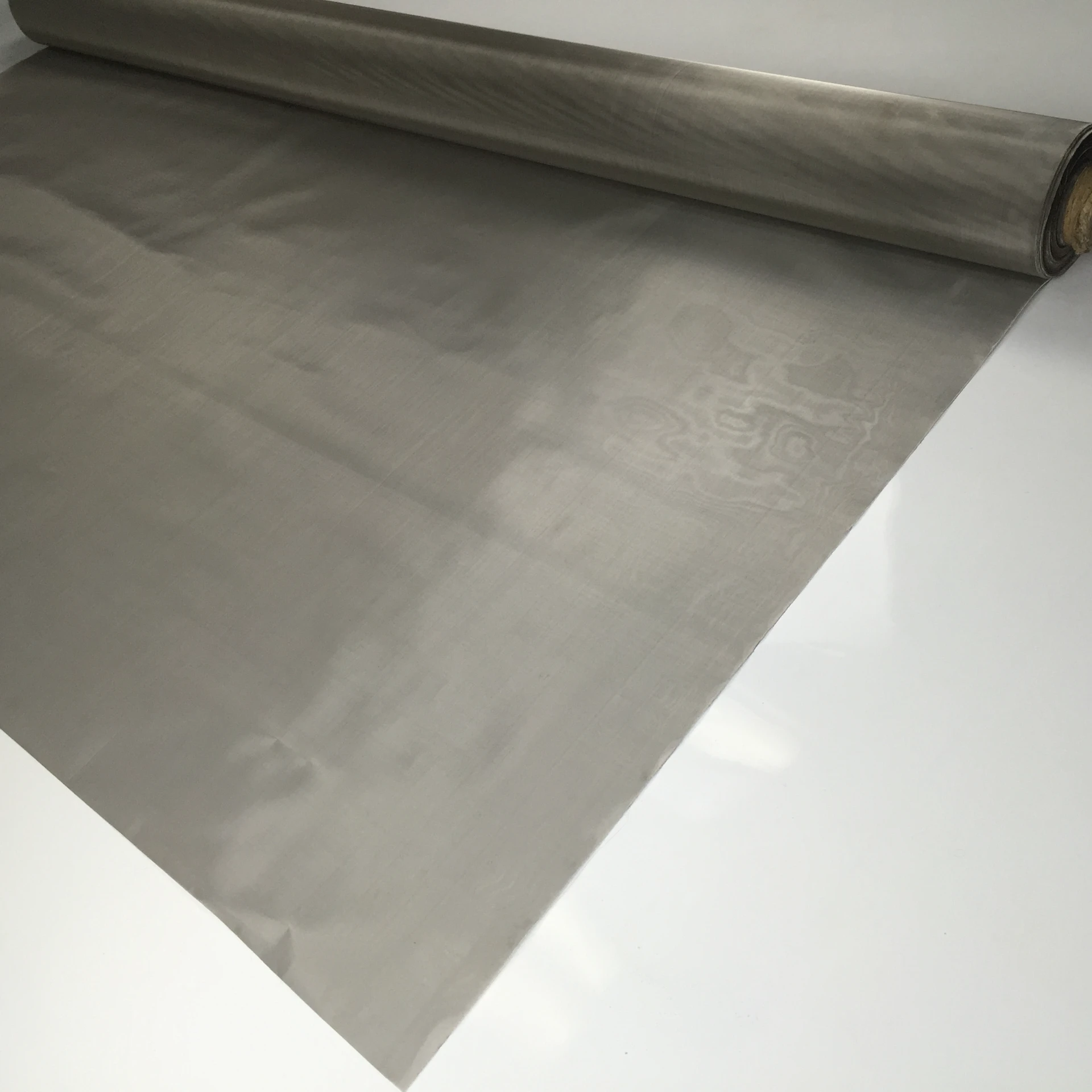
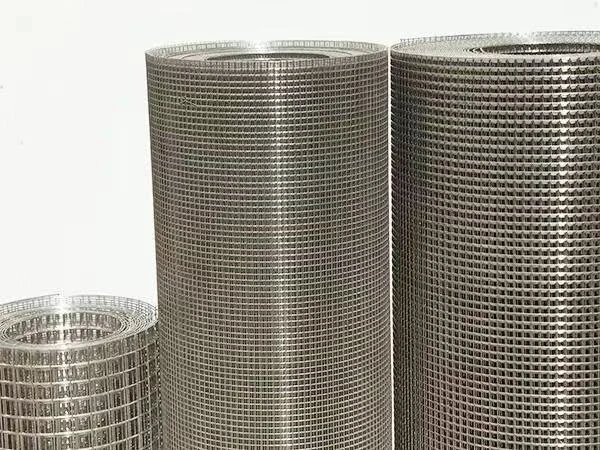
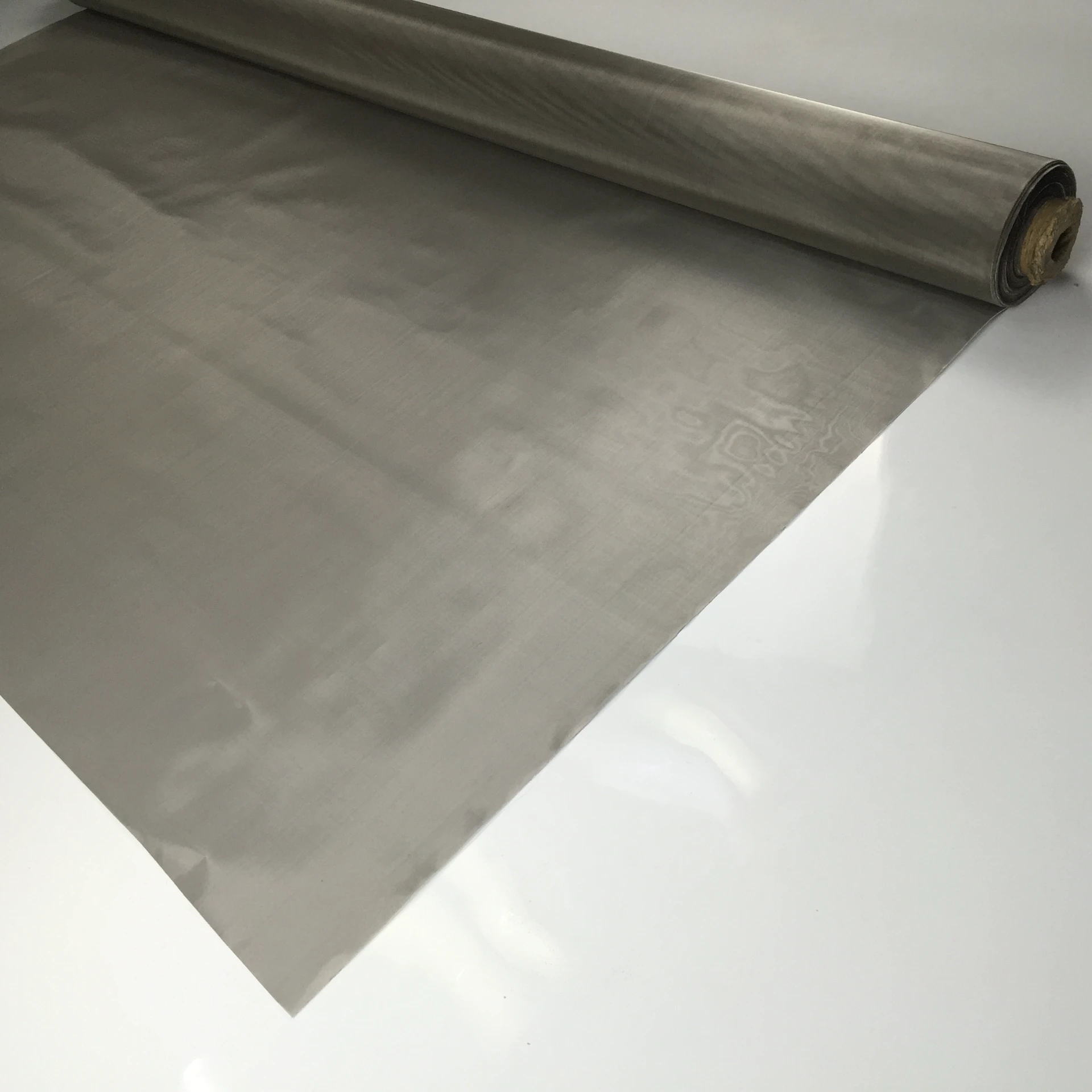
Stainless steel 20 mesh is a versatile woven wire mesh gaining popularity across diverse industries. Its specific characteristics—durability, corrosion resistance, and controlled opening size—make it ideal for filtration, screening, and support applications. This article explores the properties of stainless steel 20 mesh, its key applications, and considerations for choosing the right type for your specific needs. Understanding the nuances of mesh count and material grade is essential for achieving optimal performance.
What Does '20 Mesh' Actually Mean?
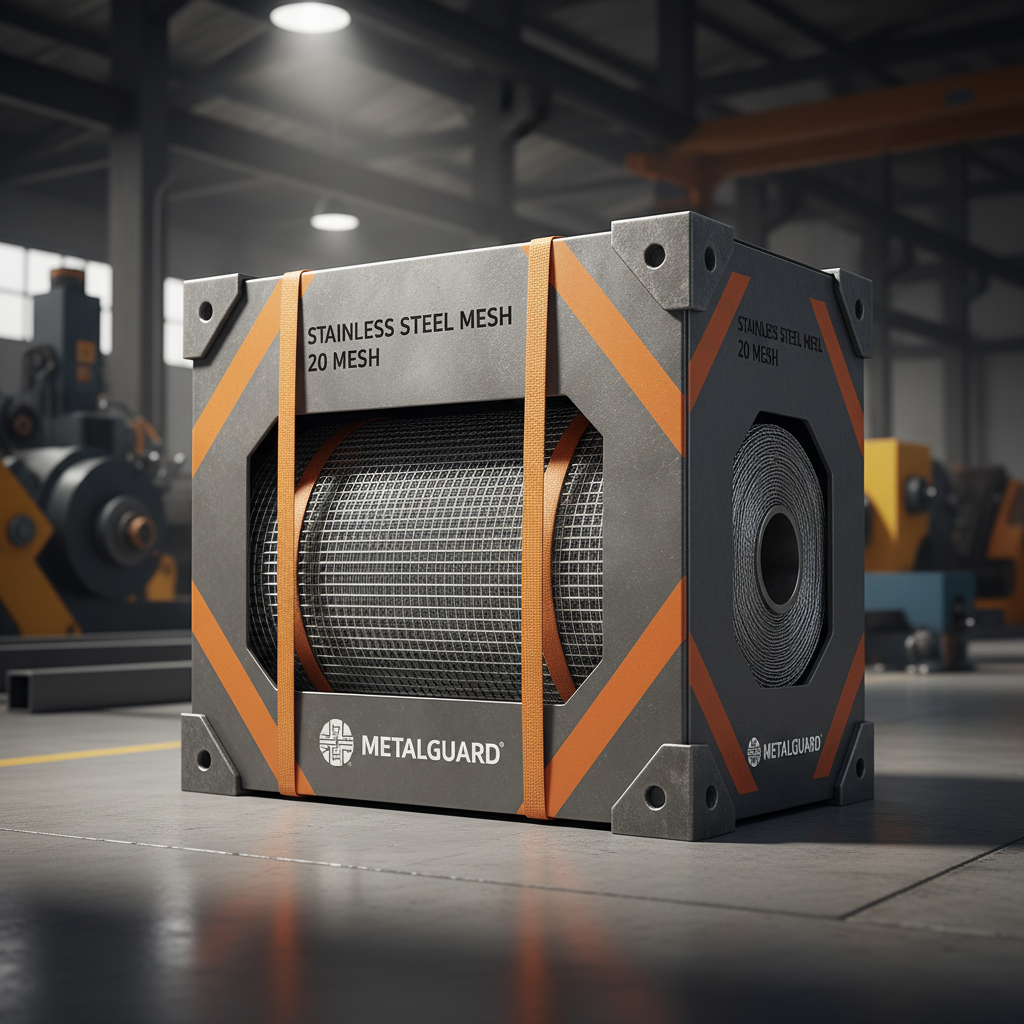
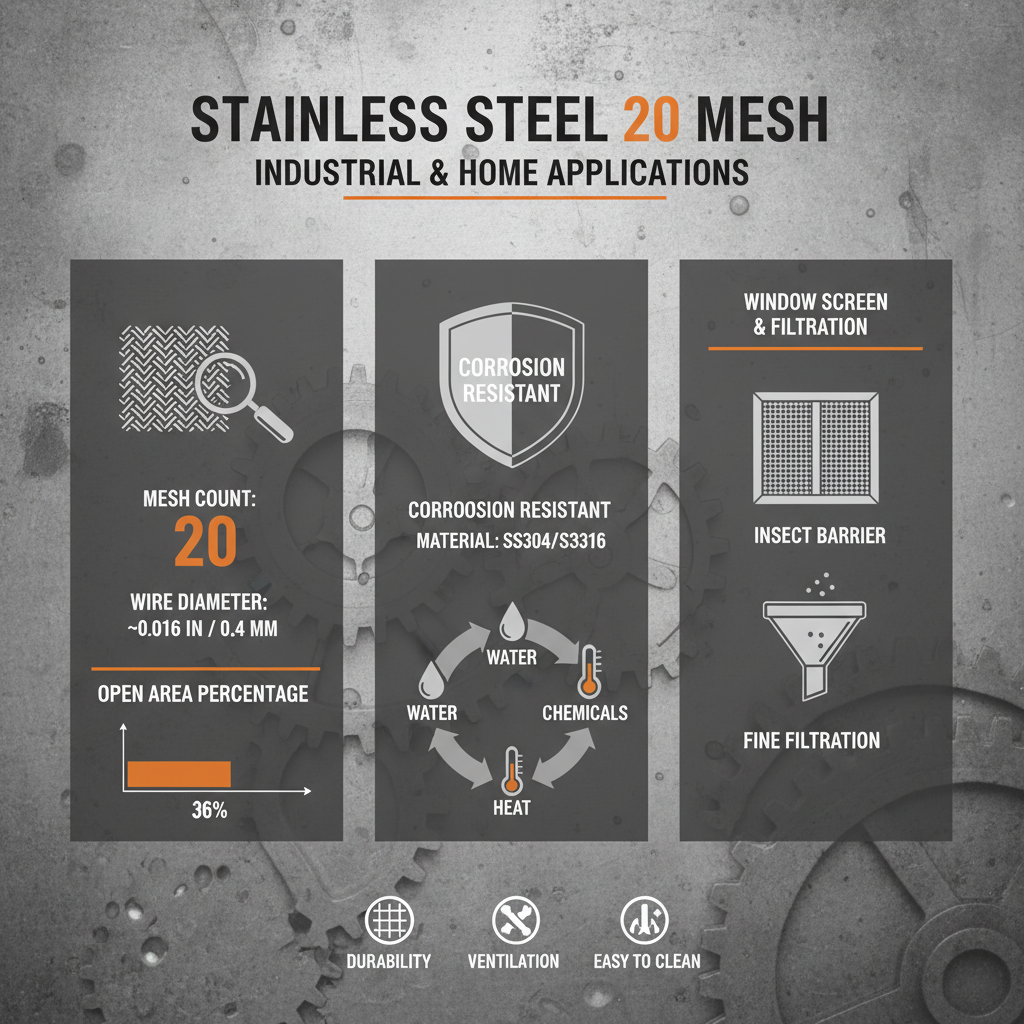
The term "20 mesh" refers to the number of openings per linear inch in the wire mesh. Therefore, 20 mesh stainless steel has 20 openings across every inch of the mesh. This directly correlates to the aperture size – the size of the openings themselves. A higher mesh number indicates smaller openings, and vice-versa. It’s crucial to accurately determine the required mesh size based on the particle size you need to filter or screen. Choosing the correct mesh size ensures efficient separation and prevents clogging or material loss. Stainless Metal Mesh offers a variety of mesh sizes to meet various applications.
Key Takeaway: Mesh number is inversely proportional to aperture size. A higher mesh number means smaller openings.
Common Applications of Stainless Steel 20 Mesh
The robust properties of stainless steel 20 mesh make it suitable for a wide array of applications. These include: filtration of liquids and gases in chemical processing; screening of solids in food processing and pharmaceuticals; support for filter media; and security screens where durability and visibility are needed. The specific stainless steel grade used (e.g., 304, 316) will further dictate its suitability for particular environments. For example, 316 stainless steel offers superior corrosion resistance in harsh chemical environments.
Application Breakdown:
• Filtration: Liquids, Gases, Air
• Screening: Solids, Particles, Aggregate
• Support: Filter Media, Catalyst Beds
• Security: Windows, Doors
Stainless Steel 20 Mesh: Grade Comparison
Several grades of stainless steel are used to manufacture 20 mesh. The most common are 304 and 316. 304 stainless steel is a general-purpose grade offering good corrosion resistance. 316 stainless steel contains molybdenum, which significantly enhances its resistance to chloride corrosion, making it ideal for marine environments or applications involving harsh chemicals. Selecting the correct grade is critical for longevity and performance. A lower grade in a harsh environment may lead to premature failure.
Factors Influencing the Cost of 20 Mesh Stainless Steel
The price of stainless steel 20 mesh can vary depending on several factors. These include the stainless steel grade (316 being more expensive than 304), the quantity ordered, the weave type (plain weave, twill weave, dutch weave), and any specific finishing requirements (e.g., polishing, cutting to size). Stainless Metal Mesh provides competitive pricing and custom fabrication services.
Choosing the Right Supplier: Quality and Customization
Selecting a reputable supplier is crucial for ensuring the quality and consistency of your stainless steel 20 mesh. Look for suppliers that offer certificates of analysis, precise mesh counts, and custom fabrication capabilities. Stainless Metal Mesh is a trusted provider of high-quality stainless steel mesh products, offering both standard sizes and customized solutions to meet your specific requirements.
Conclusion: Maximizing Performance with the Right Mesh
Selecting the right stainless steel 20 mesh requires careful consideration of your application's specific needs. Understanding mesh count, material grade, and supplier capabilities will ensure optimal performance and longevity. Stainless Metal Mesh provides the expertise and products to meet your filtration, screening, and support challenges.
Frequently Asked Questions (FAQs)
What is the typical lead time for a custom order of 20 mesh stainless steel?
Lead times vary depending on the quantity, material grade, and complexity of the fabrication. Generally, standard orders ship within 3-5 business days. Custom orders, especially those requiring specific cutting or weaving patterns, may take 2-4 weeks. We strive to provide accurate lead time estimates at the time of quote and maintain open communication throughout the production process. Contacting Stainless Metal Mesh directly will provide the most accurate timeframe for your specific requirements.
Can stainless steel 20 mesh be welded?
Yes, stainless steel 20 mesh can be welded, but it requires specialized techniques and equipment. Due to the relatively small wire diameter, conventional welding methods can easily distort the mesh. Techniques like micro-welding or spot welding are typically employed. Proper preparation and the use of appropriate welding parameters are crucial to maintain the mesh's structural integrity and prevent damage. We can offer welding services or recommend qualified welders for specific projects.
What weave types are available for 20 mesh stainless steel?
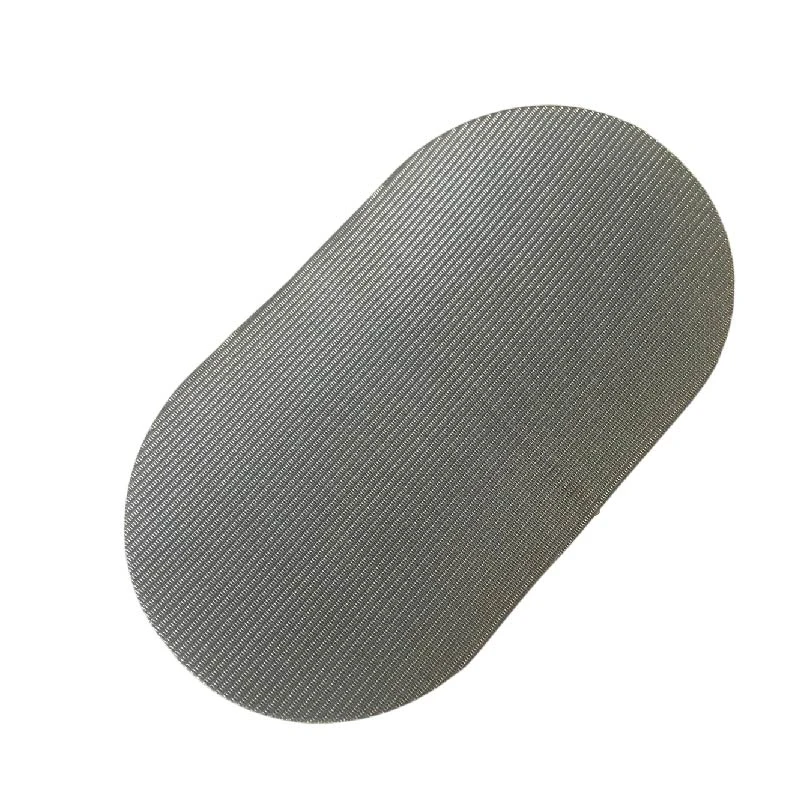
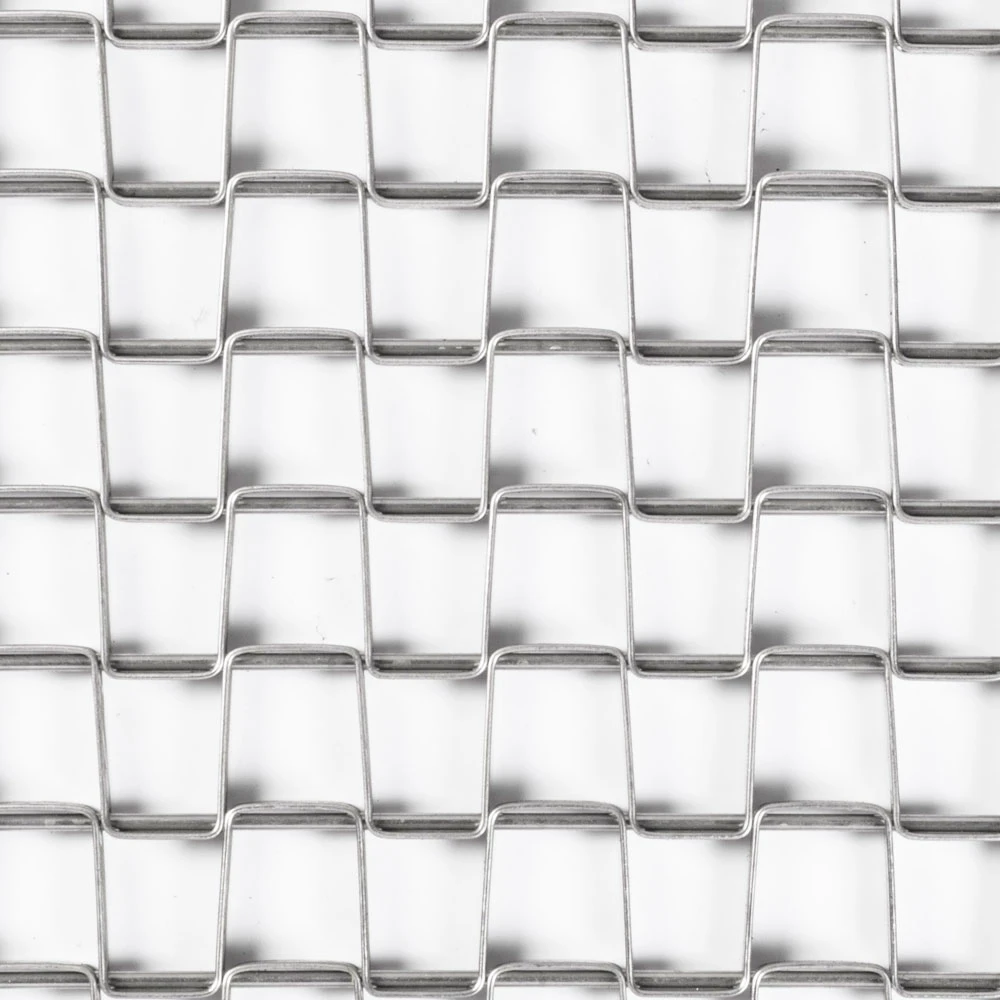
Several weave types are available, each offering different characteristics. The most common are plain weave, twill weave, and Dutch weave. Plain weave is the most basic and cost-effective. Twill weave provides a tighter, more durable mesh. Dutch weave offers a higher open area for increased flow rate, making it ideal for filtration applications. The choice of weave type depends on the specific requirements of your application. Our experts at Stainless Metal Mesh can help you determine the best option.
-
-
-
-
-
-
-
-
-
-
-
-
-
-
-
-