

Talk to Us
+86 13633281999
Email Address
ada@xingxinwiremesh.comComprehensive Guide to SS316 Mesh Wire Properties and Diverse Applications
Understanding SS316 Mesh Wire: Properties, Applications, and Benefits
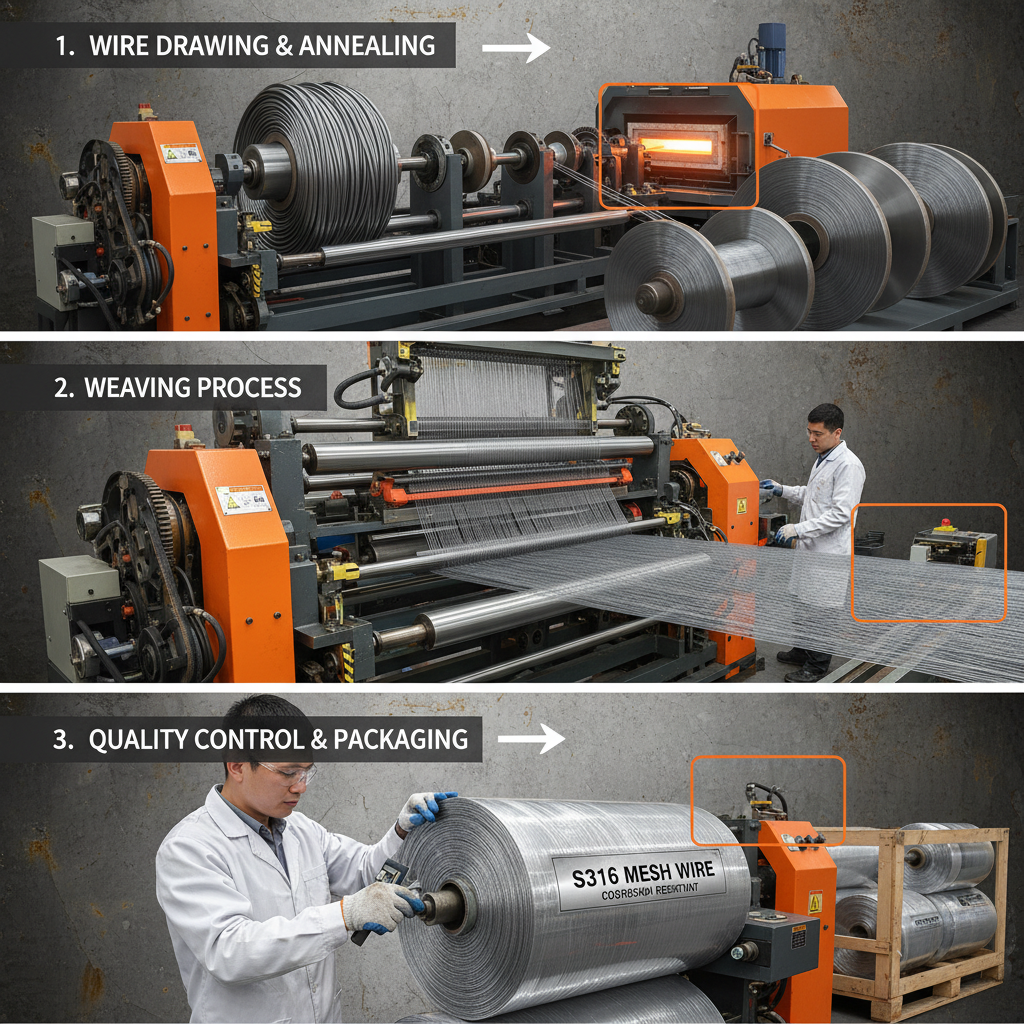
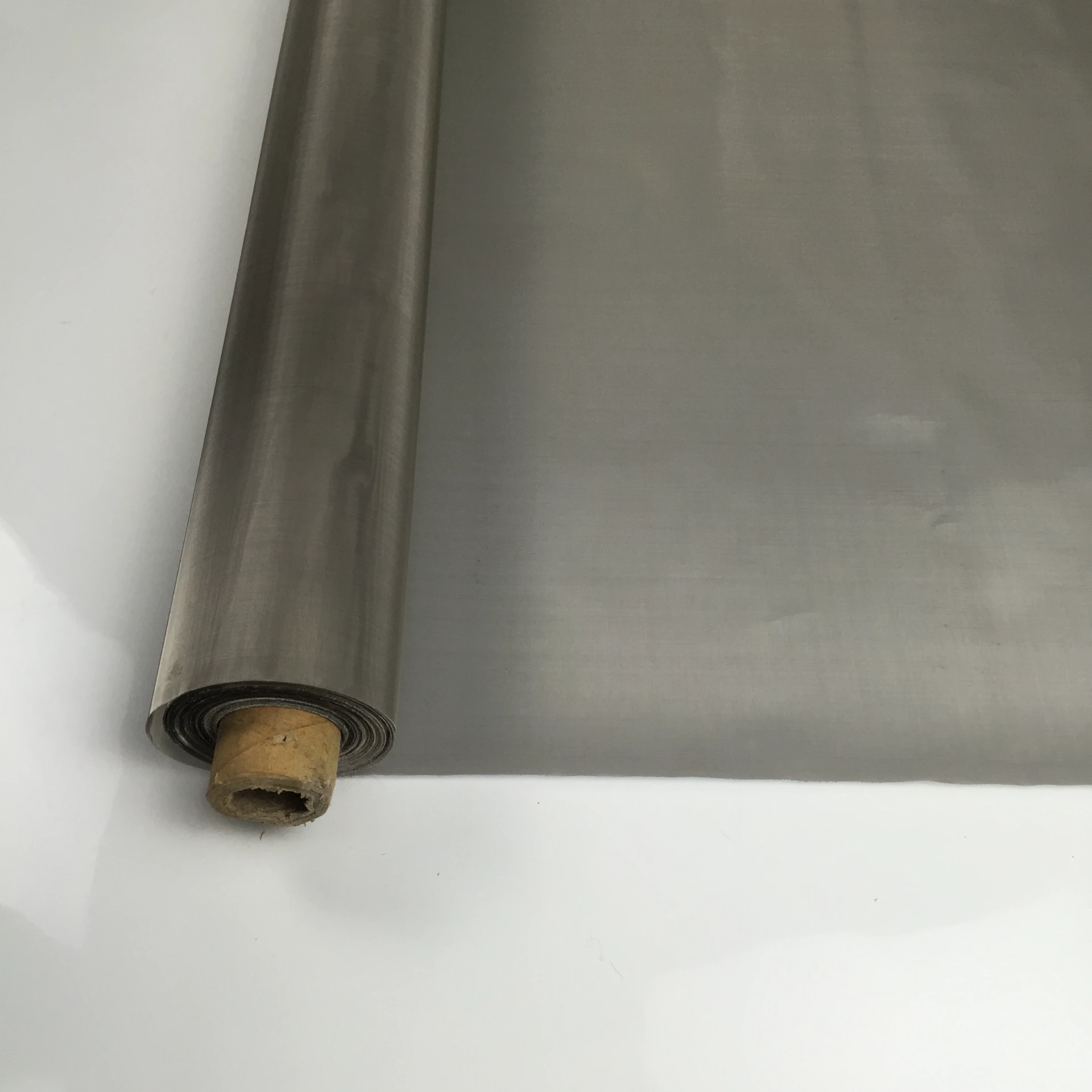
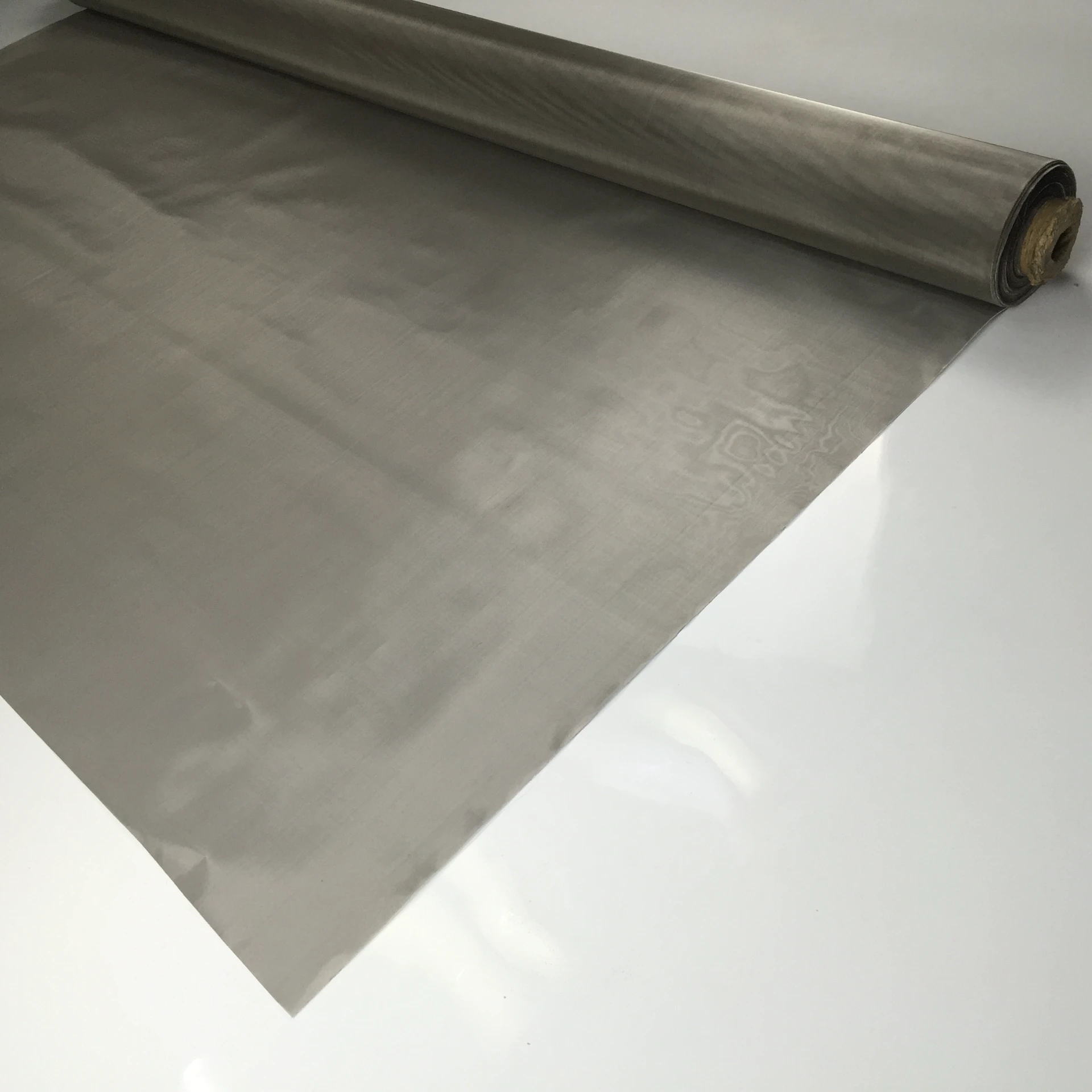
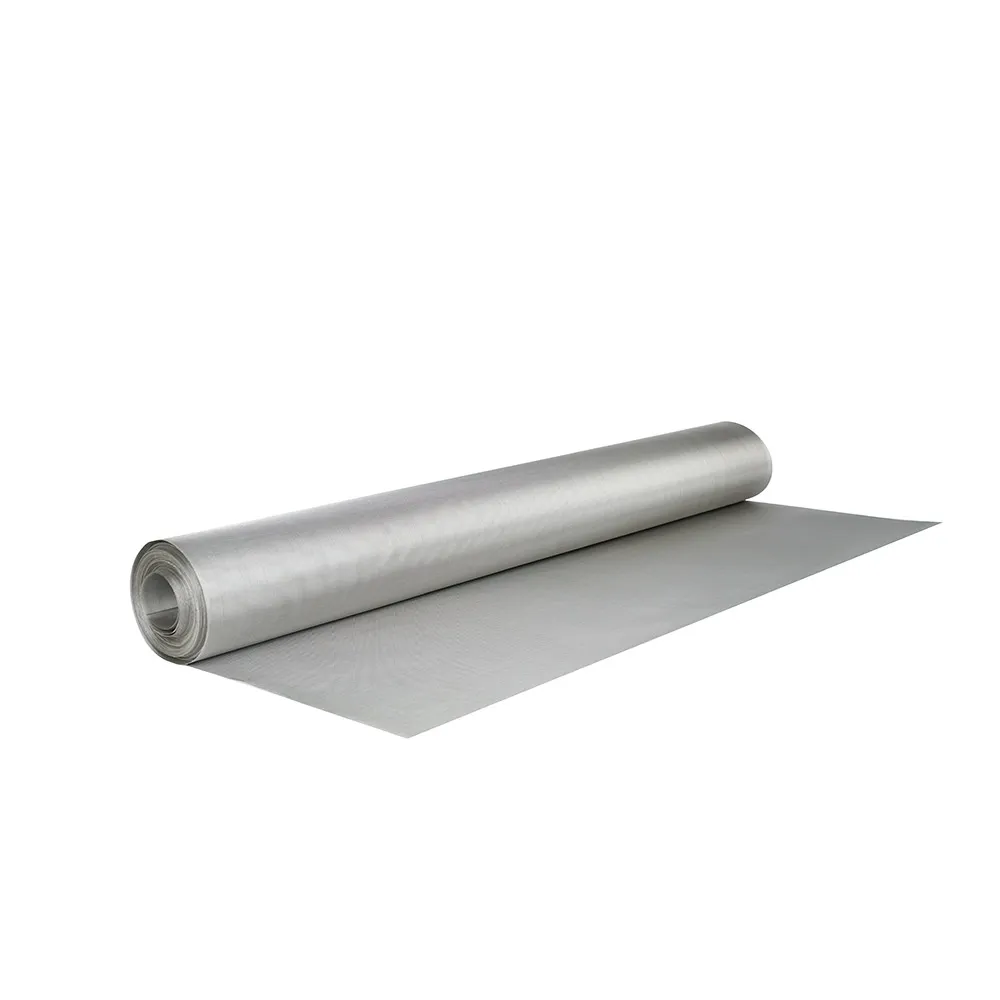
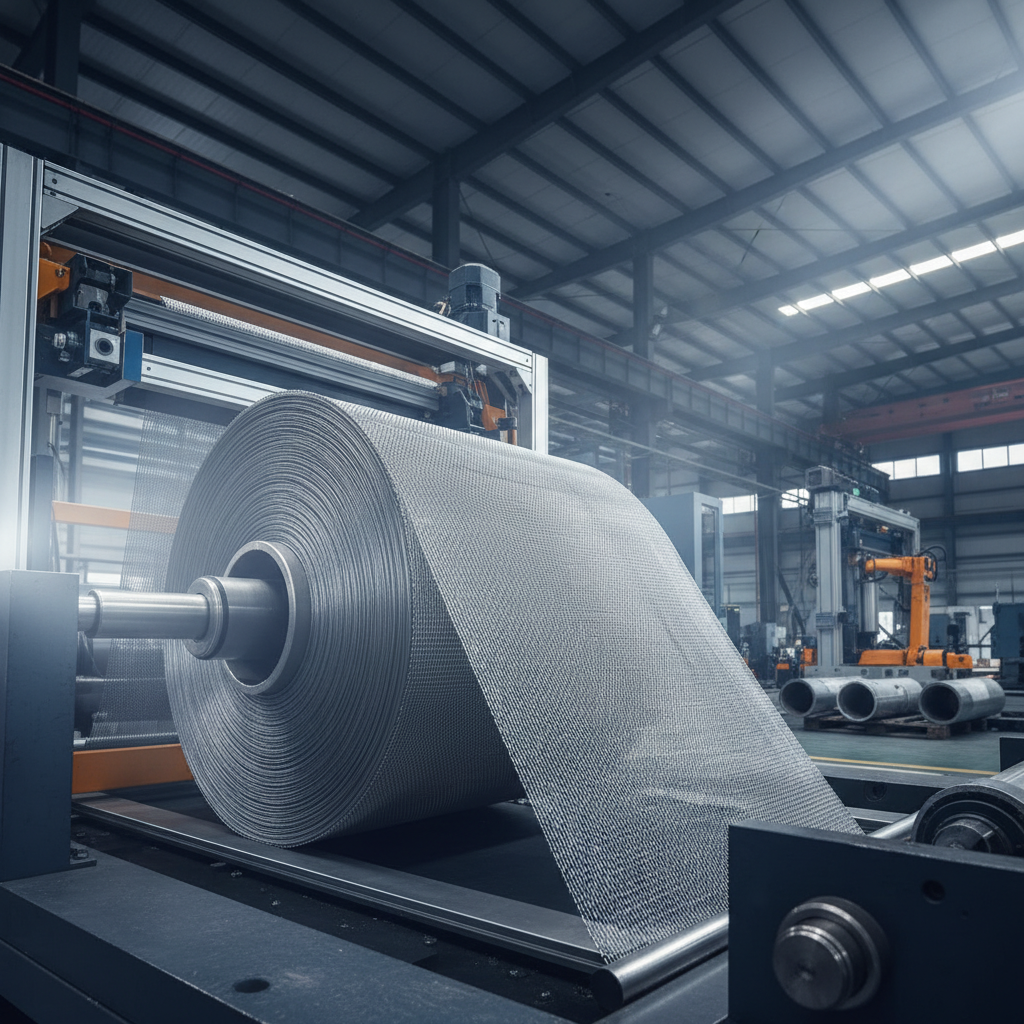
SS316 mesh wire is a highly versatile and corrosion-resistant material used in a wide array of industrial and commercial applications. Renowned for its superior strength and durability, it's a crucial component in filtration, screening, security, and architectural projects. This article delves into the key properties of SS316 mesh wire, explores its diverse applications, and highlights the benefits of choosing this material for your specific needs. Stainless Metal Mesh specializes in providing high-quality SS316 mesh wire tailored to meet exacting industry standards.
What is SS316 Stainless Steel?
SS316 is an austenitic stainless steel alloy containing molybdenum. This molybdenum addition significantly enhances its corrosion resistance, particularly against chlorides and other halides. This makes SS316 ideal for marine environments, chemical processing plants, and applications involving saltwater exposure. Compared to other stainless steel grades, SS316 offers superior strength at elevated temperatures and improved resistance to pitting and crevice corrosion. The addition of molybdenum creates a more stable passive layer, protecting the underlying metal from degradation.
Key Highlight: SS316's molybdenum content provides exceptional corrosion resistance in harsh environments, extending its lifespan and reducing maintenance costs.
SS316 Mesh Wire: Key Properties
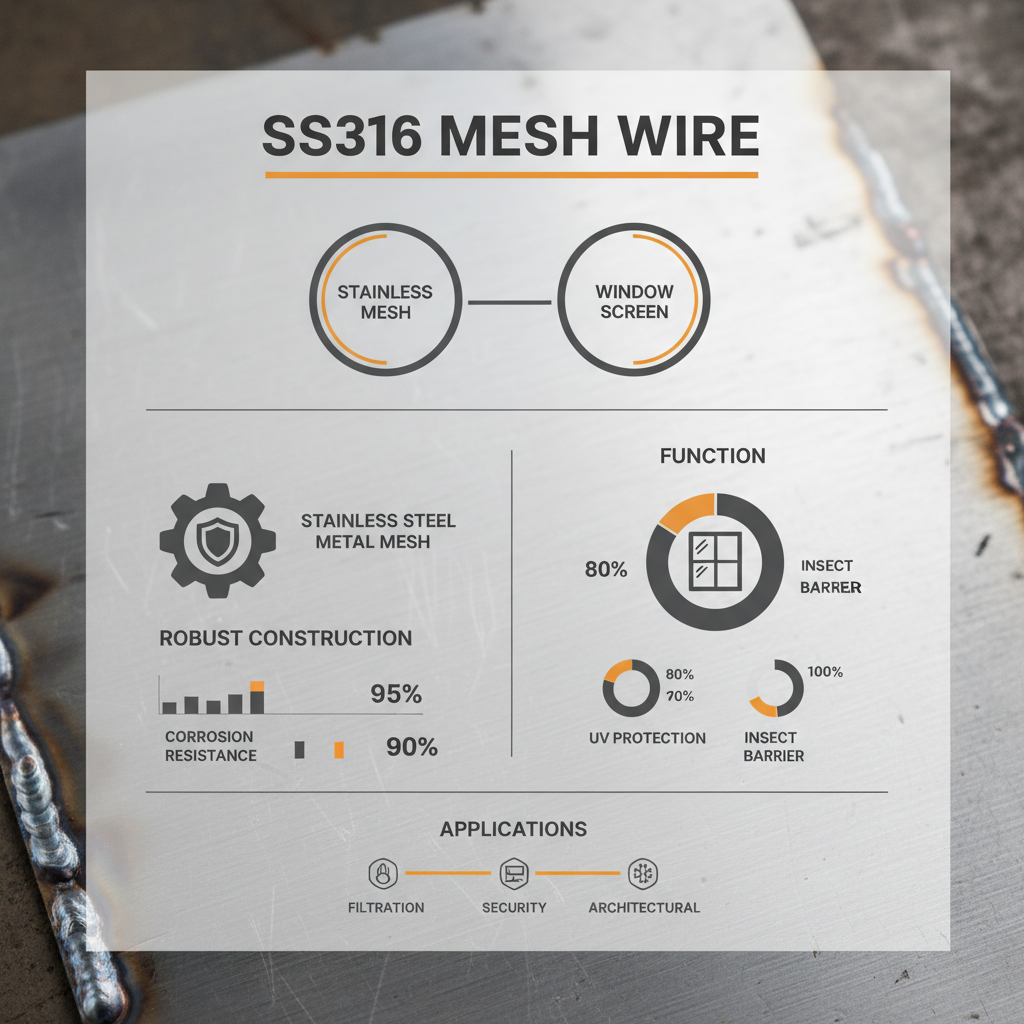
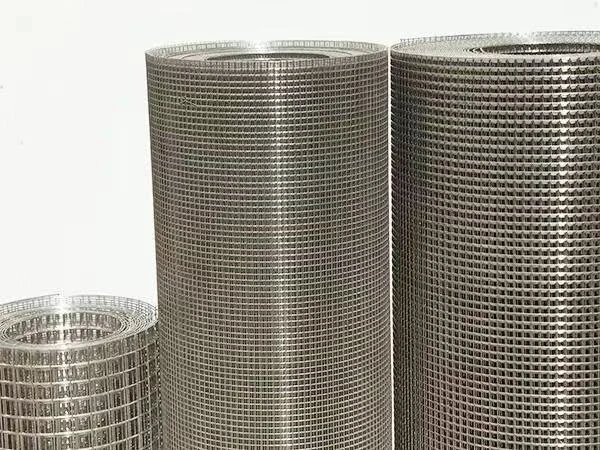
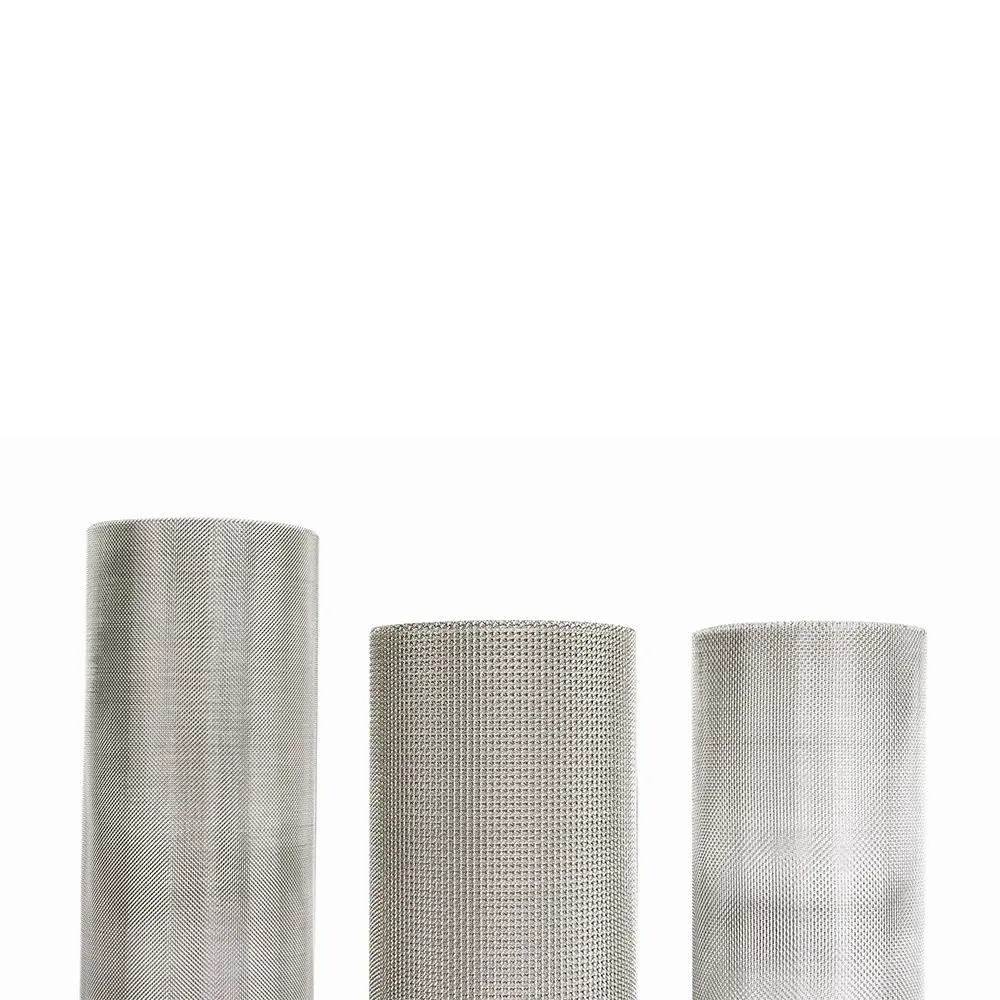
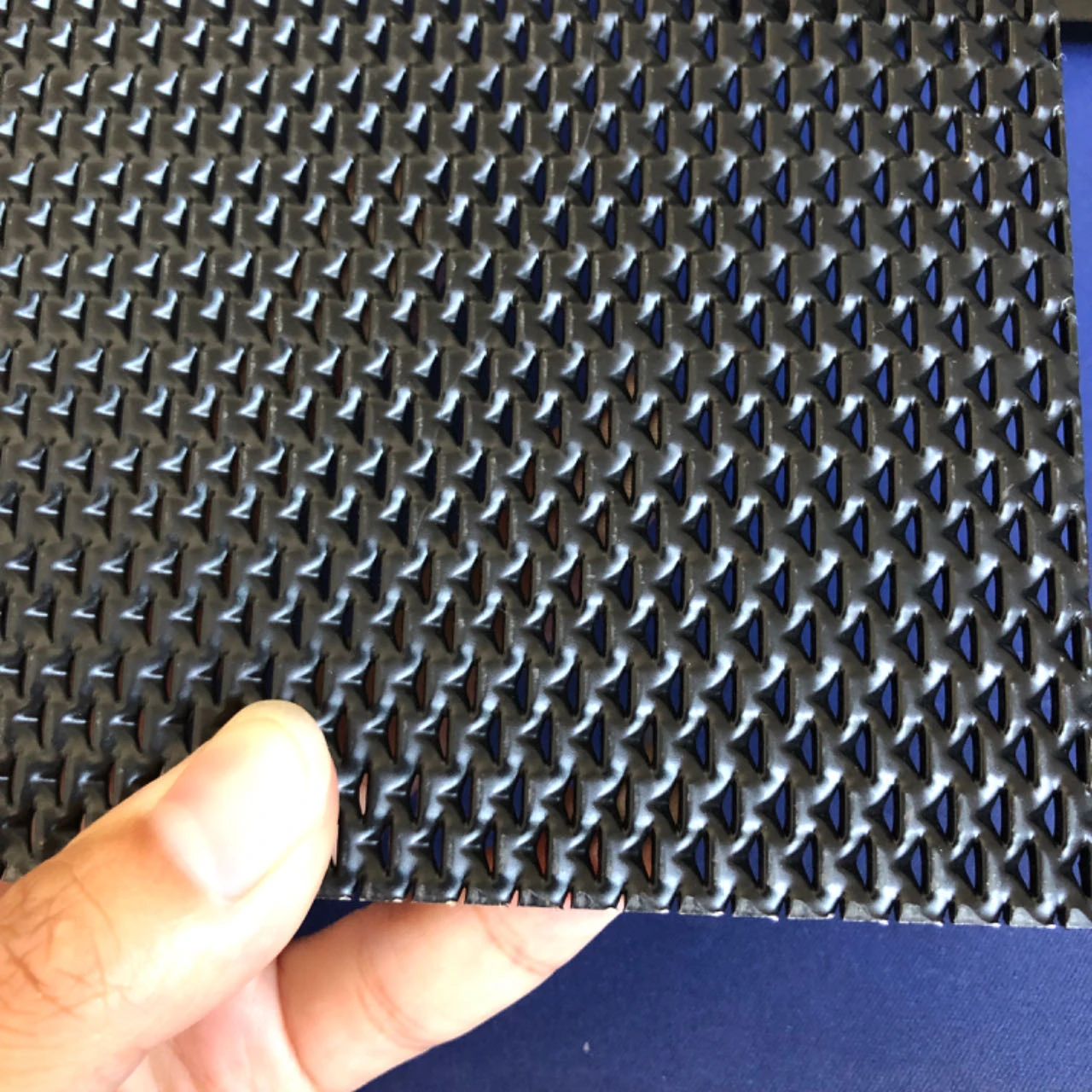
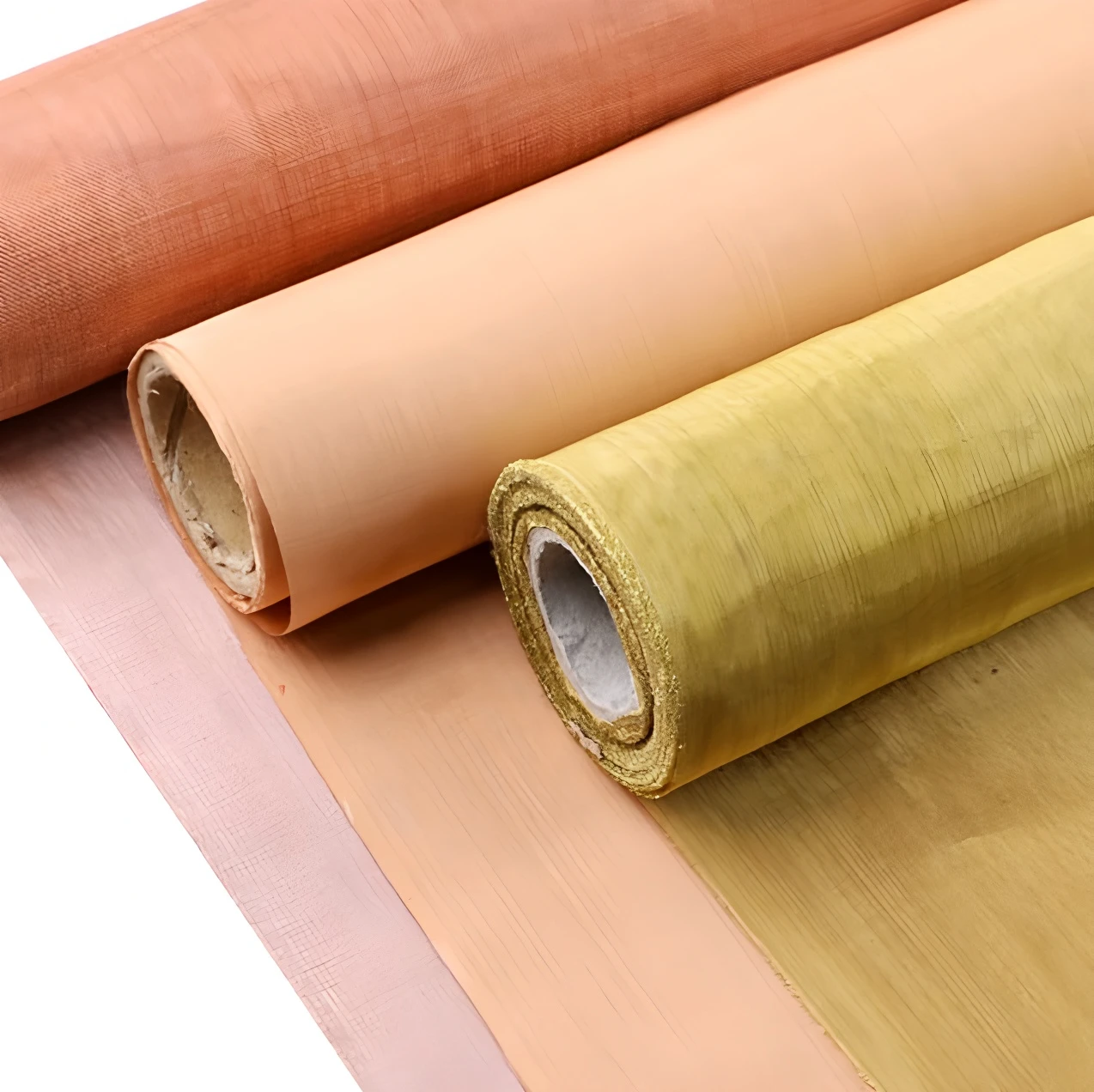
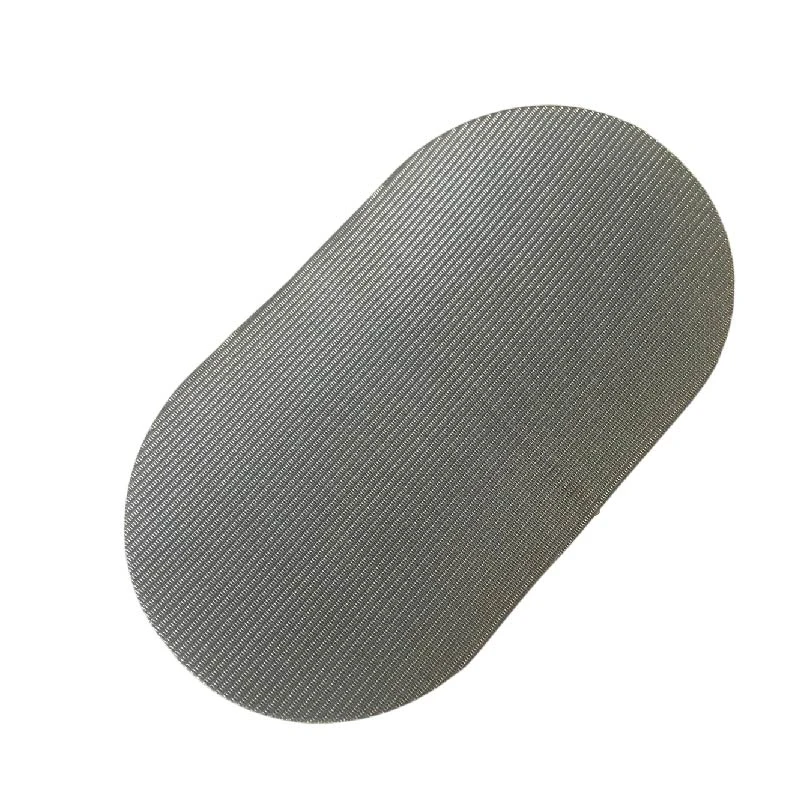
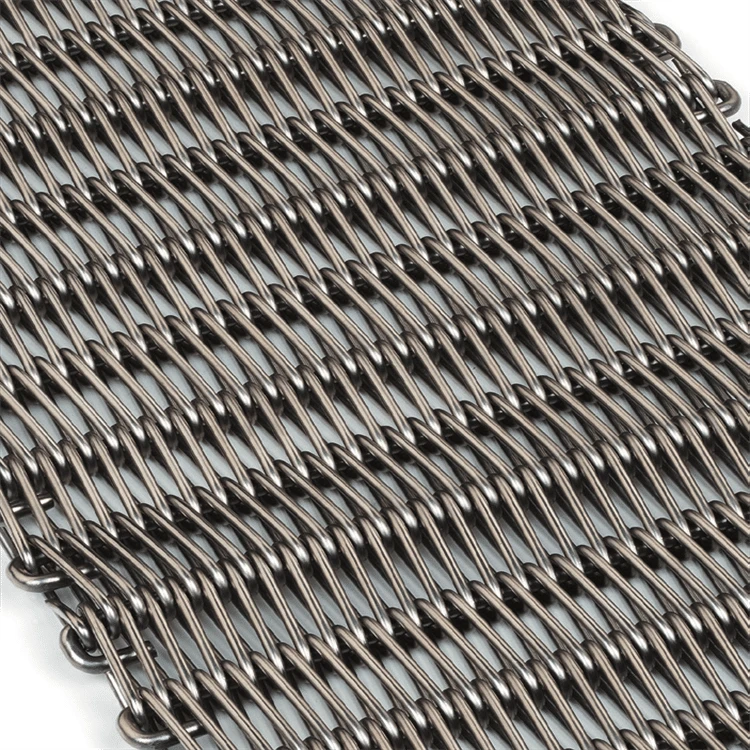
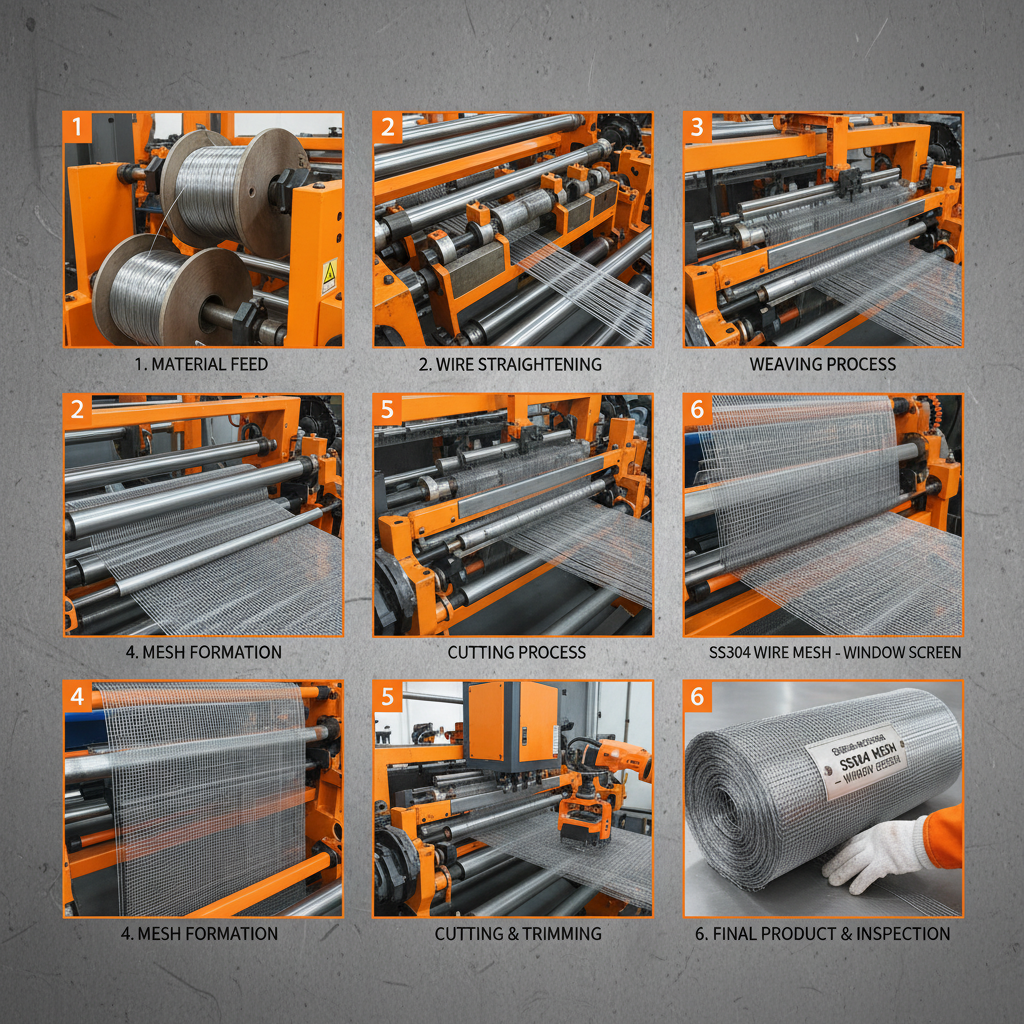
SS316 mesh wire boasts a compelling combination of properties that make it a preferred choice for various applications. These include exceptional corrosion resistance, high tensile strength, excellent formability, and durability. The mesh can be woven into various patterns – plain weave, twill weave, dutch weave, reverse dutch weave – to achieve specific filtration or screening characteristics. The wire diameter and aperture size can be customized to meet precise requirements. Understanding these properties is crucial for selecting the right mesh for your project.
Key Properties:
• Exceptional Corrosion Resistance
• High Tensile Strength
• Excellent Formability
• Durability and Long Lifespan
SS316 Mesh Wire Applications
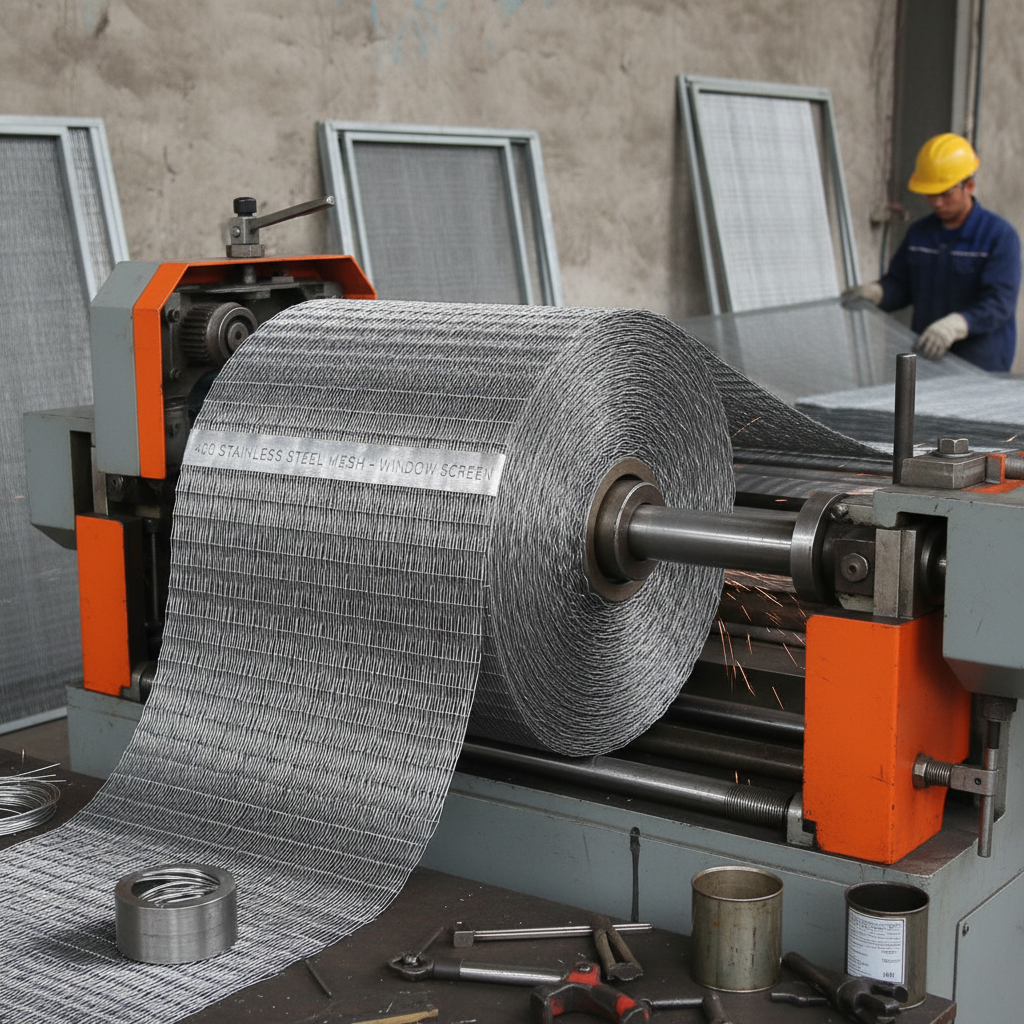
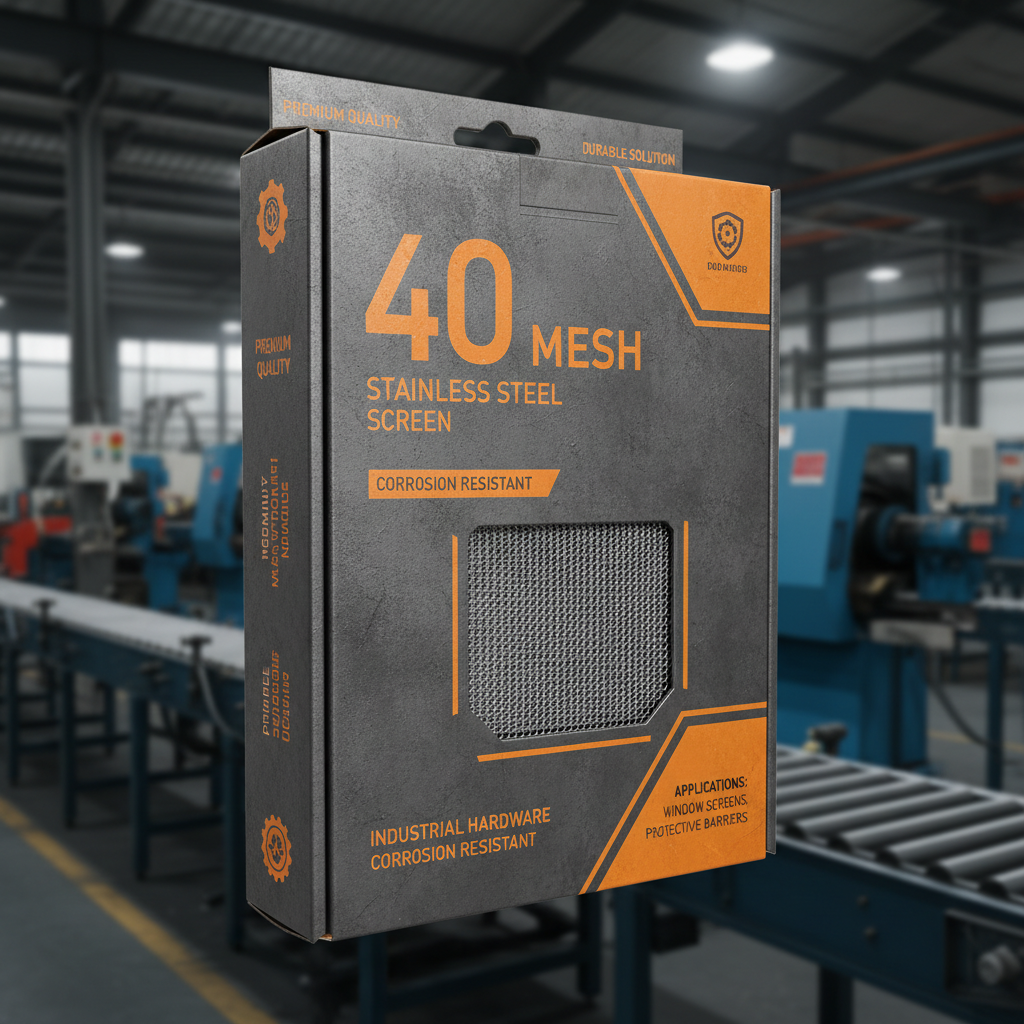
The versatility of SS316 mesh wire extends to a wide range of industries and applications. It's commonly used in filtration systems for chemicals, pharmaceuticals, and food processing. In the marine industry, it's used for ship hulls, railings, and underwater screens. Architectural applications include facade cladding, safety screens, and decorative elements. Other applications encompass sieving and screening in aggregate processing, insect screening, and security fencing.
SS316 Mesh Wire vs. Other Materials: A Comparison
While various materials can be used for filtration and screening, SS316 mesh wire consistently outperforms alternatives in terms of durability and corrosion resistance. Compared to carbon steel, SS316 resists rust and degradation significantly better. Compared to aluminum, SS316 offers superior strength and can withstand higher temperatures. While some plastic meshes are cost-effective, they lack the strength and longevity of SS316. Contact us at Stainless Metal Mesh for a personalized assessment of your material needs.
Choosing the Right SS316 Mesh Wire for Your Application
Selecting the correct SS316 mesh wire requires careful consideration of several factors. The aperture size (mesh opening) dictates the particle size that can pass through the mesh. The wire diameter influences the mesh's strength and durability. The weave pattern affects the flow rate and filtration efficiency. Consider the operating temperature, the type of fluid or material being filtered, and the required lifespan of the mesh. Stainless Metal Mesh offers expert guidance to help you select the optimal mesh for your application.
Conclusion: SS316 Mesh Wire – A Reliable and Durable Solution
SS316 mesh wire represents a superior solution for a multitude of filtration, screening, and security applications. Its exceptional corrosion resistance, strength, and durability make it a cost-effective and reliable choice for demanding environments. Investing in high-quality SS316 mesh wire from Stainless Metal Mesh ensures long-term performance and peace of mind.
Frequently Asked Questions (FAQs)
What is the typical lifespan of SS316 mesh wire?
The lifespan of SS316 mesh wire is significantly longer than that of carbon steel or aluminum mesh, often lasting for decades with proper maintenance. However, it can be affected by the severity of the operating environment, including exposure to corrosive chemicals or extreme temperatures. Regular inspection for signs of wear, such as broken wires or corrosion, is recommended. With proper care, SS316 mesh wire can provide reliable performance for many years, reducing the need for frequent replacements.
Can SS316 mesh wire be welded?
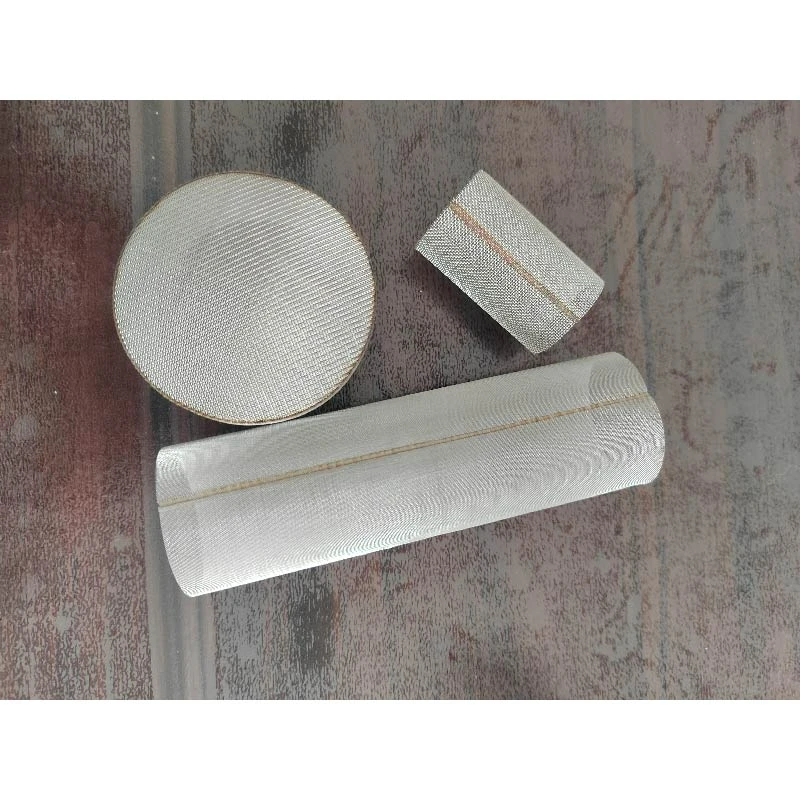
Yes, SS316 mesh wire can be welded, but it requires specialized welding techniques due to its austenitic structure. Techniques such as TIG (Tungsten Inert Gas) welding are commonly used to maintain the corrosion resistance and integrity of the weld. It’s crucial to use appropriate filler metals and welding parameters to avoid compromising the material’s properties. Improper welding can lead to localized corrosion or weakening of the mesh.
What are the different weave patterns available for SS316 mesh wire?
Several weave patterns are available, each offering unique characteristics. Plain weave is the most common and provides good strength and stability. Twill weave offers a higher thread count and finer filtration. Dutch weave has larger openings in the warp direction and smaller openings in the weft direction, ideal for efficient filtration of liquids. Reverse Dutch weave is the opposite of Dutch weave. The optimal weave pattern depends on the specific application requirements and desired filtration properties. Explore our range of weave patterns at Stainless Metal Mesh.
Is SS316 mesh wire suitable for food processing applications?
Yes, SS316 mesh wire is widely used in food processing applications due to its excellent corrosion resistance, hygienic properties, and ability to withstand frequent cleaning and sterilization. It's non-toxic and doesn't impart any taste or odor to the food products. It's often used in filtration, straining, and conveying systems. Ensure the mesh meets relevant food safety standards and regulations for your specific application.
-
-
-
-

-
-
-
-
-
-
-
-
-
-
-
-