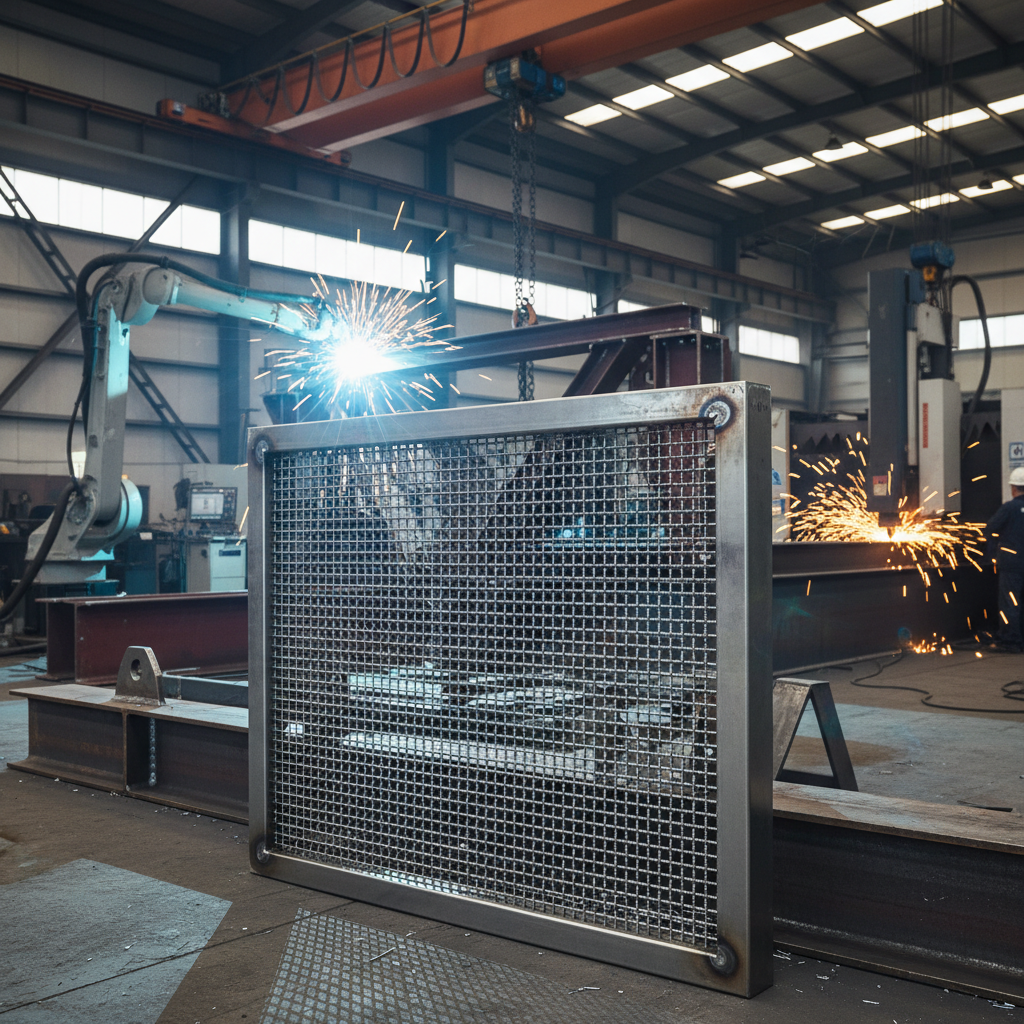
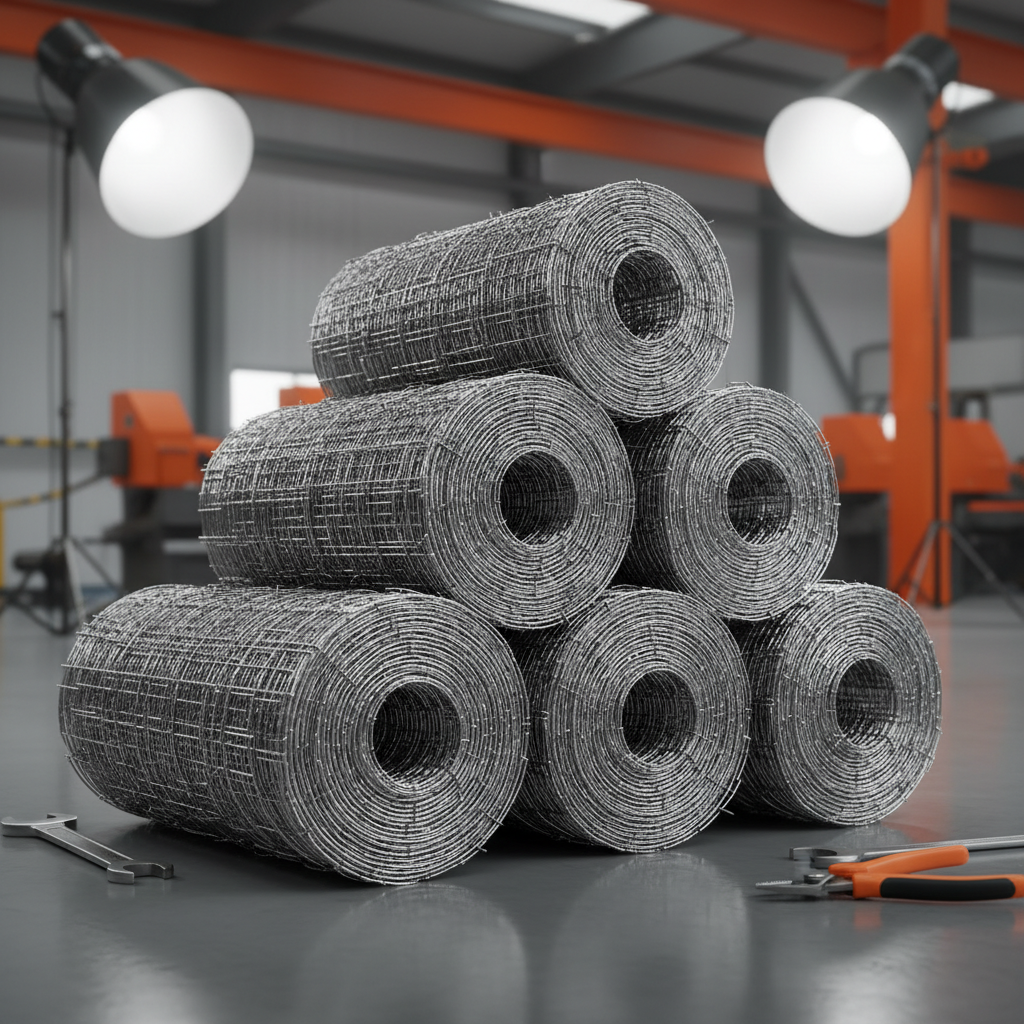
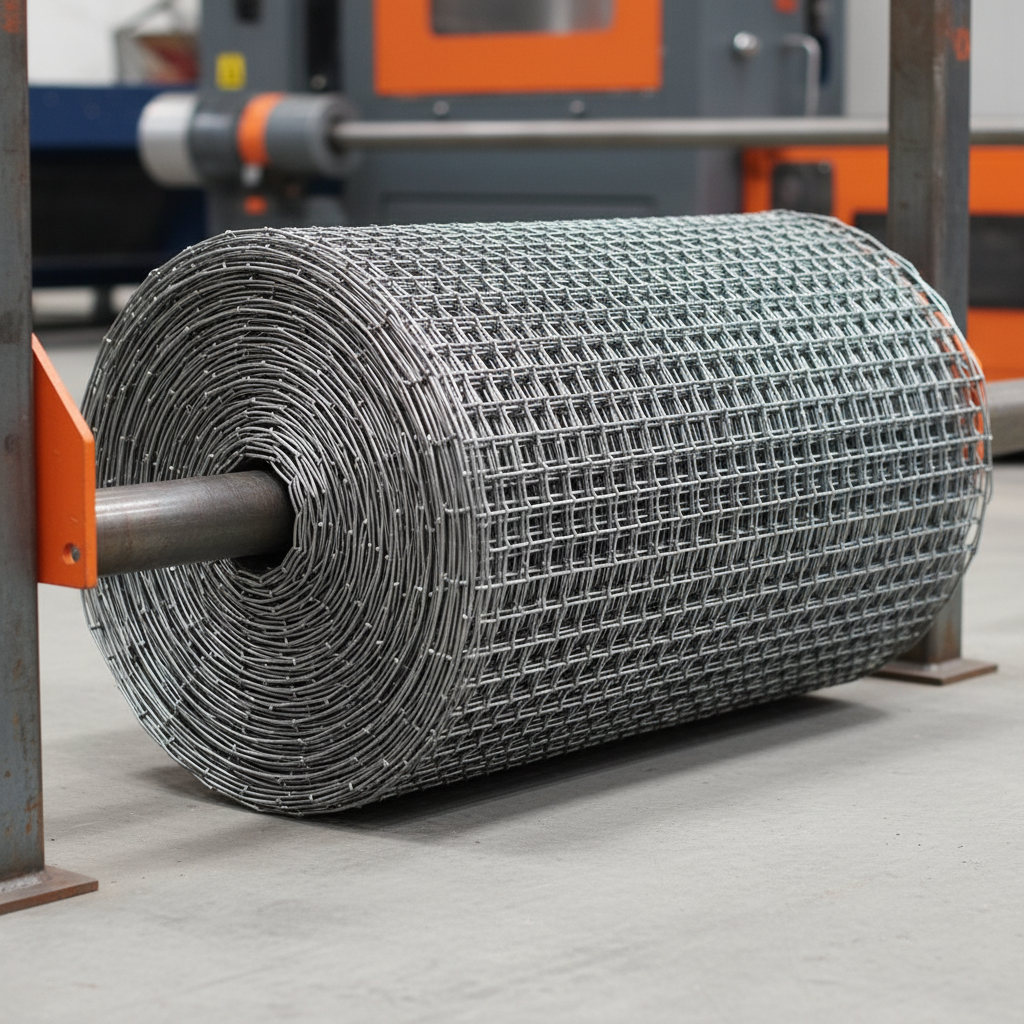
In the demanding landscape of industrial filtration and security, screen stainless steel mesh stands as a cornerstone of material science, offering an unparalleled balance of permeability and structural integrity. Whether it is used in high-precision chemical processing or as a high-security barrier in architectural design, this specialized material ensures that essential airflow and visibility are maintained without compromising on strength or safety.
Globally, the demand for high-performance screening solutions has surged as industries move toward more sustainable and durable infrastructure. The ability of a quality screen stainless steel mesh to withstand extreme temperatures, corrosive environments, and physical impact makes it an indispensable asset for engineers and facility managers worldwide who cannot afford frequent replacements or system failures.
Understanding the nuances of weave types, alloy grades, and mesh counts is critical for optimizing operational efficiency. By selecting the right configuration of screen stainless steel mesh, businesses can significantly reduce downtime, enhance worker safety, and meet stringent international ISO standards for filtration and security, ultimately driving long-term value in their industrial assets.
Global Relevance and Industry Context of Screen Stainless Steel Mesh
The global industrial landscape is currently witnessing a paradigm shift toward materials that offer higher longevity and lower maintenance. Screen stainless steel mesh has become central to this evolution, particularly in regions with aggressive industrialization such as East Asia and North America. According to international manufacturing trends and ISO quality benchmarks, the transition from galvanized or plastic meshes to high-grade stainless steel has reduced material waste by nearly 30% in heavy-duty filtration sectors.
The primary challenge facing modern factories is the degradation of screens due to oxidation and chemical corrosion. A high-quality screen stainless steel mesh solves this by utilizing chromium-nickel alloys that create a self-healing oxide layer. This ensures that critical infrastructure, from pharmaceutical filters to security screens, remains operational in the harshest environments without the risk of structural collapse.
Defining the Technical Specifications of Screen Stainless Steel Mesh
At its most basic level, screen stainless steel mesh is a precision-engineered fabric woven from stainless steel wires. Unlike standard wire cloth, "screen" mesh often implies a specific focus on aperture uniformity and surface smoothness, making it ideal for applications where a precise micron rating is required to separate particles or prevent the entry of pests and debris.
The connection between this material and modern industry is deeply rooted in the need for contamination control. In the food and beverage industry, for instance, the non-reactive nature of stainless steel ensures that the mesh does not leach chemicals into the product, fulfilling strict FDA and EFSA requirements. This makes the mesh not just a physical barrier, but a critical component of quality assurance.
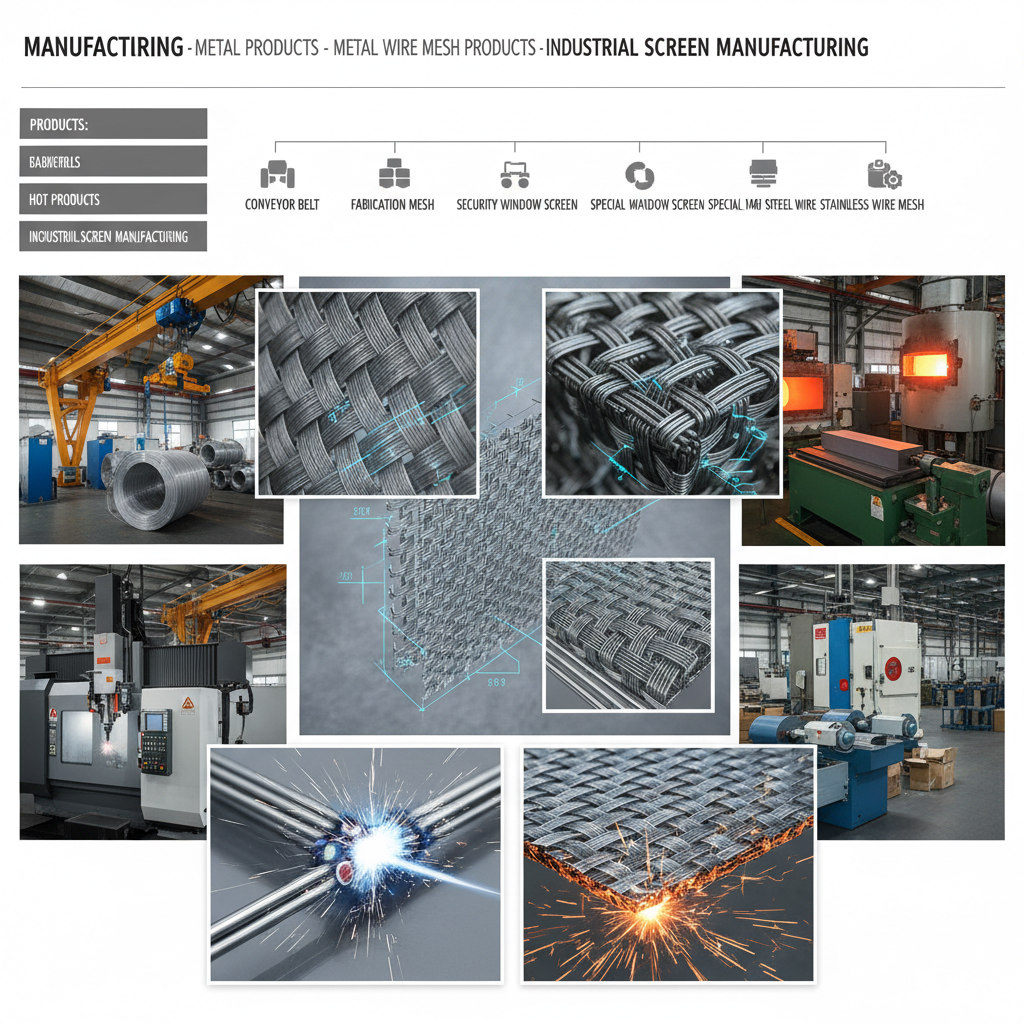
Furthermore, the versatility of screen stainless steel mesh allows it to be customized through various grades, such as 304 for general purpose and 316L for marine or highly acidic environments. This scalability ensures that whether a project requires a lightweight security screen for a residential window or a heavy-duty fabrication mesh for a conveyor system, there is a specific technical configuration available to meet the demand.
Key Performance Factors for Industrial Screening
Durability is the foremost factor when evaluating screen stainless steel mesh. The tensile strength of the wire and the stability of the weave prevent sagging and deformation under heavy loads, which is vital for fabrication mesh used in industrial sifting.
Corrosion resistance is another critical pillar. By integrating molybdenum in grades like 316, the screen stainless steel mesh can resist pitting and crevice corrosion, allowing it to function in salt-spray environments or chemical processing plants where other metals would fail within weeks.
Finally, precision and scalability define the commercial value of the mesh. The ability to maintain a consistent open area ensures predictable flow rates in filtration, while the flexibility of the material allows it to be integrated into complex shapes, such as cylindrical filters or custom security window screens.
Comparative Efficiency of Mesh Weave Methods
Different weaving techniques significantly alter the performance characteristics of screen stainless steel mesh. For example, a plain weave offers the highest stability and is commonly used in security screens, whereas a twilled weave allows for a higher wire diameter while maintaining a small aperture, increasing the overall durability of the filter.
Choosing the correct weave is not merely a technical preference but a cost-efficiency strategy. A mesh that is too dense may cause frequent clogging, increasing maintenance costs, while one that is too open may fail to meet filtration standards. The following data illustrates the performance ratings of various common mesh configurations.
Performance Rating of Screen Stainless Steel Mesh Types
Global Applications and Use Cases
The versatility of screen stainless steel mesh allows it to transcend industries. In the aerospace sector, it is used for electromagnetic interference (EMI) shielding and fuel filtration, where failure is not an option. In urban development, high-tensile stainless steel security screens are installed in high-risk zones to prevent break-ins while allowing natural ventilation, combining safety with architectural aesthetics.
Beyond high-tech applications, this mesh is vital in humanitarian and agricultural contexts. In remote industrial zones or post-disaster relief operations, stainless steel mesh is used to create temporary water filtration systems and pest-proof grain storage. This prevents the spread of waterborne diseases and protects food security in regions where permanent infrastructure has been destroyed.
Long-Term Value and Sustainability Benefits
Investing in premium screen stainless steel mesh offers significant logical and emotional value. Logically, the extended lifecycle of stainless steel compared to aluminum or plastic reduces the total cost of ownership (TCO). The reduction in replacement frequency means fewer resources are consumed and less industrial waste is sent to landfills, aligning with global ESG (Environmental, Social, and Governance) goals.
From an emotional and safety perspective, the reliability of these screens provides peace of mind. For a plant manager, knowing that a filter will not rupture under pressure prevents catastrophic failures and protects worker dignity by ensuring a safe working environment. The trust instilled by using ISO-certified materials is a tangible asset in any business relationship.
Furthermore, the recyclability of stainless steel adds a layer of sustainability. At the end of its long operational life, a screen stainless steel mesh component can be melted down and repurposed without losing its intrinsic properties, creating a circular economy within the metal fabrication industry.
Future Trends and Innovations in Mesh Technology
The future of screen stainless steel mesh is being shaped by digital transformation and advanced metallurgy. We are seeing the rise of "smart meshes" integrated with sensors that can detect pressure drops or corrosion levels in real-time, allowing for predictive maintenance rather than reactive repairs. This integration of IoT (Internet of Things) is transforming a passive barrier into an active monitoring tool.
Sustainability is also driving the development of new alloy compositions that offer even higher strength-to-weight ratios, reducing the carbon footprint associated with transporting heavy metal components. Additionally, automated laser-cutting and welding technologies are allowing for the creation of complex, three-dimensional mesh structures that were previously impossible to manufacture.
As the world moves toward green energy, stainless steel mesh is finding new roles in hydrogen fuel cells and carbon capture systems. These cutting-edge applications require extreme precision and chemical stability, ensuring that the industrial screen remains at the forefront of technological progress.
Comparative Analysis of Screen Stainless Steel Mesh Material Grades
| Material Grade |
Corrosion Resistance |
Tensile Strength |
Typical Application |
| SS 304 |
Moderate |
High |
General Industrial Screens |
| SS 316 |
Very High |
High |
Marine/Chemical Processing |
| SS 316L |
Extreme |
Moderate-High |
Pharmaceutical Filtration |
| SS 430 |
Low-Moderate |
Very High |
Architectural Trim/Screens |
| Duplex 2205 |
Extreme |
Extreme |
Oil & Gas Extraction |
| Hastelloy |
Ultra High |
High |
Severe Acidic Environments |
FAQS
The primary difference lies in the composition; SS 316 contains molybdenum, which significantly enhances its resistance to chlorides and corrosive chemicals. While SS 304 is excellent for general use and cost-effective, SS 316 is required for marine environments or chemical plants to prevent pitting and ensure long-term structural integrity.
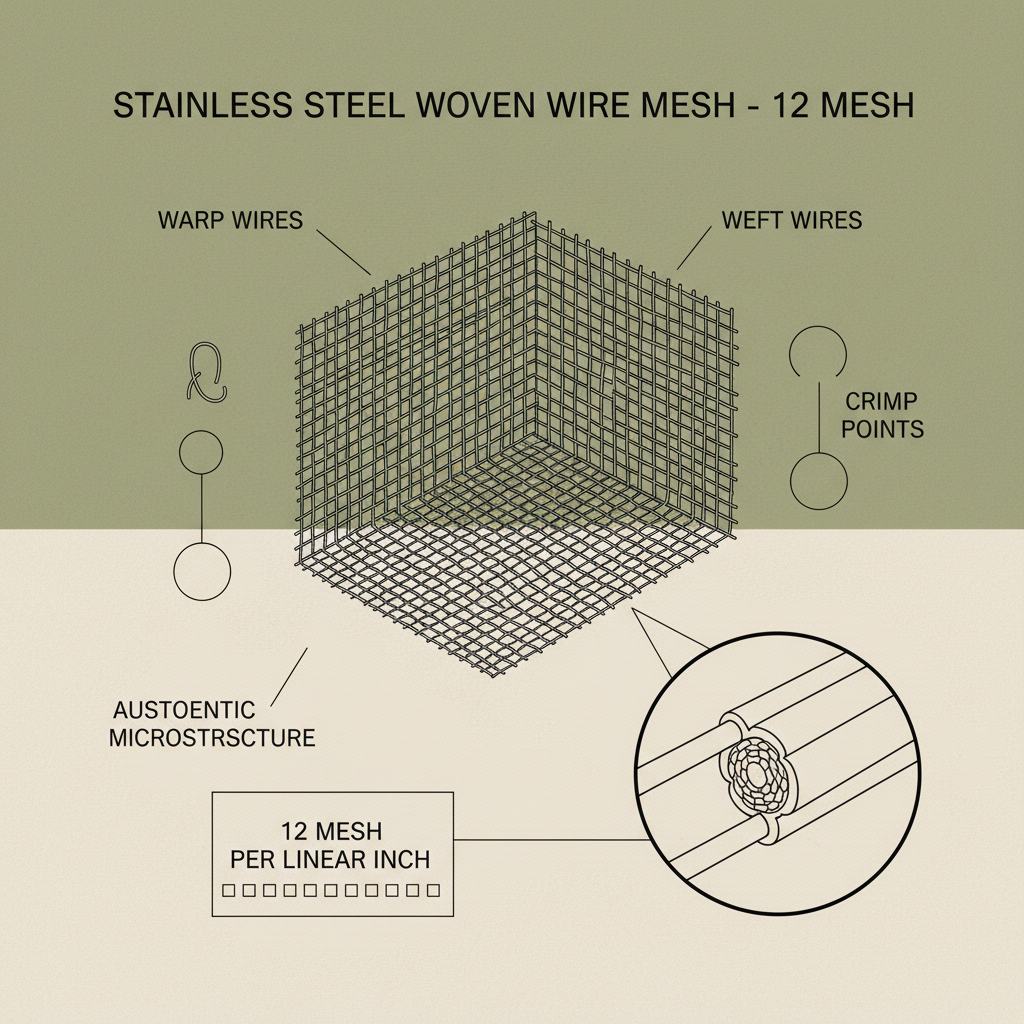
Mesh count refers to the number of openings per linear inch. For coarse filtration, a lower mesh count (e.g., 10-40) is ideal. For fine particulate separation or high-security screening, a higher mesh count (e.g., 100-400) is necessary. You should balance the aperture size with the required flow rate to avoid excessive pressure drops.
Yes, specifically high-tensile woven stainless steel. These screens are engineered to be impact-resistant and knife-proof, providing a level of security comparable to bars while remaining virtually invisible. They are a popular choice for homeowners and commercial buildings looking to combine safety with natural ventilation.
Lifespan varies by environment. In a standard industrial setting, a quality 304 mesh can last 5-10 years. In highly corrosive environments, 316L or Duplex grades may last significantly longer if maintained properly. Regular cleaning and inspection for "blinding" or holes can further extend the service life.
Absolutely. Stainless steel is 100% recyclable. Because of its extreme durability, it reduces the need for frequent replacements, thereby lowering the overall carbon footprint associated with manufacturing and shipping. It is a sustainable alternative to plastic or treated aluminum screens.
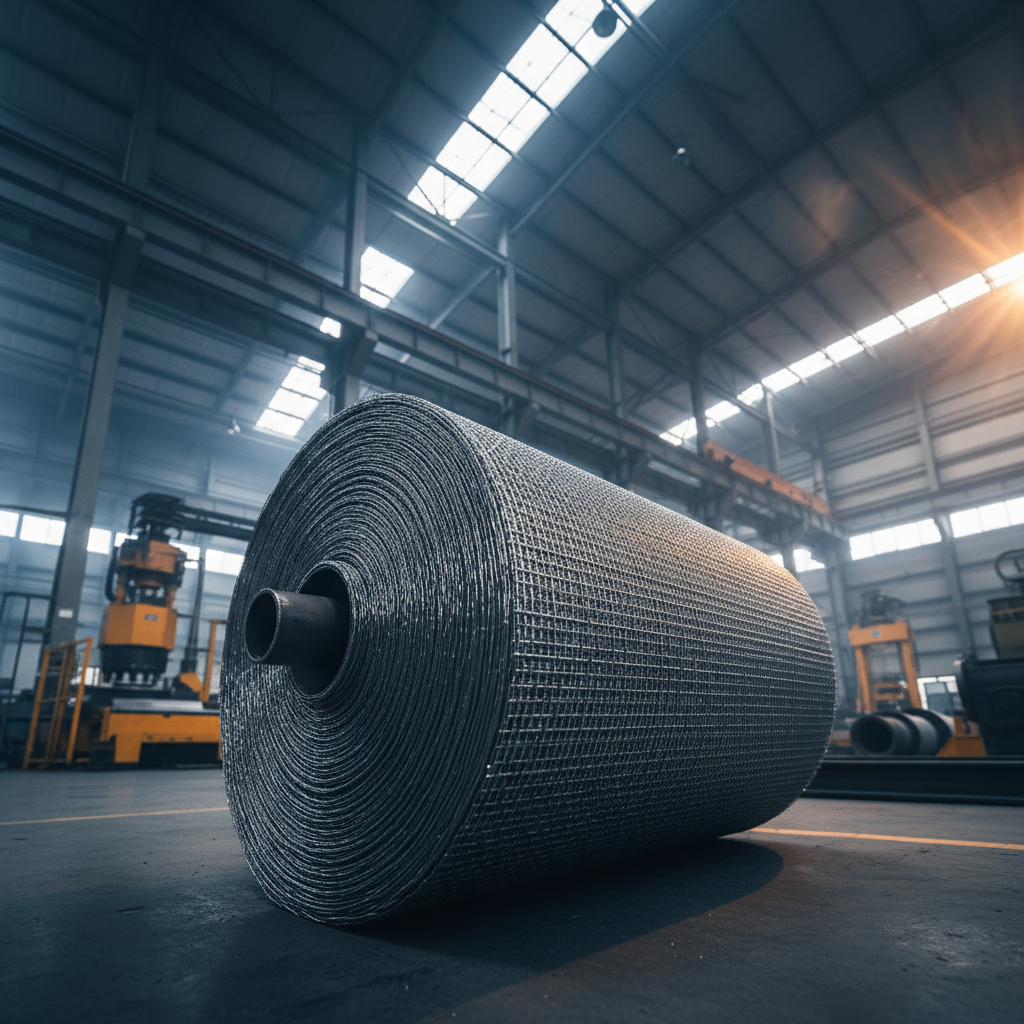
Yes, most professional manufacturers offer custom fabrication. This includes specific width/length cuts, reinforced edges (hemmed or welded), and custom alloy blends. Whether you need a precise disc for a filter or large rolls for a conveyor belt, the material is highly adaptable to custom specifications.
Conclusion
In summary, screen stainless steel mesh is far more than a simple wire grid; it is a sophisticated engineering solution that ensures efficiency, safety, and durability across a multitude of global industries. By integrating the right alloy grades and weave patterns, organizations can achieve precise filtration, robust security, and long-term operational stability, all while adhering to sustainable manufacturing practices.
As we look toward a future of smart manufacturing and green energy, the role of high-performance mesh will only expand. We recommend that engineers and procurement specialists prioritize material grade certification and precision weaving to maximize their return on investment. For those seeking the highest standards in industrial screening solutions, we invite you to explore our professional range. Visit our website: www.stainlessmetalmesh.com