In the demanding landscape of modern industrial manufacturing, the selection of materials determines the longevity and efficiency of critical infrastructure. stainless steel wire and mesh have emerged as indispensable components due to their unparalleled combination of strength, corrosion resistance, and versatility. From high-precision filtration in pharmaceutical labs to heavy-duty conveyor systems in mining, these materials provide the structural integrity required to withstand extreme environments.
The global demand for high-quality mesh solutions is driven by the need for tighter tolerances and higher safety standards. As industries shift toward automation and sustainable production, the role of specialized stainless steel wire and mesh becomes even more critical, ensuring that filtration and separation processes remain contamination-free and mechanically sound. Understanding the nuances of grade selection and weave patterns is no longer just a technical requirement but a strategic business advantage.
Whether it is enhancing the security of architectural spaces or optimizing the flow of materials in a chemical plant, the application of advanced metallurgy in wire products ensures long-term operational stability. By integrating superior material science with precise fabrication, industries can significantly reduce downtime and maintenance costs, making the investment in premium stainless steel solutions a cornerstone of industrial growth and reliability.
The Industrial Significance of Stainless Steel Wire and Mesh
The global industrial landscape relies heavily on the structural reliability of stainless steel wire and mesh to maintain safety and hygiene standards. According to ISO standards for metallic materials, the ability of stainless steel to resist oxidation makes it the primary choice for environments where moisture, chemicals, or high temperatures are present. This reliability prevents catastrophic failures in filtration systems and security barriers, ensuring that production lines remain operational without frequent interruptions.
Beyond simple utility, these materials represent a fusion of metallurgy and engineering. By adjusting the wire diameter and the aperture size, manufacturers can create everything from ultra-fine filters used in laboratory settings to heavy-duty fabrication mesh used in construction. This adaptability ensures that regardless of the scale of the operation, there is a specific configuration of stainless steel wire that can meet the exact pressure and load requirements of the project.
Core Technical Components and Material Grades
When selecting stainless steel wire and mesh, the material grade is the most critical technical component. Grade 304 is the industry standard for general-purpose applications, offering excellent corrosion resistance and formability. However, for more aggressive environments—such as marine settings or chemical processing plants—Grade 316 is preferred due to its added molybdenum content, which significantly enhances resistance to chlorides and pitting.
The fabrication process also involves critical decisions regarding the weave type. Plain weave, the most common, provides a stable and uniform structure suitable for basic screening. In contrast, Twill weave offers a denser weave with a characteristic diagonal rib, which is ideal for high-precision filtration where a higher percentage of open area is required without sacrificing the thickness and strength of the mesh.
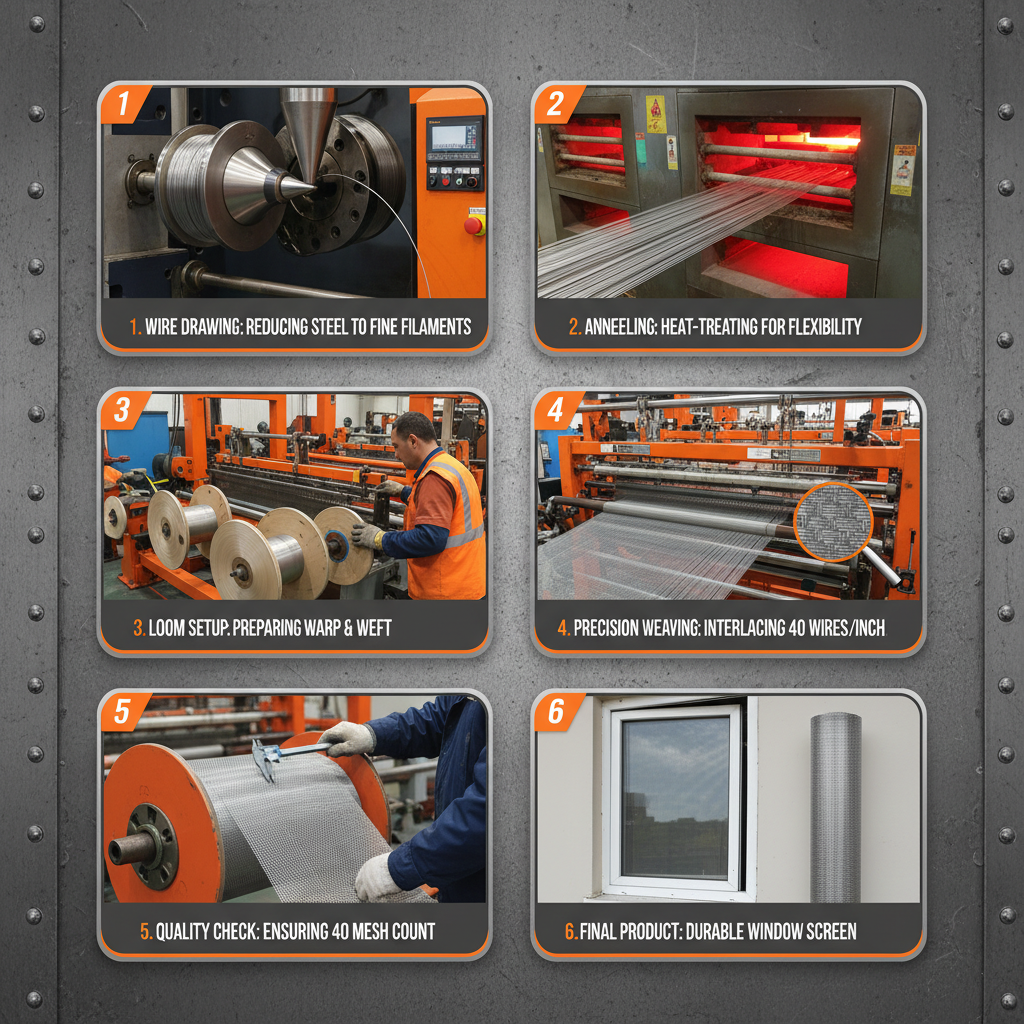
Furthermore, the tensioning and finishing processes play a vital role in the final performance. Proper annealing ensures that the wire remains ductile enough for shaping while maintaining its tensile strength. For high-end applications, electropolishing is often employed to remove surface impurities, creating a mirror-like finish that prevents particulates from adhering to the mesh, thereby improving the hygiene and lifespan of the product.
Essential Factors for Durability and Performance
Durability in stainless steel wire and mesh is primarily governed by the alloy composition and the precision of the weld or weave. In industrial settings, the ability of the mesh to withstand repetitive mechanical stress without deformation is paramount. This is achieved through strict quality control of the wire's tensile strength and consistency in diameter.
Chemical stability is another non-negotiable factor. Because stainless steel forms a passive layer of chromium oxide, stainless steel wire and mesh can operate in acidic or alkaline environments where carbon steel would corrode within days. This "self-healing" property is what makes it the gold standard for the food and beverage industry, where sanitation is strictly regulated.
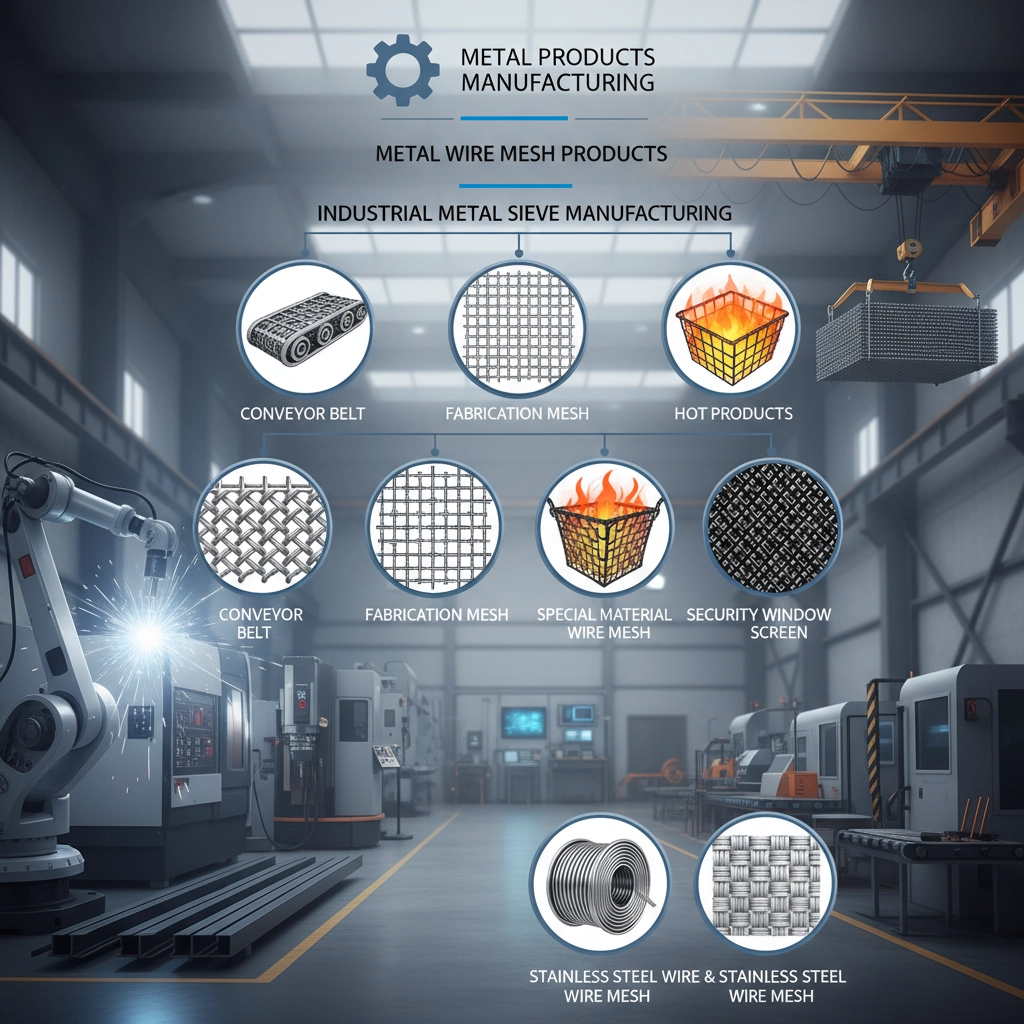
Finally, scalability in design allows these products to be integrated into complex systems. Whether it is a small security window screen or a massive conveyor belt for an airport, the modular nature of wire mesh allows for custom sizing and reinforcement. This flexibility ensures that performance is maintained even when the mesh is scaled up to cover thousands of square meters.
Global Applications Across Diverse Sectors
The versatility of stainless steel wire and mesh allows it to penetrate almost every major global industry. In the aerospace sector, fine mesh is used for electromagnetic interference (EMI) shielding and high-temperature filtration. In urban development, architectural mesh is utilized for facade cladding, providing a modern aesthetic while offering solar shading and ventilation for energy-efficient buildings.
In remote industrial zones, such as mining operations in Australia or oil rigs in the North Sea, the rugged nature of heavy-duty stainless steel conveyor belts ensures that materials are transported efficiently despite abrasive conditions. Similarly, in the pharmaceutical sector, ultra-precise mesh is used to ensure that powders and liquids are filtered to a micron level, preventing any cross-contamination in life-saving medications.
Performance Comparison of Stainless Steel Wire and Mesh Types
Economic and Long-Term Value Analysis
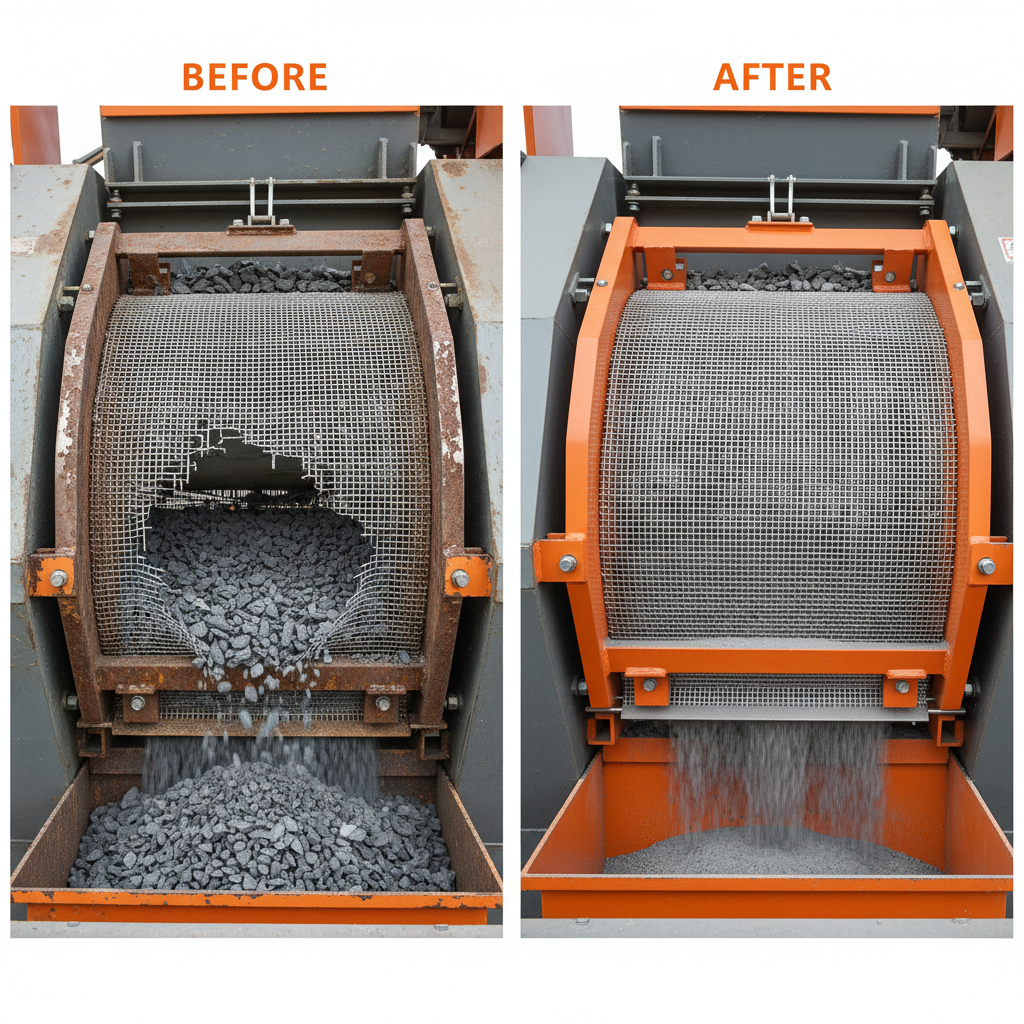
From a financial perspective, investing in high-grade stainless steel wire and mesh is a strategy of "Total Cost of Ownership" (TCO) reduction. While the initial procurement cost may be higher than galvanized or carbon steel, the elimination of frequent replacements and the reduction in corrosion-related downtime result in a significantly lower cost over a five-to-ten-year cycle.
Beyond the balance sheet, the value extends to safety and sustainability. High-quality mesh reduces the risk of structural failure in security window screens or industrial barriers, protecting human life and high-value assets. Furthermore, since stainless steel is 100% recyclable, it aligns with global ESG (Environmental, Social, and Governance) goals, making it an eco-friendly choice for forward-thinking corporations.
Future Innovations in Mesh Technology
The future of stainless steel wire and mesh is being shaped by additive manufacturing and nano-coatings. Researchers are now exploring the integration of "smart" coatings that can signal when a mesh is clogged or when the structural integrity has been compromised by corrosion. This transition toward "intelligent mesh" will allow for predictive maintenance, further reducing unexpected industrial shutdowns.
Automation in the weaving process is also reaching new heights. Laser-precision cutting and AI-driven weave optimization allow for the creation of non-linear apertures, which can optimize fluid flow in filtration systems. This means that the same amount of material can achieve higher throughput with lower pressure drops, increasing the overall energy efficiency of the plant.
Moreover, the development of special material wire mesh, including super-alloys that can withstand temperatures exceeding 1000°C, is opening new doors in the green energy sector. These materials are becoming critical in the design of high-efficiency heat exchangers and hydrogen fuel cell components, positioning stainless steel products at the heart of the energy transition.
Overcoming Challenges in Custom Fabrication
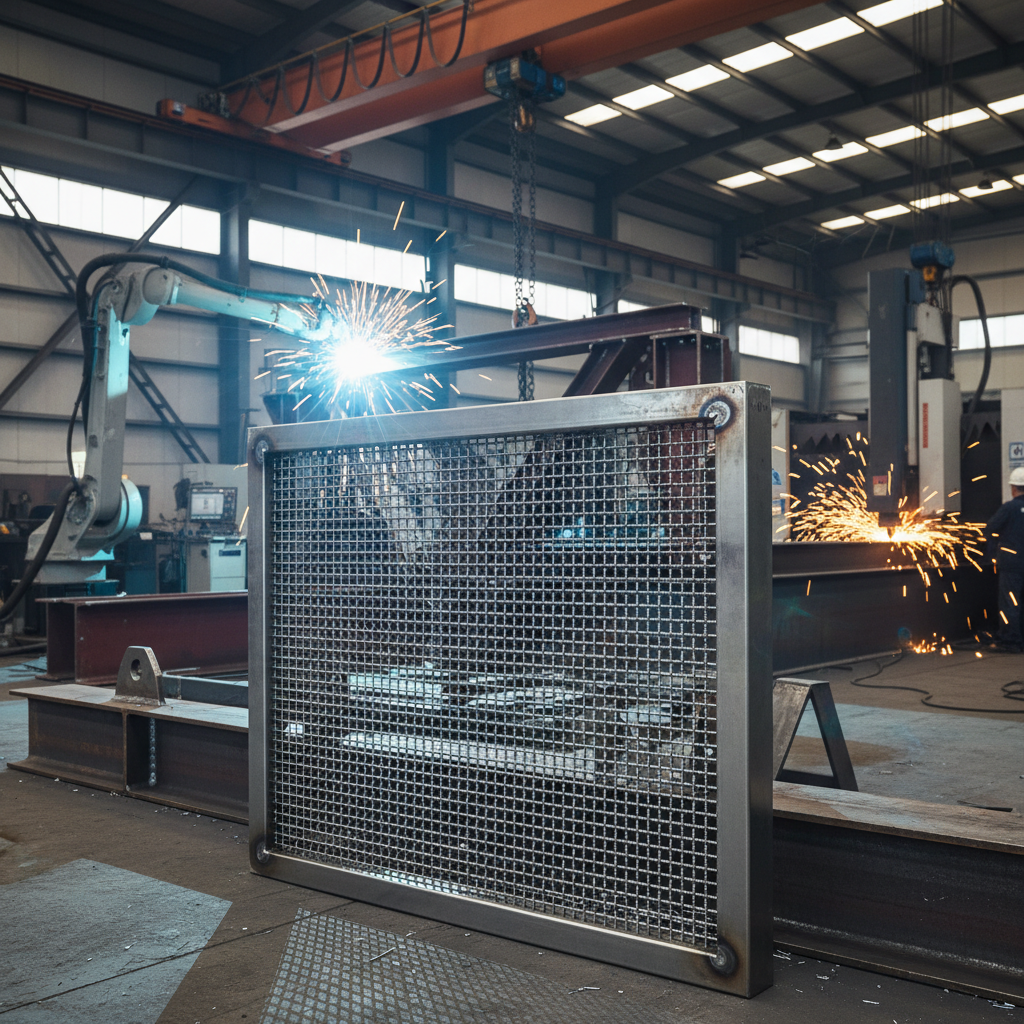
Despite its advantages, the custom fabrication of stainless steel wire and mesh presents challenges, particularly regarding material warping during welding. Because stainless steel has a higher coefficient of thermal expansion than carbon steel, precision jigs and controlled heat inputs are required to ensure that the mesh remains flat and the apertures remain consistent.
Another common limitation is the balance between aperture size and structural rigidity. In very fine meshes, the wires are susceptible to bending under heavy loads. To solve this, engineers are increasingly using "hybrid weaves" or incorporating reinforcement wires at strategic intervals, allowing for a high degree of filtration without sacrificing the overall strength of the component.
Finally, the complexity of importing specialized mesh internationally can lead to lead-time delays. The solution lies in strategic partnerships with manufacturers who hold ISO certifications and maintain rigorous quality audits. By standardizing specifications and utilizing digital design tools, clients can ensure that the final product arrives exactly as specified, regardless of the geographical distance.
Technical Comparison of Fabrication Methods for Stainless Steel Wire and Mesh
|
Fabrication Method
|
Structural Strength
|
Precision Level
|
Typical Application
|
| Plain Weave |
Medium |
High |
General Filtration |
| Twill Weave |
High |
Very High |
Fine Chemical Sifting |
| Welded Mesh |
Very High |
Medium |
Security Fencing |
| Dutch Weave |
High |
Extreme |
High-Pressure Filters |
| Expanded Metal |
High |
Low |
Walkways & Grating |
| Crimped Wire |
Medium |
Medium |
Conveyor Belting |
FAQS
Grade 304 is the most common and cost-effective option, suitable for most industrial and domestic uses. Grade 316 contains molybdenum, which provides superior resistance to corrosion, particularly against chlorides and saltwater. If your application is in a marine environment or involves harsh chemicals, Grade 316 is the professional recommendation to prevent pitting and ensure a longer lifespan.
Mesh count refers to the number of openings per linear inch. For coarse filtration (e.g., gravel or large particles), a low mesh count is used. For precision filtration (e.g., pharmaceutical liquids), a high mesh count with thinner wires is required. You must balance the "open area" (for flow rate) with the "aperture size" (for particle retention) to avoid clogging and pressure buildup.
Yes, stainless steel is highly valued for its thermal stability. While standard grades like 304 and 316 perform well in moderate to high temperatures, specific alloys are available for extreme heat (up to 1000°C+). These special materials prevent the mesh from sagging or oxidizing under intense heat, making them ideal for industrial furnaces and aerospace engine components.
Absolutely. While plastic mesh has a lower upfront cost, it degrades under UV exposure and lacks the mechanical strength of metal. Stainless steel wire and mesh offer vastly superior durability, chemical resistance, and load-bearing capacity. In most industrial scenarios, the reduced replacement frequency and lower maintenance costs make stainless steel the more economical choice over the product's lifecycle.
Corrosion resistance is maintained by the chromium oxide passive layer. To keep this layer intact, it is important to avoid contaminating the mesh with carbon steel tools during installation. Periodic cleaning with appropriate agents and ensuring the correct grade (e.g., using 316 in salty environments) are the best ways to maintain the material's integrity and prevent surface rust.
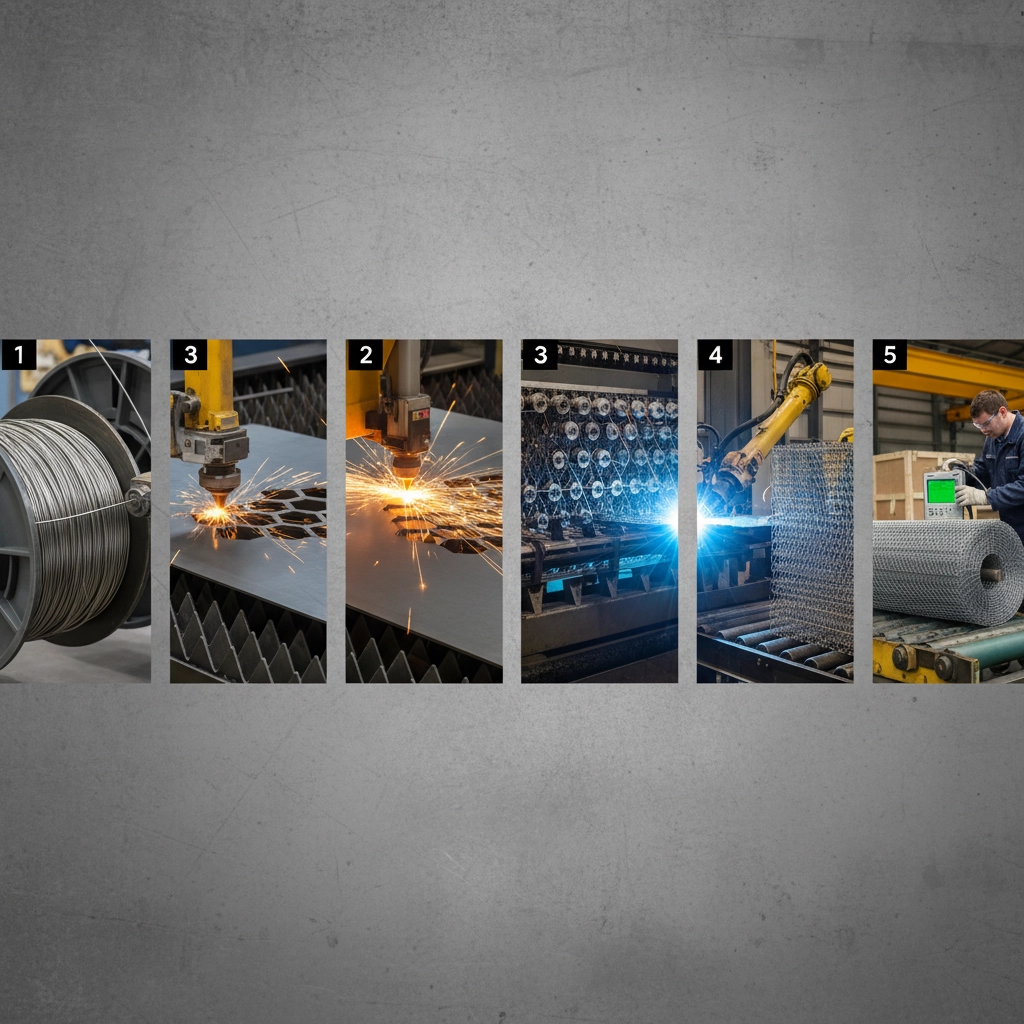
Yes, custom fabrication is a core part of the industry. Through a combination of precision weaving, laser cutting, and specialized welding, stainless steel wire and mesh can be formed into cylinders, discs, complex panels, or integrated into conveyor systems. Providing a detailed technical drawing with wire diameter, aperture size, and tolerance is the best way to ensure a perfect fit.
Conclusion
The strategic application of stainless steel wire and mesh serves as a critical foundation for safety, hygiene, and efficiency across the global industrial spectrum. By meticulously selecting the correct material grades and weave patterns, businesses can ensure that their filtration, security, and transportation systems operate with maximum reliability. The transition from simple wire products to engineered mesh solutions has fundamentally reduced operational risks and increased the longevity of industrial assets worldwide.
Looking forward, the integration of smart materials and automated fabrication will continue to push the boundaries of what stainless steel can achieve. We encourage industry professionals to prioritize quality certifications and technical precision when sourcing these materials to future-proof their operations. For high-performance solutions tailored to your specific industrial requirements, visit our website: www.stainlessmetalmesh.com