In the modern architectural and industrial landscape, protecting critical ventilation systems and open apertures from avian intrusion has become a paramount concern for facility managers and homeowners alike. The integration of stainless steel bird screen mesh offers a permanent, high-strength solution that transcends the limitations of plastic or aluminum alternatives, ensuring that air quality is maintained without compromising security.
Globally, the challenge of bird nesting in industrial HVAC systems and historical buildings not only poses a sanitation risk but can lead to significant structural damage and costly maintenance outages. By employing a precision-engineered mesh, industries can effectively mitigate these risks while adhering to strict safety and environmental regulations, making it a cornerstone of proactive facility management.
Understanding the nuances of material grades, weave patterns, and corrosion resistance is essential for selecting the right protective barrier. This guide explores how stainless steel bird screen mesh functions as an investment in longevity, combining the mechanical strength of steel with the transparency needed for optimal airflow and visibility.
Global Relevance of Stainless Steel Bird Screen Mesh
On a global scale, the demand for stainless steel bird screen mesh is driven by the increasing urbanization of avian populations and the subsequent rise in conflicts between wildlife and infrastructure. In many metropolitan hubs, bird droppings are not merely an aesthetic issue but a chemical hazard that erodes limestone and concrete, leading to millions of dollars in annual repair costs for municipal governments.
Furthermore, international standards such as ISO certifications for corrosion resistance highlight the necessity of using high-grade alloys in coastal regions. When salt-laden air meets inferior materials, the result is rapid oxidation and failure; however, stainless steel mesh provides a robust barrier that resists the elements, ensuring that critical air intakes remain clear and secure regardless of the geographical climate.
Definition and Industrial Meaning
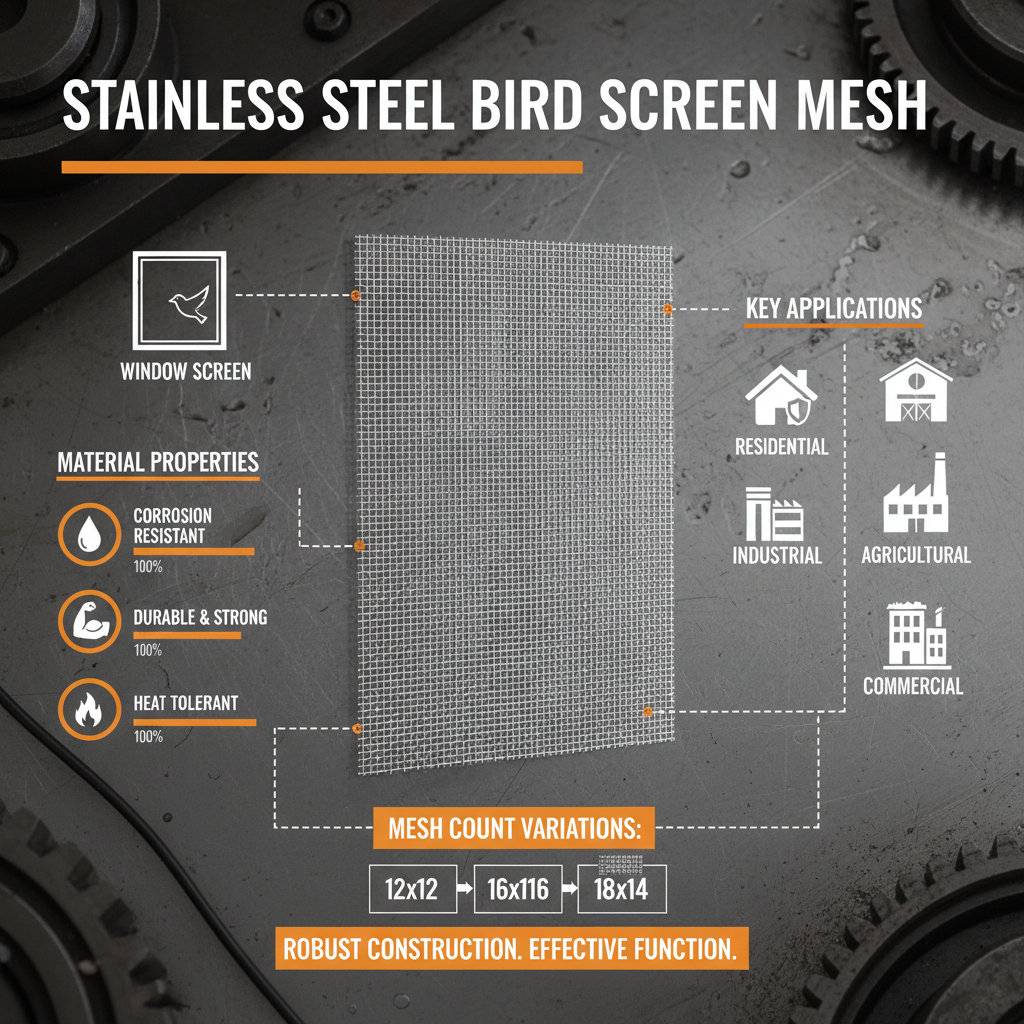
At its core, stainless steel bird screen mesh is a precision-woven or welded grid made from chromium-nickel alloys, specifically designed to prevent birds and larger pests from entering structures while permitting the free flow of air and light. Unlike standard window screening, bird-specific mesh utilizes a heavier wire gauge and a wider aperture to balance structural rigidity with breathability.
In the context of modern industry, this material represents a shift toward "passive defense" systems. Rather than relying on chemical deterrents or hazardous spikes, which can be inhumane and require frequent replacement, the mesh provides a physical, permanent boundary. This approach aligns with global humanitarian trends toward non-lethal pest control and sustainable building practices.
The industrial meaning of this product extends to its role in safety. In environments such as factories or chemical plants, preventing birds from entering ventilation shafts is critical to avoiding fire hazards caused by nesting materials and ensuring that filtration systems operate at peak efficiency without blockages.
Key Factors for Material Performance
The primary determinant of success for stainless steel bird screen mesh is its corrosion resistance. By utilizing Grade 304 or 316 stainless steel, the mesh creates a passive oxide layer that protects the underlying metal from moisture and pollutants, making it indispensable for marine and industrial environments.
Another critical factor is the tensile strength of the weave. High-quality stainless steel bird screen mesh must withstand the physical pressure of birds attempting to force their way through, as well as wind loads in high-rise installations, without sagging or tearing over time.
Finally, the aperture precision ensures that the mesh is effective against specific bird species. A mesh that is too open allows small birds through, while one that is too tight restricts airflow and accumulates dust, necessitating a calibrated balance that meets the specific operational needs of the building's ventilation system.
Comparative Efficiency and Cost Analysis
When analyzing the lifecycle cost of bird deterrents, stainless steel bird screen mesh consistently outperforms plastic and galvanized options. While the initial procurement cost may be higher, the elimination of replacement cycles and the reduction in cleaning costs provide a significant return on investment (ROI) within the first three to five years.
From a technical standpoint, the efficiency of the mesh is measured by its "open area percentage," which dictates how much air can pass through the barrier. Stainless steel allows for thinner wires with higher strength, maximizing airflow compared to thicker, weaker plastics that require more material to achieve the same durability.
Performance Comparison of Bird Screening Materials
Global Applications and Use Cases
In the energy sector, stainless steel bird screen mesh is frequently deployed in power plant cooling towers and exhaust stacks. These environments are characterized by extreme heat and moisture, where the mesh prevents birds from nesting in critical conduits, thereby avoiding potential short circuits or airflow restrictions that could lead to equipment overheating.
Beyond heavy industry, the mesh is widely used in historic preservation projects across Europe and North America. To protect ancient cathedrals and government buildings without altering their aesthetic facade, architects utilize thin-profile stainless mesh that is nearly invisible from the street level but provides an impenetrable barrier against pigeons and starlings.
Long-Term Value and Sustainability
The long-term value of stainless steel bird screen mesh lies in its inherent sustainability. Unlike plastic meshes that degrade under UV exposure and contribute to microplastic pollution, stainless steel is 100% recyclable. This makes it the preferred choice for LEED-certified buildings and organizations committed to reducing their environmental footprint.
From a psychological perspective, the installation of a permanent, high-quality mesh provides peace of mind to facility owners. There is a tangible sense of security and reliability knowing that the building's "skin" is protected by a material that does not rust, warp, or fail under pressure, reducing the stress associated with seasonal pest migrations.
Furthermore, the use of stainless steel promotes a more humane approach to wildlife management. By creating a clear physical boundary, birds are discouraged from entering areas where they might become trapped or cause damage, redirecting them toward natural habitats without the need for harmful chemical deterrents.
Future Trends in Bird Screening Technology
Looking ahead, the evolution of stainless steel bird screen mesh is being influenced by advancements in material science and coating technologies. We are seeing the emergence of nano-coatings that not only enhance corrosion resistance but also add hydrophobic properties, preventing the accumulation of dust and debris on the mesh surface and reducing maintenance cycles.
Integration with smart building technology is another burgeoning trend. Some futuristic designs incorporate sensors within the mesh framework to monitor airflow changes or detect structural stress, alerting facility managers via digital dashboards when the mesh requires inspection or cleaning, effectively digitizing the "passive" defense system.
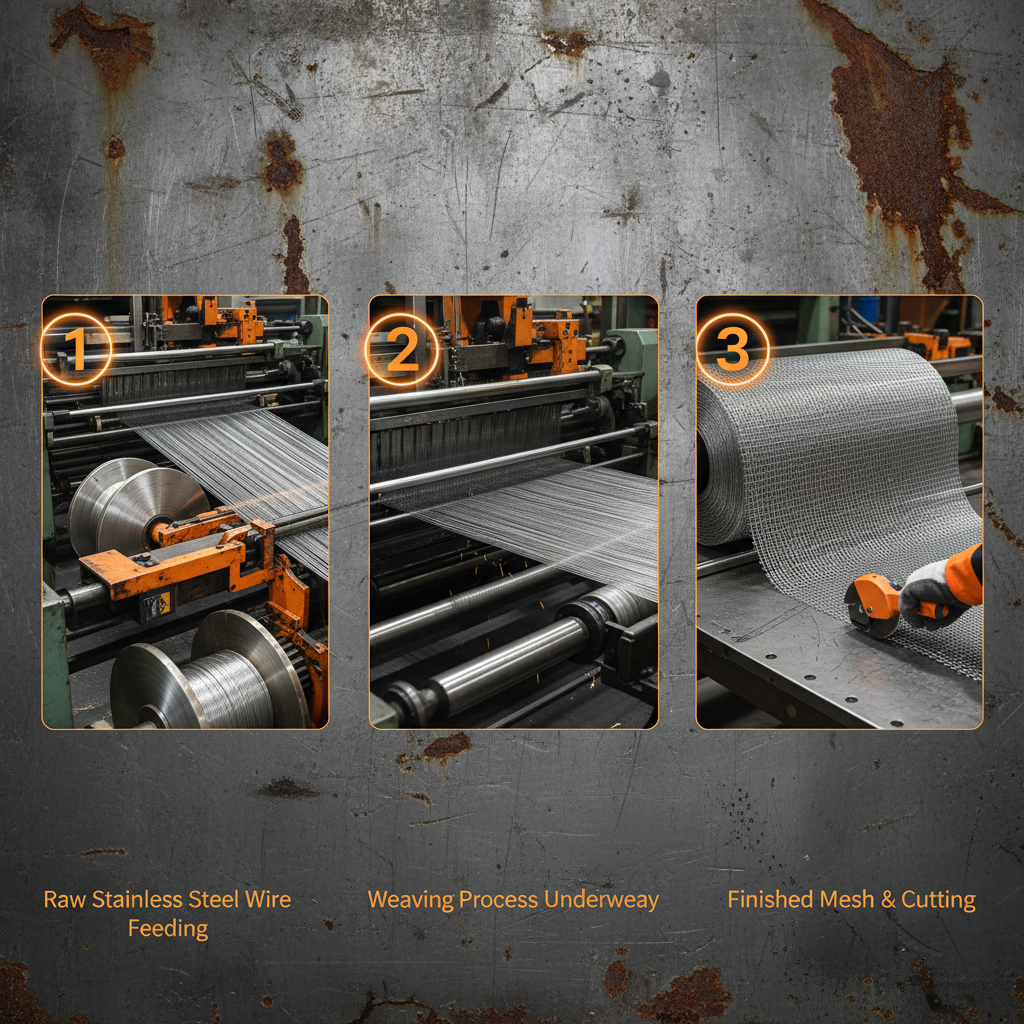
Additionally, the move toward automation in manufacturing is allowing for more complex, custom-shaped mesh panels. Using laser-welding and precision CNC cutting, manufacturers can now produce mesh that fits perfectly into non-linear architectural voids, eliminating the gaps that birds often exploit in traditional rectangular installations.
Comparative Analysis of Bird Screen Mesh Material Specifications
| Material Grade |
Corrosion Resistance |
Typical Lifespan |
Primary Application |
| SS 304 Mesh |
High |
15-20 Years |
Residential/Interior Industrial |
| SS 316 Mesh |
Very High |
25-40 Years |
Marine/Coastal Environments |
| Galvanized Steel |
Medium |
5-10 Years |
Temporary Fencing/Agriculture |
| Aluminum Mesh |
Medium-High |
10-15 Years |
Lightweight Architectural Accents |
| HDPE Plastic |
Low (UV sensitive) |
3-7 Years |
Short-term Pest Control |
| Coated SS Mesh |
Extreme |
30+ Years |
Chemical Plants/Acidic Zones |
FAQS
For coastal or marine environments, Grade 316 stainless steel is the superior choice. Unlike Grade 304, Grade 316 contains molybdenum, which significantly increases its resistance to chlorides and salt-spray corrosion, preventing the mesh from pitting or rusting in salty air.
When correctly specified, it does not significantly restrict airflow. Because stainless steel is incredibly strong, we can use thinner wires to achieve a higher "open area" percentage compared to plastic or aluminum, ensuring that the building's ventilation remains efficient while remaining secure.
Mesh size depends on the target species. For larger birds like pigeons, a wider aperture (e.g., 12mm to 25mm) is sufficient. However, for smaller sparrows or starlings, a tighter weave (e.g., 6mm to 10mm) is required. We recommend analyzing the local bird population before selecting your specifications.
Yes, the initial purchase price is higher. However, stainless steel provides a much lower total cost of ownership. Plastic mesh degrades under UV light and must be replaced every few years, whereas stainless steel can last decades, eliminating repeated labor and material costs.
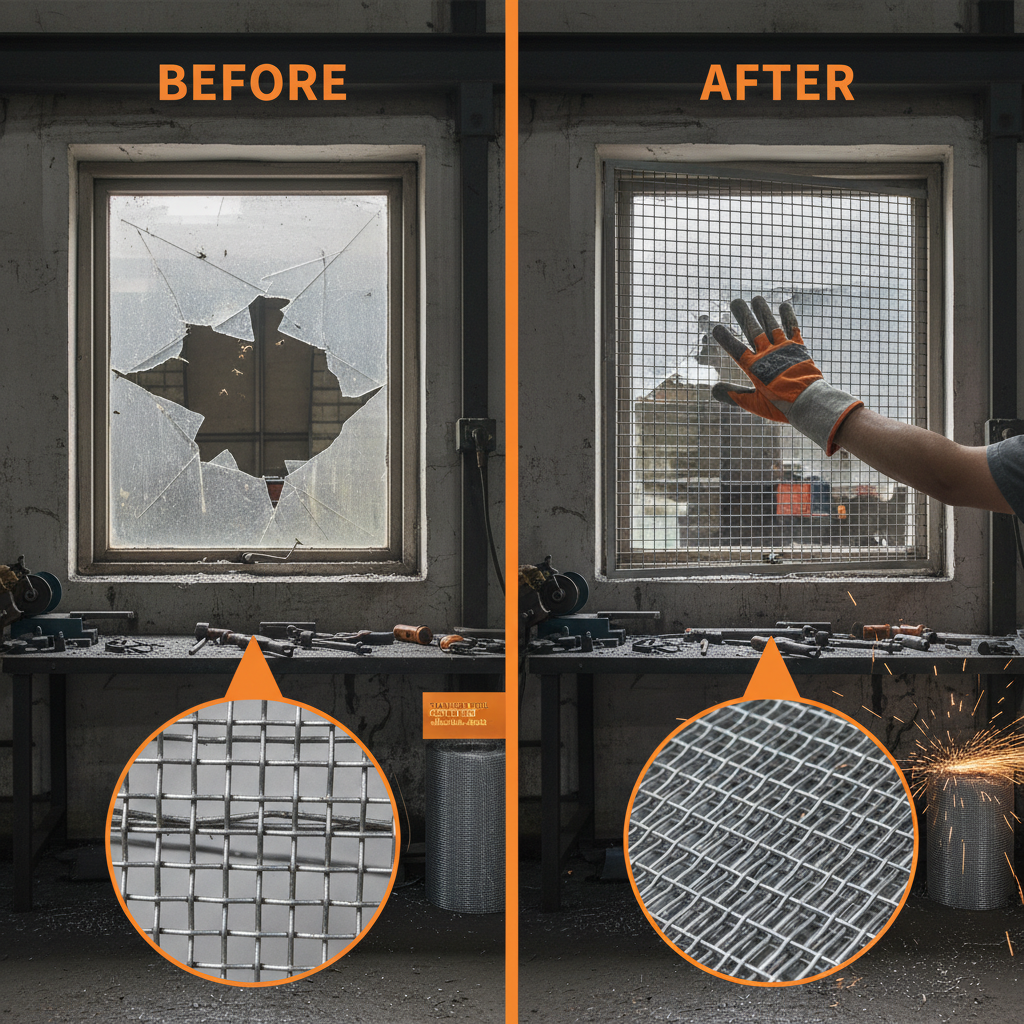
Absolutely. Modern fabrication techniques allow the mesh to be cut to exact specifications or welded into custom frames. This ensures a seamless fit around architectural irregularities, leaving no gaps for birds to exploit.
Yes, it is one of the most humane methods available. It acts as a visual and physical deterrent that simply blocks access. Unlike spikes or chemical gels, it does not cause injury to the birds; it simply encourages them to find natural nesting sites elsewhere.
Conclusion
In summary, stainless steel bird screen mesh represents the optimal intersection of durability, functionality, and environmental responsibility. By addressing the root cause of avian intrusion with high-grade alloys and precision engineering, facility managers can protect their infrastructure from corrosion, sanitation risks, and mechanical failures while ensuring long-term operational efficiency.
As we move toward more sustainable and "smart" urban environments, the reliance on permanent, recyclable materials like stainless steel will only grow. Investing in high-quality screening today not only secures a building's future but also promotes a balanced coexistence between human infrastructure and urban wildlife. For professional-grade solutions, visit our website: www.stainlessmetalmesh.com