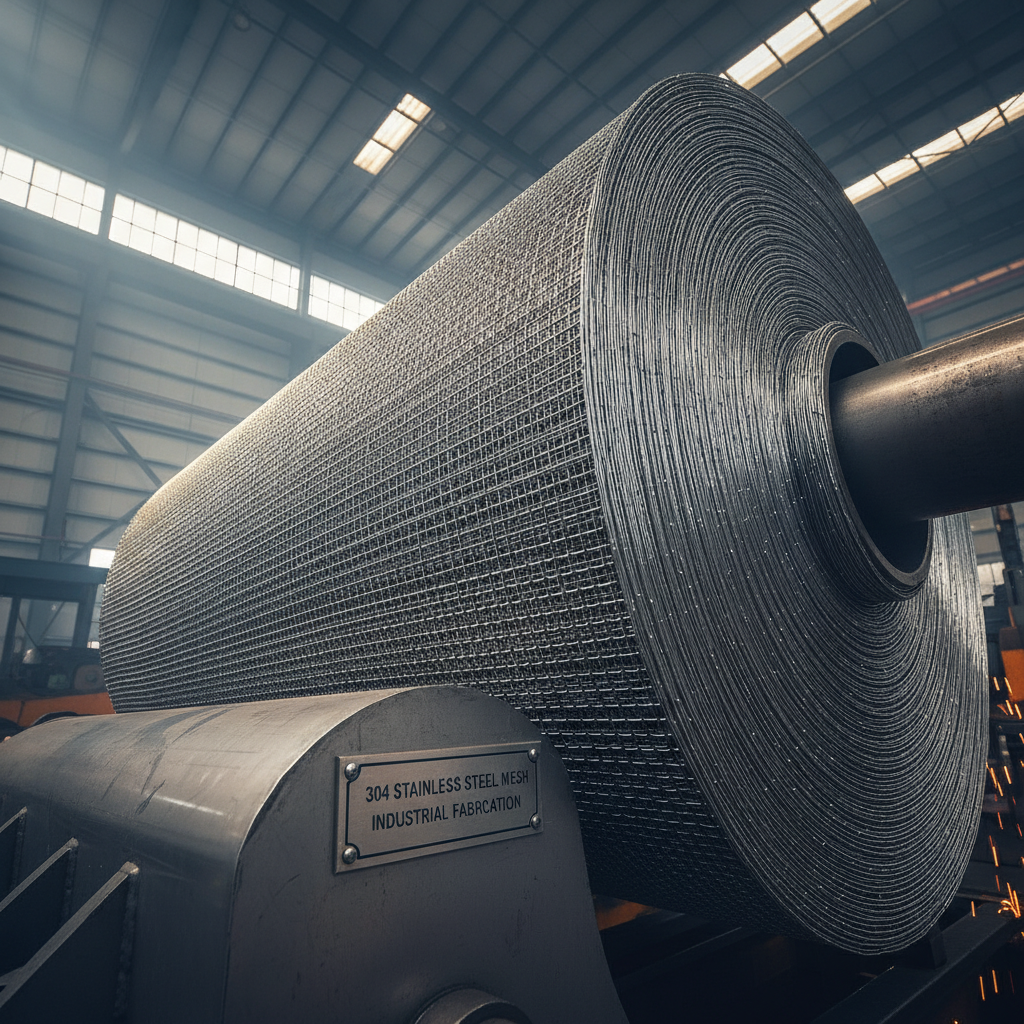
In the demanding landscape of modern industrial filtration and structural reinforcement, stainless steel metal mesh stands as a cornerstone of engineering excellence. This versatile material combines the inherent strength of steel with the corrosion resistance of chromium alloys, making it indispensable for sectors ranging from chemical processing to high-end architectural design. Understanding the nuances of its weave and material grade is not just a technical requirement but a strategic advantage for ensuring long-term operational efficiency.
Globally, the demand for high-performance screening solutions has surged as industries pivot toward sustainable and durable infrastructure. The ability of stainless steel metal mesh to withstand extreme temperatures and aggressive chemical environments ensures that critical systems—such as conveyor belts in food processing or security window screens in urban centers—operate without frequent failure. This reliability reduces downtime and minimizes the environmental impact associated with frequent material replacement.
Whether employed in precision fabrication or heavy-duty industrial sieving, the selection of the correct mesh configuration directly impacts the purity of a product or the safety of a facility. By leveraging advanced metallurgy and weaving techniques, manufacturers can now produce meshes that offer microscopic precision while maintaining structural integrity under immense pressure, proving that this material is far more than a simple grid of wires.
Global Relevance of Stainless Steel Metal Mesh
On a global scale, the industrial application of stainless steel metal mesh is intrinsically linked to the growth of the global manufacturing index. According to ISO standards for metallic coatings and materials, the transition from carbon steel to stainless alloys has significantly reduced systemic failures in saltwater environments and high-acid processing plants. This shift is critical as emerging economies expand their chemical and pharmaceutical capacities, requiring materials that meet stringent hygiene and durability certifications.
The primary challenge addressed by this material is the constant battle against oxidation and mechanical wear. In heavy-duty environments, traditional meshes often succumb to rust, leading to contamination of the filtered medium and hazardous structural collapses. By implementing high-grade stainless steel, industries eliminate these risks, ensuring a seamless flow of production that adheres to international safety and quality benchmarks.
Defining Stainless Steel Metal Mesh in Industry
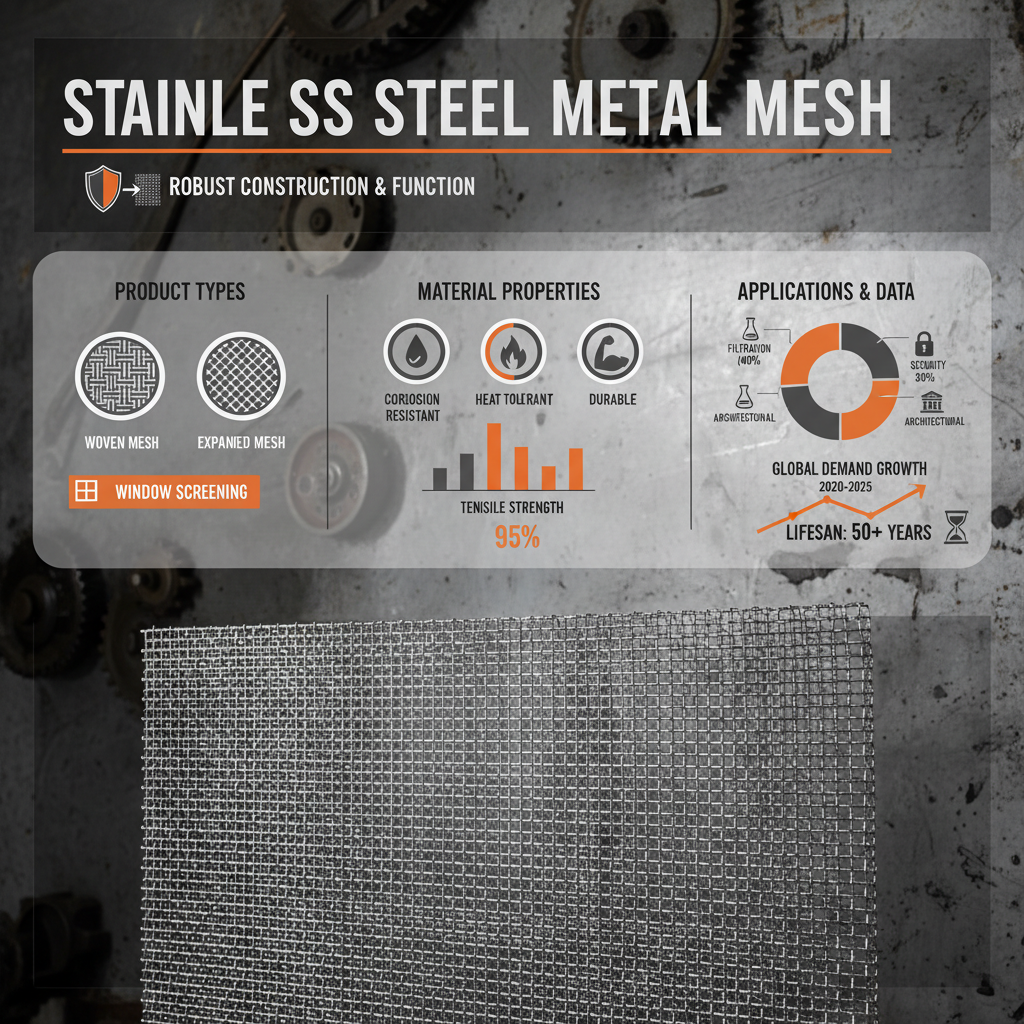
At its most fundamental level, stainless steel metal mesh is a woven or welded fabric constructed from stainless steel wires. Unlike standard wire cloth, industrial mesh is engineered with specific apertures and wire diameters to achieve precise filtration or separation. This "engineered porosity" allows it to act as a selective barrier, permitting certain particles or fluids to pass through while blocking others.
In the context of modern industry, this material serves as the "silent guardian" of quality control. From the conveyor belts that transport food grade materials to the fabrication mesh used in architectural reinforcement, it bridges the gap between raw structural strength and refined functionality. Its ability to be customized—varying the weave from plain to twilled or dutch—makes it adaptable to almost any mechanical requirement.
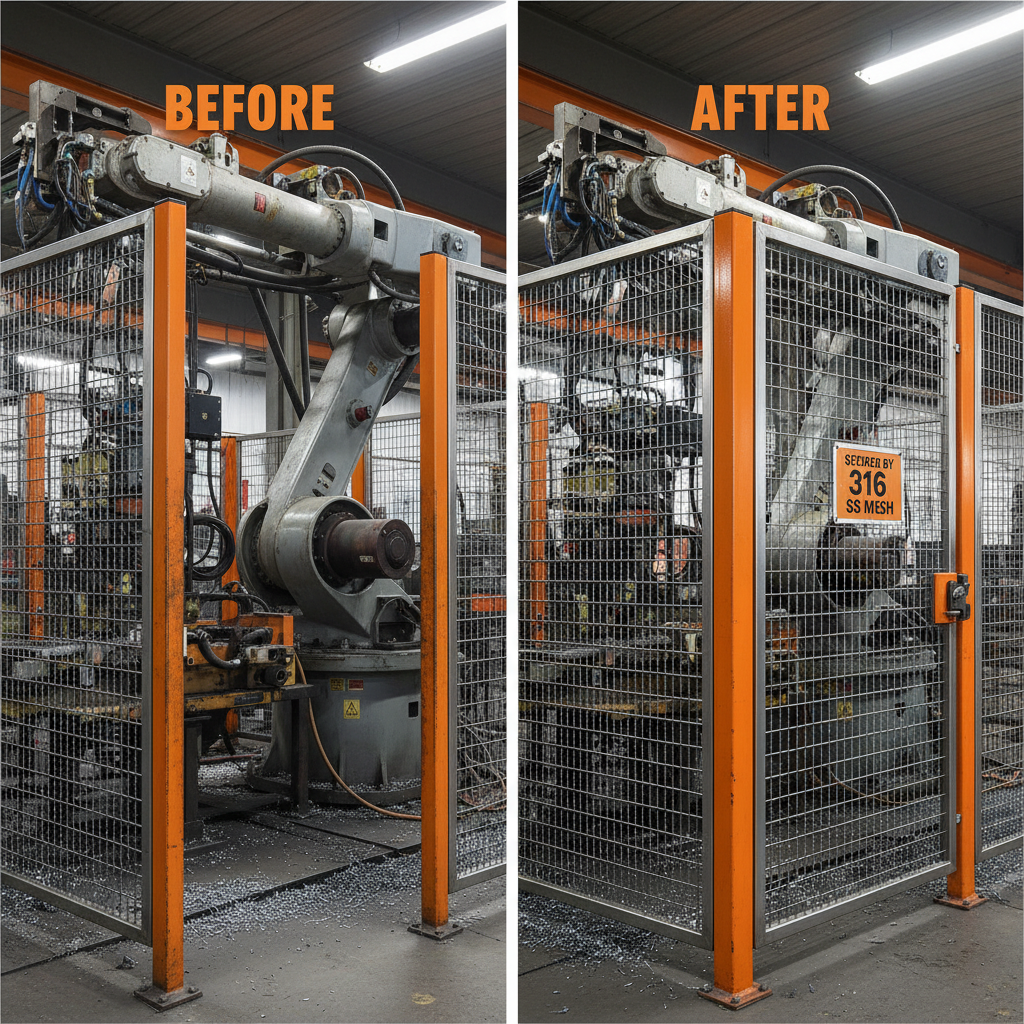
Beyond industrial use, the material addresses critical humanitarian and safety needs. For instance, high-tensile stainless steel is frequently utilized in security window screens for high-risk zones, providing a barrier that is nearly impossible to cut with standard tools while maintaining ventilation and visibility, thus combining safety with livability.
Core Components of Mesh Performance
The efficacy of stainless steel metal mesh is determined by several critical factors, primarily its material grade. Grades such as 304 and 316 are the industry standards; while 304 offers excellent all-around resistance, 316 contains molybdenum, providing superior protection against chlorides and marine environments, which is essential for offshore oil rigs and coastal installations.
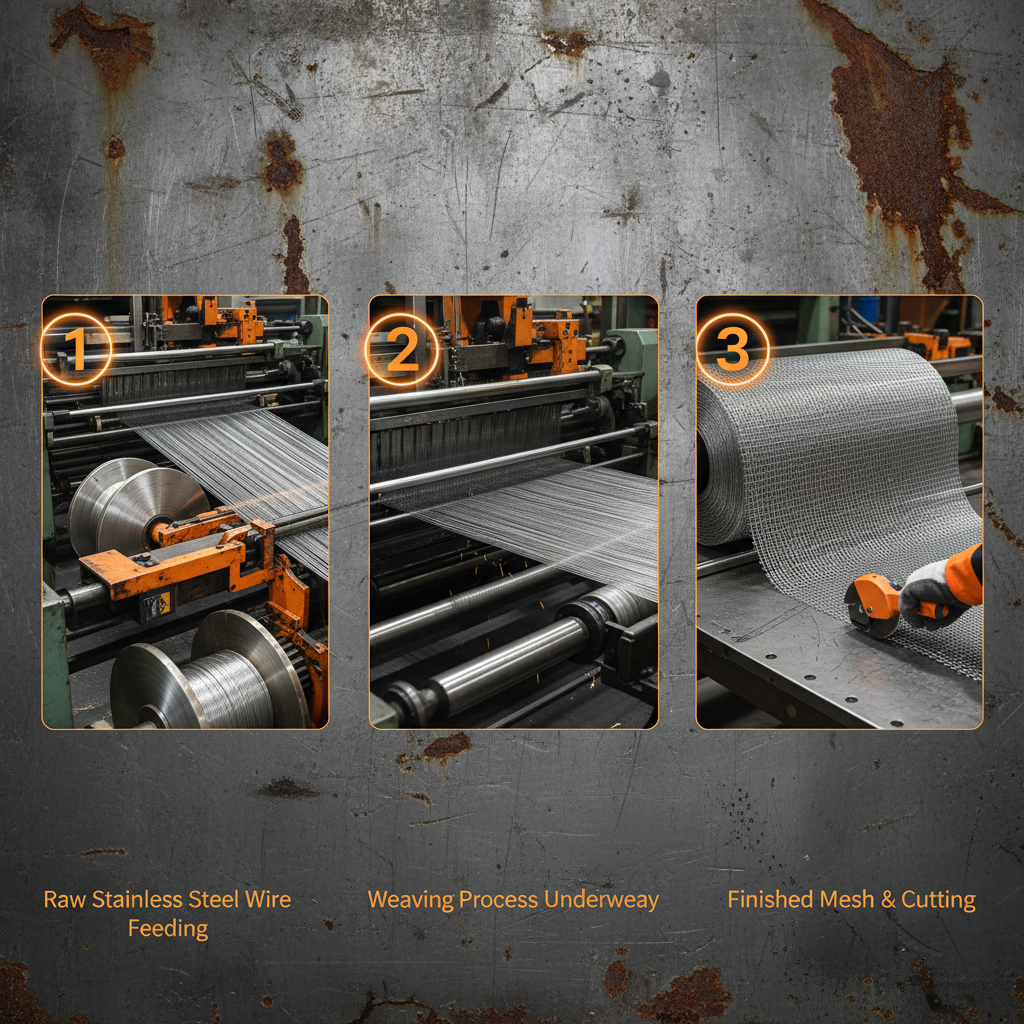
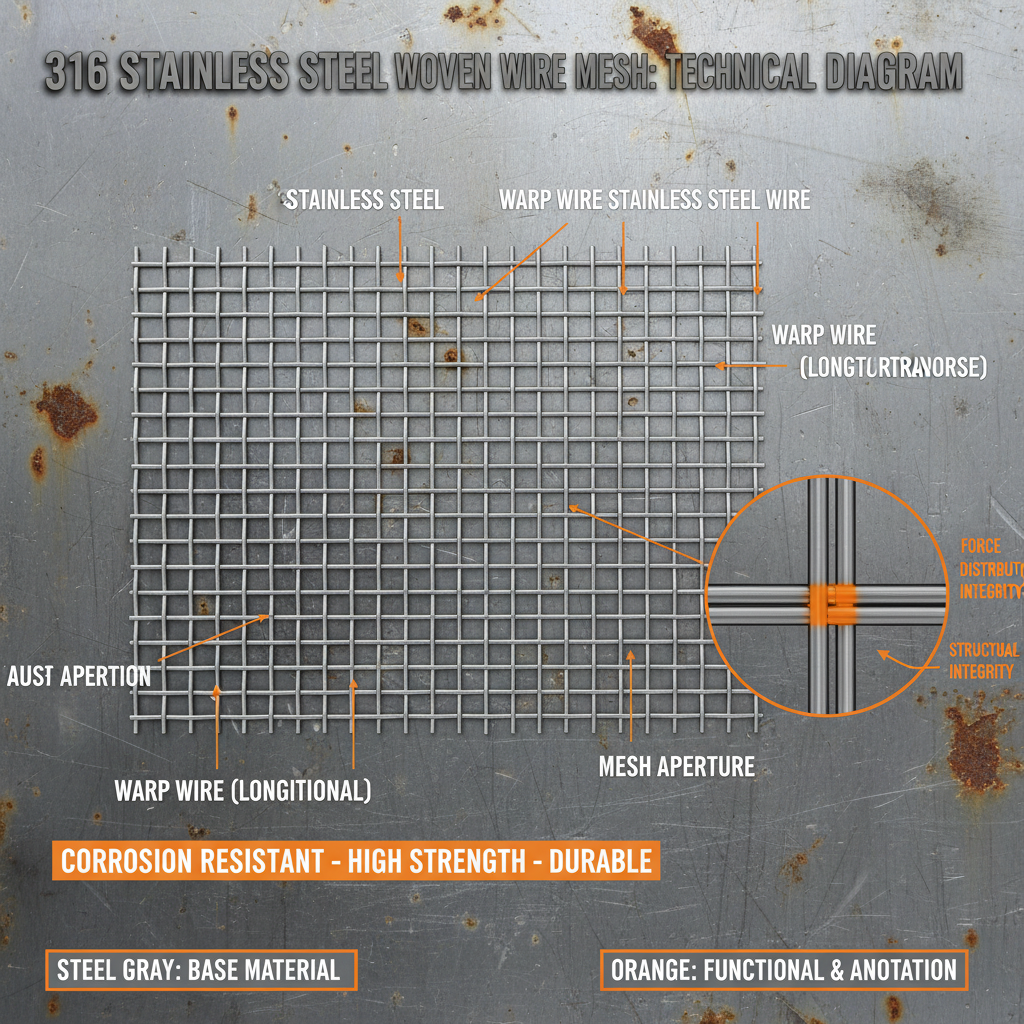
Durability and tension stability are equally vital. The weaving process must ensure that the wires are locked in place to prevent "shifting" under load. This structural integrity is what allows a stainless steel conveyor belt to run for thousands of hours without losing its shape or developing gaps that could lead to product leakage or mechanical jams.
Finally, scalability and cost-efficiency play a role in procurement. While the initial investment in high-grade stainless steel metal mesh is higher than galvanized options, the total cost of ownership is significantly lower. The absence of frequent replacement cycles and the reduction in maintenance labor create a long-term economic benefit that outweighs the upfront expense.
Comparative Efficiency of Mesh Configurations
Selecting the right configuration of stainless steel metal mesh is a science of balance. For example, a plain weave offers the highest openness and is ideal for general filtration, whereas a twill weave provides a denser structure with higher load-bearing capacity, making it the preferred choice for heavy-duty industrial sieving where abrasion is a constant threat.
The performance differences are quantifiable when looking at flow rates and filtration accuracy. A specialized Dutch weave, for instance, is designed for ultra-fine filtration in the chemical industry, sacrificing some flow speed for an incredibly high level of particle retention, ensuring that only the purest liquids reach the final stage of production.
Performance Metrics of Various Stainless Steel Metal Mesh Types
Global Applications and Use Cases
The practical application of stainless steel metal mesh spans across nearly every continent. In the pharmaceutical hubs of Europe and North America, precision mesh is used in sterilization equipment and fluid filtration to prevent microscopic contaminants from entering life-saving medications. In these controlled environments, the non-reactive nature of the steel ensures that the chemistry of the medicine remains unaltered.
Conversely, in the mining sectors of Australia and South America, heavy-duty fabrication mesh is used for ore screening and structural support in remote industrial zones. These meshes must endure extreme abrasion and fluctuating temperatures. Similarly, in urban development projects across Asia, stainless steel wire mesh is increasingly integrated into "green" architecture, serving as a trellis for vertical gardens that naturally cool buildings while providing a permanent, rust-proof support structure.
Long-Term Value and Sustainability
From a logical standpoint, the long-term value of stainless steel metal mesh is rooted in its sustainability. Unlike plastic filters or galvanized steel that degrade and leach toxins into the environment, stainless steel is 100% recyclable. Its extreme longevity means that fewer resources are spent on replacement and transport over the lifespan of a project, aligning with global goals for circular economy and reduced carbon footprints.
Emotionally, the use of high-quality mesh translates to trust and safety. In a food processing plant, the knowledge that a conveyor belt will not flake or rust into the product provides peace of mind for both the operator and the consumer. This reliability builds brand reputation and ensures that safety standards are not just met, but exceeded.
Furthermore, the innovation in alloy compositions has allowed for the creation of meshes that are both lighter and stronger. This evolution means that industrial systems can be designed with less overall material without compromising on safety, leading to more efficient machinery and lower energy consumption during operation.
Future Innovations in Metal Mesh Technology
The future of stainless steel metal mesh is being shaped by the digital transformation of manufacturing. The integration of additive manufacturing (3D printing) with traditional weaving is allowing for the creation of "gradient meshes," where the pore size changes across the surface of a single piece. This enables more complex filtration processes that can capture multiple particle sizes in one pass, drastically increasing efficiency.
Sustainability is also driving the development of "smart meshes" embedded with nano-sensors. These sensors can detect changes in pressure or the buildup of contaminants in real-time, alerting operators to the exact moment a mesh needs cleaning or replacement. This shift from scheduled maintenance to predictive maintenance reduces waste and prevents catastrophic system failures.
As we move toward a greener energy economy, these materials are finding new life in hydrogen fuel cell filtration and carbon capture systems. The resilience of stainless steel makes it the ideal medium for managing the highly corrosive elements involved in next-generation energy production.
Technical Comparison of Stainless Steel Metal Mesh Grade Applications
| Material Grade |
Corrosion Resistance |
Primary Industry |
Typical Lifespan (Years) |
| Grade 304 |
Moderate/High |
Food & Beverage |
5-10 |
| Grade 316 |
Very High |
Marine & Chemical |
15-25 |
| Grade 316L |
Extreme (Low Carbon) |
Pharmaceutical |
20+ |
| Grade 430 |
Low/Moderate |
Household Appliances |
3-7 |
| Duplex 2205 |
Ultra High |
Oil & Gas Extraction |
30+ |
| Super Alloy |
Extreme Thermal |
Aerospace/Nuclear |
25+ |
FAQS
The primary difference lies in the chemical composition. Grade 304 is the most common and offers great resistance to oxidation. Grade 316, however, contains molybdenum, which significantly increases its resistance to chlorides and sulfuric acids. If your application involves saltwater or heavy chemicals, 316 is the professional choice to prevent pitting and corrosion.
Mesh count refers to the number of openings per linear inch. For coarse filtration (like gravel or large particles), a low mesh count (e.g., 10-40) is used. For fine filtration (like powders or liquids), a high mesh count (e.g., 100-500) is required. Always consider the "opening size" in microns to ensure the mesh effectively blocks the target particle size without overly restricting flow.
Yes, high-quality manufacturers offer extensive customization including custom widths, lengths, and specialized edge finishing (such as welding or folding). Additionally, the mesh can be fabricated into cylinders, disks, or complex belts for conveyor systems, ensuring it fits perfectly into your existing machinery for maximum efficiency.
While synthetic meshes have a lower initial cost, they lack the thermal resistance and mechanical strength of stainless steel. Stainless steel metal mesh does not degrade under UV light or high heat and can be cleaned and reused multiple times. This dramatically reduces the frequency of replacement, making it more cost-effective over a 5-to-10-year operational cycle.
Woven mesh is generally more flexible and better for filtration due to the tight interlocking of wires. Welded mesh is much more rigid and provides superior structural strength, making it ideal for security screens, partitions, and heavy-duty flooring. The choice depends on whether you need the mesh to act as a filter (woven) or a physical barrier (welded).
To prevent clogging, we recommend using a twill weave or a specialized Dutch weave, which offers a more open structure and smoother surface. Additionally, implementing back-flushing systems or ultrasonic cleaning intervals can maintain the flow rate and extend the life of the mesh in demanding industrial environments.
Conclusion
In summary, stainless steel metal mesh is far more than a simple industrial component; it is a high-performance engineering solution that balances durability, precision, and sustainability. From the meticulous selection of material grades like 316L to the strategic choice of weave patterns, every detail contributes to the operational safety and efficiency of the global industrial infrastructure. By prioritizing high-quality materials, companies not only reduce their long-term maintenance costs but also contribute to a more sustainable manufacturing ecosystem.
Looking forward, the integration of smart sensors and additive manufacturing will continue to push the boundaries of what metal mesh can achieve. For engineers and procurement officers, the key to success lies in partnering with experts who understand the intersection of metallurgy and practical application. To ensure your operations are equipped with the highest standard of filtration and reinforcement, we invite you to explore our specialized solutions. Visit our website: www.stainlessmetalmesh.com