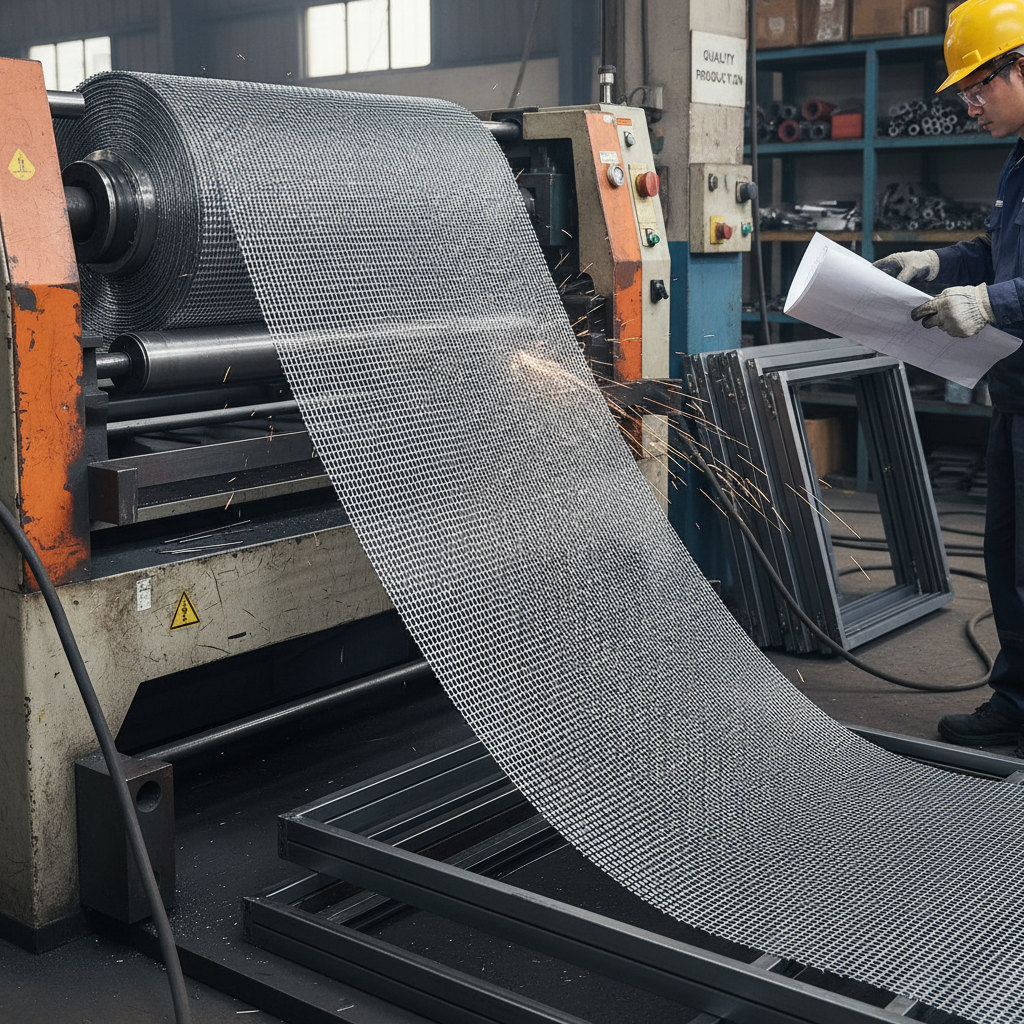
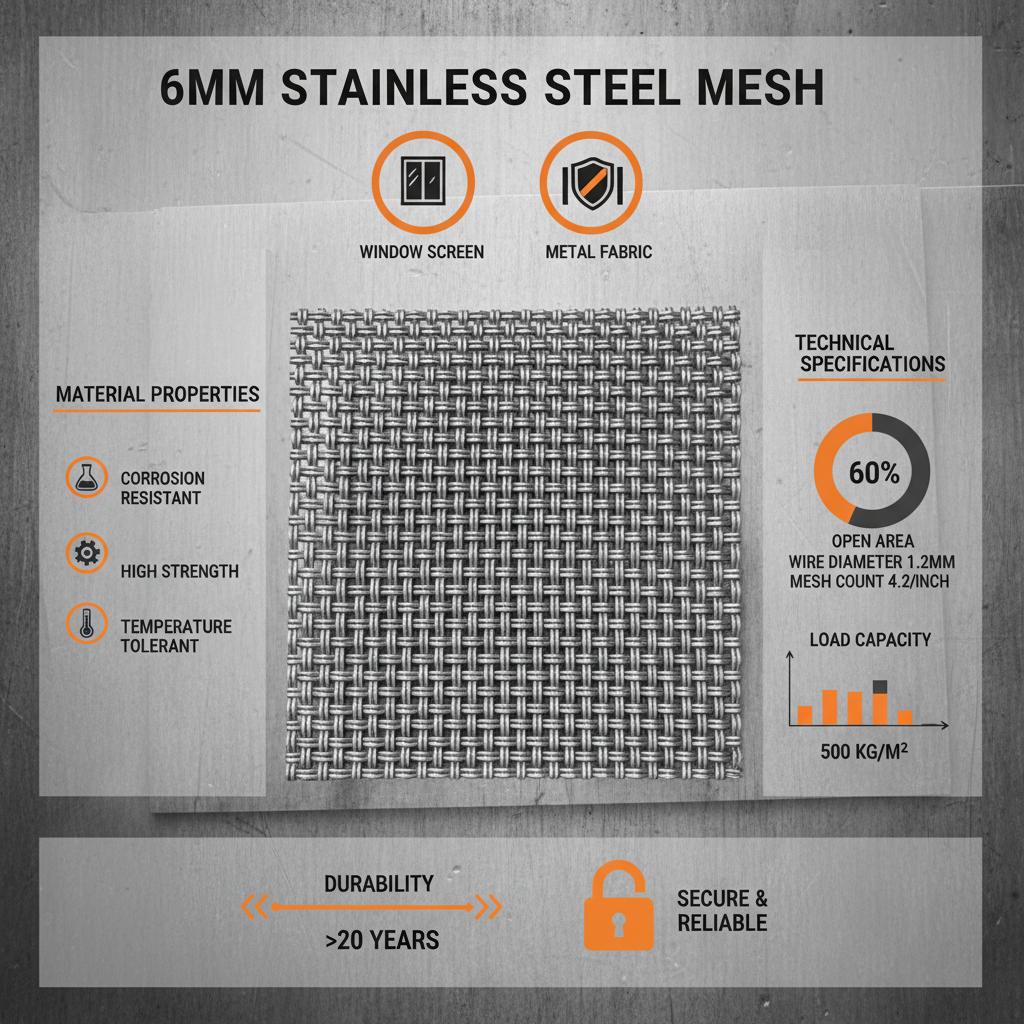
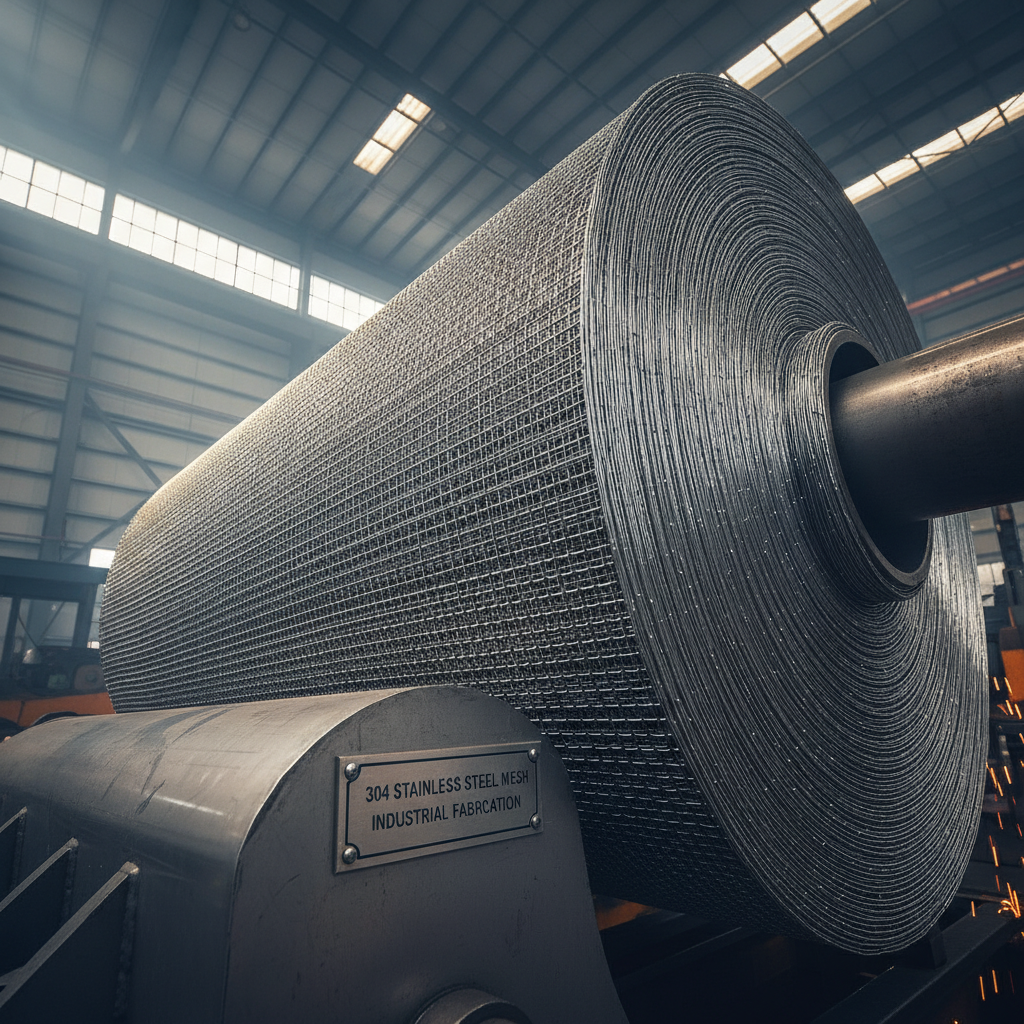
Stainless steel 20 mesh. You hear that term thrown around a lot, especially if you spend your days like I do – knee-deep in dust on construction sites, wrestling with deliveries, and trying to make sure everything lines up with the engineers’ blueprints. It's not just about having a specific grade of metal; it's about having a reliable, consistent material that works in the real world, day in and day out. It's the unsung hero in a lot of applications, from filtration systems to reinforcing structures, and getting the specs right can save you headaches – and money – down the line.
Globally, demand for stainless steel, and specific meshes like 20 mesh, is steadily increasing. The UN estimates a continued rise in infrastructure projects, especially in developing nations, fueling this need. The World Bank reports a focus on sustainable materials, and stainless steel hits that mark. But the real challenge? Consistency. I’ve seen too many projects stalled because the mesh delivered wasn't what was promised – wrong weave, wrong thickness, wrong alloy. That’s where knowing your suppliers and understanding the specifications becomes critical.
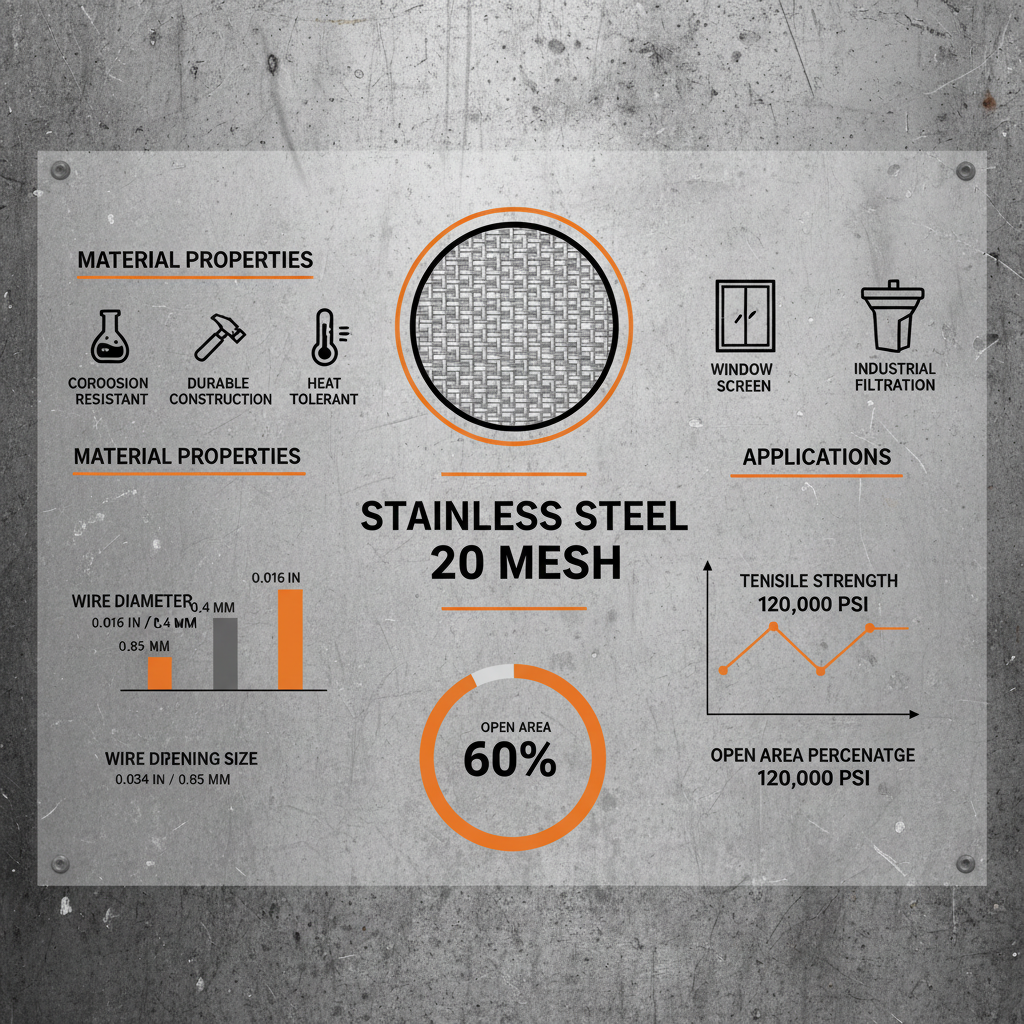
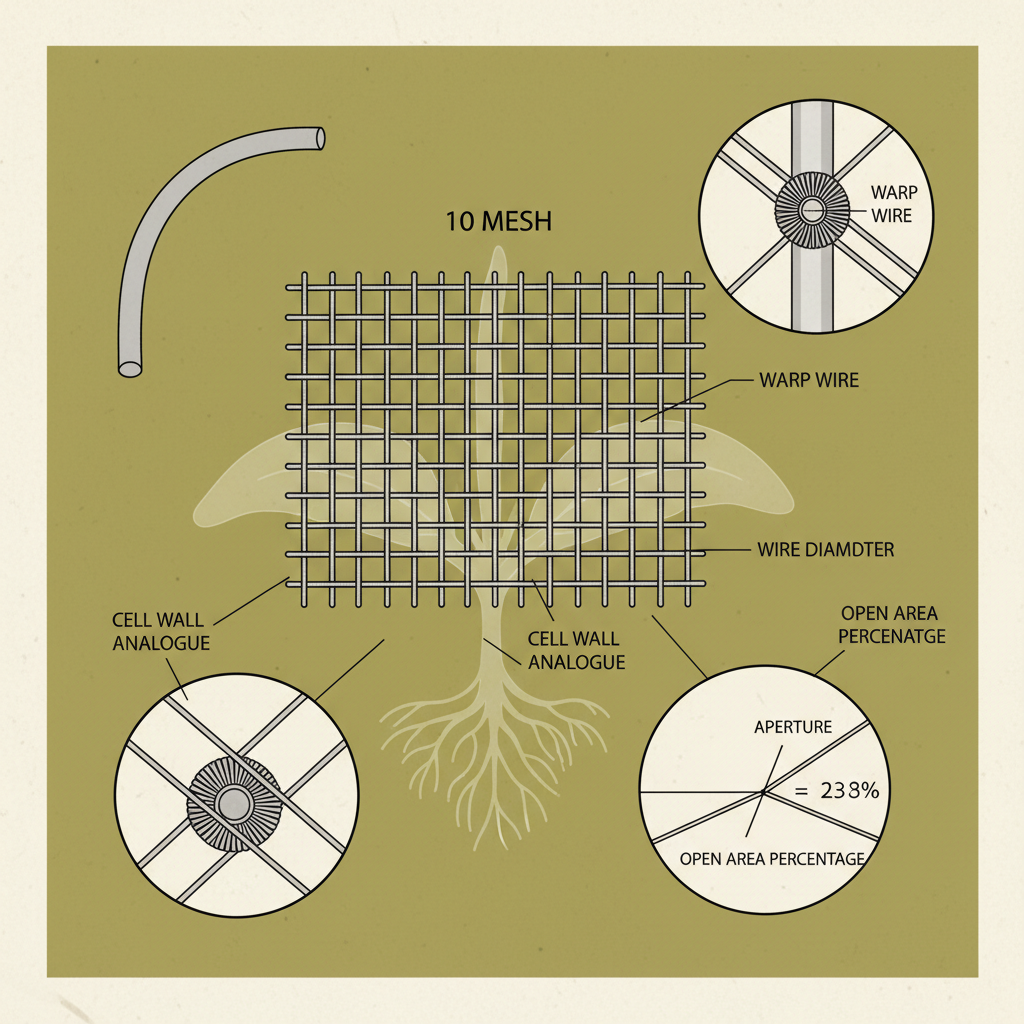
Simply put, stainless steel 20 mesh refers to a woven wire cloth where 20 wires are present per linear inch. Think of it like a grid. The “20 mesh” tells you how fine that grid is. It’s a key specification because it dictates the size of the openings, which in turn dictates what it can filter, what it can hold back, and how it will perform structurally. We use it for everything from securing concrete rebar to ensuring clean water in industrial processes. It’s a bedrock material in modern industry, and crucial for humanitarian efforts needing reliable filtration.
The Importance of Stainless Steel 20 Mesh
Look, I’ve seen a lot of materials come and go. But stainless steel 20 mesh sticks around because it’s tough. It's not glamorous, but it works. The key is understanding that 20 mesh isn’t just a number; it’s a guarantee of a certain level of performance. It dictates how well it’ll filter, how strong it is, and ultimately, how long it'll last on the job site.
That consistency matters. You can’t afford to have a filter clog halfway through a process, or a support structure fail under load. These aren’t theoretical concerns; these are real-world problems that cost time, money, and sometimes, even lives. That's why I always preach knowing your specs and trusting your supplier. stainless steel 20 mesh is a crucial element in building lasting infrastructure.
Global Relevance and Industry Context
The demand for stainless steel 20 mesh is intrinsically linked to global infrastructure development. Massive projects are underway in Asia, Africa, and South America, all requiring robust materials for water treatment, construction, and manufacturing. These projects aren't just about building things; they’re about providing clean water, sanitation, and economic opportunities.
We’re also seeing a surge in demand from the energy sector – particularly in renewable energy. Solar panel manufacturing and wind turbine components often rely on stainless steel meshes for filtration and support. The push towards sustainable practices is accelerating the need for durable, corrosion-resistant materials like stainless steel. It’s not just about building bigger; it’s about building better.
However, with this increased demand comes increased scrutiny. Supply chain disruptions, fluctuating material costs, and quality control issues are all major concerns. I’ve seen projects delayed for months waiting for the correct mesh, or worse, forced to use substandard materials that compromised the integrity of the entire project.
Defining Stainless Steel 20 Mesh
Okay, let's get specific. Stainless steel 20 mesh means there are 20 openings per inch. That’s the fundamental definition. But it's not just about the number of openings; it's about what that means for the application. A finer mesh – higher number – means smaller openings, better filtration, but also potentially reduced flow rate. A coarser mesh – lower number – means larger openings, higher flow rate, but less filtration.
Understanding this relationship is crucial. You can’t just pick a mesh size randomly. You have to consider what you’re trying to achieve. Are you filtering out sediment? Supporting a heavy load? Preventing access? The answer dictates the right mesh size and the right alloy of stainless steel.
This isn’t some abstract concept. We're talking about critical infrastructure, ensuring safe drinking water, protecting sensitive equipment, and guaranteeing structural integrity. It’s a deceptively simple specification with massive implications for the success of any project.
Core Properties of Stainless Steel 20 Mesh
The beauty of stainless steel 20 mesh isn't just in its precise openings; it's in the material itself. First, there’s the corrosion resistance. I've worked in coastal environments where anything less would have rusted to dust in a matter of months. Second, the strength-to-weight ratio is excellent. It can handle significant loads without adding excessive weight to the structure.
Then you've got the durability. It's not brittle; it can withstand flexing and vibration without failing. This is a huge advantage in applications where movement or stress is a factor. Finally, and importantly, it’s relatively easy to fabricate and weld. It can be cut, shaped, and joined to other materials with standard tools and techniques.
Stainless Steel 20 Mesh Performance Metrics
Applications Across Industries
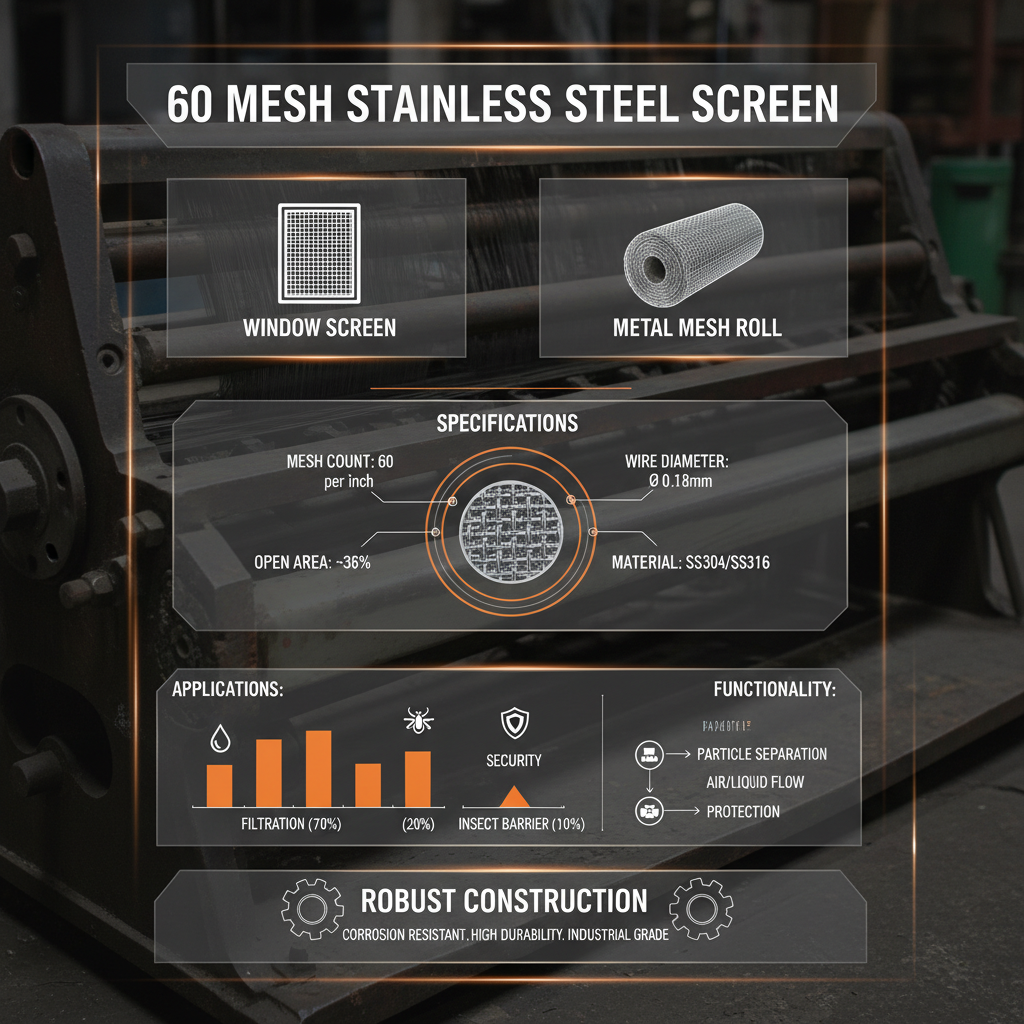
I’ve seen stainless steel 20 mesh used in countless applications. In water treatment plants, it filters out sediment and debris, ensuring clean drinking water. In the food and beverage industry, it's used for straining and separating ingredients. In construction, it reinforces concrete and provides structural support.
We also use it heavily in the chemical processing industry, where its corrosion resistance is absolutely critical. It's ideal for handling aggressive chemicals and maintaining process integrity. And in post-disaster relief operations, stainless steel 20 mesh is often used for creating portable water filtration systems, providing clean water to communities in need. stainless steel 20 mesh is incredibly versatile.
Advantages and Long-Term Value
The initial cost of stainless steel 20 mesh can be higher than some alternatives, no question. But you have to look at the long-term value. The durability and corrosion resistance translate to lower maintenance costs and a longer lifespan. That means less downtime, fewer repairs, and ultimately, a lower total cost of ownership.
Beyond the financial benefits, there's the peace of mind. Knowing you've used a reliable material that will perform consistently for years to come is invaluable. It's about building trust with your clients, protecting your reputation, and ensuring the safety and longevity of the project.
Future Trends and Innovation
We're seeing some exciting developments in stainless steel technology. New alloys are being developed with even greater corrosion resistance and strength. There’s also a growing focus on sustainable manufacturing processes, reducing the environmental impact of stainless steel production.
Digital fabrication techniques, like laser cutting and waterjet cutting, are making it easier to create custom mesh shapes and sizes. Automation is streamlining the manufacturing process, reducing costs and improving consistency. And the demand for specialized meshes, tailored to specific applications, is driving innovation in the industry.
The integration of smart sensors into stainless steel meshes is another emerging trend. These sensors can monitor factors like stress, corrosion, and temperature, providing real-time data to optimize performance and prevent failures.
Summary of Key Factors Influencing Stainless Steel 20 Mesh Selection
| Application Requirements |
Stainless Steel Grade |
Mesh Aperture Size (20 Mesh) |
Environmental Conditions |
| Water Filtration - Municipal Supply |
304 Stainless Steel |
20 Mesh (0.841 mm opening) |
Moderate Chloride Levels |
| Food Processing - Straining Liquids |
316 Stainless Steel |
20 Mesh (0.841 mm opening) |
Frequent Cleaning, Sanitary Requirements |
| Concrete Reinforcement |
304 Stainless Steel |
20 Mesh (0.841 mm opening) |
Alkaline Environment, Potential for Corrosion |
| Chemical Filtration - Mild Acids |
316 Stainless Steel |
20 Mesh (0.841 mm opening) |
Exposure to Corrosive Chemicals |
| HVAC Filtration - Dust & Debris |
304 Stainless Steel |
20 Mesh (0.841 mm opening) |
Moderate Humidity, Airflow |
| Industrial Screening - Particle Separation |
304 Stainless Steel |
20 Mesh (0.841 mm opening) |
Varying Temperatures, Potential Abrasion |
FAQS
That's a common question. 304 is the standard, versatile option, great for general corrosion resistance. 316 adds molybdenum, which significantly improves resistance to chlorides and saltwater, making it ideal for marine environments or chemical processing. It’s about choosing the right tool for the job – 316 is more expensive, but worth it if corrosion is a major concern.
Start by identifying what you need to filter or contain. Smaller openings (higher mesh number) mean finer filtration, but also lower flow rate. Consider the particle size you’re trying to remove, the pressure drop you can tolerate, and the overall system requirements. When in doubt, it’s always best to consult with a materials engineer or supplier.
Yes, but “corrosion-resistant” doesn’t mean “corrosion-proof.” Stainless steel forms a passive layer that protects against corrosion, but this layer can be broken down by certain chemicals or harsh environments. Choosing the right grade (304 vs. 316) and proper maintenance are key to maximizing corrosion resistance.
Absolutely. Stainless steel is generally weldable using standard techniques like TIG, MIG, and stick welding. However, you need to use the correct welding procedures and filler materials to maintain corrosion resistance. Post-weld cleaning is also essential to remove any contaminants that could compromise the passive layer.
Request a material test report (MTR) from your supplier. This report details the chemical composition and mechanical properties of the steel, confirming it meets the specified standards. Also, visually inspect the mesh for any defects, inconsistencies, or signs of corrosion.
Lead times vary depending on the quantity, size, and complexity of the order. Standard sizes are usually available in stock. Custom orders can take anywhere from a few weeks to several months, especially if specialized alloys or fabrication is required. It's always best to plan ahead and place your order well in advance.
Conclusion
Stainless steel 20 mesh isn't just a product; it’s a foundational material underpinning countless industries and applications. From ensuring clean water to reinforcing critical infrastructure, its durability, corrosion resistance, and versatility make it an indispensable component in a modern world. Understanding its properties, applications, and future trends is crucial for anyone involved in construction, manufacturing, or engineering.
Looking ahead, the demand for stainless steel 20 mesh will only continue to grow. By embracing innovation, focusing on sustainability, and prioritizing quality control, we can ensure that this material remains a reliable and effective solution for generations to come. If you're looking for high-quality stainless steel 20 mesh, visit our website today.