In the demanding world of industrial filtration and separation, the stainless steel metal screen stands as a cornerstone of operational efficiency. From the precise sifting of pharmaceutical powders to the rugged demands of mining and petrochemical processing, these screens provide the critical interface between raw material and refined product. Understanding the nuances of material grade, weave patterns, and aperture precision is not just a technical requirement but a strategic advantage for any facility aiming to reduce downtime and maximize yield.
Globally, the shift toward sustainable manufacturing has placed a premium on materials that offer longevity and recyclability. A high-quality stainless steel metal screen reduces the frequency of replacements, thereby lowering the total cost of ownership and minimizing industrial waste. As industries move toward "Industry 4.0," the integration of high-precision mesh solutions allows for tighter quality control and more predictable production cycles, ensuring that only the highest grade of materials passes through the production line.
Whether you are managing a complex chemical plant or upgrading a food processing facility, the choice of a stainless steel metal screen impacts everything from safety compliance to final product purity. By leveraging the inherent corrosion resistance and mechanical strength of stainless steel, engineers can design systems that withstand extreme temperatures and corrosive environments, ensuring that the heart of the filtration process remains intact and effective over years of continuous operation.
Global Relevance of Stainless Steel Metal Screen
The global industrial landscape relies heavily on precise separation technologies, where the stainless steel metal screen serves as an essential component. According to ISO standards for industrial mesh, the ability to maintain dimensional stability under high pressure is what separates professional-grade screens from generic alternatives. In regions like East Asia and North America, the demand for these screens has spiked alongside the growth of the semiconductor and pharmaceutical sectors, where even a micron-level deviation can result in catastrophic batch failure.
The primary challenge facing modern plants is the battle against corrosion and mechanical wear. Traditional materials often succumb to oxidation or chemical degradation, leading to frequent shutdowns. By implementing a robust stainless steel metal screen, companies can adhere to stringent environmental and safety regulations, ensuring that no contaminants enter the supply chain and that the equipment operates at peak efficiency regardless of the harshness of the processing environment.
Defining the Engineering of Metal Screens
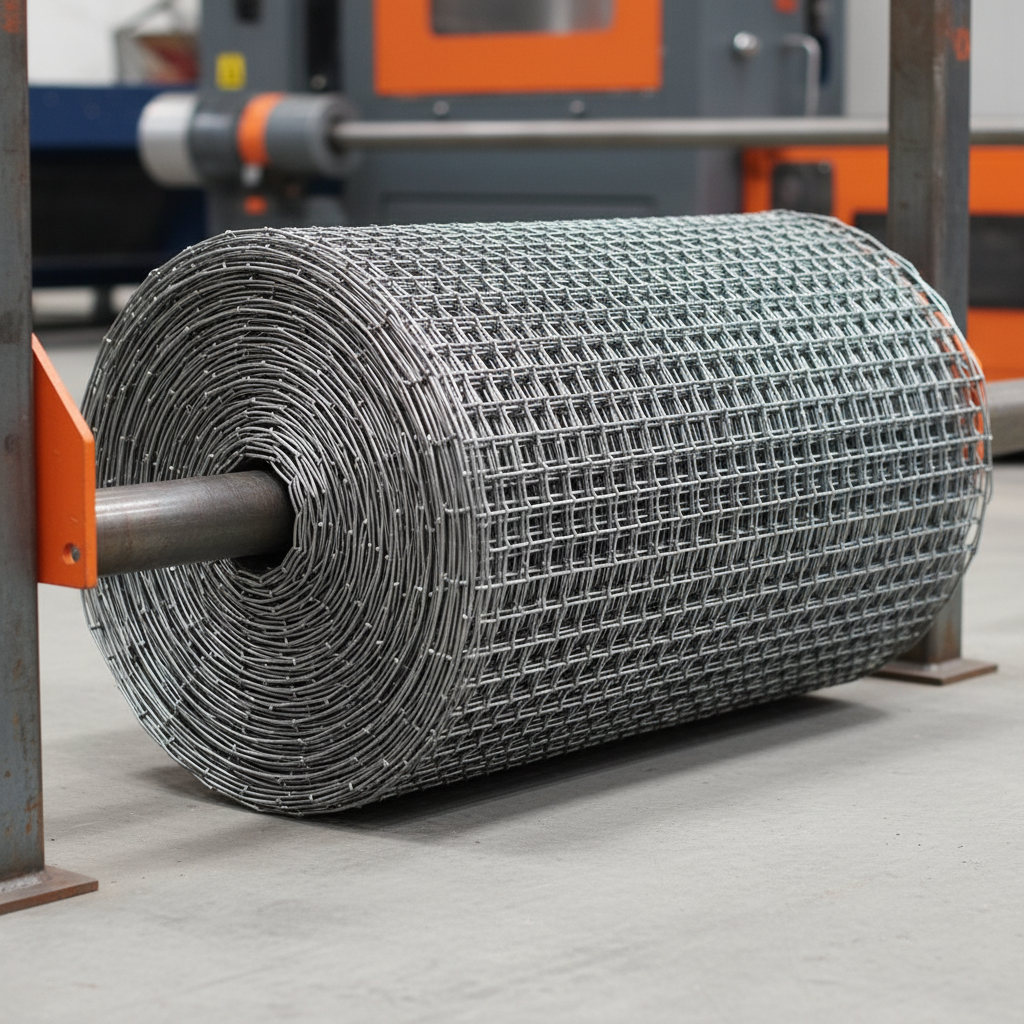
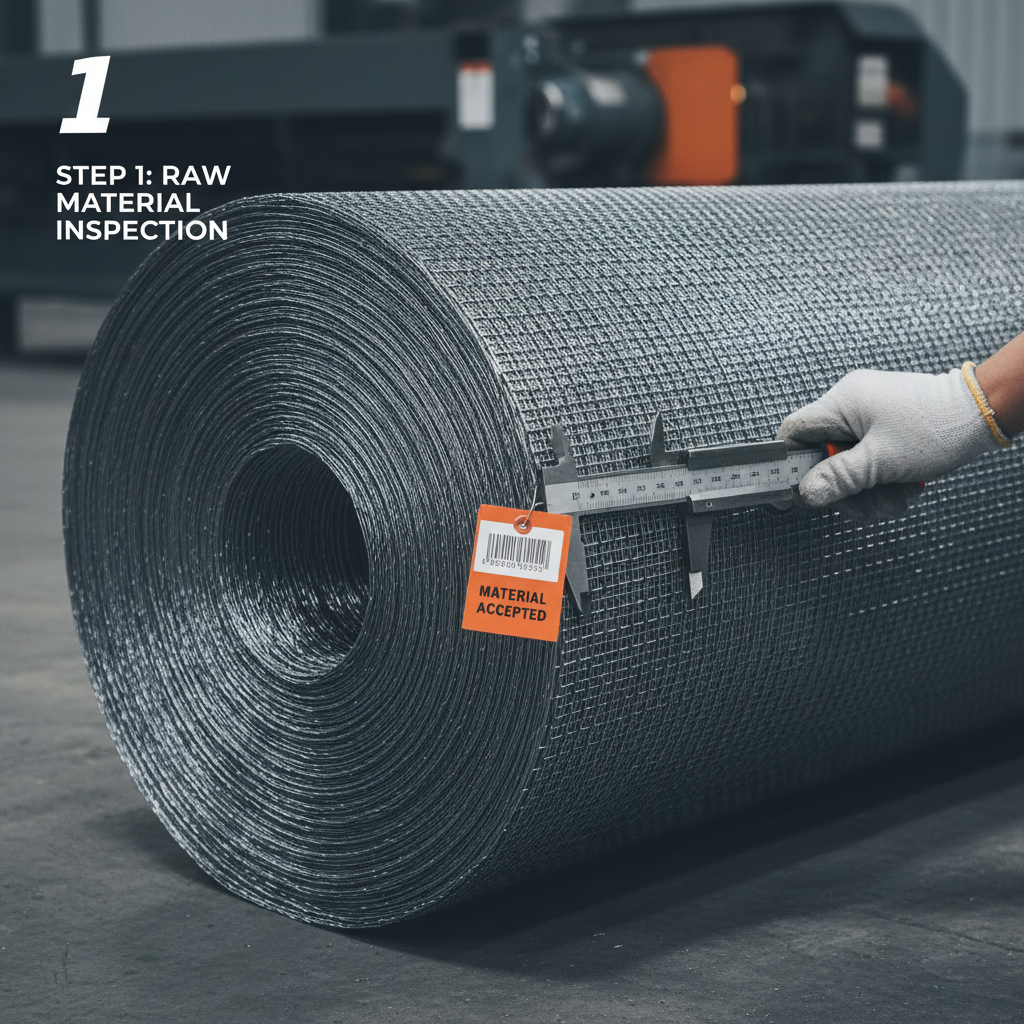
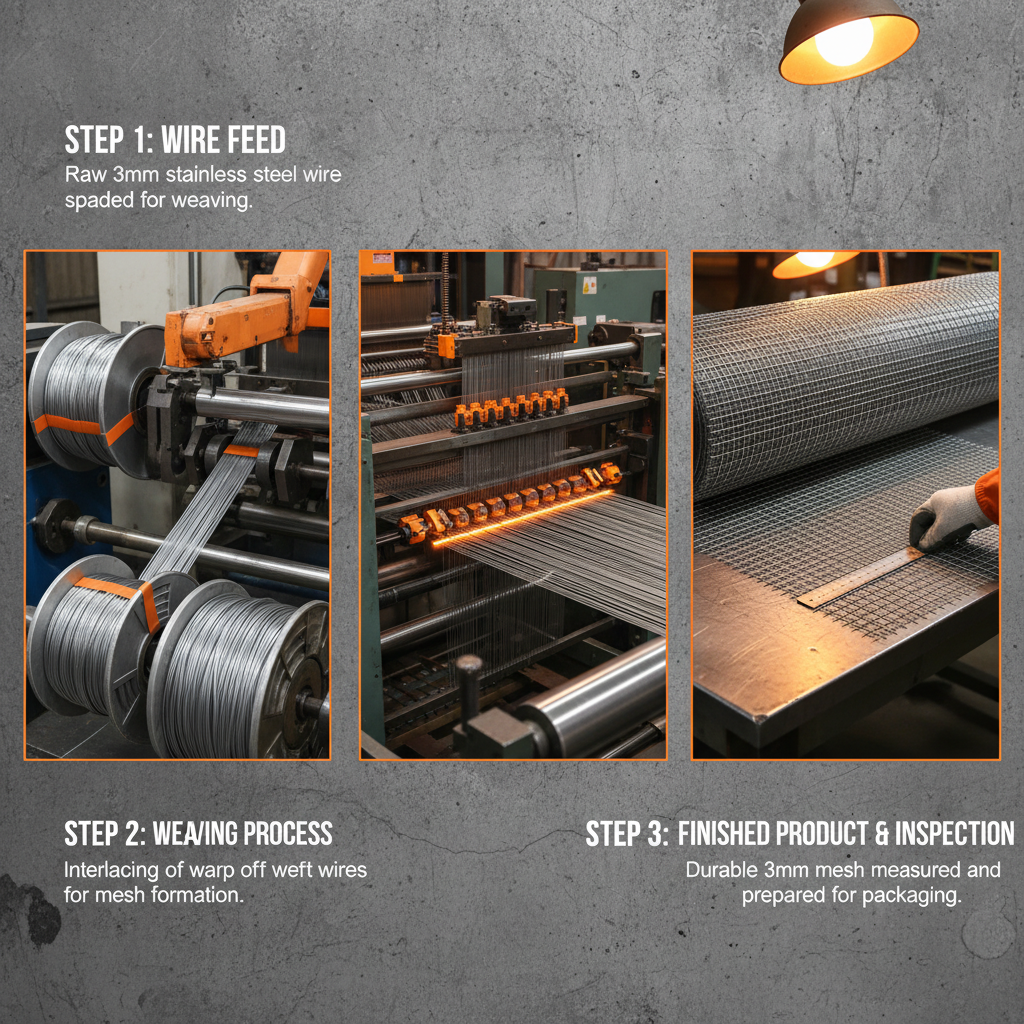
In simple terms, a stainless steel metal screen is a precision-engineered grid created by weaving or welding stainless steel wires into a specific pattern. Unlike standard wire mesh, these industrial screens are designed with exacting tolerances to ensure that only particles of a specific size can pass through. This makes them indispensable for "sizing," "scalping," and "filtering" operations across virtually every manufacturing sector.
Beyond the basic definition, these screens are an intersection of metallurgy and geometry. The choice between a plain weave, twill weave, or Dutch weave determines the screen's open area and its ability to handle heavy loads. This technical versatility allows the screens to be adapted for humanitarian needs, such as water purification systems in developing regions, where durability and ease of maintenance are critical for long-term viability.
Modern industry views the stainless steel metal screen not just as a filter, but as a quality assurance tool. By controlling the flow of materials with absolute precision, manufacturers can ensure consistency in their final products. Whether it is for Fabrication Mesh or specialized Conveyor Belts, the engineering goal is to balance airflow or liquid flow with the structural integrity required to resist blinding and clogging.
Core Components of Screen Performance
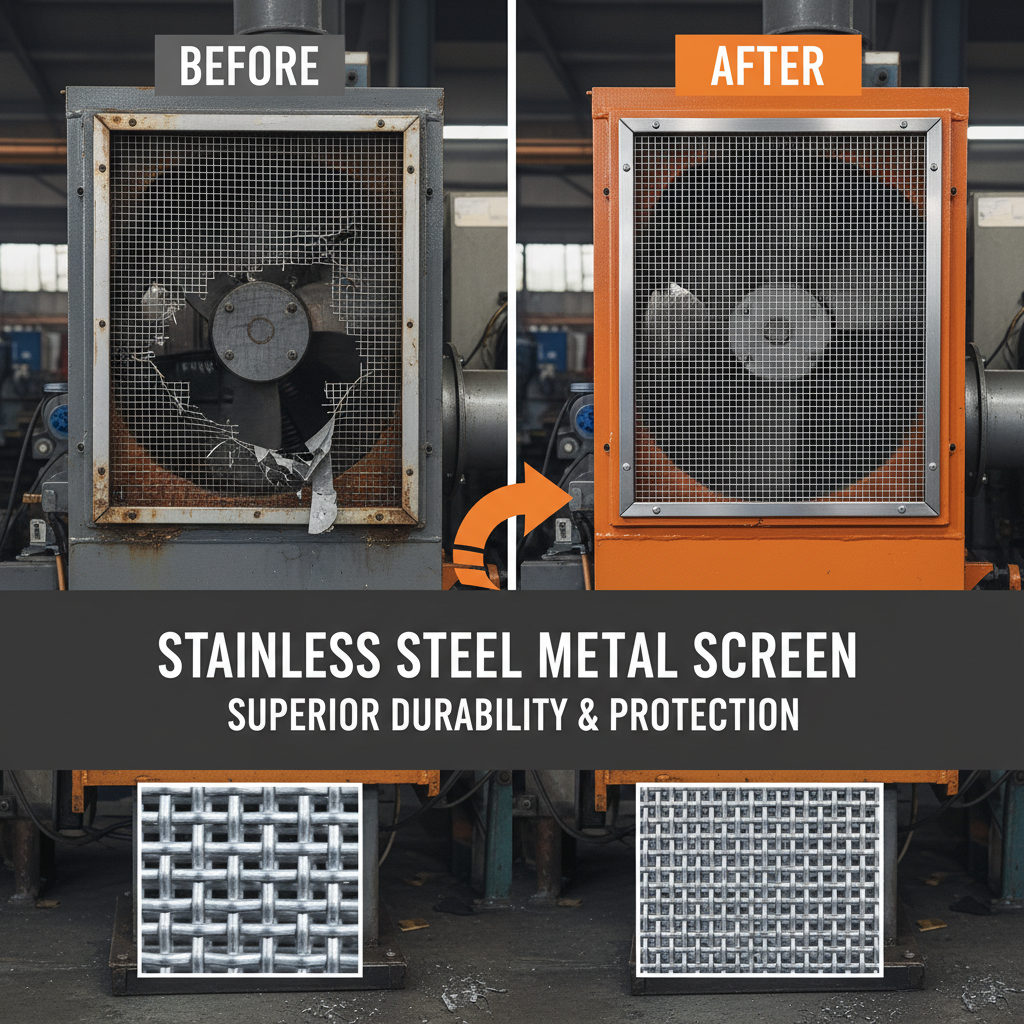
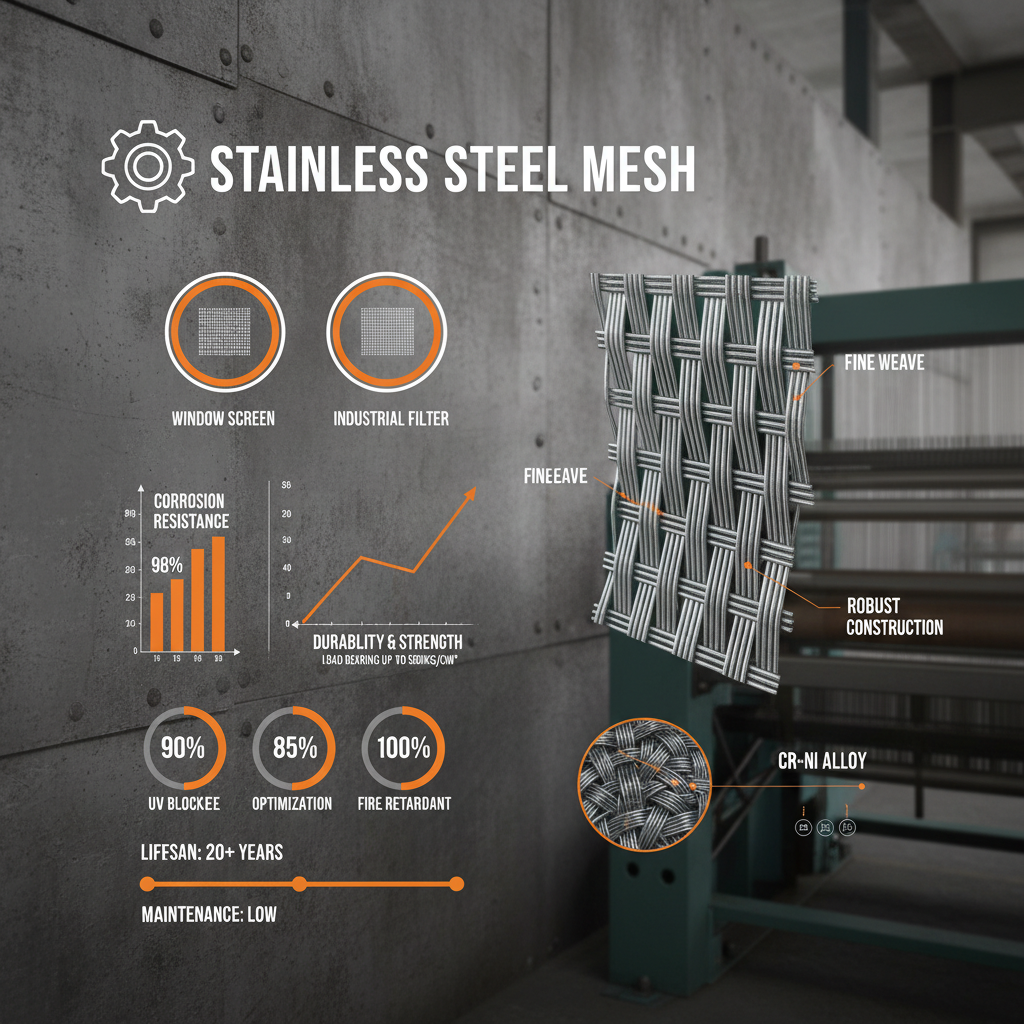
Durability is the foremost attribute of any stainless steel metal screen. The use of grades like 304, 316, or 316L ensures that the mesh can withstand corrosive chemicals and extreme temperatures. This resilience is critical in applications such as chemical processing, where acidic or alkaline solutions would quickly destroy lesser materials, leading to costly leaks and contamination.
Scalability and customization are equally vital. A stainless steel metal screen must be tailorable in terms of wire diameter and mesh count to fit the specific viscosity of the material being filtered. For example, in the food and beverage industry, the screens must be designed to avoid "dead zones" where organic material can accumulate, thereby meeting strict hygiene standards and reducing the need for aggressive chemical cleaning.
Cost-efficiency is realized not through the initial purchase price, but through the lifecycle value. A high-performance stainless steel metal screen reduces the frequency of maintenance cycles and minimizes production downtime. When calculating the ROI, the longevity of stainless steel—often lasting five to ten times longer than nylon or galvanized steel—makes it the most logical choice for high-volume industrial environments.
Industrial Use Cases and Global Applications
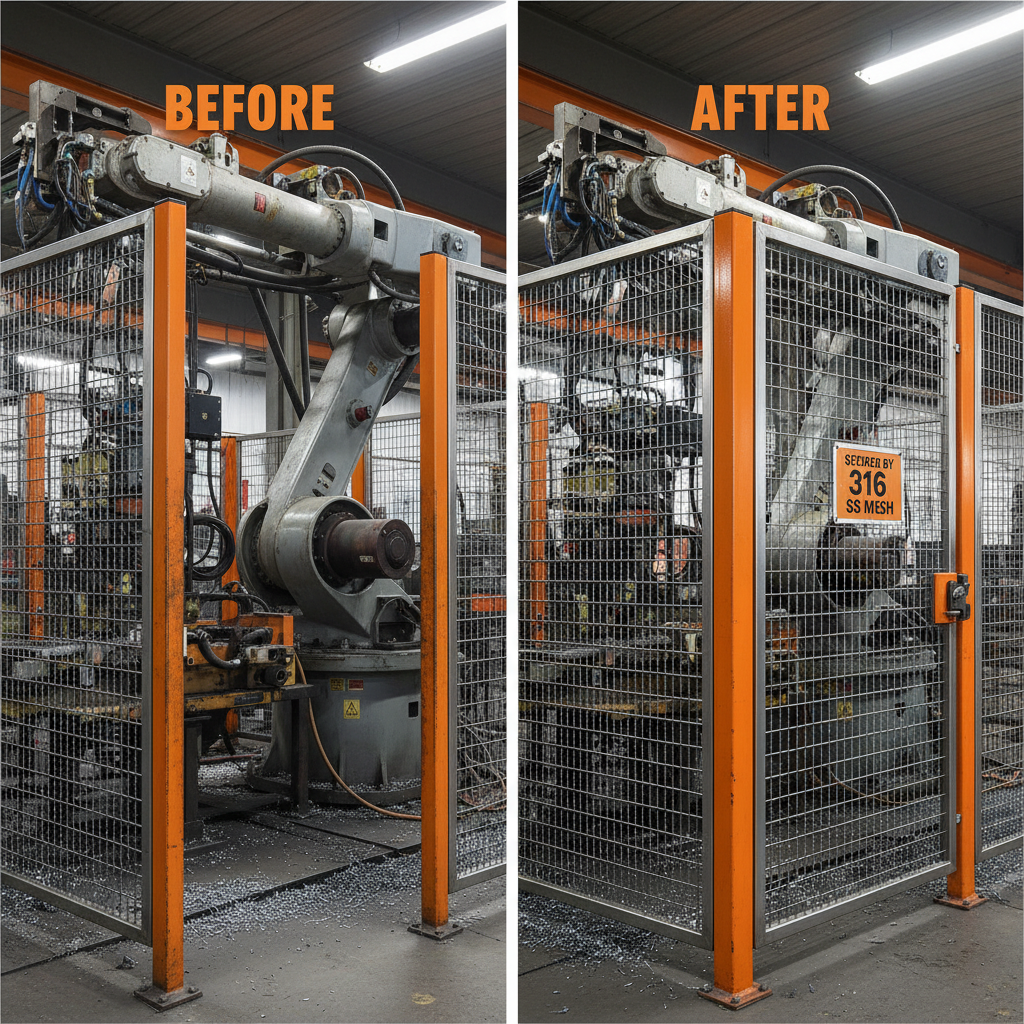
The application of the stainless steel metal screen spans the globe, from the mining pits of Australia to the high-tech labs of Germany. In the mining sector, heavy-duty screens are used to separate ore from waste rock, utilizing the high tensile strength of the steel to handle tons of abrasive material per hour. Meanwhile, in urban environments, Security Window Screens utilize the same mesh technology to provide high-strength protection without sacrificing visibility or ventilation.
In specialized contexts, such as pharmaceutical production, these screens are utilized for the precise granulation of medicines. In remote industrial zones, such as oil rigs in the North Sea, the corrosion resistance of the stainless steel metal screen is the only thing preventing salt-air degradation from compromising the filtration systems. This versatility ensures that whether the goal is safety, purity, or resource extraction, there is a mesh configuration that fits the need.
Performance Metrics of Various Stainless Steel Metal Screen Types
Long-Term Value and Economic Advantages
The adoption of a professional stainless steel metal screen offers a powerful blend of logical economic gains and emotional peace of mind. From a logical standpoint, the reduction in replacement parts and labor costs is immediate. By investing in higher-grade alloys, companies effectively "future-proof" their equipment, ensuring that as production volumes increase, the filtration system does not become a bottleneck.
Beyond the balance sheet, there is the element of trust and safety. In industries where a single contaminant can lead to a massive product recall—such as infant formula or injectable medications—the reliability of a stainless steel metal screen is a safeguard for the company's reputation. The knowledge that the screen will not fray, rust, or tear provides the operational confidence necessary to scale production without the constant fear of system failure.
Future Trends in Filtration Technology
The evolution of the stainless steel metal screen is now being driven by the digital transformation of manufacturing. We are seeing the rise of "smart screens" integrated with sensors that can detect pressure drops in real-time, alerting operators to clogging before it leads to a system shutdown. This synergy between traditional metallurgy and IoT (Internet of Things) is transforming passive filters into active data points within a factory's ecosystem.
Sustainability is another primary driver. New fabrication techniques are reducing the material waste during the weaving process, and there is an increasing focus on "circular" stainless steel—material that is recycled from old industrial screens and refined back to primary grade. This aligns with global green energy initiatives, reducing the carbon footprint of the steel production process.
Furthermore, nanotechnology is beginning to influence screen design. By applying nano-coatings to a stainless steel metal screen, manufacturers can create "super-hydrophobic" or "oleophobic" surfaces. These coatings prevent oils and water from sticking to the wires, drastically reducing the frequency of cleaning and increasing the flow rate of the materials being processed.
Overcoming Common Implementation Challenges
Despite their advantages, implementing a stainless steel metal screen is not without challenges. The most common issue is "blinding," where particles become lodged in the weave, blocking the flow. To combat this, experts suggest utilizing sonic cleaners or automatic brush systems that clear the screen without requiring a full system shutdown, maintaining a steady production cadence.
Another challenge is the initial cost barrier compared to synthetic meshes. However, the solution lies in a "Total Cost of Ownership" (TCO) analysis. When you factor in the cost of downtime, labor for frequent replacements, and the risk of product contamination, the stainless steel option almost always emerges as the more affordable choice over a 24-month period.
Finally, selecting the wrong alloy for the specific chemical environment can lead to premature pitting corrosion. The solution is to conduct a thorough chemical audit of the process fluids. Consulting with material scientists to choose between 304 for general use and 316L for high-chloride environments ensures that the stainless steel metal screen performs as intended without unexpected degradation.
Comparative Analysis of Stainless Steel Metal Screen Material Grades
| Material Grade |
Corrosion Resistance |
Mechanical Strength |
Recommended Use Case |
| SS 304 |
Moderate |
High |
General Industrial Sifting |
| SS 316 |
Very High |
High |
Marine & Chemical Processing |
| SS 316L |
Extreme |
Moderate |
Pharmaceutical & Food Grade |
| Duplex 2205 |
Superior |
Extreme |
Oil & Gas Heavy Filtration |
| SS 430 |
Low |
High |
Dry Environment Sifting |
| Hastelloy |
Maximum |
High |
Aggressive Acid Filtration |
FAQS
The primary difference is the addition of molybdenum in SS 316, which significantly enhances its resistance to chlorides and salt water. While SS 304 is excellent for general purposes and food processing in non-corrosive environments, SS 316 is the industry standard for marine applications and chemical plants where corrosion resistance is the top priority.
Blinding is best prevented by choosing the correct weave pattern—such as a twill weave for better flow—and implementing cleaning protocols. Automated systems like ultrasonic vibrators, reverse air pulses, or mechanical brush cleaners are highly effective in keeping the apertures clear and maintaining high throughput.
Yes, industrial stainless steel metal screens can be custom-fabricated to extremely precise specifications. By adjusting the wire diameter and the mesh count (number of openings per inch), manufacturers can create screens that filter everything from coarse minerals down to microscopic particles in the micron range.
Absolutely. Stainless steel is non-reactive and does not leach chemicals into the product. Grade 316L is particularly favored in these industries because its low carbon content prevents carbide precipitation during welding, ensuring a smooth, hygienic surface that is easy to sterilize and compliant with FDA and ISO standards.
Lifespan varies based on the abrasive nature of the material and the environment. However, a high-quality stainless steel screen typically lasts 5 to 10 times longer than synthetic or carbon steel alternatives. Regular maintenance and correct alloy selection can extend this lifespan further, reducing long-term replacement costs.
Proper tensioning is critical to prevent sagging and premature wear. We recommend using industrial-grade clamping systems and ensuring the screen is stretched evenly across the frame. Incorrect tension can lead to "hot spots" of wear, significantly shortening the life of the stainless steel metal screen.
Conclusion
In summary, the stainless steel metal screen is far more than a simple industrial component; it is a critical tool for quality control, safety, and operational efficiency across a vast array of global industries. By balancing material science—such as the choice between SS 304 and 316L—with precise engineering weaves, businesses can drastically reduce their operational downtime and ensure the highest purity of their end products.
Looking ahead, the integration of smart sensors and sustainable manufacturing will continue to elevate the role of filtration technology. We encourage plant managers and engineers to move beyond the initial cost analysis and embrace a lifecycle-value approach to mesh selection. Investing in premium stainless steel solutions today is the most effective way to ensure a resilient, efficient, and sustainable production line for the future. Visit our website: www.stainlessmetalmesh.com