Talk to Us

+86 13633281999

Email Address

ada@xingxinwiremesh.com

High-Performance crimped mesh Solutions for South Korea's Industrial Sector

Precision-engineered stainless steel filtration and security screening tailored for South Korean manufacturing excellence.

High-Performance crimped mesh Solutions for South Korea's Industrial Sector

Integrating advanced metallurgy with South Korea's rigorous industrial standards to provide superior stainless metal mesh for filtration, security, and structural reinforcement.

Industrial Mesh Landscape in South Korea

Analyzing the demand for high-precision metal wire cloth in East Asia's tech hub.

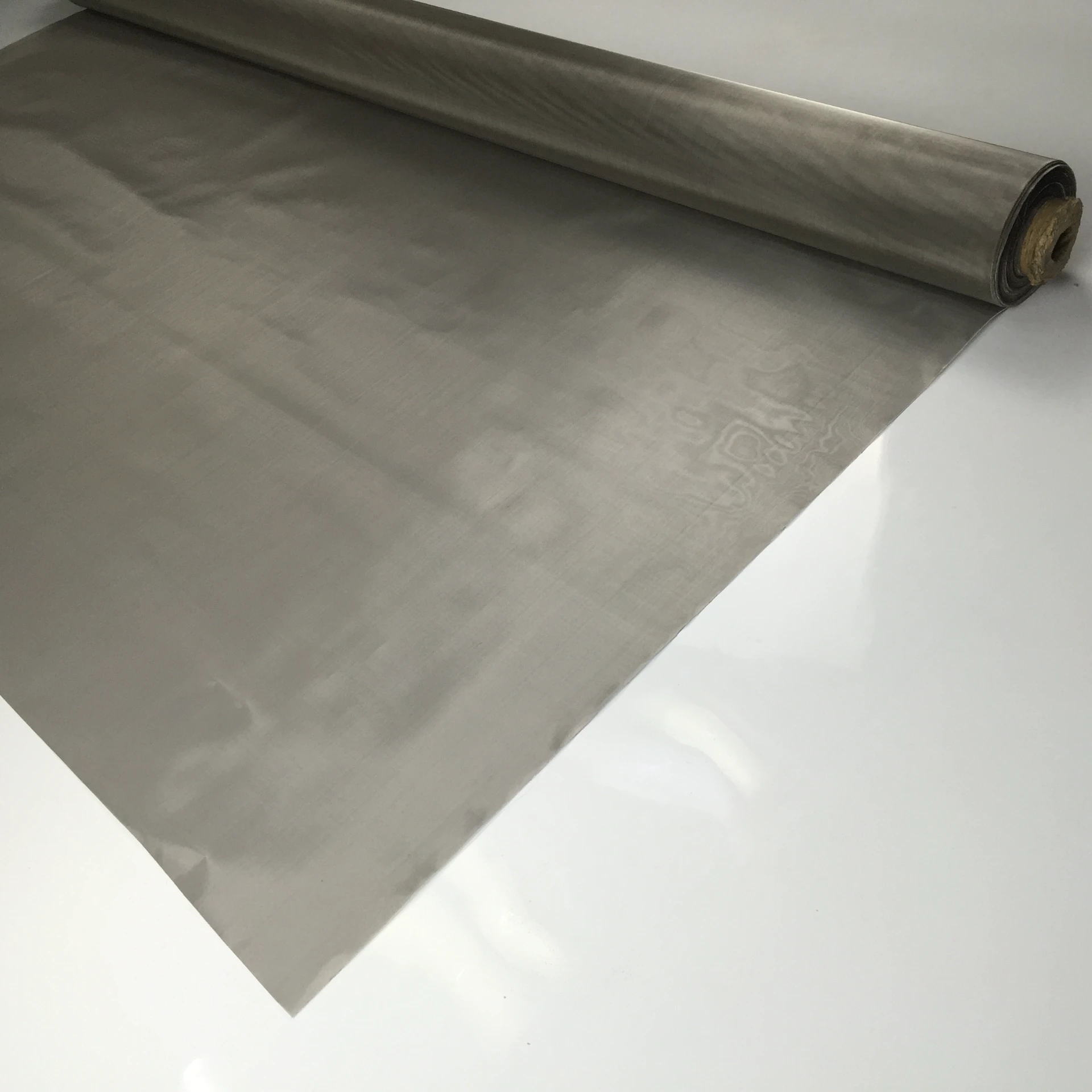
South Korea's manufacturing landscape is dominated by semiconductor, automotive, and shipbuilding industries, which demand extreme precision. The use of stainless steel wire cloth has evolved from basic filtering to high-tolerance components required for clean-room environments and chemical processing plants in Ulsan and Gumi.

The humid coastal climate of the Korean peninsula necessitates the use of high-grade alloys. There is a significant shift toward 316L stainless steel to prevent chloride-induced stress corrosion cracking, particularly in the shipbuilding yards of Busan, where durability against saline environments is non-negotiable.

Furthermore, the rapid urbanization and focus on "Smart Cities" in Seoul and Incheon have surged the demand for security stainless steel mesh, integrating high-tensile strength with architectural aesthetics for critical infrastructure protection.
Evolution of Industrial Screening Technology

From traditional weaving to automated precision engineering.

Market Development History

In the 1980s and 90s, the South Korean market relied heavily on basic galvanized wire products. As the economy shifted toward heavy industry, the transition to stainless metal mesh began, focusing on basic heat resistance and corrosion protection for the early steel mills.

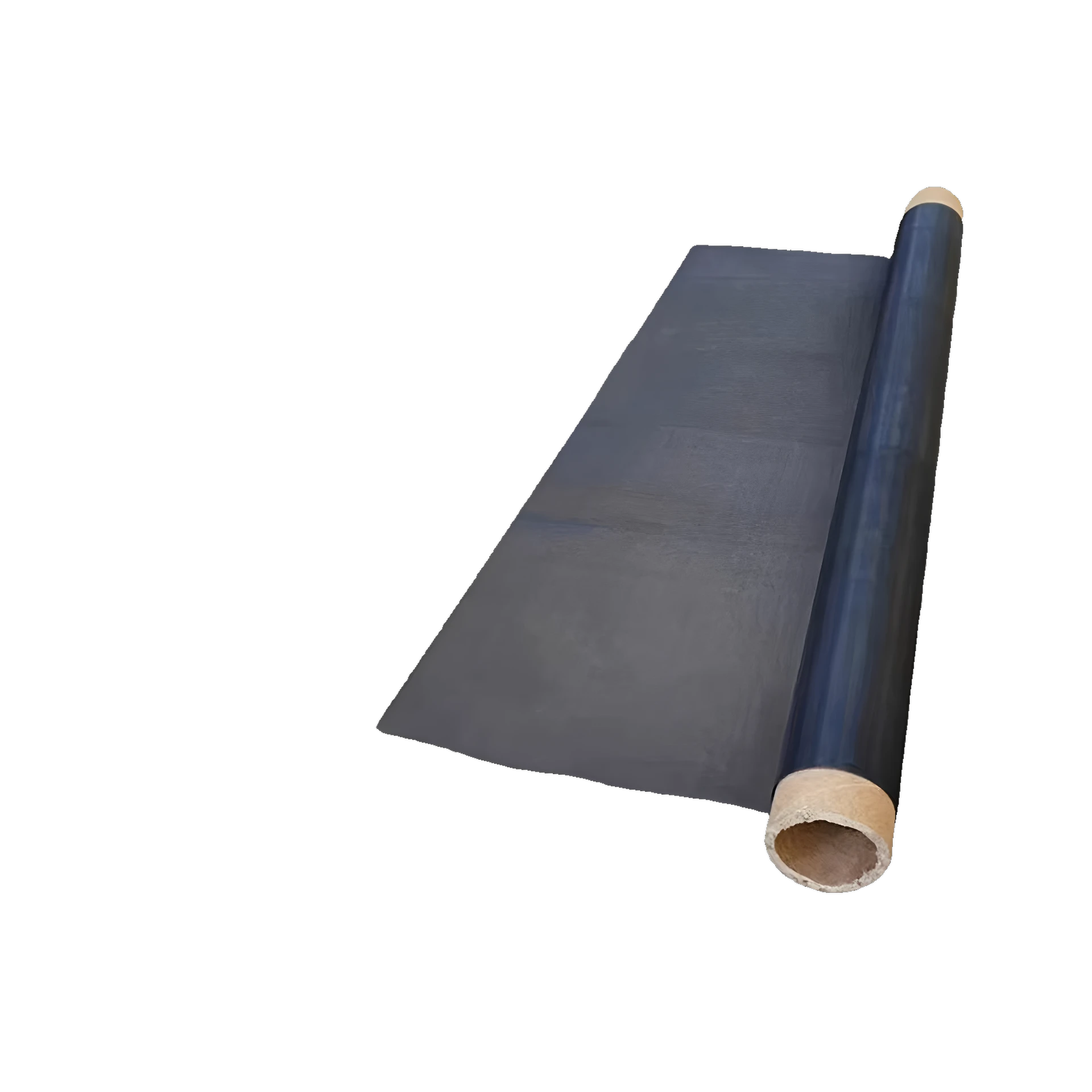
By the 2010s, the emergence of the high-tech electronics sector demanded micron-level precision. This led to the adoption of specialized nickel mesh screen for electronic component filtration and battery separators, moving away from generic weaving to laser-controlled precision.

Today, the industry is characterized by the integration of "Industry 4.0" standards, where mesh specifications are digitally optimized for fluid dynamics and structural load-bearing capacities, ensuring zero-defect manufacturing.

Future Development Trends

Nano-Coated Surface Treatment

Integration of hydrophobic and oleophobic nano-coatings on stainless steel to reduce clogging in chemical filtration systems.

Ultra-High Tensile Security Alloys

Developing next-generation alloys for security screens that offer higher impact resistance with lower weight for urban architecture.

AI-Driven Mesh Optimization

Using simulation software to design custom weave patterns that maximize flow rate while maintaining strict filtration microns.

Strategic Outlook for Metal Mesh Integration

Predicting the technological trajectory of industrial screening in South Korea.

Green Manufacturing Transition
Shift towards recyclable alloys and energy-efficient weaving processes to meet Korea's ESG targets.
Automation Integration
Adoption of robotic welding and cutting for customized mesh panel assembly.
Smart Filtration Systems
Combining metal mesh with IoT sensors to monitor pressure drops in real-time.
Material Diversification
Increasing use of specialty nickel-chromium blends for extreme temperature environments.

Industry Outlook

Based on search trends for "high-precision filtration" and "industrial security" in the South Korean market, we expect a 15% growth in the demand for custom-engineered mesh solutions over the next 3-5 years. The focus is shifting from bulk supply to bespoke engineering.

As South Korea leads the world in EV battery technology, the demand for ultra-fine nickel mesh screen will likely peak, as these materials are critical for electrolyte filtration and electrode separation processes.

Localized Applications in South Korea

Practical deployments of metal mesh across Korea's primary industries.

1. Semiconductor Fabrication Plants (Pyeongtaek/Yongin)

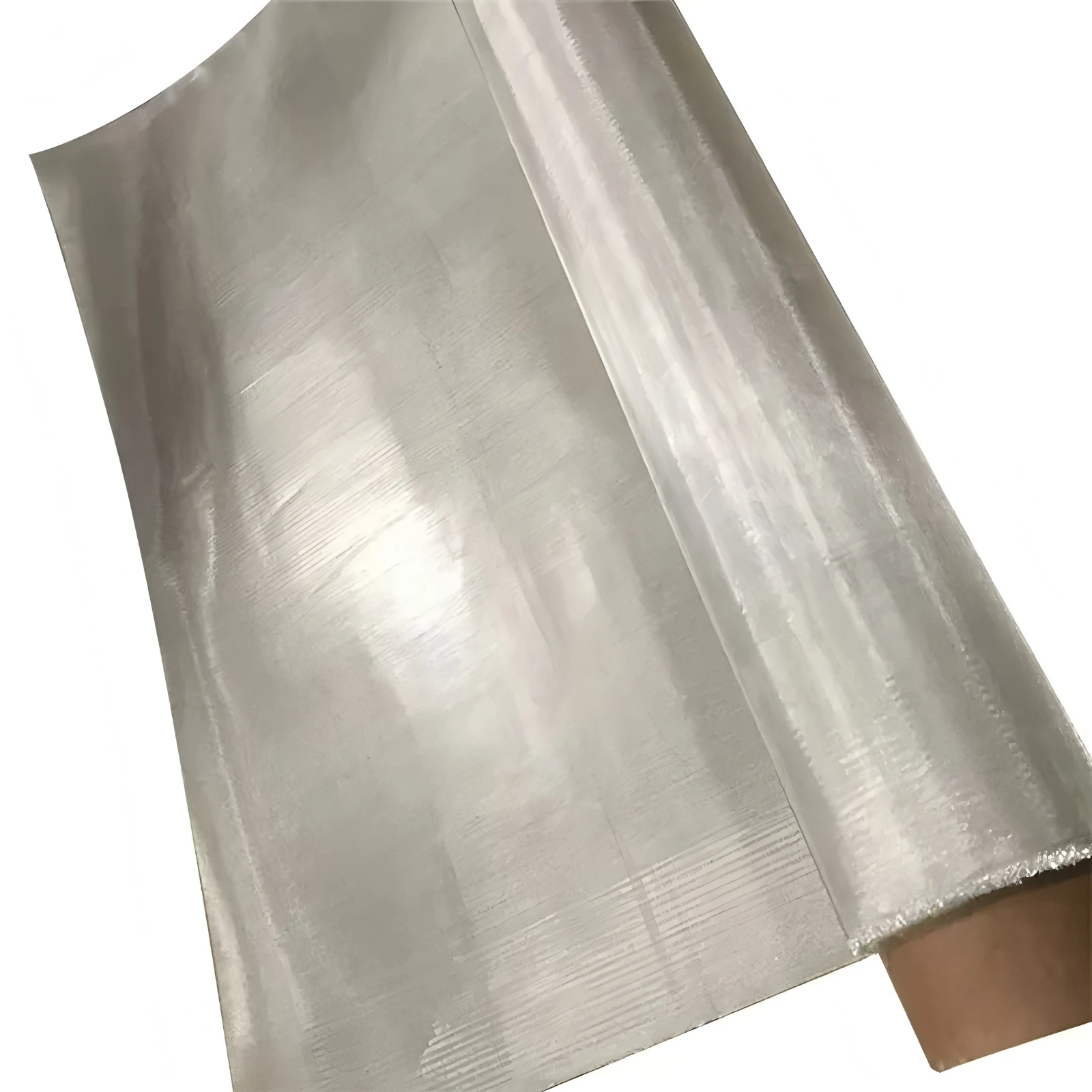
Utilizing high-purity stainless steel wire cloth for gas filtration and particulate control in clean-room environments to ensure zero contamination of silicon wafers.

2. Automotive Battery Production (Cheongju)

Implementation of precision nickel mesh screen for the filtration of cathode materials, ensuring consistent slurry viscosity and particle distribution.

3. Maritime Infrastructure (Busan/Ulsan)

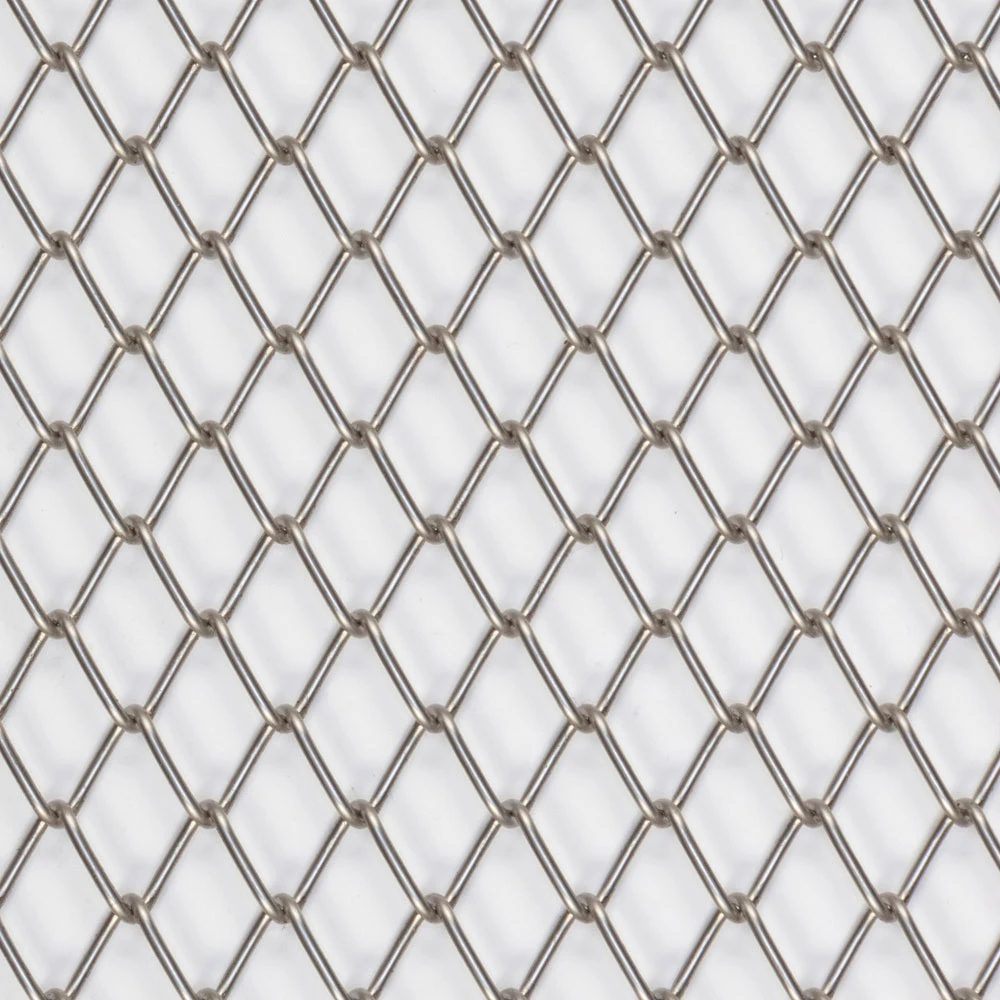
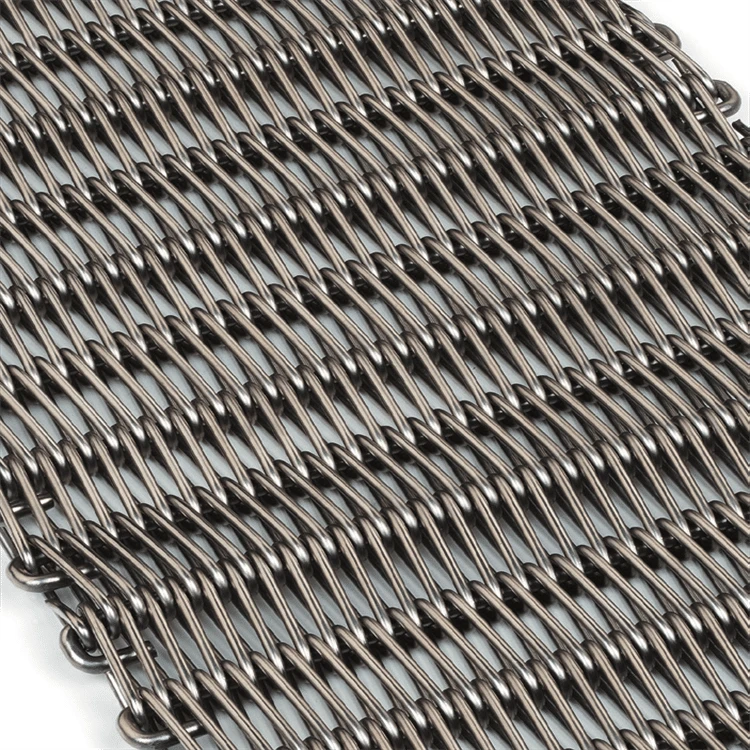
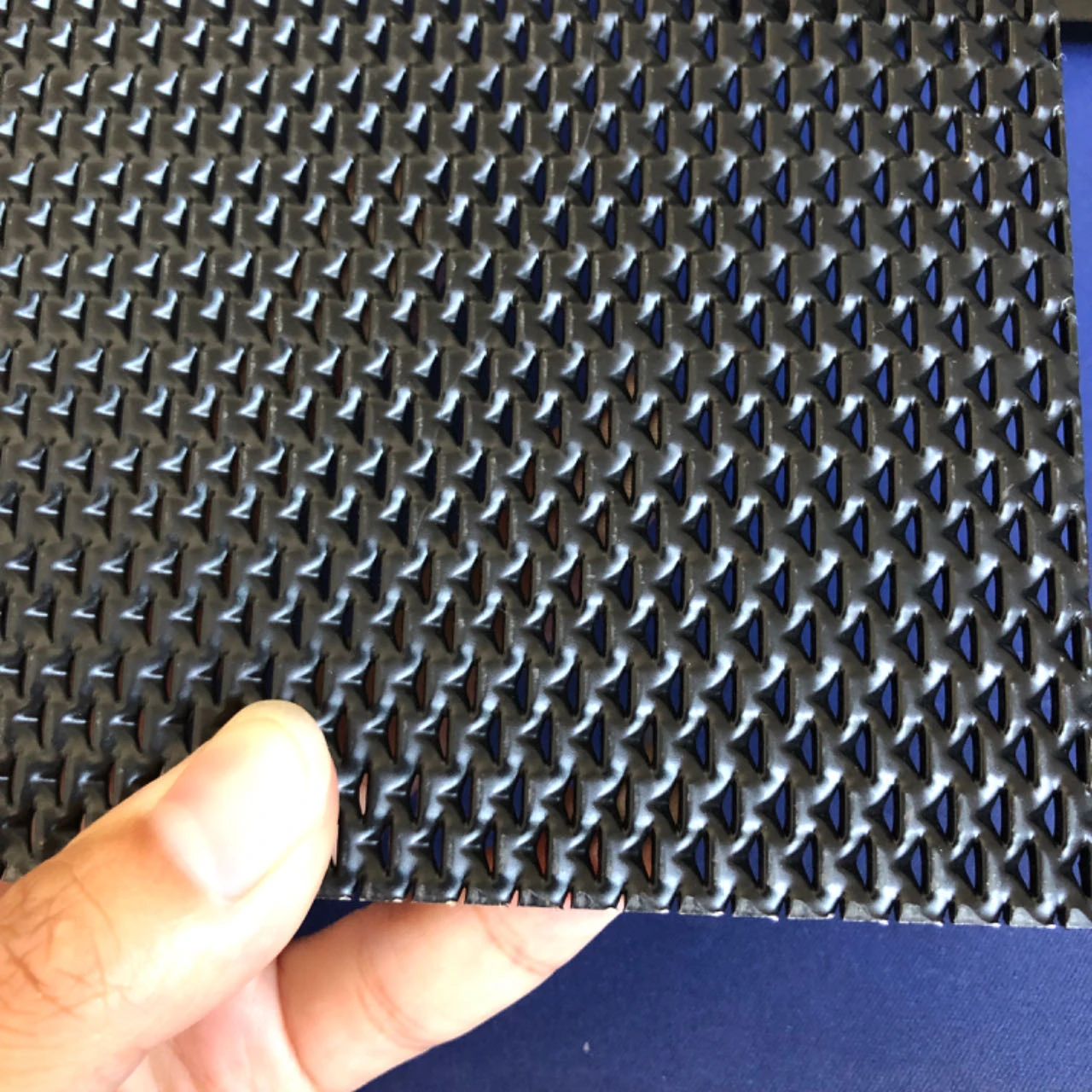
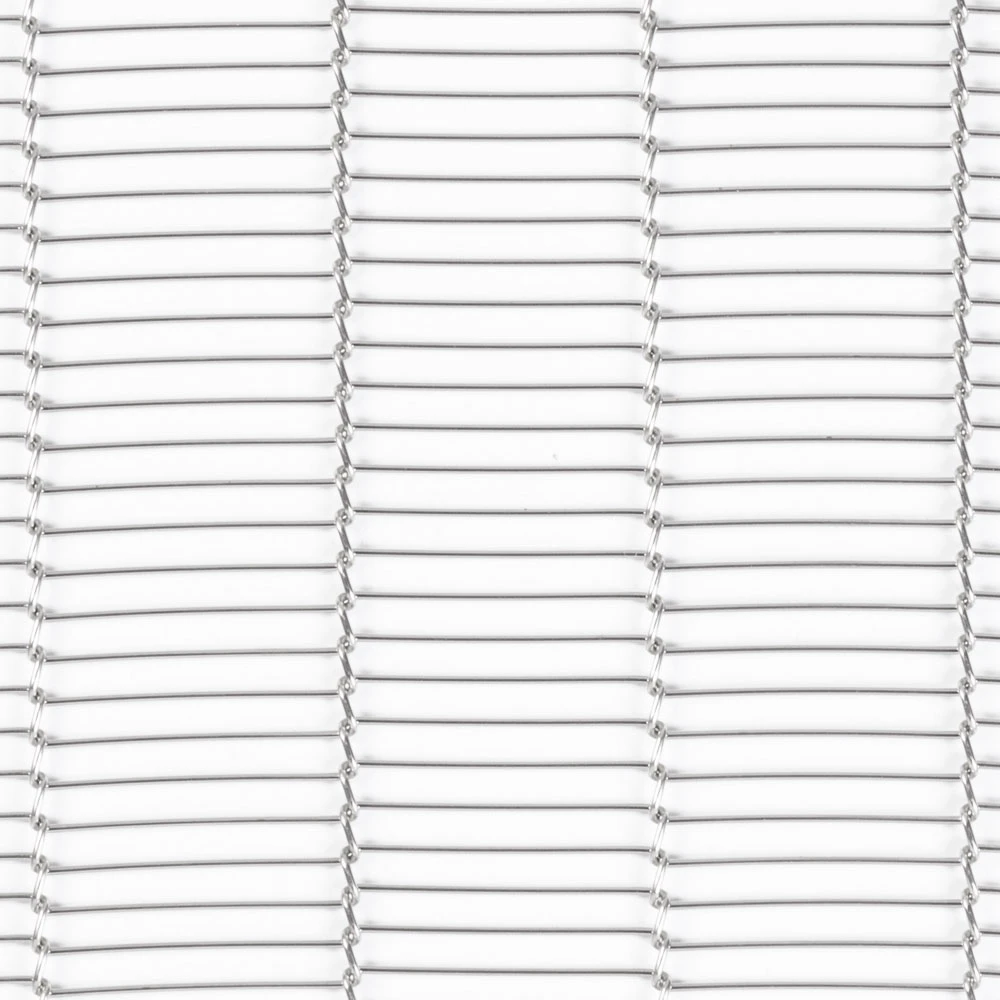
Deployment of heavy-duty crimped mesh for grating and drainage systems on LNG carriers, engineered to withstand extreme salt-spray corrosion.

4. High-Security Government Facilities (Seoul)

Installation of security stainless steel mesh for perimeter protection and reinforced window screening, combining anti-cut properties with visibility.

5. Chemical Processing Plants (Yeosu)

Using custom stainless metal mesh for catalyst support and liquid-solid separation in high-temperature petrochemical reactors.

Brand Story

Global Development Journey of Anping Xingxin Metal Mesh Co., Ltd.

Founding Excellence

Established in the heart of China's wire mesh capital, we started with a mission to solve the problem of premature corrosion in industrial screens.

Technological Breakthrough

We invested in automated weaving looms, allowing us to produce consistent micron-level openings for the global semiconductor market.

Global Expansion

Expanding into the Asia-Pacific region, we tailored our product line to meet the rigorous ISO and ASTM standards required by South Korean firms.

Innovation Leadership

Developing proprietary crimping techniques that increased the load-bearing capacity of industrial mesh by 30%.

Future Sustainability

Committing to zero-waste production and providing lifetime technical support for our global industrial partners.

Comprehensive Product Portfolio for South Korea

From security screens to micron-level filters, our range covers all industrial needs.

Industrial Mesh FAQ - South Korea

Technical answers for the most common industrial screening queries.

How do I choose the right grade of security stainless steel mesh for urban buildings in Seoul?

For urban environments in Seoul, we recommend Grade 304 for standard security or Grade 316 for areas near the Han River to prevent moisture-related oxidation.

What is the typical lead time for custom stainless steel wire cloth orders to Busan?

Standard orders typically take 7-14 days for production, with shipping to Busan Port adding another 5-10 days depending on the logistics provider.

Can your stainless metal mesh withstand high temperatures in petrochemical reactors?

Yes, we offer specialized heat-resistant alloys and 310S stainless steel which are specifically designed for high-temperature oxidation resistance in industrial reactors.

What makes your crimped mesh superior for heavy-duty industrial flooring?

Our crimped mesh uses a high-pressure mechanical locking process that prevents wire shifting and increases the structural rigidity under heavy loads.

Is the nickel mesh screen compatible with battery electrode production?

Absolutely. Our nickel mesh is processed to ensure high conductivity and chemical purity, making it ideal for the rigorous standards of the Korean battery industry.

Do you provide certification for mesh compliance with South Korean industrial standards?

We provide full material mill certificates and can produce mesh according to KS (Korean Industrial Standards) or international ASTM/DIN specifications.

Request Your Custom Engineering Quote

Partner with the leading metal mesh experts to optimize your production lines in South Korea.

Contact Us Now

If you are interested in our products, you can choose to leave your information here, and we will be in touch with you shortly.


Anping Xingxin Metal Mesh Co.,Ltd.