Talk to Us

+86 13633281999

Email Address

ada@xingxinwiremesh.com

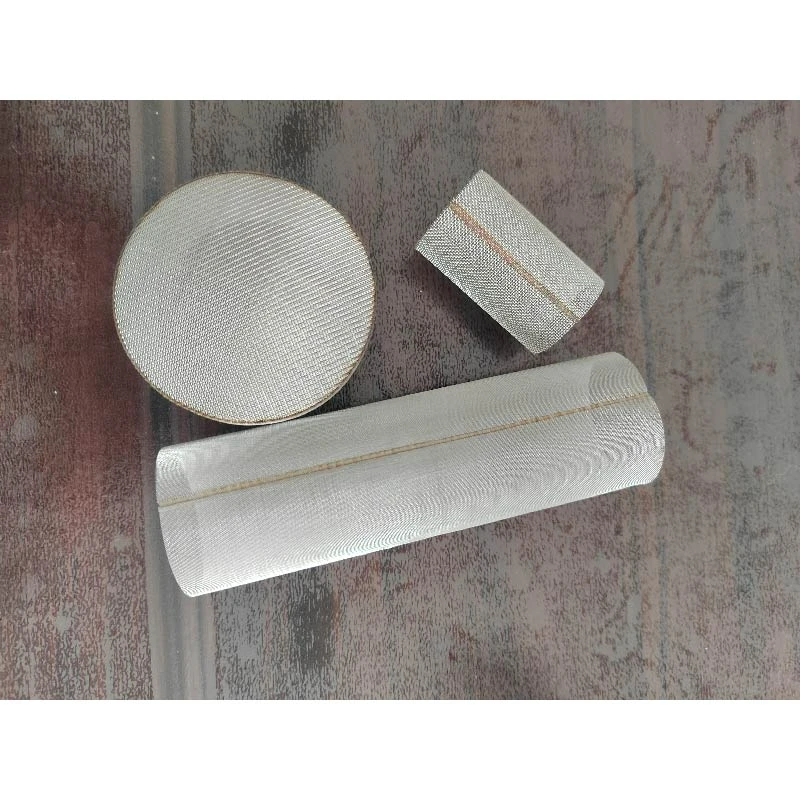
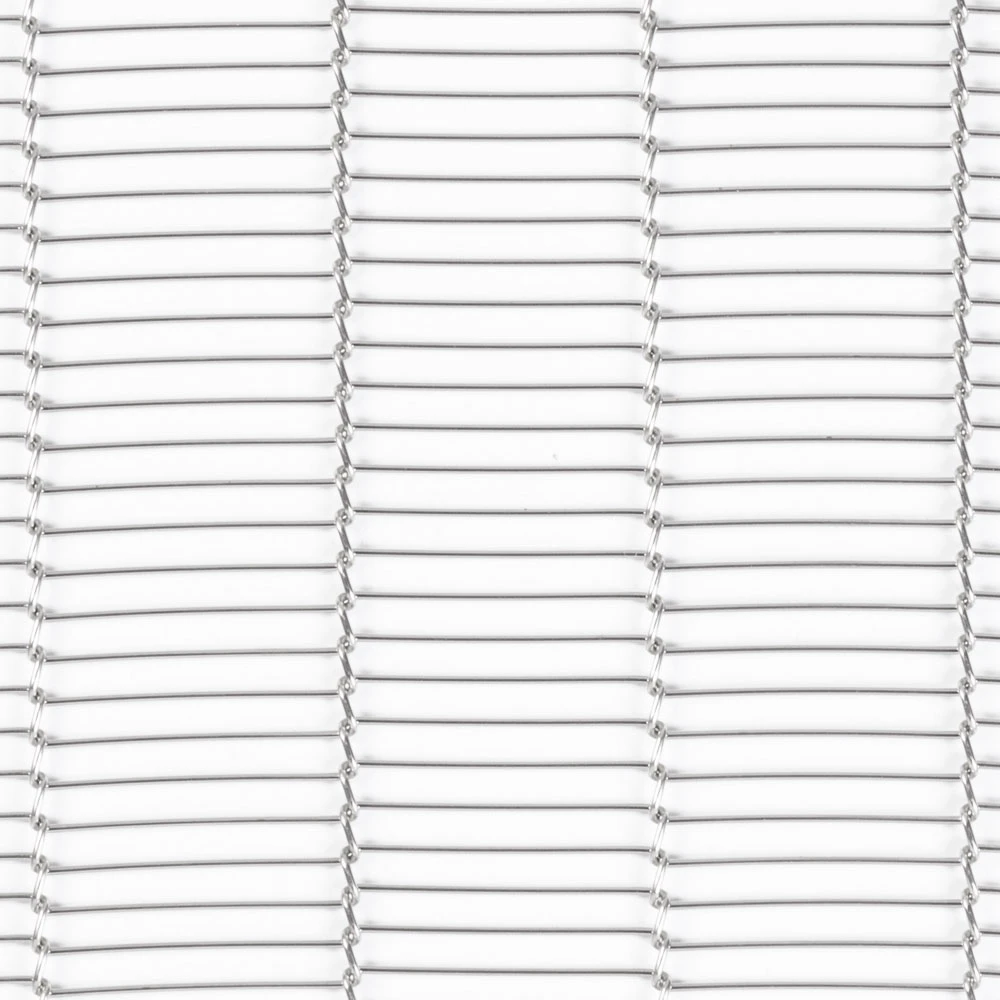
High-Performance crimped mesh Solutions for German Industrial Engineering

Precision-engineered metal filtration and security systems designed to meet the rigorous DIN standards of the German manufacturing sector.

High-Performance crimped mesh Solutions for German Industrial Engineering

Integrating advanced metallurgy with German precision to provide unmatched durability and filtration efficiency in the most demanding industrial environments.

Current Landscape of Industrial Mesh in Germany

Analyzing the synergy between German "Mittelstand" precision and high-grade stainless metal mesh.

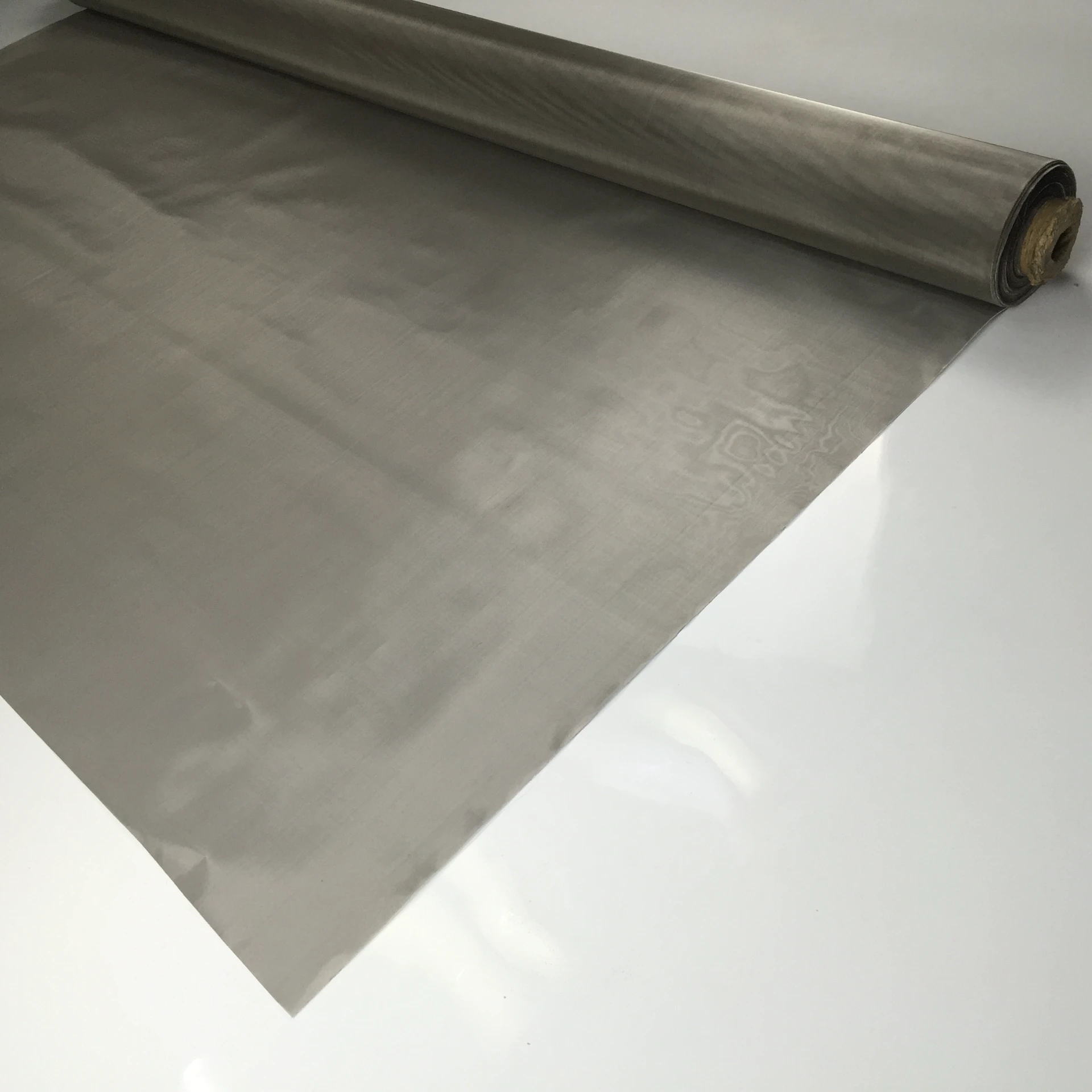
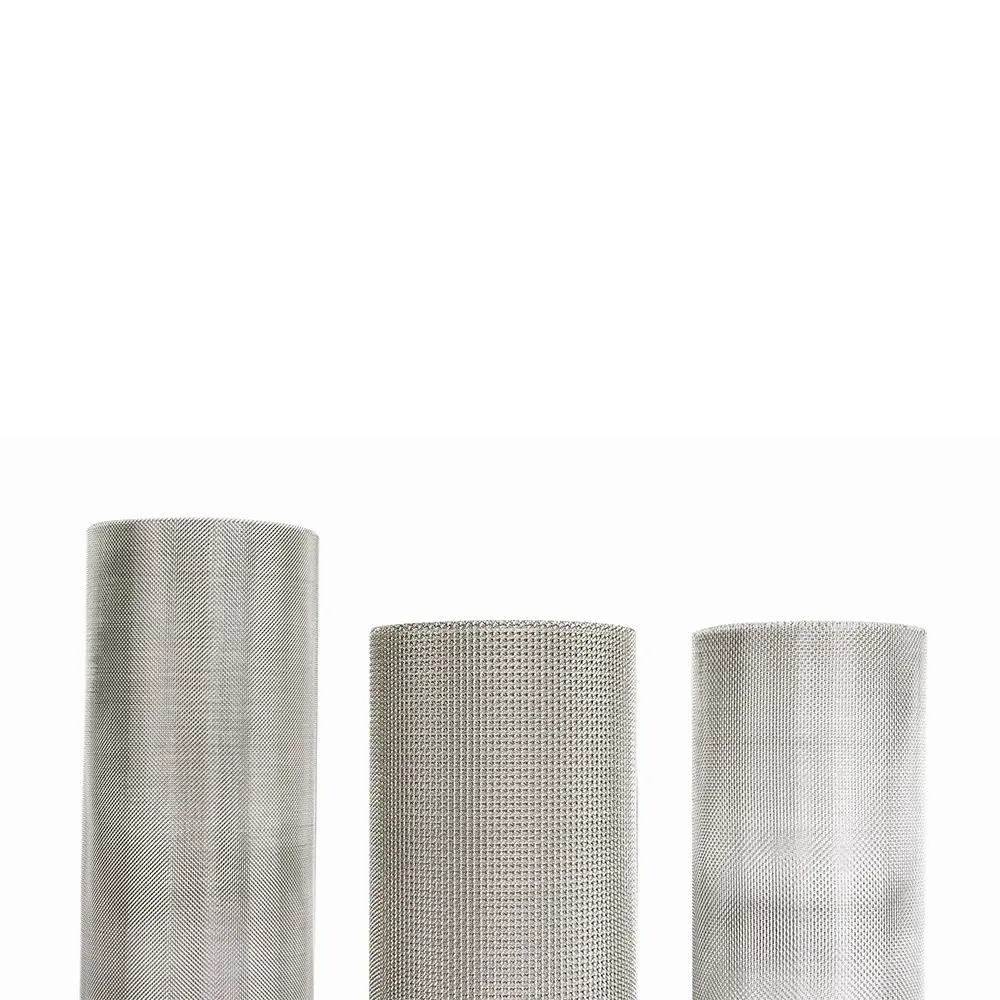
Germany's industrial landscape is characterized by a relentless pursuit of efficiency and long-term reliability. In the automotive and chemical hubs of Baden-Württemberg and North Rhine-Westphalia, the demand for high-specification stainless steel wire cloth is driven by the need to resist corrosive agents and withstand extreme thermal cycling typical of European heavy industry.

The local market is currently shifting towards specialized alloys. As German engineers optimize their production lines for Industry 4.0, the integration of nickel mesh screen has become critical for high-temperature catalysts and electronic components where traditional steel fails to provide sufficient oxidation resistance.

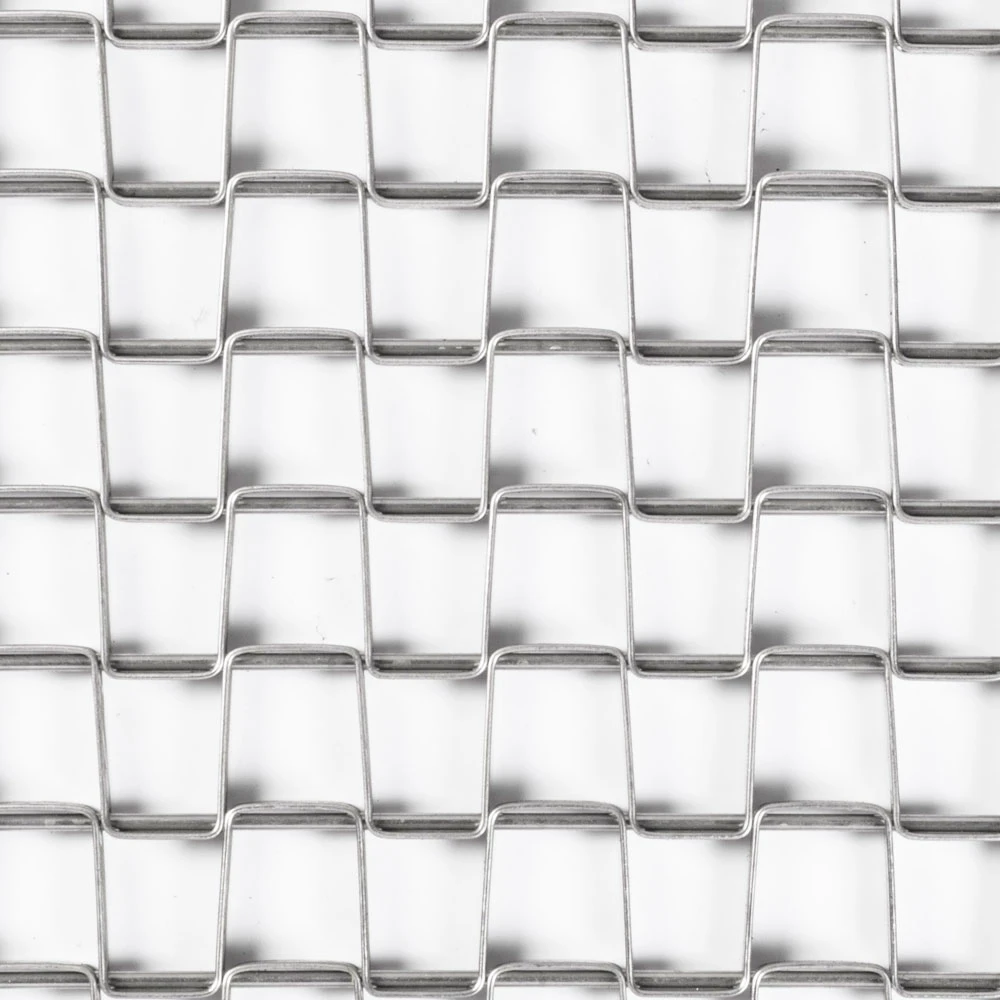
Furthermore, the architectural and security sectors in major cities like Berlin and Munich are increasingly adopting security stainless steel mesh to combine aesthetic minimalism with high-impact resistance, reflecting a broader German trend of merging functional security with sustainable urban design.
Evolution and Trajectory of Wire Mesh Technology

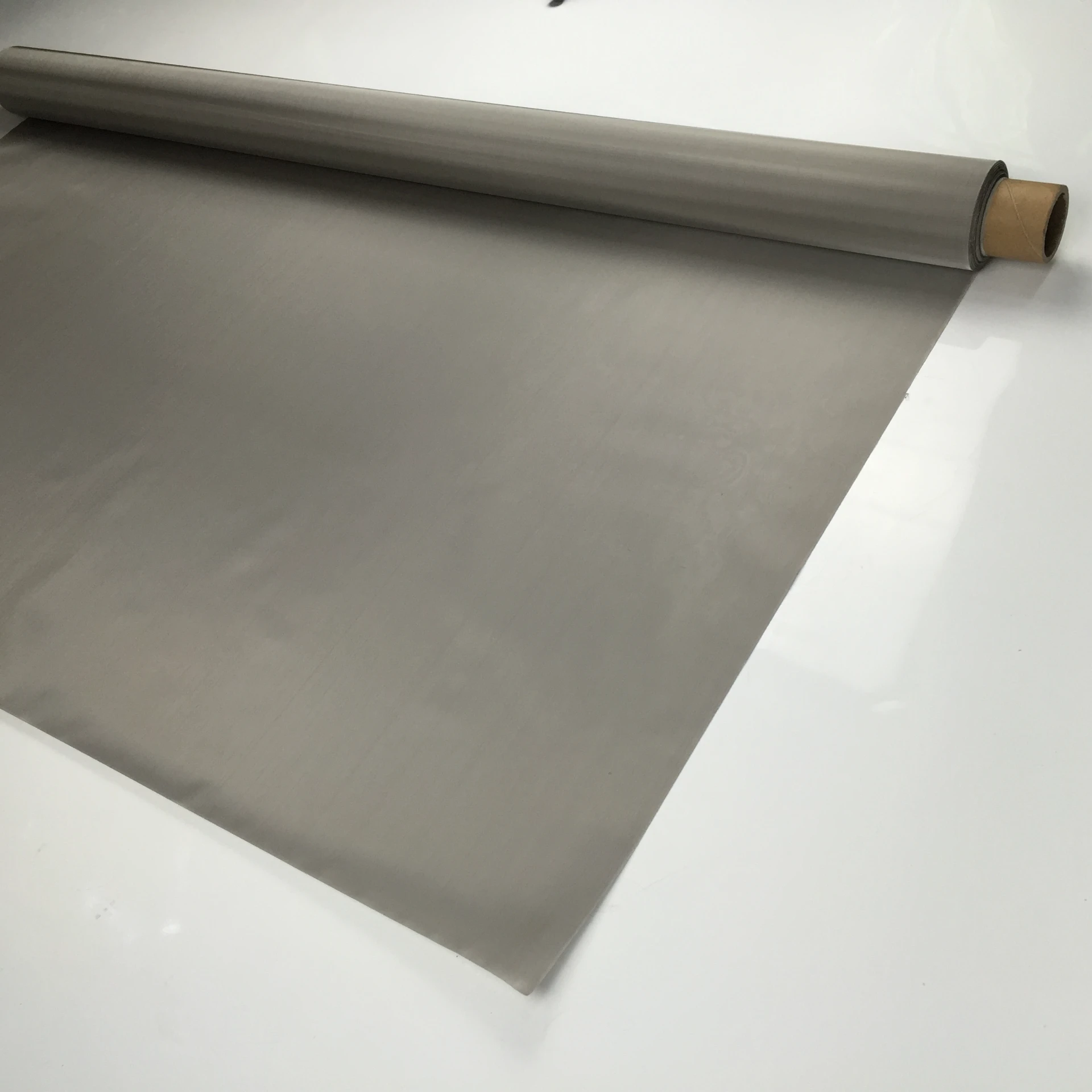
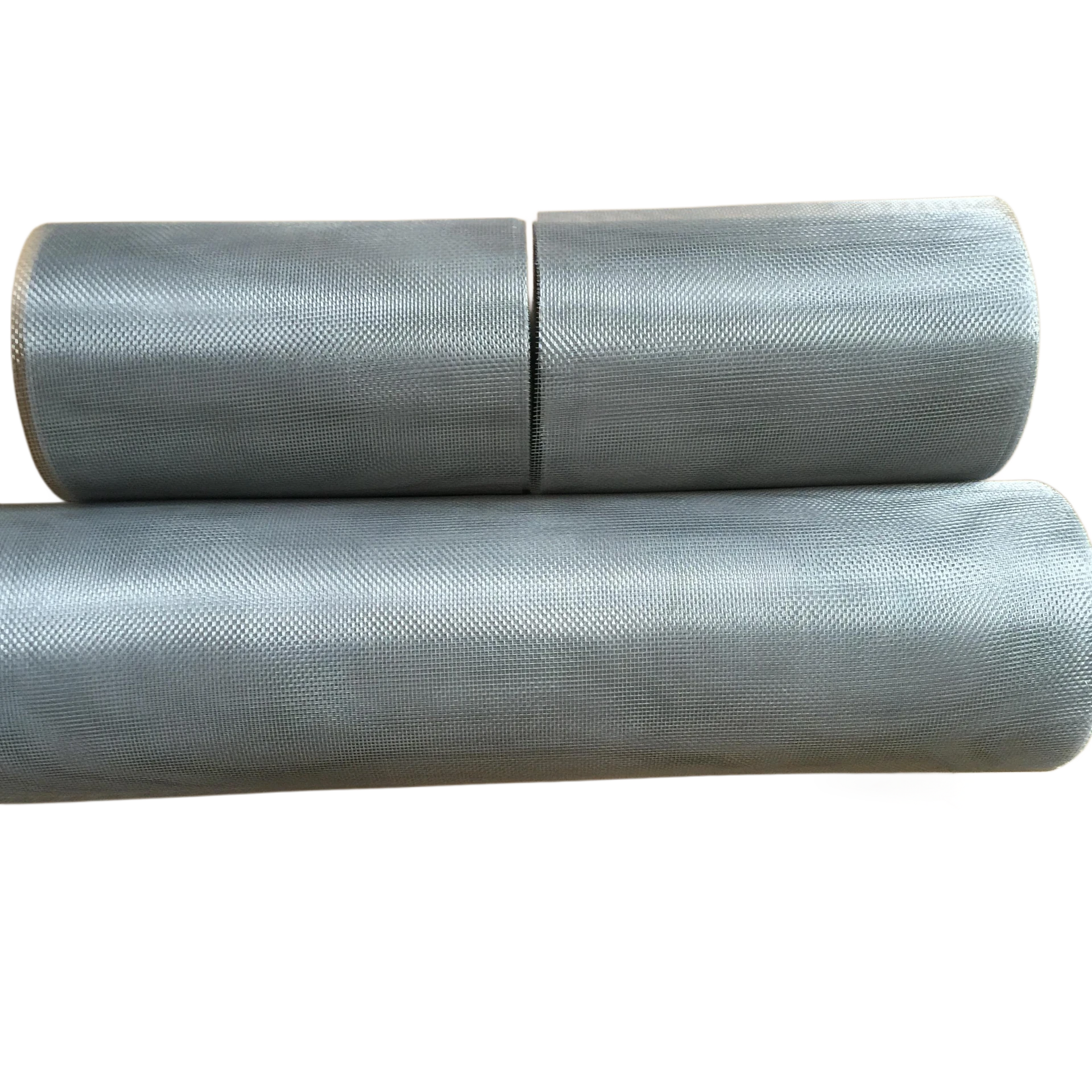
From traditional weaving to the precision-engineered matrices of the modern era.

Market Development History

During the early 20th century, German mesh production relied heavily on basic carbon steel and manual weaving. The focus was primarily on coarse filtration for the mining and quarrying industries, where structural rigidity was the only priority.

Between 1960 and 1990, the introduction of automated looms and the adoption of AISI 304/316 stainless steel revolutionized the industry. This era saw the rise of standardized micron-ratings, allowing German chemical plants to implement precise separation processes using refined stainless steel wire cloth.

From 2000 to the present, the shift has moved toward "intelligent" mesh. This involves laser-welding and specialized crimping techniques that ensure zero-deviation aperture sizes, catering to the hyper-precise requirements of the medical and aerospace sectors in Europe.

Future Development Trends

Nanoscale Coating Integration

Integration of hydrophobic and oleophobic nano-coatings to prevent fouling in liquid filtration systems, reducing maintenance downtime in German pharmaceutical labs.

Hybrid Alloy Matrices

The development of multi-metal hybrid weaves combining the strength of steel with the chemical inertness of nickel for extreme corrosive environments.

AI-Driven Mesh Customization

Utilizing generative design to create non-linear mesh apertures that optimize fluid dynamics, a trend growing in the German automotive cooling sector.

Future Outlook for Industrial Filtration in Germany

Strategic foresight into the technical evolution of metallic screens.

Sustainability & Recyclability
Shift toward 100% recyclable alloys to comply with strict EU Green Deal regulations.
Ultra-High Precision
Movement toward micron-level tolerances for semiconductor fabrication plants in Saxony.
Smart Monitoring
Integrating sensor-embedded mesh to detect pressure drops in real-time.
Anti-Corrosion Mastery
Expanding the use of super-alloys for Germany's burgeoning hydrogen energy sector.

Industry Outlook

Based on Google search trends in Germany, there is a significant uptick in queries regarding "sustainable industrial filtration" and "high-tensile security screens." This indicates a pivot toward long-lifecycle products that reduce the carbon footprint of replacement cycles.

We anticipate that the German market will move away from generic solutions toward bespoke, application-specific engineering, where the mesh is designed based on precise fluid dynamics simulations rather than standard catalogs.

Local Application Scenarios in Germany

Practical implementation of high-grade metal mesh across German industrial sectors.

01. Automotive Filtration (Stuttgart Hub)

Using high-precision stainless steel wire cloth for oil and fuel filtration systems in premium internal combustion and EV battery cooling systems.

02. Chemical Processing (Ludwigshafen)

Implementing nickel mesh screen for catalysts and high-temperature reaction chambers where chemical stability is non-negotiable.

03. Industrial Security (Berlin Infrastructure)

Installation of security stainless steel mesh in government buildings and critical infrastructure to prevent unauthorized access while maintaining airflow.

04. Food & Beverage (Bavarian Dairy Industry)

Utilizing stainless metal mesh for hygienic filtration in milk and beverage processing, ensuring strict adherence to EU food safety standards.

05. Mechanical Engineering (Ruhr Valley)

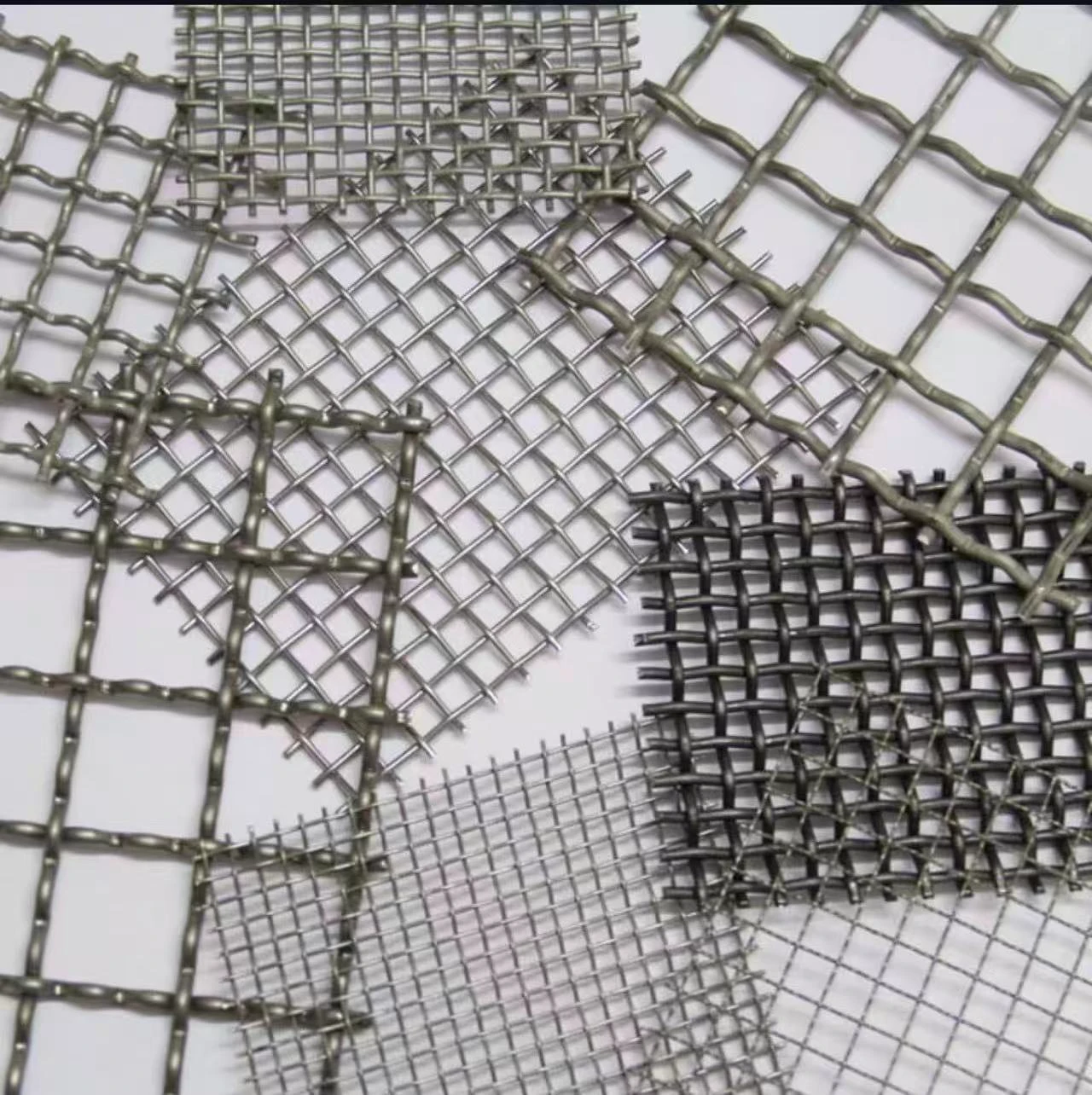
Applying crimped mesh for heavy-duty separation and sorting of metallic ores and industrial aggregates.

Brand Story

Global Development Journey of Anping Xingxin Metal Mesh Co., Ltd.

Foundational Excellence

Started with a commitment to master the art of wire weaving, focusing on the fundamental quality of the raw stainless steel wire.

Technical Breakthroughs

Invested in automated precision looms to solve the pain point of aperture inconsistency in industrial filtration.

Global Expansion

Expanded reach into the European market, adapting production to meet the stringent DIN and ISO standards required by German clients.

Innovation Leadership

Developed specialized alloy meshes and security-grade systems to address high-end architectural and chemical needs globally.

Sustainable Future

Current mission focuses on green manufacturing and the development of ultra-durable mesh to reduce industrial waste.

Comprehensive Mesh Portfolio for the German Market

A full range of certified stainless steel solutions for every industrial application in Germany.

Frequently Asked Questions in Germany

Technical clarifications for German engineers and procurement specialists.

How does your security stainless steel mesh compare to standard security fences?

Our security mesh uses high-tensile stainless steel with a specialized weave that prevents cutting and climbing, offering significantly higher impact resistance than standard galvanized fences.

What are the corrosion resistance advantages of nickel mesh screen in chemical plants?

Nickel alloys provide superior resistance to oxidation and high-temperature corrosive gases compared to 300-series stainless steel, extending the life of catalysts.

Can your stainless steel wire cloth meet DIN standards for filtration?

Yes, all our industrial wire cloths are manufactured to strictly follow DIN and ISO standards for aperture size and wire diameter tolerances.

What is the best crimped mesh specification for heavy-duty aggregate screening?

For heavy-duty use, we recommend high-carbon stainless steel with a heavy-duty crimped weave to maximize structural stability and wear resistance.

Is your stainless metal mesh suitable for food-grade applications in Germany?

Absolutely. We provide AISI 316L stainless steel mesh which is non-reactive and easy to sanitize, meeting all EU food safety regulations.

What is the lead time for custom mesh orders shipped to Germany?

Custom orders typically take 2-4 weeks for production, with expedited shipping options available to ensure your production lines remain active.

Expert Engineering Consultation

Contact our technical team today for bespoke stainless steel mesh solutions tailored to the industrial requirements of Germany.

Contact Us Now

If you are interested in our products, you can choose to leave your information here, and we will be in touch with you shortly.


Anping Xingxin Metal Mesh Co.,Ltd.