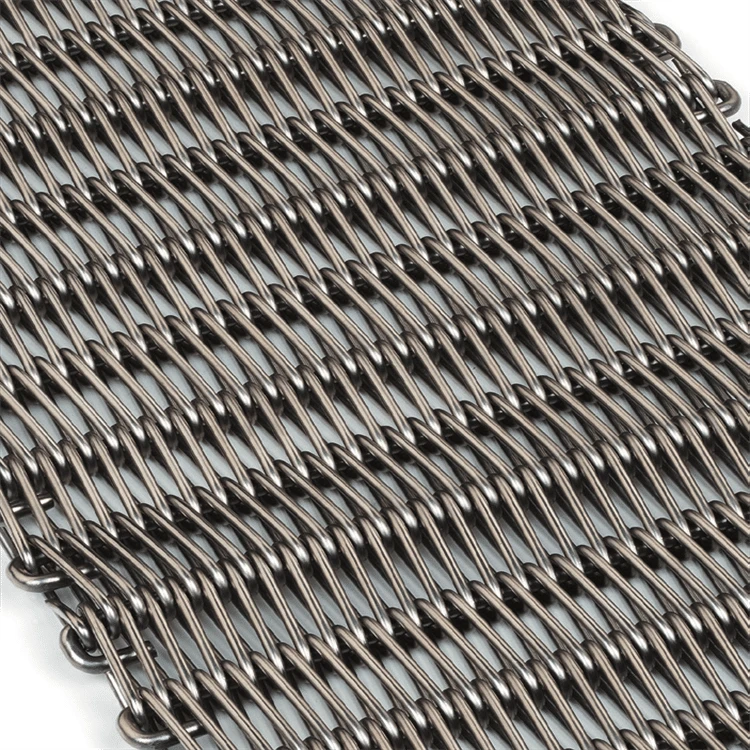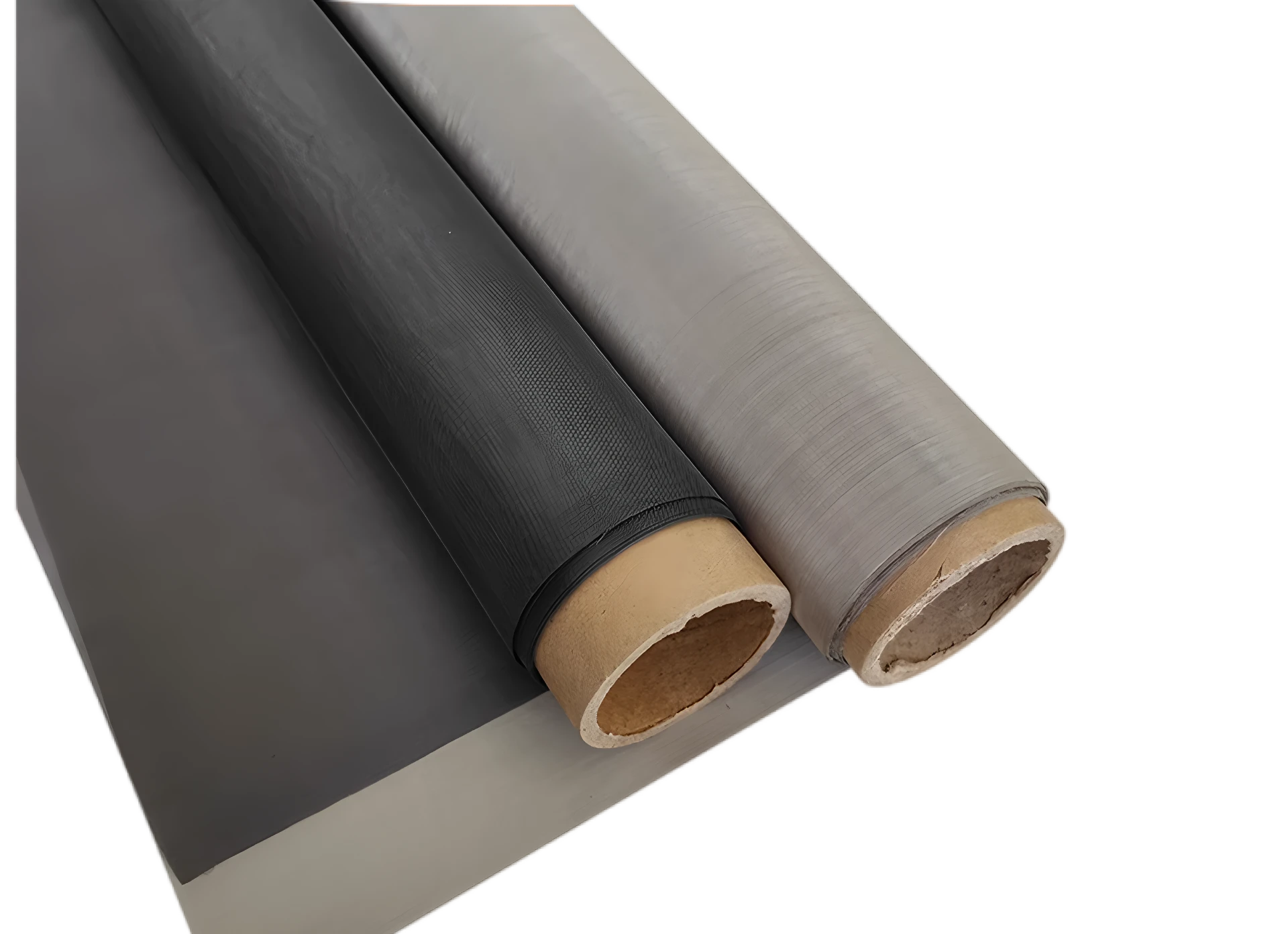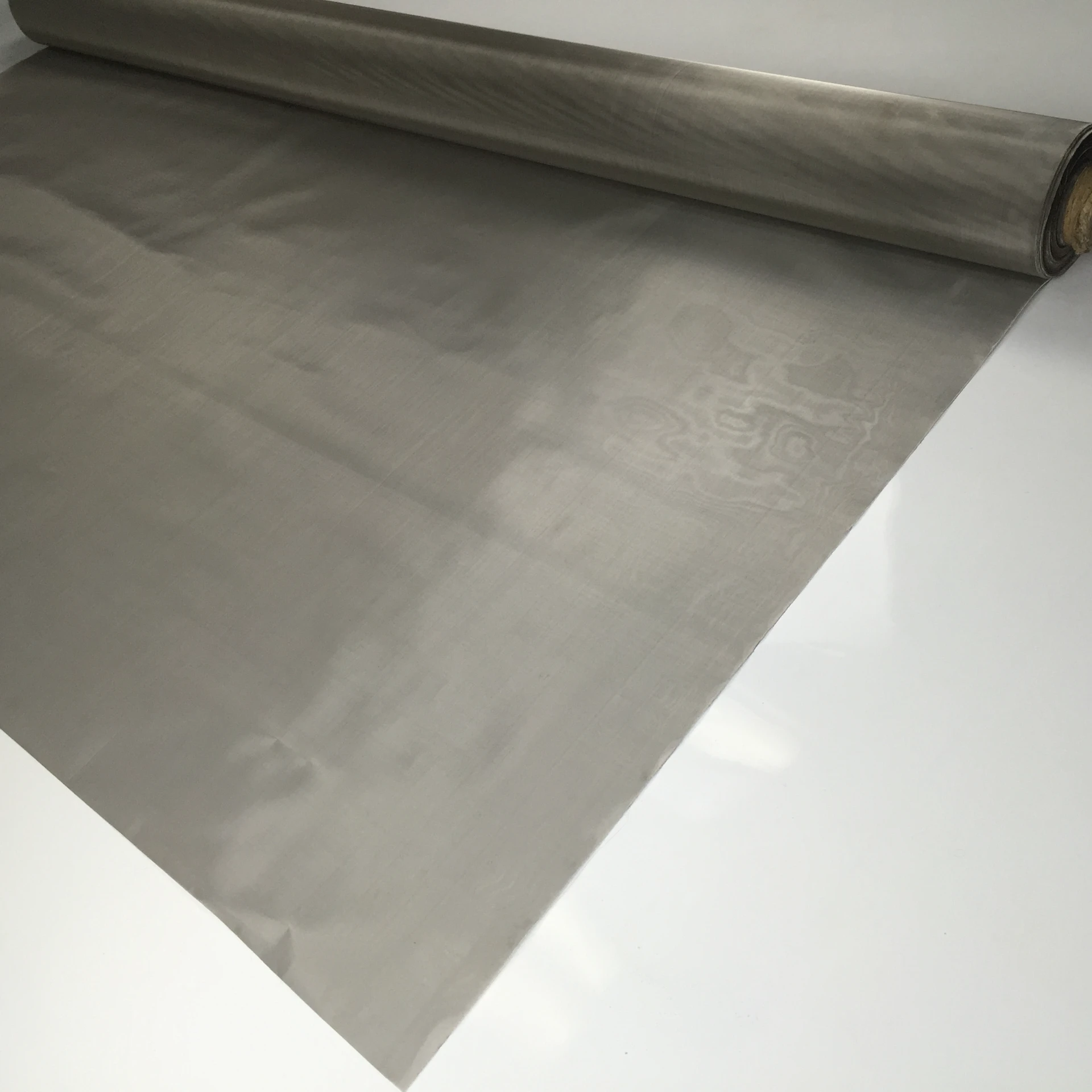


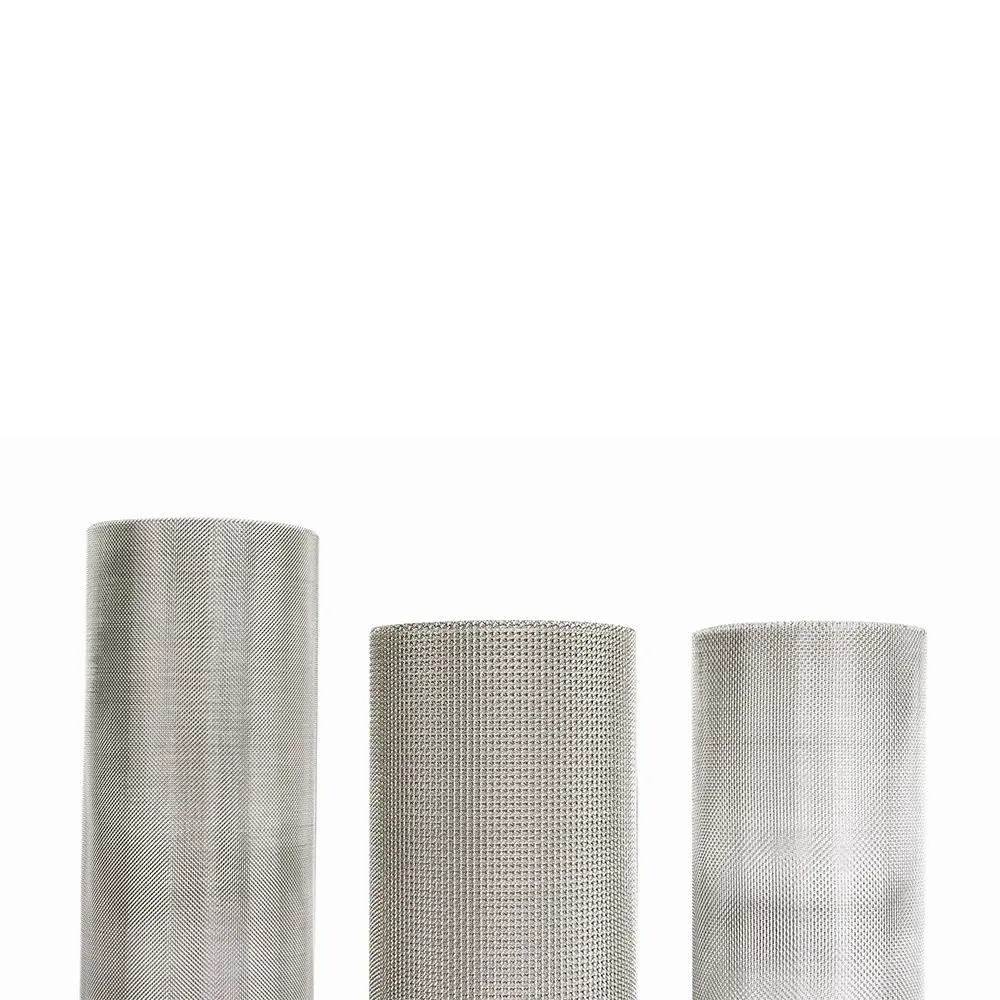
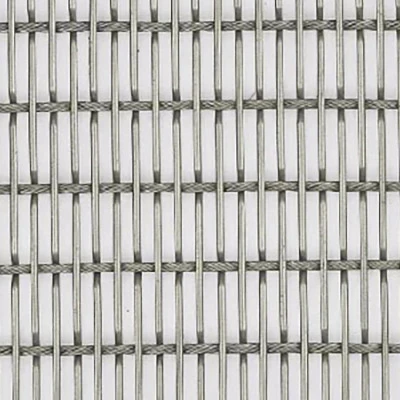
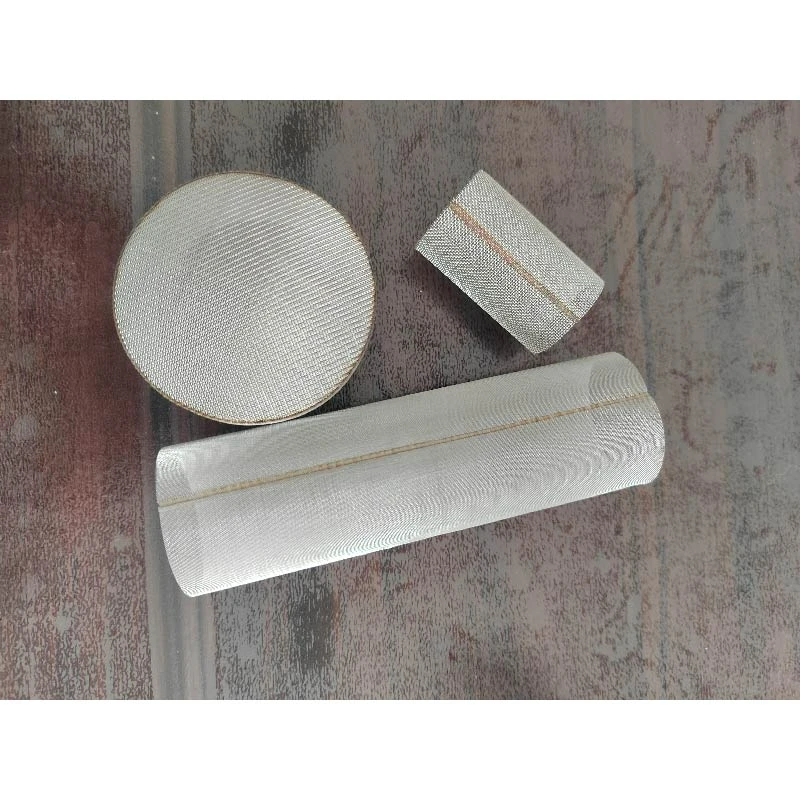
Brazil's industrial landscape is characterized by a massive demand for durable materials due to its high humidity and coastal salt spray, which accelerate oxidation. In sectors like mining in Minas Gerais and agribusiness in Mato Grosso, the need for stainless metal mesh has surged to replace traditional carbon steel, which fails prematurely under these corrosive conditions.
Moreover, the urban centers of São Paulo and Rio de Janeiro face significant security challenges, driving a shift toward high-tensile security stainless steel mesh. This transition reflects a broader market trend where structural integrity and longevity are prioritized over lower initial costs, aligning with global E-E-A-T standards for infrastructure safety.
The Brazilian market currently struggles with a gap between low-end imported wires and ultra-high-end specialized alloys. There is a critical demand for balanced, engineering-grade stainless steel wire cloth that can withstand the abrasive nature of mineral processing while remaining cost-effective for large-scale deployment.