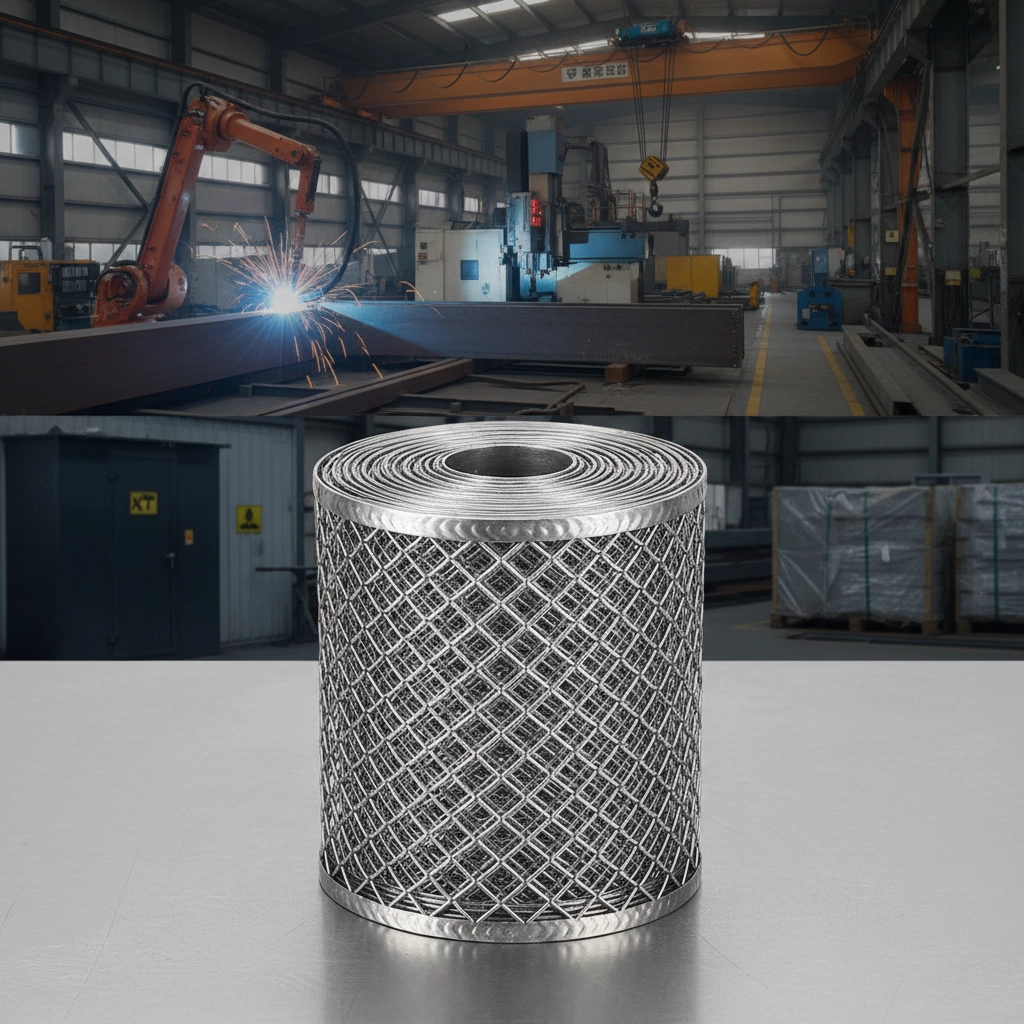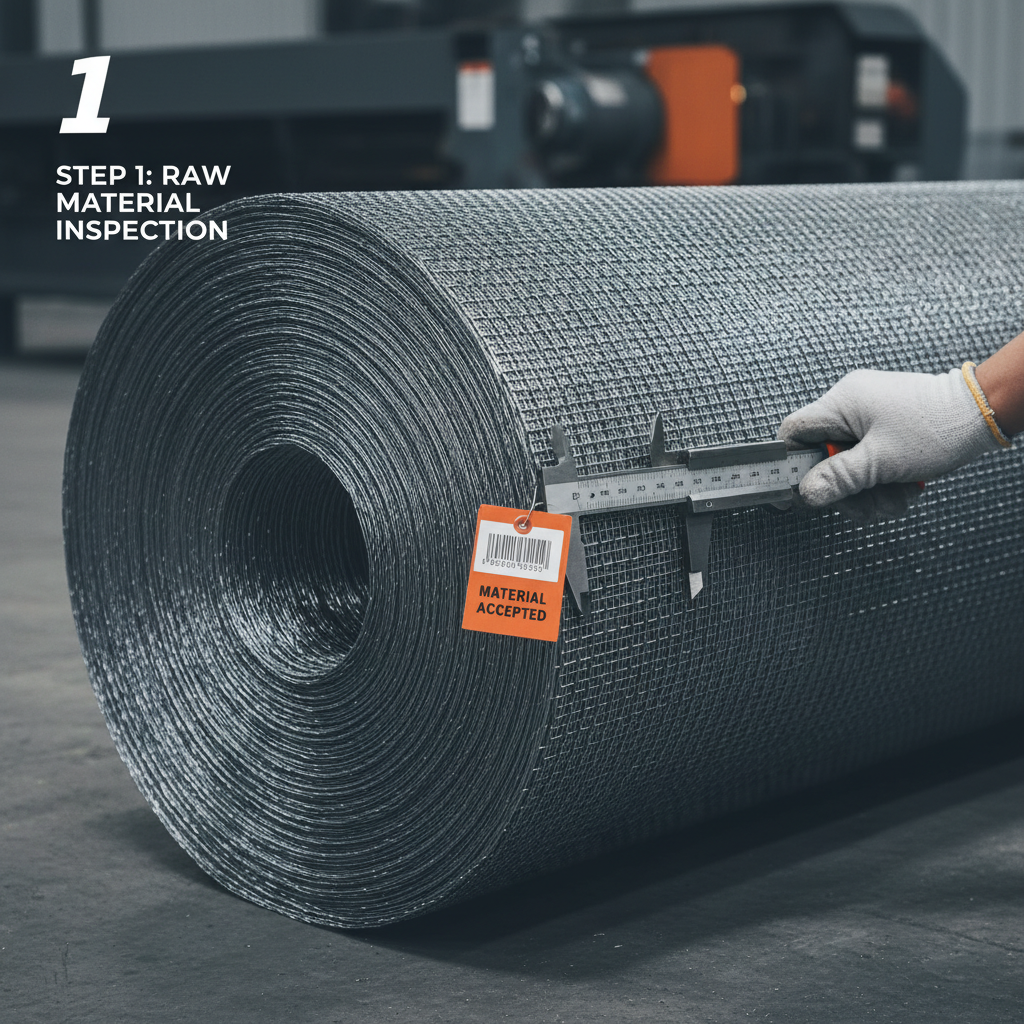


Securing high-performance filtration and separation components requires a strategic partnership with experienced stainless steel mesh suppliers who understand the intersection of metallurgy and industrial engineering. In the rigorous environment of metal product manufacturing, the quality of a mesh screen directly impacts the operational efficiency and longevity of heavy machinery, making the choice of a supplier a critical procurement decision.
Procurement officers and engineers often struggle to balance initial material costs with long-term durability, especially when dealing with aggressive chemical environments or extreme temperatures. The challenge lies in identifying a manufacturer that provides not just a product, but a technically validated solution that meets precise micron ratings and corrosion resistance standards without compromising structural integrity.
This professional analysis provides a comprehensive framework for evaluating supplier capabilities, understanding the technical trade-offs between stainless steel and specialty alloys like Monel, and establishing a set of rigorous criteria to ensure procurement alignment with industrial application requirements.

Establishing Baseline Supplier Requirements

When auditing potential stainless steel mesh suppliers, the first priority is verifying the integration of their manufacturing chain. A supplier that controls wire drawing, weaving, and finishing processes—such as those implemented by Anping Xingxin Metal Mesh Co., Ltd.—minimizes the risk of material inconsistency and reduces lead times associated with outsourcing sub-processes.
Beyond basic certifications, buyers must evaluate the supplier's ability to handle a diverse product spectrum. Whether the requirement is for fine Micronics filter cloth or heavy-duty crimped screens, the operational versatility of the facility determines whether the supplier can scale with the project's technical evolution.
Material Selection: Stainless Steel vs. Specialized Alloys
While stainless steel is the industry standard, certain high-corrosion environments necessitate the use of nickel-based alloys. Monel wire mesh, comprised of approximately 67% nickel and 28% copper, offers distinct advantages over standard stainless steel in reducing conditions and marine environments where saltwater corrosion is a primary failure mode.
From a cost-benefit perspective, Monel's higher unit price is often offset by its longevity in chemical and hydrocarbon processing. For instance, Monel Alloy K400 and K500 provide critical resistance for valves, pumps, and heat exchangers in aerospace and marine fixtures, where the cost of equipment failure far outweighs the initial material premium.
Production Capacity and Technical Infrastructure
The ability of a supplier to maintain tight tolerances over large volumes is a direct result of their infrastructure. An industrial-scale operation typically requires a significant investment in weaving machinery and annealing furnaces to ensure that the wire mesh maintains consistent tension and aperture size across the entire roll.
For example, a facility equipped with over 300 weaving machines and 100+ wire drawing machines can effectively manage a product portfolio that spans conveyor belts, security window screens, and special material wire mesh, ensuring that high-volume orders do not suffer from the quality degradation often seen in smaller, less equipped shops.
Evaluating Selection Priorities for Industrial Mesh
Selecting the right mesh requires a weighted analysis of various performance indicators. Depending on the application—whether it is acoustic control, reinforcement, or filtration—the priority shifts between tensile strength, openness, and chemical inertness.
The illustrative framework above demonstrates a normalized relative importance score for different procurement priorities. While durability is a constant requirement, the emphasis on precision (micron rating) is significantly higher for filtration applications compared to security or structural mesh.
Application-Specific Configuration Logic
The configuration of the wire mesh must be precisely matched to the fluid dynamics or structural load of the application. In the petroleum industry, the focus is on preventing particulate contamination while maintaining flow rate, requiring a balance between wire diameter and mesh count.
Conversely, in the electronics sector, the requirements shift toward acoustic control and electromagnetic shielding, where the uniformity of the weave is paramount. This necessitates a supplier capable of delivering extreme precision in the finest microns of filter cloth to prevent leakages and ensure consistent performance.
Common Procurement Risks and Mitigation
One of the most frequent errors in sourcing from stainless steel mesh suppliers is the failure to specify the exact alloy grade, leading to premature corrosion in oxidizing conditions. Buyers often assume "stainless steel" is a monolith, overlooking the critical differences between 304, 316, and specialty alloys like Monel.
To mitigate these risks, procurement teams should implement a technical validation step where material chemical compositions (such as the Ni-Cu ratios in Monel K400) are verified against the operational environment's pH and temperature profiles before the bulk order is finalized.
Supplier Evaluation Decision Matrix
To streamline the selection process, the following matrix compares different supplier profiles based on industrial needs. This conceptual comparison helps buyers determine if they require a broad-spectrum manufacturer or a specialized alloy house.
| Supplier Profile | Core Strength | Best Use Case | Main Consideration |
|---|---|---|---|
| Integrated Manufacturer | End-to-End Control | High-Volume / Custom | Minimum Order Qty |
| Specialty Alloy House | Extreme Material Tech | Chemical / Marine | Higher Unit Cost |
| General Distributor | Rapid Availability | Standard Replacements | Limited Customization |
| Fine Mesh Specialist | Micron Precision | Laboratory / Electronics | Fragility in Heavy Use |
| Heavy Industrial Forge | Structural Integrity | Mining / Construction | Lower Precision |
| Custom Fabricator | Design Flexibility | Special Prototypes | Longer Lead Times |
The decision should ultimately be based on the total cost of ownership, where the longevity of the material—particularly in harsh environments—outweighs the initial procurement price.
Frequently Asked Questions
The most critical specifications include the material grade (e.g., 316L or Monel), wire diameter, mesh count (aperture size), and the weaving method (plain, twill, or dutch). Additionally, verification of the annealing process is essential for ensuring the mesh doesn't become brittle during fabrication.
Monel is preferred in highly corrosive marine environments, hydrocarbon processing, and chemical plants where the mesh is exposed to reducing conditions. Its superior resistance to oxidizing conditions compared to copper makes it ideal for valves, pumps, and marine fixtures.
Integrated production, encompassing wire drawing, weaving, and spraying, ensures that each stage of manufacturing is monitored. This reduces the risk of contaminants entering the material and ensures that the physical properties of the wire are optimized for the weaving process.
Low-cost suppliers often use inferior alloys or skip the necessary annealing and quality control steps. This leads to premature corrosion, inconsistent aperture sizes, and structural failure under load, significantly increasing the total cost of ownership through frequent replacements and downtime.
Yes, provided they have a diversified fleet of machinery. Suppliers with a wide range of weaving machines and wire drawing capabilities can produce everything from Micron-level filter cloth for electronics to heavy crimped screens for mining.
Request a Material Test Report (MTR) or a Mill Certificate for every batch. These documents should specify the percentages of Nickel, Copper, and other alloying elements, which can then be cross-referenced with international standards for grades like Monel K400 or K500.
Conclusion
The selection of stainless steel mesh suppliers is not a simple commodity purchase but a technical decision that impacts the reliability of entire industrial systems. By prioritizing integrated manufacturing capabilities, verifying material compositions—especially for high-stress environments requiring alloys like Monel—and using a weighted decision matrix, organizations can significantly reduce operational risk and extend equipment lifecycles.
For companies requiring precise filtration solutions or heavy-duty industrial mesh, reviewing detailed technical specifications and production capabilities is the first step toward a reliable supply chain. Professional guidance on material selection and application-specific configurations can be found at www.stainlessmetalmesh.com.