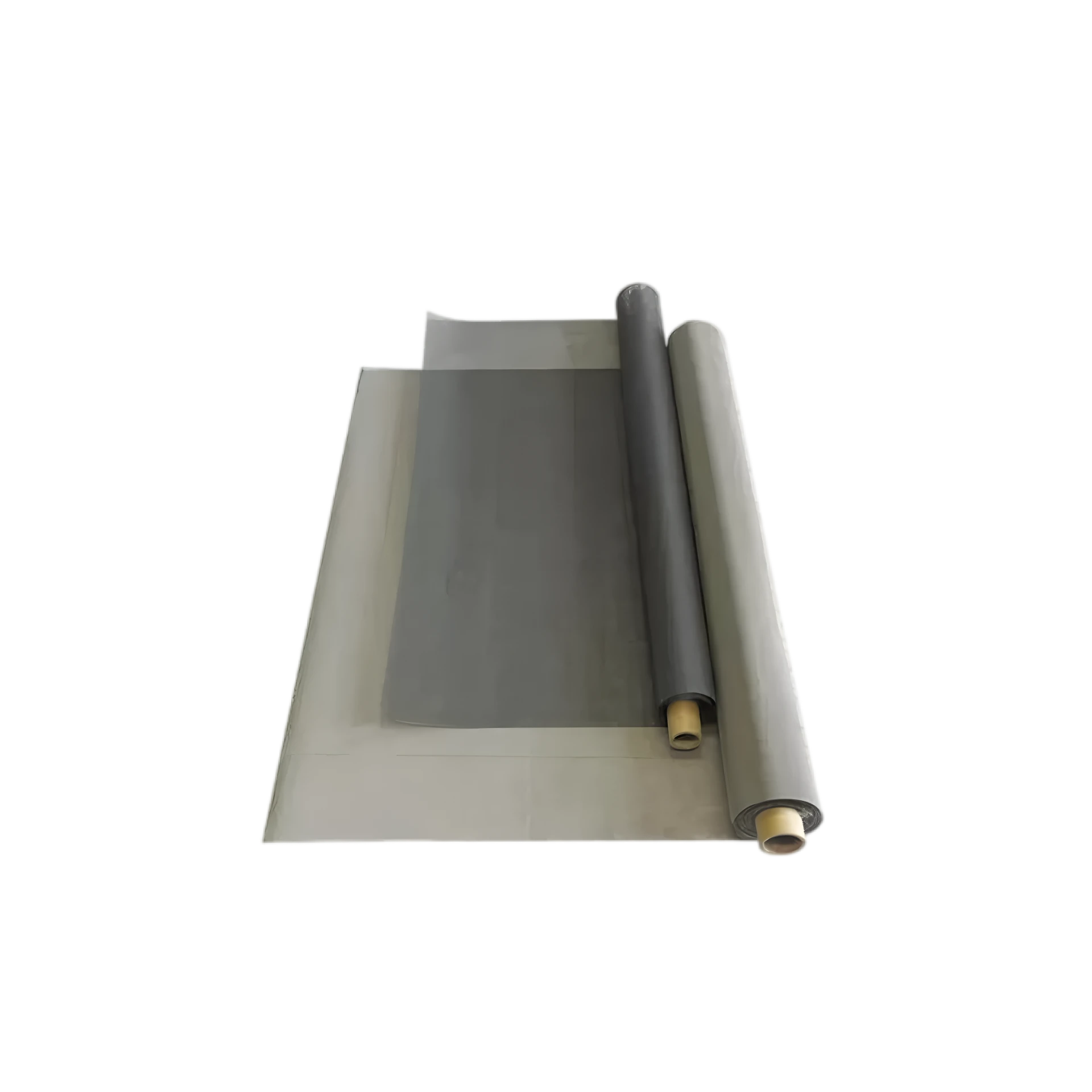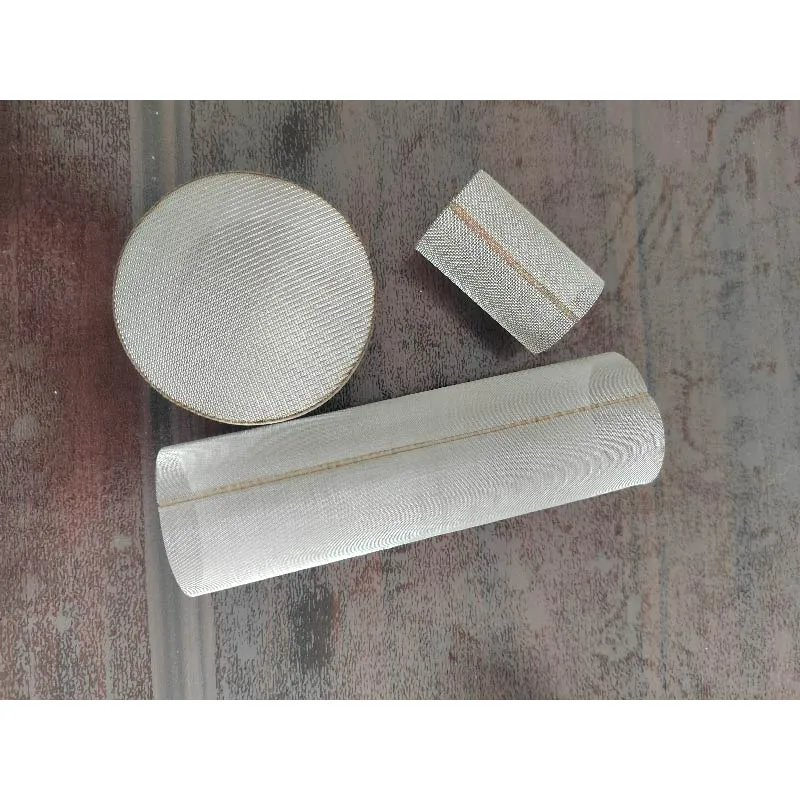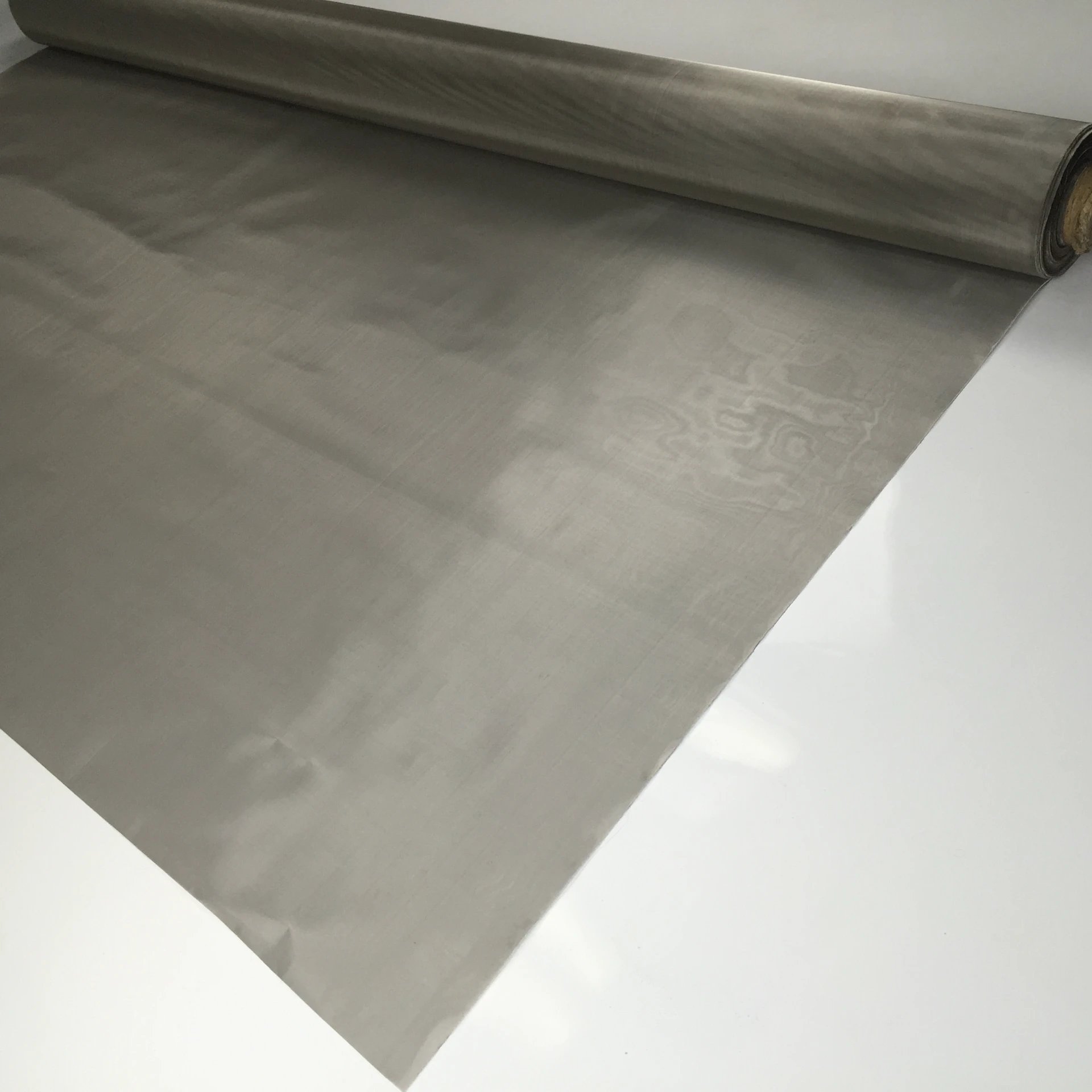


Top Industrial Aluminum Crimped Wire Mesh Suppliers
When engineering high-performance filtration or separation systems, the choice of mesh architecture often determines the operational lifespan of the entire assembly. For industries operating in corrosive or weight-sensitive environments, aluminum-based crimped structures provide a strategic balance between structural rigidity and material efficiency. Unlike standard plain weaves, the crimped configuration enhances the mechanical stability of the openings, ensuring consistent performance under varying pressure loads.
Whether utilized in aerospace components or marine air vents, these specialized screens must resist oxidation while remaining economical. Anping Xingxin Metal Mesh Co., Ltd. leverages decades of metallurgical expertise to produce solutions that meet these rigorous demands. By integrating advanced anodizing finishing options, we provide materials that sustain integrity in challenging atmospheres, offering a lightweight alternative to heavier stainless steel counterparts without compromising on long-term durability.

Technical Advantages of Aluminum Crimped Mesh in Industrial Environments
The primary value of utilizing aluminum in a crimped wire configuration lies in its inherent weight-to-strength ratio. In the aerospace and automotive sectors, every gram of weight saved contributes directly to fuel efficiency and overall performance. Aluminum is naturally lightweight, making it an ideal candidate for large-scale installations where stainless steel would introduce excessive structural load.
Beyond weight, corrosion resistance is a critical factor. Aluminum forms a natural oxide layer that protects the underlying metal from atmospheric degradation. To further enhance this, our manufacturing process includes various anodizing finishing options. This electrochemical process creates a durable, hard-wearing surface that is significantly more resistant to wear and chemicals than untreated aluminum, ensuring the mesh remains functional even in saline marine environments.
From a procurement perspective, aluminum is often more economical than high-grade stainless steel. This allows operators to implement comprehensive filtration or screening solutions across larger areas while maintaining a strict budget, all while benefiting from a product that is designed for a long-lasting service life.

Strategic Application Scenarios and Mesh Selection Logic
The application of crimped wire mesh varies significantly based on the required aperture and wire diameter. For instance, in the aerospace and automotive industries, these meshes are often employed as primary filters or acoustic dampers, where the crimped structure prevents the wires from shifting under high-velocity airflow.
In general industrial and residential applications, specific mesh counts are selected based on the target particle size or pest control requirements:
- 16 Mesh: Typically utilized for heavy-duty air vents or primary debris screening.
- 18 Mesh: A balanced choice for standard window and door insect screens, providing airflow while blocking most insects.
- 20 Mesh: Preferred for finer filtration needs and high-density insect screens where smaller apertures are necessary.
In marine settings, the combination of aluminum's lightweight nature and specialized anodized coatings makes it the superior choice for ventilation systems on ships and offshore platforms, where salt-spray corrosion is a constant threat to structural integrity.
Evaluating Manufacturing Capability and Quality Assurance
Reliability in industrial screening depends heavily on the precision of the weaving process. Anping Xingxin Metal Mesh Co., Ltd. operates an integrated production chain that encompasses wire drawing, weaving, and spraying. With an infrastructure comprising over 300 weaving machines and 108 wire-drawing machines, we ensure that every roll of mesh maintains dimensional consistency.
Quality control is not merely a final check but is embedded in the process. Our six annealing furnaces allow for precise control over the wire's temper, which is essential for achieving the correct "crimp" and ensuring the mesh does not warp during installation. This meticulous approach allows us to deliver products that exceed international standards for industrial use.
Our ability to handle a spectrum of products—from micron-level filter cloths to heavy-duty industrial screens—demonstrates a versatile manufacturing capacity. This versatility ensures that clients can source multiple mesh types from a single, reputable manufacturer, reducing supply chain complexity and ensuring consistent quality across different product lines.
Aluminum Mesh Specification and Application Matrix
| Mesh Count | Primary Application | Corrosion Resistance | Relative Weight |
|---|---|---|---|
| 16 Mesh | Air Vents / Coarse Filtering | High (Anodized) | Low |
| 18 Mesh | Insect Screens / Door Mesh | High (Anodized) | Low |
| 20 Mesh | Fine Filtration / Air Vents | High (Anodized) | Low |
| Custom Crimp | Aerospace / Automotive | Very High | Ultra-Low |
| Industrial Grade | Marine / Chemical Processing | High | Low |
Procurement Considerations for Industrial Mesh Buyers
When searching for reliable crimped wire mesh suppliers, procurement managers should look beyond the initial price point. The total cost of ownership is determined by the frequency of replacement. Aluminum mesh that has been properly anodized will significantly outperform untreated alternatives, reducing downtime and maintenance costs.
Key evaluation criteria for buyers include:
- Material Purity: Ensure the aluminum alloy used is suitable for the specific environmental exposure (e.g., high salinity vs. high temperature).
- Coating Uniformity: Check that the anodizing process is consistent across the entire surface to prevent localized pitting corrosion.
- Dimensional Stability: Verify that the crimp is stable and that the mesh will not sag or deform under its own weight during installation.
Working with a manufacturer that possesses integrated drawing and weaving capabilities allows for better customization. Whether you require specific aperture sizes or custom dimensions, a vertically integrated supplier can provide tighter tolerances and more reliable delivery timelines.
Future Trends in Metal Mesh Engineering
The industry is moving toward more specialized, hybrid materials and advanced surface treatments. We are seeing an increase in demand for "smart" filtration systems where the mesh is engineered not just for separation, but for specific airflow dynamics and acoustic control. The integration of aluminum in these systems continues to grow as industries strive for carbon neutrality through lightweighting.
Furthermore, the shift toward more sustainable manufacturing means that the recyclability of aluminum is becoming a primary driver for its selection over composite materials. As circular economy mandates increase, the ability to reclaim and reuse high-quality aluminum mesh at the end of its service life provides a significant strategic advantage for global enterprises.
For buyers, the focus is shifting from simple commodity purchasing to partnership-based sourcing. Collaborating with technical experts who understand the interaction between material science and operational environment is the only way to ensure long-term system efficiency.
Technical Questions on Crimped Aluminum Wire Mesh
What is the main difference between crimped and plain weave wire mesh?
Crimped wire mesh is produced by undulating the wires before weaving, which creates a more rigid structure and prevents the wires from shifting. This results in more stable apertures and higher mechanical strength compared to plain weave.
Why choose aluminum over stainless steel for industrial screens?
Aluminum is significantly lighter and generally more economical. While stainless steel offers higher absolute strength, aluminum is sufficient for most filtration and screening tasks, especially when weight reduction is critical, such as in aerospace or marine applications.
How does anodizing improve the performance of aluminum mesh?
Anodizing creates a hard, protective oxide layer on the surface of the aluminum. This increases corrosion resistance, improves surface hardness to prevent wear, and can provide a more professional aesthetic finish.
Which mesh count is best for standard insect screening?
18 mesh is widely considered the standard for window and door insect screens as it effectively blocks common pests while maintaining sufficient airflow for ventilation.
Can aluminum crimped mesh be used in marine environments?
Yes, provided it is treated with high-quality anodizing. The anodized layer protects the aluminum from the corrosive effects of salt spray, making it suitable for marine air vents and filters.
What factors should I consider when selecting a supplier?
Evaluate the supplier's integrated capabilities (wire drawing, weaving, and finishing), their quality control procedures, and their experience in your specific industry to ensure the product meets technical standards.
Industry Technical References
- ASTM International - Material Standards
- ISO - Quality Management Systems
- Aerospace Material Guidelines
- Marine Engineering Material Guides
Selecting the right mesh configuration is a critical engineering decision. By balancing material properties, weaving techniques, and surface treatments, you can ensure optimal performance and longevity for your industrial systems.
Related Technical Solutions